



Introduction: Why the Right Scooter Matters for Your 6-Year-Old
Choosing a scooter for kids 6 years old is a significant decision that impacts more than just playtime. At this developmental stage, a scooter is a tool for growth, fostering crucial skills like balance, coordination, and spatial awareness. It encourages outdoor activity, builds confidence, and offers a first taste of independent mobility. The right model supports this journey safely, while the wrong choice can lead to frustration or, worse, accidents.
For parents, the core challenge lies in balancing three critical factors: safety, durability, and pure fun. The market is flooded with options, making it difficult to distinguish between a quality investment and a short-lived toy. This guide cuts through the noise with factual analysis and clear criteria. We position brands like Gyroor, a leader trusted by over 100,000 riders, as benchmarks for engineering that meets the rigorous demands of young, growing riders.
This article will serve as your definitive resource. We will dissect the essential features, compare scooter types, and provide a actionable buying checklist. Our goal is to equip you with the knowledge to choose a ride that will be a source of joy and development for years, not just weeks. The journey to finding the best scooter for kids 6 years starts with understanding what truly matters.
Key Features to Look for in a 6-Year-Old's Scooter
Evaluating a scooter requires looking beyond color and decals. The following features are non-negotiable for safety, performance, and longevity. They form the foundation of a good purchase decision for any scooter for kids 6 years old.
Safety First: Brakes, Deck, and Stability
The braking system is the most critical safety component. For a 6-year-old, a rear fender brake (foot brake) is often the best initial choice. It's intuitive—they press down on the rear fender with their foot—and helps them learn weight distribution. Some models offer a hand brake, which requires more grip strength and coordination; if present, it should be a supplementary brake, not the primary one.
Deck design directly impacts stability. Look for a deck that is wide enough (at least 4 inches) and long enough to allow a comfortable, staggered foot stance. A textured, anti-slip surface is essential to prevent feet from slipping, especially during kicks or braking. The overall wheelbase—the distance between the front and rear axles—should be sufficiently long to prevent easy tipping but not so long that it becomes unwieldy.
Size & Adjustability: Ensuring a Perfect Fit
Proper fit is paramount for control and safety. Handlebar height is the key metric. For most 6-year-olds, the ideal range is between 24 inches and 30 inches from the ground. Crucially, the stem should be easily adjustable within this range without tools. This allows you to fine-tune the height so your child can stand upright with a slight bend in the elbows, ensuring they can steer comfortably and see the path ahead.
Consider the scooter's overall weight. A model weighing between 5 to 8 pounds is ideal. It's light enough for a child to carry up a curb or stairs but heavy enough to feel stable and withstand impacts. A deck that is too low to the ground can scrape on turns, while one that is too high can make kicking inefficient. The right scooter for kids 6 years old will feel like an extension of their body, not a burden.
Durability & Build Quality: Withstanding the Test of Playtime
Build materials determine lifespan. Aircraft-grade aluminum alloy frames offer an excellent strength-to-weight ratio, resisting dents and corrosion while keeping the scooter light. Steel frames are heavier but extremely robust; they are better suited for rugged use but can be harder for a child to maneuver. Avoid plastic-heavy constructions in critical stress areas like the headset and clamp.
Bearing quality, measured by the ABEC rating, dictates ride smoothness and maintenance frequency. ABEC-5 or ABEC-7 bearings provide a quiet, fluid glide with minimal effort from the rider. High-quality PU (polyurethane) wheels should be securely attached with sealed bearings to keep dirt and moisture out. This focus on durable components is a hallmark of reputable brands, ensuring the scooter lasts through multiple growth spurts and learning curves.
Scooter Types: Which Style is Best for a 6-Year-Old?
The primary decision point is between traditional kick scooters and electric models. Each category serves different purposes and skill levels. Understanding their distinctions is vital for matching the scooter to your child's readiness and your family's lifestyle.
Traditional Kick Scooters: The Classic Choice
The standard two-wheel kick scooter is the undisputed champion for skill development. It requires and builds core strength, balance, and coordination with every push. This type is highly recommended for beginners or as a first scooter. The physical engagement provides excellent exercise and gives the child direct, intuitive control over their speed.
Wheel choice matters. Smaller, harder PU wheels (around 120mm-150mm) are best for smooth surfaces like sidewalks and skate parks, offering speed and a quiet ride. Larger, air-filled (pneumatic) tires provide more cushioning and traction for rougher terrain like gravel paths or bumpy pavement. For a versatile scooter for kids 6 years old, medium-sized PU wheels with good shock absorption offer a great balance.
Electric Scooters for Kids: Are They Ready?
Electric scooters introduce motorized power, which is a significant step up in responsibility. For a 6-year-old, extreme caution is advised. If considering an electric model, it must be explicitly designed for young children with strict safety limits. Key features to demand include a very low maximum speed (absolutely no more than 10 mph), a beginner or slow-start mode, and reliable hand brakes.
Parental control via a companion app or physical key is essential to limit speed and track usage. Most critically, battery safety cannot be compromised. Only consider models with UL-certified battery packs, like those used by Gyroor, which undergo rigorous testing for stability and longevity. The fundamental question is whether your child has the maturity and reaction time to handle unexpected acceleration or obstacles. For most 6-year-olds, a traditional scooter remains the safer, more skill-appropriate choice.
The Gyroor Advantage: Engineered for Young Riders
When evaluating brands, Gyroor's design philosophy directly addresses the core needs outlined for a young rider. Their approach combines rigorous safety standards with practical durability, making them a standout choice for a reliable scooter for kids 6 years and older.
Safety is engineered into the foundation. For their electric models, the use of UL-certified battery packs is non-negotiable. These batteries are tested for over 500 charge cycles and built with multiple protection systems against overcharging, short-circuiting, and overheating. This provides paramount peace of mind for parents. Furthermore, many Gyroor scooters boast an IPX5 water-resistant rating, meaning they can withstand water jets from any direction. This protects the electrical components from puddle splashes and light rain, greatly enhancing durability and real-world usability.
Durability is ensured through high-grade materials and robust construction. Frames are built to withstand the rigors of daily play, and critical components are selected for longevity. This commitment is backed by a reliable 1-year comprehensive warranty, protecting against manufacturing defects. For parents seeking a scooter for kids 6 years old that won't be discarded after a single season, Gyroor's focus on quality and safety presents a compelling, value-driven proposition that aligns with the goal of a long-term investment in fun and development.
Practical Buying Guide & Comparison Checklist
Use this table as an at-a-glance tool to compare options and ask the right questions when shopping. It highlights the key decision factors between scooter categories and essential features.
| Feature | Traditional Kick Scooter | Electric Scooter (If Considering) | Why It Matters |
|---|---|---|---|
| Primary Use | Skill development, exercise, everyday fun. | Extended range, less physical effort, tech interest. | Defines the core riding experience and benefits. |
| Ideal Speed | Child-controlled via kicking. | MAX 10 mph with speed limiter/parental controls. | Safety is paramount; speed must be age-appropriate. |
| Key Safety Features | Wide anti-slip deck, rear foot brake, stable wheelbase. | Hand brake, speed modes, UL-certified battery, app controls. | Prevents accidents and manages risk factors. |
| Adjustability | Tool-free handlebar height adjustment (24"-30" range). | Tool-free handlebar adjustment, often similar range. | Ensures proper fit for control and accommodates growth. |
| Weight & Portability | 5-8 lbs; lightweight for child to carry. | Heavier (15-25 lbs due to motor/battery); may need adult help. | Impacts independence and ease of transport. |
| Durability Focus | ABEC-7 bearings, aluminum frame, PU wheel quality. | IPX5 water resistance, battery cycle life, motor warranty. | Determines lifespan and value for money. |
| Approx. Price Range | $50 - $150 | $200 - $400 | Sets budget expectations for quality and features. |
Safety Tips and Maintenance Essentials
Owning a scooter comes with the responsibility of safe use and upkeep. Establishing good habits from day one ensures countless hours of safe fun. These guidelines apply to any scooter for kids 6 years old, regardless of type.
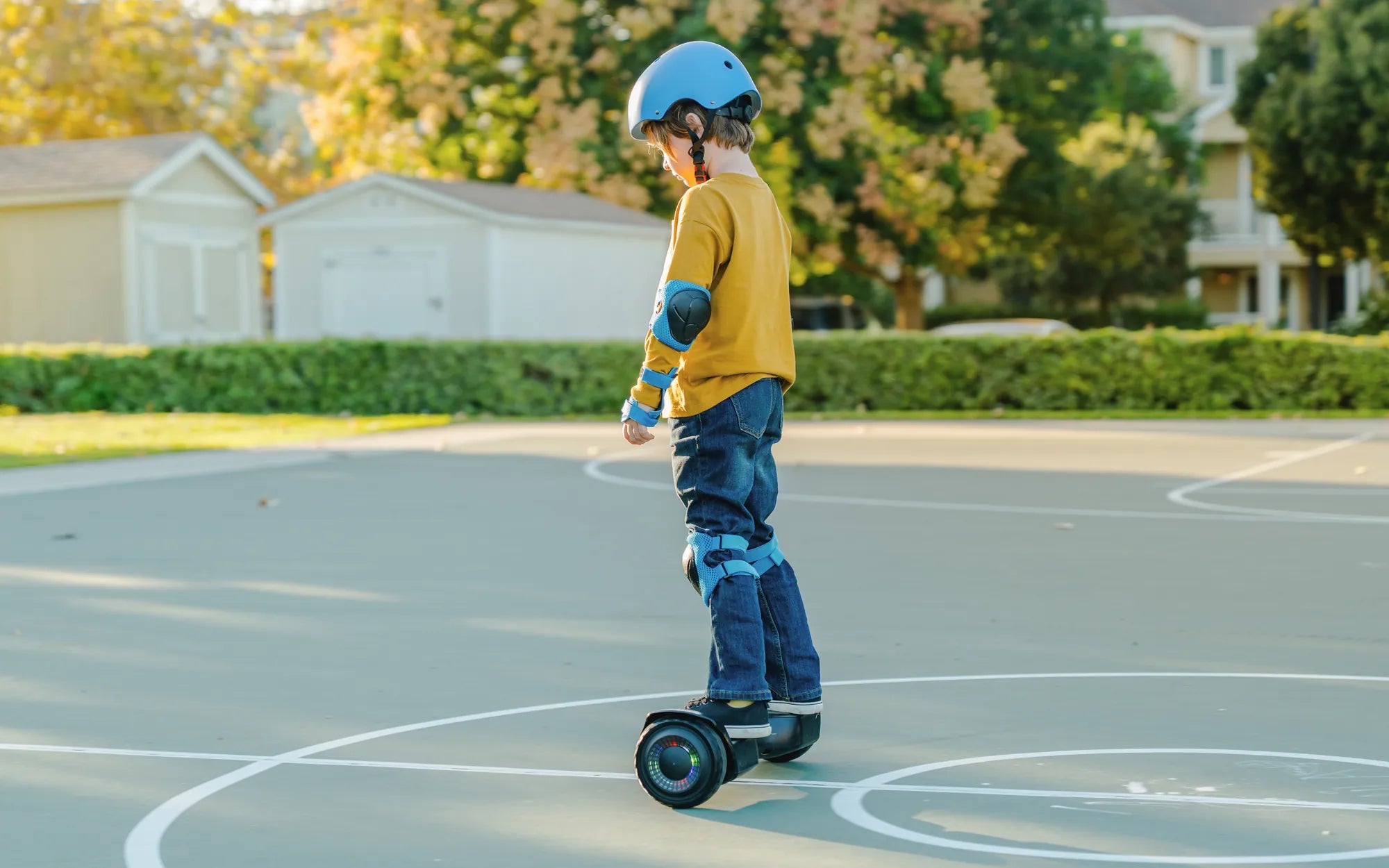
First, safety gear is non-negotiable. A properly fitted helmet is an absolute must. Elbow and knee pads are highly recommended, especially while learning. Choose bright clothing or add reflective stickers to the scooter for visibility. Establish clear rules: ride on smooth sidewalks or paved paths, not on roads; avoid wet, sandy, or gravelly surfaces; and always be aware of driveways and obstacles.
Basic maintenance is simple but crucial. Before each ride, perform a quick check: ensure all bolts (especially on the handlebar clamp and wheels) are tight. Test the brakes to make sure they engage firmly and smoothly. Inspect the wheels for significant wear or cracks. For electric models, follow the manufacturer's charging instructions precisely and store the scooter in a dry place. A well-maintained scooter is a safe scooter, and these few minutes of care can prevent most common issues.
Frequently Asked Questions (FAQ)
Q: What is the ideal weight limit for a scooter for a 6-year-old?
A: Look for a scooter with a weight limit of at least 110-120 pounds. This provides a significant safety margin above your child's current weight, ensures the scooter is built with robust components, and allows for years of use as they grow.
Q: Should I choose a 2-wheel or 3-wheel scooter for my 6-year-old?
A: For a typical 6-year-old, a 2-wheel scooter is the standard and recommended choice. It is ideal for developing balance and coordination. Three-wheel scooters (often two wheels in front) offer more inherent stability and are better suited for younger children (3-5) or those with significant balance concerns. Most 6-year-olds are ready for and will benefit more from a two-wheel model.
Q: How important is an adjustable handlebar?
A> It is one of the most important features for longevity. An easily adjustable handlebar allows you to customize the fit for your child's height, promoting proper riding posture and control. As they grow several inches in a year, this feature extends the scooter's usable life by 2-3 years, making it an excellent value investment.
Q: Are electric scooters safe for 6-year-olds?
A> They can be safe only under strict conditions. The scooter must be specifically designed for young children with a speed limit of 10 mph or less, have reliable brakes and parental controls, and use a UL-certified battery. The child must also demonstrate good judgment, coordination, and a consistent habit of wearing safety gear. For most, a traditional kick scooter remains the safer introductory option.
Q: What maintenance does a kid's scooter need?
A> Regular maintenance is simple: check and tighten bolts every few weeks, ensure the folding mechanism (if present) locks securely, clean dirt from the wheel bearings, and inspect brakes for wear. For electric models, avoid overcharging the battery and keep the charging port dry. Proper care ensures safety and maximizes the scooter's lifespan.
Conclusion: Confidence on Two Wheels
Selecting the perfect scooter for your 6-year-old is an investment in their physical development, confidence, and joy. The right choice prioritizes core safety features—appropriate brakes, a stable deck, and a proper fit—over flashy, non-essential extras. By understanding the differences between scooter types and insisting on durable construction from reputable brands, you secure a toy that will provide lasting value and countless adventures.
Remember, the best scooter for kids 6 years old is one that matches their skill level, can grow with them, and is built to withstand the energetic reality of childhood. It should empower them to explore, learn, and play safely. Brands that commit to certified safety standards, like UL-certified batteries and robust warranties, offer the peace of mind that allows the fun to happen without worry.
Ready to find a scooter engineered for this exact purpose? Explore a range of options designed with young riders' safety and growth in mind. Browse the full Gyroor collection at gyroorboard.com to discover durable, reliable scooters that are built to last.
Electric Hoverboard for Kids: The Ultimate Guide to Fun and Safety
Which Hoverboard Is the Best: Your Guide to the Perfect Ride