



Introduction: Why the Right Scooter Matters for Your 9-Year-Old
Finding the perfect scooter for kids 9 years old is about more than just a birthday gift. At this pivotal age, children are developing crucial motor skills, coordination, and a sense of independent exploration. The right scooter can foster a love for outdoor activity, provide healthy exercise, and build confidence. This guide will navigate you through every critical decision point, from weight limits and wheel types to essential safety gear and responsible riding practices. You'll learn how to evaluate features, compare scooter categories, and make an informed choice that ensures years of safe, enjoyable riding for your child.
Key Features to Evaluate: Beyond Just Looks
Choosing a scooter requires looking past colorful decals. The right combination of technical specifications directly impacts safety, durability, and how well the scooter grows with your child. A model that checks all the right boxes is an investment in long-term fun and security.
Weight Capacity & Frame Durability
The scooter's maximum weight capacity is a non-negotiable safety specification. For a typical 9-year-old, who may weigh between 60 and 90 pounds and often rides with a backpack, a capacity of 120 to 220 pounds is standard. This headroom is crucial for safety and longevity. Frame material is equally important. Aluminum alloy frames offer an excellent strength-to-weight ratio, resisting rust and being easier for a child to maneuver. Heavier steel frames are extremely durable but can make the scooter cumbersome. A robust frame from a reputable brand ensures the scooter can handle jumps, curb drops, and daily use without compromising integrity.
Wheel Size & Type: Smoothness vs. Agility
Wheel choice defines the ride experience. Larger wheels (typically 200mm or more) roll over cracks and pebbles more easily, providing a smoother ride on varied surfaces. They are often paired with air-filled (pneumatic) tires, which offer superior shock absorption but require occasional inflation. Smaller, solid polyurethane (PU) wheels (around 120mm-150mm) are standard on many urban kick scooters. They offer great agility, require zero maintenance, and are ideal for smooth pavement, but transmit more vibration. For a versatile scooter for kids 9 years old, a mid-size wheel (160mm-180mm) with a high-rebound PU core or a hybrid airless tire can be the perfect balance of comfort and responsiveness.
Braking System: Safety as the Top Priority
A reliable, intuitive braking system is the most critical safety feature. The rear fender brake is common on kick scooters; the rider presses down on the rear fender, which contacts the wheel. It's simple but can wear down the tire and offers less modulation. A hand-lever brake, similar to a bicycle brake, provides more controlled, progressive stopping power and is typically found on higher-end kick and electric scooters. For electric models, some combine a hand brake with an electronic brake that uses motor resistance. Regardless of type, test the brakes for responsiveness and ensure your child can operate them comfortably and confidently before riding.
Adjustability & Growth Accommodation
A scooter that fits today should also fit tomorrow. Adjustable handlebar height is an essential feature for a growing 9-year-old. Look for a range that allows the handlebars to be set at or just below waist level for optimal control. A quick-release clamp mechanism makes adjustments easy without tools. Foldability is a major convenience factor for storage in a closet or car trunk. A secure, simple folding mechanism allows the scooter to become compact, making it practical for trips to the park or playdates. These features extend the scooter's usable life, ensuring it remains a favorite for several years.
Safety First: Non-Negotiable Gear and Practices
The safest scooter is only one component of the equation. Establishing and enforcing safety rules and gear is a parent's fundamental responsibility. This proactive approach minimizes risk and builds a foundation for a lifetime of safe riding habits.
Essential Protective Gear: Helmet, Pads, and More
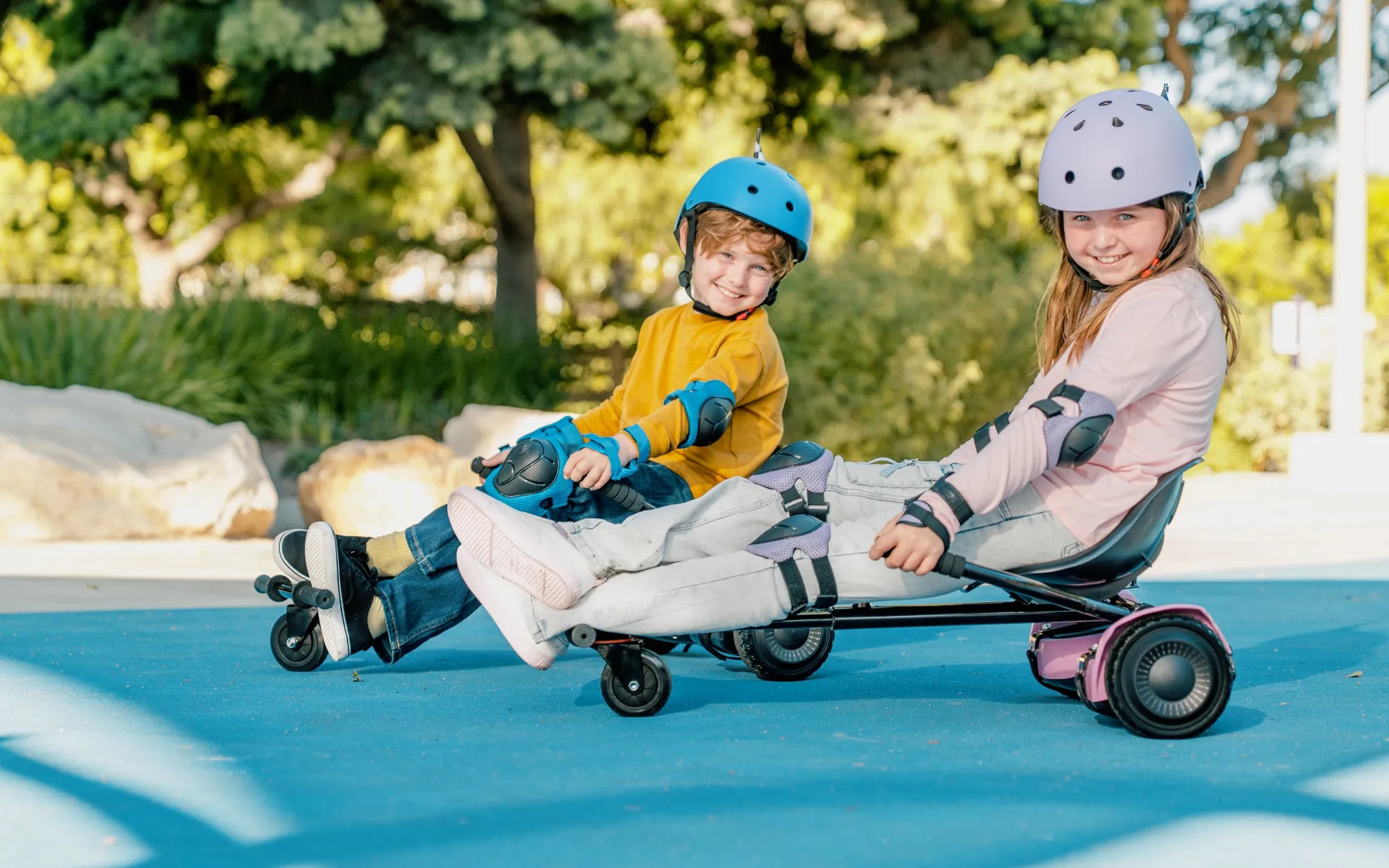
Every ride must begin with proper protective equipment. A CPSC-certified bicycle helmet is mandatory and must fit snugly without rocking. Knee and elbow pads are crucial, as falls often result in impacts to these joints. Wrist guards are highly recommended to prevent common scooter injuries like sprains and fractures. Footwear is also part of the gear; closed-toe shoes with grippy soles are essential for secure footing. Investing in high-quality, comfortable gear increases the likelihood your child will wear it consistently. Make it a non-negotiable rule: no gear, no ride.
Teaching Safe Riding Habits
Before independent riding, dedicate time to supervised practice in a safe, open area like an empty parking lot or driveway. Teach core rules: always be aware of surroundings, avoid wet or sandy surfaces that reduce traction, and stay on sidewalks or designated bike paths away from vehicle traffic. Demonstrate how to scan for driveways, pedestrians, and obstacles. Teach basic hand signals for turning. Emphasize that headphones are a distraction and should not be worn while riding. Setting clear boundaries, like designated riding areas and a prohibition on night riding, creates a safe framework for fun.
Top Scooter Types for 9-Year-Olds: Finding the Perfect Fit
The market offers distinct scooter categories, each suited to different riding styles, environments, and child personalities. Understanding these types is the fastest way to narrow your search to the ideal match for your child's needs and your peace of mind.
Kick Scooters: Classic, Active Fun
The traditional kick scooter remains a fantastic choice. It provides excellent physical exercise, actively developing leg strength, balance, and cardiovascular health. These scooters are typically lightweight, very simple to maintain, and often more affordable. They are perfect for neighborhood cruising, trips to the park, or as a first scooter to master fundamental skills. For an active 9-year-old who enjoys the physical engagement of propelling themselves, a high-quality kick scooter with a durable deck, responsive bearings, and an adjustable handlebar is a timeless and rewarding option.
Electric Scooters: Thrills with Responsibility
An electric scooter can be an exciting option for a mature, responsible 9-year-old with prior riding experience. These models, like those from Gyroor, are engineered with youth safety in mind, featuring governed speed limits (typically 10-15 mph), lower-wattage motors (100-250W), and reliable braking systems. They require a heightened level of safety vigilance, including full protective gear and strict riding rules. The convenience of electric power allows for longer rides without fatigue. It is critical to choose a model from a brand that prioritizes safety with features like UL-certified battery packs and robust construction, ensuring the thrill of the ride is matched by built-in security.
Off-Road & Three-Wheel Scooters: For Stability and Adventure
For children seeking stability or adventure, specialized designs excel. Three-wheel scooters (with two wheels in front) offer exceptional balance, making them ideal for beginners or kids who lack confidence on two wheels. They provide a very stable platform for learning. Conversely, off-road-style scooters are built for exploration. They feature larger, air-filled pneumatic tires, enhanced suspension, and a more rugged frame to handle grass, dirt paths, gravel, and uneven pavement. This type is perfect for the adventurous 9-year-old who wants to ride beyond the smooth sidewalk and explore varied terrain with greater comfort and control.
Performance and Specification Comparison
This table provides a clear, data-driven comparison of the primary scooter types suitable for a 9-year-old, highlighting their key characteristics to aid in decision-making.
| Type | Ideal For | Typical Speed | Key Features | Maintenance Level |
|---|---|---|---|---|
| Kick Scooter | Active play, skill development, short commutes | Human-powered (varies) | Lightweight, adjustable bars, PU wheels, fender brake | Low (bearing check, bolt tightening) |
| Electric Scooter | Mature riders, longer distances, tech enthusiasts | 10-15 mph (governed) | UL-certified battery, hand brake, LED lights, app connectivity (some) | Medium (battery care, brake checks) |
| Off-Road/3-Wheel | Beginners (3-wheel) or terrain exploration (off-road) | Varies (Kick or Electric) | Pneumatic tires, suspension, wide deck, enhanced stability | Medium-High (tire pressure, suspension) |
Maintenance and Care for Longevity
A well-maintained scooter is a safer, longer-lasting scooter. Establishing simple care routines can prevent accidents and extend the product's life significantly. Regular maintenance is also a great way to teach your child responsibility for their belongings.
Perform a quick pre-ride check: ensure all bolts and clamps (especially on the folding mechanism and handlebars) are tight. Inspect wheels for significant wear or cracks, and check that brakes engage firmly and evenly. For electric scooters, follow the manufacturer's charging guidelines—avoid leaving the battery fully depleted or at 100% charge for extended periods. Store the scooter in a dry place, away from extreme temperatures. For models with pneumatic tires, keep them inflated to the recommended PSI. Cleaning the deck and wheels periodically prevents grime buildup that can affect performance.
Why Brand Reputation and Warranty Matter
In a crowded market, a brand's reputation is a proxy for quality, safety, and customer support. Established brands invest in rigorous testing, quality materials, and adhere to higher safety standards. They also stand behind their products with substantive warranties and accessible customer service.
For example, Gyroor is a leading electric mobility brand trusted by over 100,000 riders. Their commitment is evidenced by the use of UL-certified battery packs in all models—a critical safety benchmark that prevents fire hazards—and IPX5 water-resistant designs that protect against rain and puddles. A comprehensive 1-year warranty, backed by US-based support, provides parents with significant peace of mind, ensuring any issues are resolved promptly. Choosing a reputable brand means investing in a product engineered for durability and supported by a company that values its customers' safety and satisfaction.
Frequently Asked Questions (FAQs)
What is the appropriate wheel size for a 9-year-old?
For most 9-year-olds, wheel sizes between 120mm and 200mm are appropriate. Smaller wheels (120mm-150mm) offer quick acceleration and agility on smooth surfaces. Larger wheels (180mm-200mm) provide a smoother ride over bumps and cracks. A mid-size wheel around 160mm-180mm often provides the best balance of speed, comfort, and control for this age group.
Are electric scooters safe for a 9-year-old?
Electric scooters can be safe for a responsible, mature 9-year-old who has already mastered riding a kick scooter and understands safety rules. Key factors include choosing a youth-model with a governed speed limit (max 15 mph), ensuring the child always wears full protective gear, and establishing strict parental supervision and riding boundaries. The scooter itself must have reliable brakes and be from a reputable brand with strong safety certifications.
How much should I expect to spend on a quality scooter?
For a durable, feature-rich kick scooter from a reputable brand, expect to spend between $50 and $150. For a quality electric scooter designed for youth, with important safety features like a UL-certified battery and good construction, the price range is typically between $200 and $400. Investing in this range ensures better materials, safety, and longevity, avoiding the risks associated with poorly made alternatives.
Why are features like a UL-certified battery or IP rating important?
A UL-certified battery has undergone independent, rigorous testing for electrical and fire safety. This is a critical feature for any electric scooter, especially for children, as it significantly reduces the risk of battery-related hazards. An IPX5 water-resistant rating means the scooter can withstand water jets from any direction, protecting its electrical components from rain, puddles, and splashes. This enhances durability and allows for more versatile use in various weather conditions.
Can the scooter handle my child's growth over the next few years?
Yes, if you select a model with key growth-accommodating features. The most important is an adjustable handlebar height with a wide range (often 30-40 inches from the deck). This allows you to raise the bars as your child grows. Additionally, choosing a scooter with a weight capacity significantly above your child's current weight (e.g., 180-220 lbs) ensures the frame and components will remain safe and functional for years to come.
Conclusion: Confidence on Two Wheels
Selecting the ideal scooter for kids 9 years old is a thoughtful process that balances your child's skill, personality, and your requirements for safety and value. By prioritizing durable construction, appropriate features like adjustable handlebars and reliable brakes, and never compromising on certified protective gear, you create the foundation for countless hours of healthy, outdoor enjoyment. Choosing a trusted brand that combines innovation with proven safety standards, such as Gyroor with its UL-certified batteries and robust warranty, is an investment in fun and peace of mind. Ready to explore models that deliver performance, safety, and lasting quality for your young rider? Browse the full Gyroor collection at gyroorboard.com to find the perfect ride for your child's next adventure.
Hoverboard Green: The Future of Eco-Friendly Personal Transportation
Best Self Balancing Scooter: The Ultimate Guide to Choosing the Perfect Ride