



Introduction: Why the Right Scooter Matters for Your 3-5 Year Old
The preschool years, ages 3 to 5, are a period of explosive physical and cognitive development. Introducing a scooter at this stage is about far more than a new toy; it's a tool for building foundational motor skills, spatial awareness, and self-confidence. Choosing the correct scooter for kids ages 3-5 is a critical decision that directly impacts safety, learning success, and the sheer joy of independent mobility.
An appropriately designed scooter fosters balance, coordination, and leg strength. It teaches cause-and-effect through steering and braking, while outdoor play promotes healthy habits. Conversely, a poorly suited scooter can lead to frustration, falls, and a reluctance to try again. This guide cuts through the clutter, providing data-driven insights to help you select a scooter that aligns perfectly with your child's developmental stage.
We'll analyze the non-negotiable features, compare design philosophies, and outline proven learning techniques. As a leader in youth mobility, Gyroor engineers its products with these precise developmental milestones in mind, ensuring that a child's first riding experience is both secure and empowering. The journey to confident riding starts here.
Key Features to Look for in a Scooter for Kids Ages 3-5
Selecting a scooter for this age group requires a focus on stability, adjustability, and durability. These features are not mere bonuses; they are essential for a safe and positive learning curve. Let's break down each component and its importance.
Stability and Balance: The 3-Wheel Design Imperative
For children ages 3-5, a 3-wheel scooter is the unequivocal standard. The most common and recommended configuration is two wheels in the front and one in the rear. This triangular base provides a stable platform that prevents lateral tipping, allowing the child to focus on the mechanics of pushing, gliding, and basic steering before mastering dynamic balance.
Data from pediatric physical therapists suggests that the core stability and gross motor skills required for a two-wheeled scooter are typically not consolidated until age 5 or 6 for most children. A 3-wheel scooter bridges this gap, offering a "training wheels" effect for scootering. It builds confidence incrementally, making the eventual transition to two wheels smoother and safer.
Adjustable Handlebar Height: Growing with Your Child
Children in this age range can grow several inches in a year. A fixed-height scooter can quickly become uncomfortable and force poor posture, hindering control. An easily adjustable T-bar handlebar is crucial. Look for a mechanism that requires no tools, allowing quick height changes from approximately 20 to 30 inches.
The proper fit is achieved when the child stands on the deck with hands on the grips: their elbows should have a slight, comfortable bend of about 15-20 degrees. This position allows for optimal steering leverage and control without causing hunching or overreaching, which can lead to fatigue and instability.
Deck Size, Weight, and Portability
The deck should be low to the ground to lower the center of gravity and make stepping on and off easy. A wider deck (5+ inches) provides ample space for both feet during gliding. The scooter's overall weight is a critical but often overlooked factor.
A lightweight scooter, primarily constructed from aircraft-grade aluminum alloy, is ideal. It should be light enough for a 3-year-old to maneuver and lift slightly, yet sturdy enough to support up to 50-65 lbs. without flexing. For parents, a weight under 5-6 lbs. makes it easy to carry when little legs get tired.
Wheel Material and Size: Ensuring a Smooth Ride
Wheel quality dictates ride smoothness and vibration dampening. Avoid hard plastic wheels, which are loud, provide poor traction, and transmit every sidewalk crack to the rider. Instead, seek out larger (120mm to 145mm) polyurethane (PU) wheels.
Softer, larger PU wheels offer superior shock absorption, ensuring a quieter, more comfortable ride on typical pavement. They also provide better grip for safer braking and turning. Some premium models, like those from Gyroor, incorporate high-rebound PU and sealed bearings for a remarkably smooth glide that encourages longer play.
Safety First: Non-Negotiables for Your Young Rider
Safety is the paramount concern when selecting any riding toy. For a scooter for kids ages 3-5, safety must be engineered into the design and reinforced through practice and gear. This section outlines the built-in features and essential habits that create a protected riding environment.
Built-In Safety Design: Lean-to-Steer Mechanism
The most significant safety feature on a beginner 3-wheel scooter is the lean-to-steer (or incline-to-turn) system. Instead of turning the handlebars like a bicycle, the child steers by leaning their body weight to the left or right. The front wheels, connected by a special pivot, turn in response to this lean.
This design is inherently safer for beginners. It prevents the over-steering and sudden, sharp turns that can cause a child to lose balance and fall. The turning radius is naturally limited and proportional to the child's lean, making steering intuitive and balanced. It effectively teaches the core body mechanics of turning before introducing the complexity of handlebar rotation.
The Importance of a Reliable Braking System
Learning to stop is as important as learning to go. The standard and most effective brake for this age group is the rear fender brake. The child presses down on the extended rear fender with their back foot, creating friction against the rear wheel to slow and stop.
A good fender brake should engage smoothly and progressively, not lock up abruptly. Parents should practice this motion with the child while the scooter is stationary, emphasizing that it is a "push-down" action. Mastery of this brake builds crucial risk-assessment and motor control skills, giving both child and parent confidence.
Mandatory Gear: Helmets, Pads, and Supervision
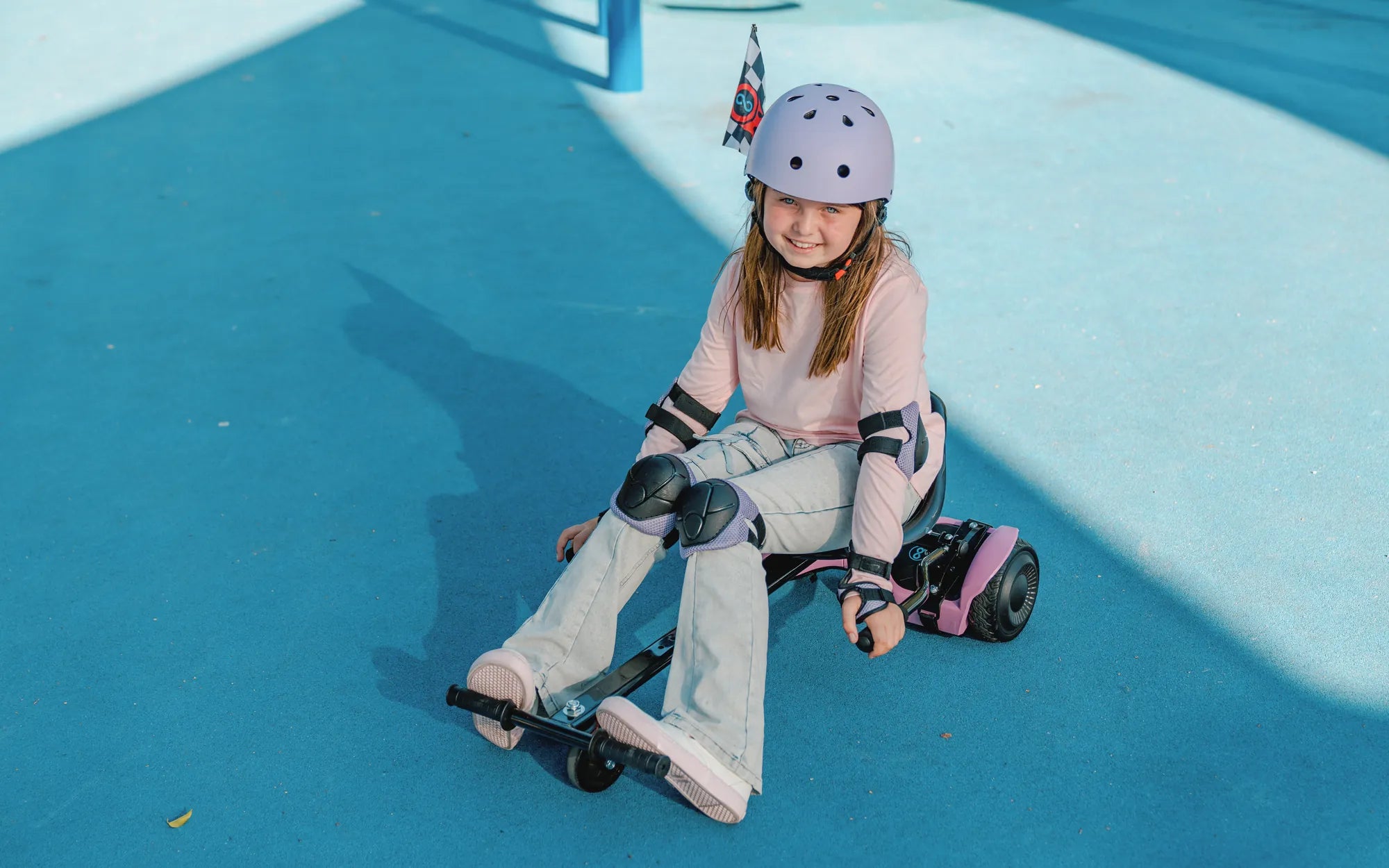
No scooter ride should begin without proper safety gear. This is non-negotiable. A CPSC-certified bicycle helmet is the absolute minimum. It must fit snugly, sitting level on the head and covering the forehead. Knee and elbow pads are highly recommended, especially during the learning phase, to prevent scrapes and bruises.
Furthermore, always insist on closed-toe shoes with good grip. Supervision is essential: choose practice areas that are flat, smooth, and free from vehicle traffic, such as empty parking lots, paved pathways, or smooth driveways. Establish these rules from the very first ride to instill lifelong safe riding habits.
Comparing Scooter Types: A Data-Driven Decision Guide
Understanding the different scooter designs available is key to matching a product to your child's specific readiness and your priorities. The table below provides a clear, objective comparison.
| Feature | 3-Wheel (2 Front/1 Rear) Lean-to-Steer | 3-Wheel (1 Front/2 Rear) Traditional Steer | 2-Wheel Kick Scooter |
|---|---|---|---|
| Ideal Age | Ages 3-5 (Beginners) | Ages 4-6 (Some beginner experience) | Ages 5+ (Good balance required) |
| Primary Stability | Excellent - Very hard to tip sideways | Good - Stable but can tip if turned sharply | Fair - Requires active balancing |
| Steering Mechanism | Lean-to-Steer (Incline) | Traditional Handlebar Turn | Traditional Handlebar Turn |
| Learning Curve | Gentlest - Focus on push/glide | Moderate - Must coordinate turning | Steep - Must master balance |
| Best For | First-time riders, building core confidence | Kids ready to learn traditional steering | Older kids transitioning to bikes/skateboards |
| Longevity | 2-3 years, then often outgrown | 2-3 years | Longer, if adjustable |
As the data shows, the 3-wheel lean-to-steer scooter is the optimal and safest starting point for the 3-5 age bracket. It isolates and develops the fundamental skills without the added challenge of managing balance or complex steering.
Why Choose a Gyroor Scooter for Your Preschooler?
When the criteria of stability, safety, and durability are applied rigorously, Gyroor's design philosophy stands out. Trusted by over 100,000 riders, the brand's commitment to safety-certified engineering makes it a premier choice for a child's first scooter.
Durability Built for Play: Materials and Construction
Gyroor utilizes premium aluminum alloy frames that achieve an optimal strength-to-weight ratio. This means the scooter can withstand the bumps, drops, and daily adventures of an energetic preschooler without becoming a burden for them to handle. The decks are reinforced, and all components are subject to rigorous stress testing, ensuring the product lasts through years of active play.
Safety-Certified and Thoughtfully Engineered
Every design decision prioritizes the young rider. The stable 3-wheel base and intuitive lean-to-steer mechanism are implemented to perfection, providing that crucial safe-start experience. Furthermore, Gyroor incorporates IPX5 water-resistant designs, allowing for worry-free play on damp pavement, and uses only UL-certified battery packs in its electric models, ensuring the highest standard of power safety for families.
Peace of Mind for Parents: Warranty and Support
Investing in a Gyroor scooter comes with the assurance of a reliable 1-year comprehensive warranty. This commitment signals confidence in the product's longevity and performance. Coupled with accessible customer support, it provides parents with tangible peace of mind, knowing the brand stands behind a product during a child's crucial early riding years.
Getting Started: Tips for First Rides and Skill Building
A successful first experience sets the tone for all future riding. Follow this structured progression to build skills confidently and safely.
Setting Up the Scooter: Proper Height and Pre-Ride Check
Before the first push, ensure the scooter is correctly configured. Adjust the handlebar to the proper height (elbows slightly bent). Perform a quick safety check: ensure all bolts are tight, the wheels spin freely without wobble, and the fender brake engages firmly and smoothly. This simple routine teaches the child the importance of equipment checks.
The Learning Progression: From Walking to Gliding
Break down the skill into manageable stages. Start by having the child simply walk with the scooter between their legs, getting a feel for its weight and handling. Next, practice the "kick-push" motion: standing with one foot on the deck and using the other to push off the ground. Celebrate short, balanced glides with both feet on the deck. Only after this is comfortable, introduce gentle leaning to turn and practice using the brake to stop.
Making it Fun: Games and Practice Ideas
Incorporate play to reinforce skills. Use sidewalk chalk to draw a winding "river" path they must stay within to practice steering control. Play "Red Light, Green Light" to drill braking responsiveness. Set up simple, wide slalom courses using cones or toys. Keeping sessions short, positive, and game-based ensures your child associates the scooter with fun and looks forward to each ride.
Frequently Asked Questions (FAQs)
Q: Is my 3-year-old ready for a scooter?
A: Readiness signs include the ability to walk and run steadily, follow simple two-step instructions, and demonstrate an interest in wheeled toys. If they show these signs, a stable 3-wheel, lean-to-steer scooter is the perfect starting point to develop their skills safely.
Q: How do I know if the handlebar height is correct?
A: The best test is the "elbow check." With the child standing on the deck, their hands on the grips should be at or just below hip level, with elbows bent at a 15-20 degree angle. This allows for control without hunching.
Q: What's the main difference between a 2-wheel and 3-wheel scooter for this age?
A: The core difference is balance. A 3-wheel scooter provides static stability, allowing the child to learn propulsion and steering mechanics first. A 2-wheel scooter requires dynamic balance from the outset, a skill typically mastered later. For ages 3-5, a 3-wheel model is strongly recommended.
Q: Are electric scooters safe for a 5-year-old?
A: Electric scooters introduce speed and a throttle, requiring advanced motor control and judgment. Most experts recommend waiting until at least age 8. For ages 3-5, a traditional kick scooter is ideal for developing fundamental balance and coordination without unnecessary risk.
Q: Are Gyroor scooters easy to assemble?
A> Yes. Gyroor designs its youth scooters for quick, tool-free assembly. Typically, it involves only attaching the handlebar to the deck and tightening a single clamp or mechanism, getting your child riding in a matter of minutes.
Embarking on a Journey of Fun and Growth
Selecting the right scooter for kids ages 3-5 is an investment in your child's physical development, confidence, and joy. By prioritizing a stable 3-wheel design, adjustable features, and inherent safety engineering like the lean-to-steer mechanism, you lay the foundation for a positive and secure riding experience. This journey is about more than mobility; it's about fostering a love for outdoor play, building resilience through small challenges, and creating cherished childhood memories.
The skills learned on a well-chosen scooter—balance, coordination, risk assessment—become building blocks for future activities like biking and skating. By choosing a brand like Gyroor, you gain the assurance of durable construction, thoughtful design, and reliable support, allowing you to focus on the excitement in your child's eyes as they master each new glide. Ready to start this adventure? Explore the collection of expertly designed, safety-first scooters built to empower your young rider. Browse the full Gyroor collection at gyroorboard.com.
Hoverboard for Kids Price: A Comprehensive Guide to Finding the Best Deal
Hoverboard for Kids Price: A Comprehensive Guide to Finding the Best Deal