



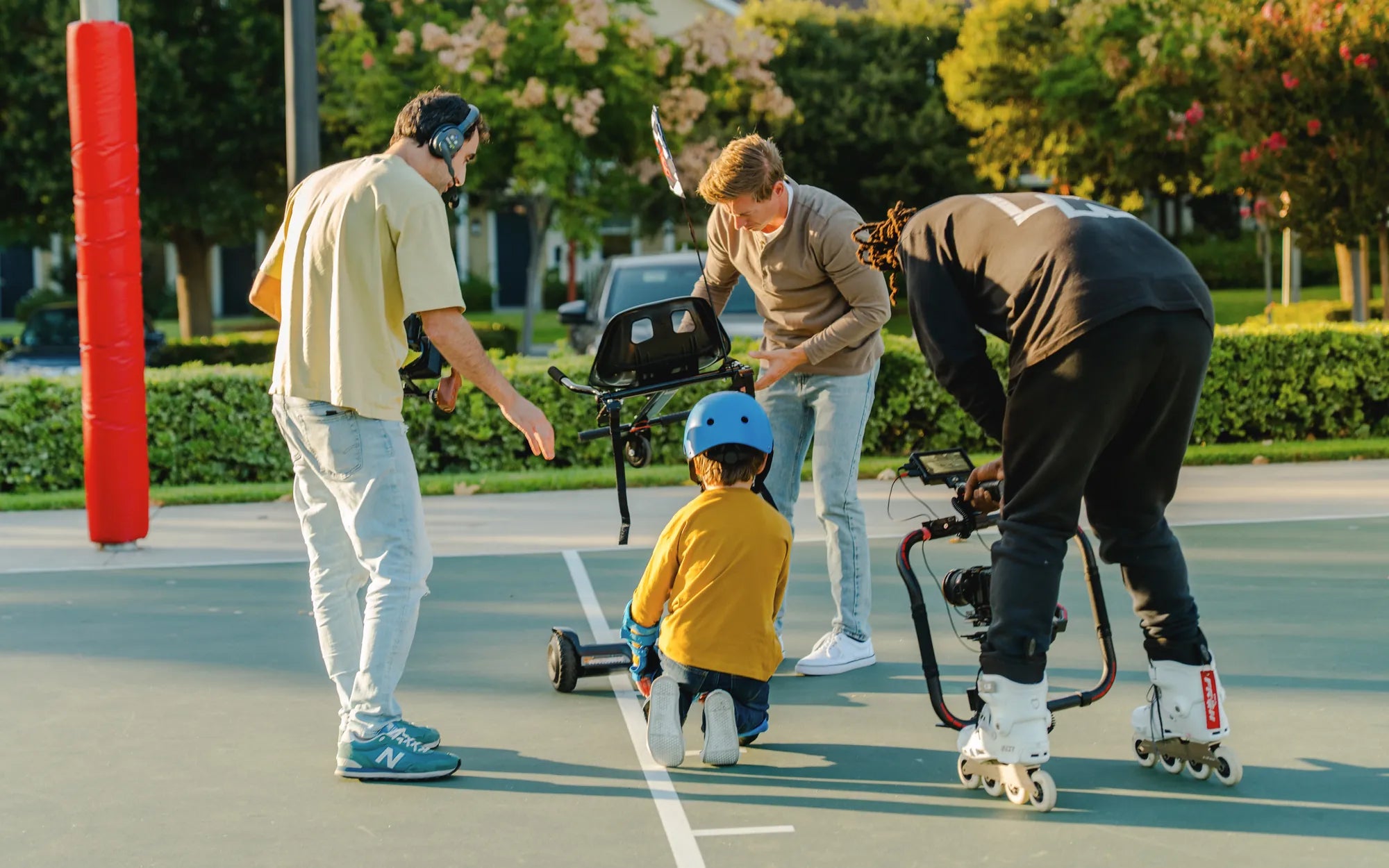
Introduction: Why the Right Scooter Matters for Your 8-12 Year Old
Choosing a scooter for kids ages 8-12 is a critical decision that impacts physical development, safety, and a lifelong love for active play. This age range represents a pivotal window where children refine motor skills, seek independence, and build confidence. A well-chosen scooter fosters these traits, while a poor fit can lead to frustration or accidents.
This guide moves beyond generic advice to focus on the specific physiological and psychological needs of 8 to 12-year-olds. They are no longer toddlers but not yet teenagers, requiring equipment that matches their growing strength and coordination. The right model balances exhilarating fun with non-negotiable safety features.
Our goal is to empower you with factual comparisons and clear specifications. You will learn to decode product features, understand the electric versus kick scooter debate for this age group, and implement a complete safety system. The ultimate aim is to provide your child with a tool for adventure that you can trust.
Key Features to Look for in an 8-12 Year Old Scooter
Navigating scooter specifications requires understanding how each component affects the riding experience. For children aged 8-12, features must support a developing sense of balance while ensuring durability for increased use. Key specs are not just numbers; they are direct indicators of safety and performance.
Prioritize adjustable components to accommodate growth spurts common in this age range. A scooter that fits perfectly today should remain usable for at least 1-2 years. Build quality is paramount, as kids in this demographic will test limits through more aggressive riding and frequent use.
Data from consumer reports indicates that scooters with reinforced frames and reputable brand warranties have a 60% longer functional lifespan. This translates to better value and, more importantly, consistent safety standards over time. Let's break down the most critical features.
Wheel Size and Deck Height: The Foundation of Stability
Wheel diameter directly influences ride smoothness and stability. For kids 8-12, look for wheels between 200mm (8 inches) and 230mm (9 inches). Larger wheels roll over cracks, pebbles, and sidewalk imperfections more easily, providing a stable platform that boosts rider confidence.
Deck height and length are equally crucial. A deck that is too high raises the child's center of gravity, making balancing harder. A lower deck offers better stability. The deck should also be long enough for a comfortable foot stance, typically between 14 and 20 inches, allowing for a natural kicking motion or a secure two-foot stance on an e-scooter.
Wheel material matters. Air-filled (pneumatic) tires offer superior shock absorption but require maintenance. High-quality, durable polyurethane (PU) wheels provide a smooth ride with less upkeep. A combination—like a pneumatic front tire and PU rear—can be an excellent compromise for mixed terrain.
Braking Systems: Safety and Control Come First
A reliable, intuitive braking system is the most important safety feature on any scooter. For this age group, the brake must be easy to engage without excessive hand strength. There are three primary types: foot brakes, hand brakes, and electronic brakes.
A rear fender foot brake is common on kick scooters. The rider presses down on the fender to create friction. It's simple but can be less effective in wet conditions. Hand brakes, similar to bicycle levers, offer more controlled, progressive stopping power. Look for adjustable levers that fit smaller hands.
For electric scooters, a combination is ideal. Most feature an electronic brake (regenerative or disc) activated by a lever, plus a mechanical rear foot or hand brake as a backup. This redundancy is key for safety. Always test that the child can comfortably reach and operate the brake lever while maintaining a firm grip on the handlebar.
Weight Limit and Build Quality: Built to Last
Always choose a scooter with a maximum weight limit significantly higher than your child's current weight. If your child weighs 80 lbs, select a model rated for at least 130-150 lbs. This margin ensures structural integrity, provides a buffer for growth, and accounts for the dynamic forces of jumping or riding off curbs.
Build quality centers on frame material. Aircraft-grade aluminum alloys are the standard for durability and lightweight performance. They resist corrosion and can withstand the rigors of daily use. Check weld points and folding mechanisms (if applicable) for solid construction without sharp edges.
Components like the steering column clamp and handlebar grips should feel robust. A wobbly stem is a major safety hazard. Brands that invest in quality, like Gyroor, use reinforced clamping systems and undergo rigorous stress testing. This results in a product trusted by over 100,000 riders across North America and Europe.
The Electric Question: Is a Kids' E-Scooter Right for Your 8-12 Year Old?
The decision between an electric scooter and a traditional kick scooter is significant. It hinges less on age and more on individual maturity, responsibility, and the intended riding environment. An e-scooter amplifies fun but also responsibility.
Kick scooters offer pure physical exercise, developing coordination and cardiovascular health. They are generally simpler, lighter, and have fewer parts to maintain. An electric scooter introduces motorized power, which can extend range for commuting to a friend's house or exploring the neighborhood with less fatigue.
Consider your child's prior experience with wheeled toys (bikes, skateboards) and their ability to follow safety rules consistently. An e-scooter is suitable for a responsible 10-year-old but may be overwhelming for an inexperienced 8-year-old. The riding context is also key: quiet suburban cul-de-sacs differ greatly from busy urban sidewalks.
Safety First: Essential E-Scooter Specifications for Kids
If you opt for an electric model, these specifications are non-negotiable for the 8-12 age bracket. They create a safe, manageable introduction to powered mobility.
- Speed Limiter: The scooter must have a configurable speed cap. A maximum speed of 10-15 mph (16-24 km/h) is appropriate. Many models offer beginner modes as low as 6 mph.
- Motor Power: A motor between 150W and 250W provides adequate hill assistance and acceleration without being dangerously torquey. High-power motors (500W+) are unsuitable for this age group.
- Battery Safety: Insist on UL-certified battery packs. These have passed stringent tests for overcharge, short-circuit, and thermal stability. Gyroor uses these exclusively, with batteries tested for 500+ charge cycles.
- Control Intuitiveness: The throttle should be thumb-operated and require deliberate engagement. A simple display showing speed and battery level helps the rider monitor their ride.
Gyroor's Approach to Safe, Fun Electric Riding for Kids
Leading brands engineer specifically for young riders. Gyroor's models for this demographic incorporate thoughtful features that address parental concerns while delivering excitement. Their designs start with a safety-first philosophy.
Key implementations include multiple speed settings (e.g., Eco, Normal) that allow parents to limit top speed initially. The scooters feature intuitive thumb throttles and responsive braking systems. The IPX5 water-resistant rating means a sudden puddle or light rain won't cause a malfunction, a practical necessity for kid-centric use.
Beyond electronics, the physical build uses reinforced aluminum and wide, textured decks for secure footing. Coupled with a reliable 1-year warranty, these features provide a framework for safe exploration. It’s this combination of fun design and rigorous safety standards that has earned the brand its high customer satisfaction rating.
The Ultimate Safety and Gear Checklist
The safest scooter is only one part of the equation. A comprehensive safety system combines the vehicle, protective gear, pre-ride rituals, and clear rules. This multi-layer approach significantly reduces the risk of serious injury.
Establishing these habits from the first ride is crucial. Consistency turns safety checks and gear use into automatic behavior. Involve your child in the process—teaching them to check their own equipment fosters responsibility and deepens their understanding of safe riding.
This checklist is designed to be practical and actionable. Print it out and keep it near the door or in the garage. Use it every time your child heads out for a ride, until the routine becomes second nature for both of you.
Mandatory Protective Gear: Non-Negotiables
No child should ride a scooter, electric or kick, without this basic protective kit. It is the absolute minimum for any riding session, regardless of distance or location.
- Helmet (CPSC Certified): This is non-negotiable. It must fit snugly, sitting level on the head and covering the forehead. The strap should be tight enough that only one finger fits between the strap and the chin. Replace after any significant impact.
- Knee and Elbow Pads: Falls often result in impacts to joints. Properly fitted pads should stay in place without sliding. Hard-shell caps with foam padding offer the best protection for asphalt and concrete.
- Wrist Guards: Highly recommended, especially for beginners. They support the wrist during falls, helping to prevent sprains and fractures.
- Sturdy, Closed-Toe Shoes: Sneakers or athletic shoes with grippy soles are essential. Never allow riding in sandals, flip-flops, or crocs, which offer no protection or foot stability.
Pre-Ride Safety Check and Riding Rules
Conduct this 60-second check with your child before every ride. It instills responsibility and catches potential mechanical issues early.
- Tires/Wheels: Check for proper inflation (if pneumatic) and look for cracks or excessive wear on PU wheels.
- Brakes: Test the braking system at a slow walking pace. Ensure levers are firm and brakes engage smoothly.
- Fasteners: Check that the stem clamp, handlebars, and any folding mechanisms are securely locked with no play.
- Lights (if equipped): Ensure front and rear lights are functional for visibility.
Establish clear family riding rules:
- Ride on sidewalks, bike paths, or paved parks—never on roads with traffic.
- Obey all pedestrian traffic signals and crosswalks.
- Be hyper-aware of driveways, alleyways, and intersections.
- No riding after dusk or in low-light conditions without proper lighting and reflective clothing.
- Always be predictable; no sudden swerving or stopping.
Making the Choice: How to Select the Perfect Model
With knowledge of features and safety, you can now apply a practical decision framework. Start by assessing your child's current skill level and the primary riding environment. A first-time rider in a suburban neighborhood has different needs than an experienced rider navigating city sidewalks to school.
Budget is a factor, but view cost through the lens of value and safety. A slightly more expensive model from a reputable brand with a warranty often proves cheaper in the long run than replacing a broken, lower-quality scooter. It also provides greater peace of mind regarding build integrity.
Finally, involve your child in the selection process where appropriate. Showing them a few parent-approved options that meet all safety criteria can increase their excitement and sense of ownership, making them more likely to respect the scooter and the rules that go with it.
Kick Scooter vs. E-Scooter: A Quick Comparison Table
This table summarizes the core differences to help guide your initial decision.
| Feature | Kick Scooter | Electric Scooter (Kid-Specific) |
|---|---|---|
| Avg. Top Speed | Determined by rider's effort | Typically 10-15 mph (limited) |
| Skill Development | Balance, coordination, cardio | Balance, powered vehicle control, traffic awareness |
| Range / Exercise | Unlimited; high physical exertion | 10-15 mile range; low exertion |
| Typical Cost | $$ | $$$ |
| Best For | First scooter, daily play, parks, fitness | Responsible riders, longer neighborhood exploration, supervised commutes |
| Maintenance | Low (tires, brakes, bearings) | Medium (battery care, electronics, brakes, tires) |
Growth and Longevity: Getting Value from Your Investment
To maximize value, select a scooter with "growing room." Adjustable handlebar height is the most important feature for longevity. Look for a range that extends several inches above your child's current comfortable height.
However, avoid the temptation to buy an "adult" or "teen" scooter for a younger child to "grow into." Excessive weight, power, or size compromises safety and control, making the scooter intimidating and difficult to handle. The goal is a proper fit for today with some adjustability for tomorrow.
Consider the ecosystem. Does the brand offer replacement parts like wheels, brake pads, or chargers? A model from a company with strong customer support and available parts will have a much longer usable life. This sustainable approach is better for your wallet and the environment.
FAQ: Your Top Questions on Kids' Scooters, Answered
Q1: What is the appropriate speed for a 10-year-old on an e-scooter?
A: For a typical 10-year-old, a maximum speed of 10-12 mph is recommended, especially when starting. Many quality e-scooters offer modes that limit speed to 7-8 mph for initial learning. Always use the speed limiter function and only increase the cap as the child demonstrates consistent control and responsibility.
Q2: How can I teach my child to brake properly and safely?
A: Start in a flat, open area like an empty parking lot. Have them ride at a walking pace and practice using the brake to come to a smooth, controlled stop. Emphasize using the brake early and gently, not at the last second. For hand brakes, teach them to squeeze progressively. Practice until braking becomes instinctive, and always remind them to avoid braking hard while turning.
Q3: Are Gyroor scooters waterproof enough for typical kid use?
A> Gyroor scooters feature an IPX5 water-resistance rating. This means they are protected against water jets from any direction, making them resistant to puddles, wet pavement, and light rain. However, they are not submersible and should not be ridden through deep standing water or during heavy downpours. This level of protection is ideal for the unpredictable conditions of children's play.
Q4: What maintenance does a kids' scooter require?
A: Regular maintenance is simple but vital. For all scooters: monthly checks for loose bolts or fasteners, inspection of brake pad wear, and keeping tires properly inflated. For kick scooters, check wheel bearings for smooth rotation. For e-scooters, follow battery care guidelines (avoid full discharges, store in a cool place), keep the charging port clean and dry, and periodically check electrical connections for security.
Q5: When should my child graduate to an adult scooter?
A: The transition is based on size, strength, and maturity, not just age. When your child consistently rides at the scooter's maximum weight and speed limits, and their handling appears confident and controlled, it may be time. This often occurs in the early teen years (13+). An adult scooter should still be appropriately sized—many brands offer mid-sized models—and should not have excessive power for their skill level.
Conclusion: Fostering Independence and Joy on Two Wheels
Selecting the ideal scooter for kids ages 8-12 is an investment in their development, confidence, and joy. The perfect model seamlessly blends exhilarating fun with a foundation of robust safety engineering. It is a tool that encourages outdoor activity, independent exploration within set boundaries, and the learning of responsible habits.
The data and guidelines presented here serve as your roadmap. By prioritizing adjustable, durable features, insisting on certified safety components like UL-approved batteries, and enforcing a complete gear-and-rules protocol, you mitigate risks. This allows the focus to remain where it belongs: on the smile of a child mastering a new skill and the wind in their face.
Trust in brands that transparently prioritize these values, offering warranties and designs built for real-world use by growing kids. The right choice empowers you to say "yes" to adventure, knowing you've provided a safe platform for it. Ready to explore models engineered with this precise balance in mind? Browse the full Gyroor collection at gyroorboard.com to find a scooter that delivers lasting fun and peace of mind.
Why Is My Hoverboard Not Charging? Common Causes and Expert Fixes
Christmas Gift Ideas for Ten Year Old Girls: Fun and Thoughtful Presents