



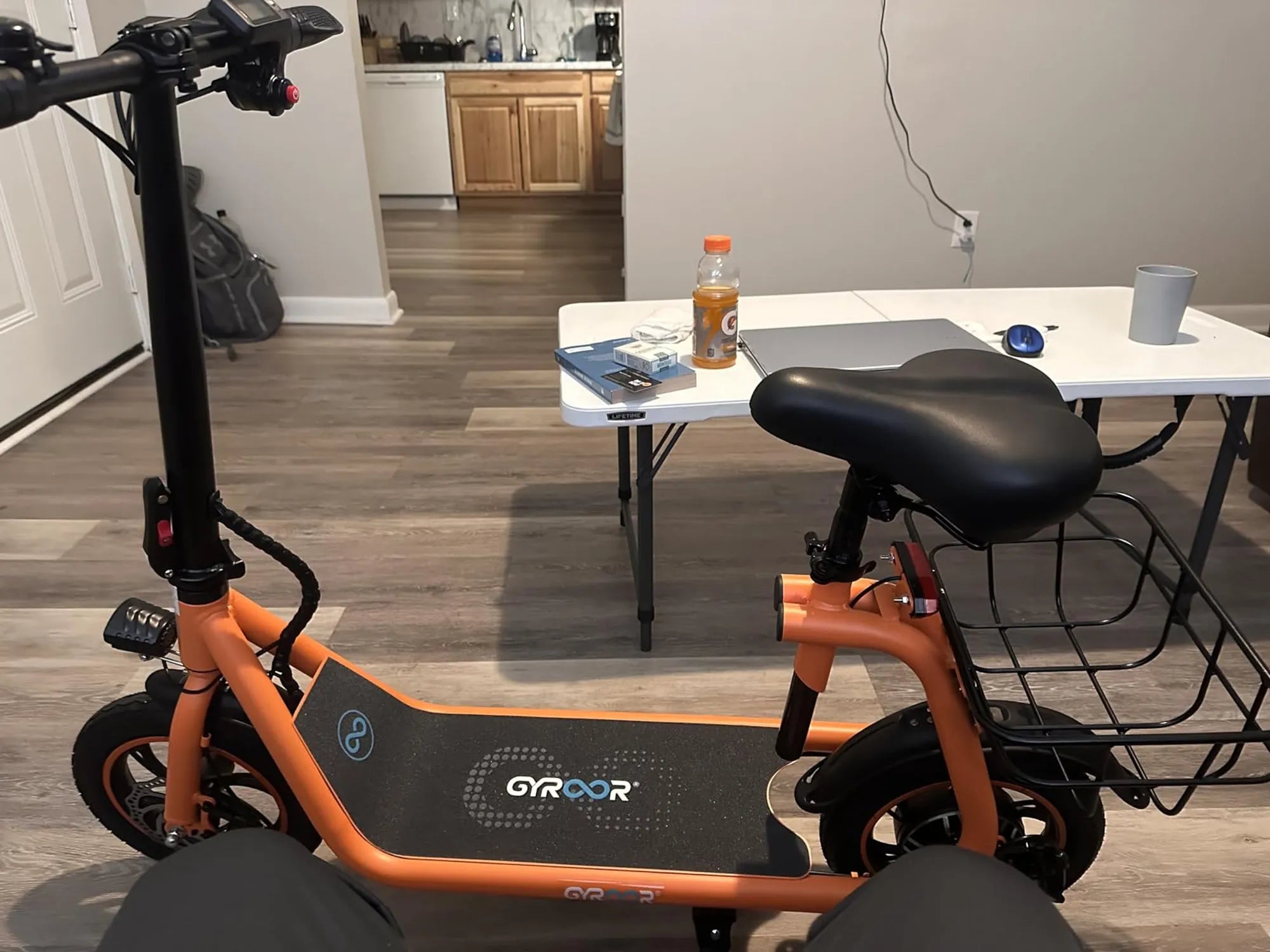
Introduction: Why the Right Scooter Matters for Your Teen
A scooter for a teen boy is more than a toy. It's a tool for independence, social connection, and responsible mobility. Parents face a crucial choice: finding a ride that's exhilarating yet safe, durable enough for daily use, and a genuine value. The modern electric scooter meets these needs, offering a gateway to expanded horizons while teaching responsibility.
This guide cuts through the hype to focus on what truly matters. We'll analyze the essential features that separate a quality, long-term investment from a short-lived disappointment. The goal is to empower you with data-driven insights, ensuring the scooter you choose supports your teen's adventures and your peace of mind.
Key Factors to Consider When Choosing a Teen Scooter
Selecting a scooter requires looking beyond aesthetics. Key factors like safety certifications, build quality, and intended use define the ownership experience. A systematic evaluation ensures the scooter matches both the teen's maturity and the family's practical needs, from commuting to weekend fun.
Performance specs must align with local laws and the rider's skill level. Portability and weight impact daily usability, especially if combining with public transit. Finally, considering the manufacturer's reputation for support and warranty turns a purchase into a protected investment.
Safety First: Non-Negotiable Features
Safety is the paramount concern. A reliable braking system is critical; look for a combination of electronic and mechanical disc brakes for all-weather stopping power. Speed limiters or selectable ride modes allow parents to cap top speed as the rider gains experience.
Visibility is non-negotiable. The scooter must have a bright front headlight, a rear brake light, and side reflectors. A wide, textured deck provides stable footing. The most critical safety component is often unseen: the battery. Insist on UL-certified battery packs, like those used by Gyroor, which undergo rigorous testing to prevent overheating and fire hazards.
Durability & Build Quality: Withstanding Teen Life
Teens are not gentle. The scooter's frame should be constructed from aerospace-grade aluminum alloy, offering a blend of strength and lighter weight. Welds and joints should be clean and robust. Pay close attention to the folding mechanism; it should lock securely with no wobble.
Tire choice affects durability and ride. Air-filled (pneumatic) tires offer better shock absorption but can puncture. Solid or honeycomb tires are virtually puncture-proof but provide a firmer ride. For all-weather resilience, an IPX5 water-resistance rating, a standard in Gyroor's design, protects the electrical components from puddles and light rain.
Performance & Range: Matching Power to Maturity
Motor power, measured in watts (W), dictates acceleration and hill-climbing ability. For most teens, a 250W to 350W motor offers a great balance of fun and control, suitable for moderate inclines. Top speed should be appropriate; many regions limit e-scooters to 15-20 mph, which is a sensible maximum for a young rider.
Battery range is often overstated. Real-world range depends on rider weight, terrain, and speed. A scooter with a 10-20 mile realistic range is perfect for social trips and school commutes. Emphasize charging safety: only use the provided charger and never leave the scooter charging unattended overnight.
Portability & Weight: From Bus to Bedroom
A scooter's utility plummets if it's too heavy to carry. Weight directly impacts portability. Most quality commuter scooters weigh between 30 and 45 pounds. Lighter models around 25-30 pounds are easier to carry up stairs or onto a bus.
The folding mechanism should be quick, intuitive, and secure. Once folded, the scooter should have a compact footprint for storage in a school locker or a home closet. A good kickstand is also essential for stable parking.
Top Scooter Types for Teen Boys: Finding the Perfect Fit
Identifying the primary use case narrows the search dramatically. The three main categories cater to different lifestyles: the daily commuter, the weekend adventurer, and the multi-modal traveler. Each type prioritizes a different set of features, from comfort and range to ruggedness and lightweight design.
Matching the scooter type to your teen's routine ensures it gets used and loved. A scooter built for pavement will struggle on trails, while an ultra-portable model might lack the range for extended exploration. The right fit maximizes both safety and enjoyment.
The All-Rounder Commuter
This is the most versatile category, ideal for school runs, visiting friends, and general neighborhood travel. It prioritizes a balanced mix of speed (15-18 mph), range (15+ miles), and comfort. Look for a model with front and/or rear suspension to smooth out sidewalk cracks and road imperfections.
Practical features define this type. A built-in bell or horn, a rear fender to prevent spray, and a simple carry hook or bag attachment point add daily utility. The deck should be long enough for a comfortable stance. This type represents the best first electric scooter for a teen boy, offering fun without excessive power.
The Off-Road & Adventure Model
Built for trails, grass, and rougher pavement, these scooters are more robust. Key features include larger, knobby tires (often 10 inches or more) for traction, enhanced suspension travel, and higher ground clearance. Motors are typically more powerful (350W+) to tackle uneven terrain and steeper hills.
This category demands extra responsibility. Riders must wear full safety gear—helmet, knee pads, elbow pads—as the risk of falls is higher. These models are often heavier and less portable. They are perfect for the experienced teen with access to appropriate riding areas and a focus on outdoor exploration.
The Lightweight & Ultra-Portable
Designed for riders who combine scooting with buses, trains, or car rides, portability is king. These models prioritize a lightweight design (often under 30 lbs) and a fast, compact fold. They may trade some battery size for reduced weight, resulting in a shorter range (8-12 miles), which is sufficient for last-mile travel.
The frame is typically minimalist, and suspension may be basic or omitted to save weight. They excel in urban environments where the teen needs to carry the scooter frequently. This type proves that the best scooter for a teen boy is sometimes the one he can most easily take with him.
Why Gyroor Stands Out for Teen Riders
In a market with many options, Gyroor establishes trust through engineering and certification. As a leading electric scooter and e-bike brand trusted by over 100,000 riders across North America and Europe, its focus aligns perfectly with parental priorities: verified safety, durable construction, and reliable support.
The brand's commitment extends beyond the sale. With a 4.5/5 average customer rating, Gyroor's reputation is built on consistent performance and customer satisfaction. Their models are designed with real-world teen use in mind, from water resistance to intuitive controls.
Certified Safety for Peace of Mind
The core of Gyroor's safety proposition is the UL-certified battery pack. This independent certification means the battery's cells, circuitry, and housing have passed stringent tests for electrical, mechanical, and environmental safety, drastically reducing risks of fire or failure. This is a fundamental difference from uncertified, cheaper alternatives.
This certification, combined with reliable braking systems and bright lighting, addresses the top safety concerns head-on. For parents, it transforms the battery from a worry into a trusted component, allowing them to focus on their teen's enjoyment rather than potential hazards.
Built to Last: Warranty and Support
Gyroor backs its scooters with a comprehensive 1-year warranty, covering defects in materials and workmanship. This warranty acts as a long-term quality guarantee, protecting your investment. Accessible, US-based customer support provides assistance for troubleshooting and parts, ensuring the scooter remains operational.
This support network is invaluable. It means a minor issue doesn't render the scooter useless. The warranty and support frame the purchase as a durable product, not a disposable gadget, which is essential for an item destined for active teen use.
Smart Design for Real-World Use
Gyroor's IPX5 water-resistant rating is a prime example of smart design. It allows the scooter to safely handle wet roads and light rain, a common occurrence. The use of quality materials in the deck, stem, and folding mechanism reduces points of failure from daily folding and unfolding.
Features like clear digital displays, simple control interfaces, and sturdy kickstands are designed for hassle-free daily operation. This thoughtful engineering minimizes frustration and breakdowns, ensuring the scooter for teen boy remains a source of fun, not maintenance headaches.
Comparison: Scooter Types at a Glance
| Feature / Type | All-Rounder Commuter | Off-Road & Adventure | Lightweight & Portable |
|---|---|---|---|
| Best For | Daily school commutes, neighborhood rides | Trails, parks, rough terrain | Multi-modal travel (bus/train), urban errands |
| Typical Motor | 250W - 350W | 350W+ | 200W - 300W |
| Key Features | Suspension, practical accessories, balanced range | Knobby tires, high clearance, robust suspension | Lightweight frame, quick fold, compact size |
| Weight Range | 35 - 45 lbs | 45 - 60 lbs | 25 - 33 lbs |
| Ideal Rider | The versatile first-time owner | The experienced outdoor enthusiast | The city-dwelling student on the go |
Parent-Teen Checklist: Before You Buy
Use this actionable list to evaluate options and prepare for ownership. This collaborative process ensures the scooter is a good fit for the entire family.
- Budget: Set a realistic range that includes the cost of mandatory safety gear (helmet, pads).
- Local Laws: Verify age restrictions, helmet laws, speed limits, and where e-scooters are permitted (sidewalks, bike lanes, roads).
- Test Fit: Ensure the scooter's handlebar height and deck size are comfortable for your teen's current height and stance.
- Safety Gear: Purchase a certified bicycle helmet, knee pads, and elbow pads before the first ride. Wrist guards are also recommended.
- Retailer & Reviews: Buy from authorized retailers or the brand's official site. Read verified customer reviews focusing on durability and real-world performance.
- Trial & Education: Practice in a safe, empty area first. Discuss road safety, etiquette, and regular maintenance checks (tire pressure, brake function).
Frequently Asked Questions (FAQ)
What is a good age for a teen to start using an electric scooter?
Most manufacturers and safety experts recommend ages 13-14 as a suitable starting point, assuming the teen demonstrates good judgment, coordination, and an understanding of safety rules. Maturity is as important as age. Always check your local regulations, as some jurisdictions have minimum age laws.
Are electric scooters safe for 13-15 year olds?
They can be safe when key conditions are met: choosing a scooter with appropriate speed limits and safety features (good brakes, lights), ensuring the rider always wears a helmet and protective gear, providing thorough safety training, and supervising initial rides. The scooter itself must be from a reputable brand with certified components.
How fast should a scooter for a teen boy go?
A top speed of 15-18 mph is generally appropriate and often aligns with legal limits for public paths. Many quality scooters offer selectable speed modes, allowing parents to start with a lower limit (e.g., 10 mph) and increase it as the rider demonstrates skill and responsibility.
What is the most important safety feature?
While brakes and lights are vital, the most critical safety feature is the battery certification. A UL-certified battery pack, like those used by Gyroor, prevents the most severe hazard—potential fire. Never compromise on this. After that, a reliable braking system and a proper helmet are paramount.
Can it handle hills in our neighborhood?
This depends on motor power and rider weight. A scooter with a 350W or higher motor can typically handle moderate hills (7-10% grade). For consistently hilly areas, look for models advertised with hill-climbing capability. Test if possible, as performance varies.
What maintenance does it require?
Regular maintenance includes checking tire pressure (for pneumatic tires), ensuring brakes are adjusted and functional, tightening bolts (especially on the folding mechanism), keeping the scooter clean and dry, and storing the battery at room temperature. Refer to the manufacturer's manual for specific intervals and instructions.
Empowering Responsible Freedom
The journey to finding the ideal scooter for a teen boy culminates in a choice that empowers. It's a balance—providing the thrill of independent mobility while establishing clear boundaries of safety and responsibility. The right scooter becomes a trusted companion for exploration, not a source of anxiety.
By prioritizing certified safety, durable construction, and a design that matches your teen's lifestyle, you make a smart investment in their independence and your peace of mind. Brands that stand behind their products with robust warranties and support, like Gyroor, offer the assurance that this investment is protected. Ready to explore models engineered for real teen life? Browse the full Gyroor collection at gyroorboard.com to find the perfect ride that combines safety, durability, and fun.
Can I Take My Scooter on a Plane? The Ultimate 2024 Guide
Ride on Mobility Scooter: Your Ultimate Guide to Features, Safety, and Independence