



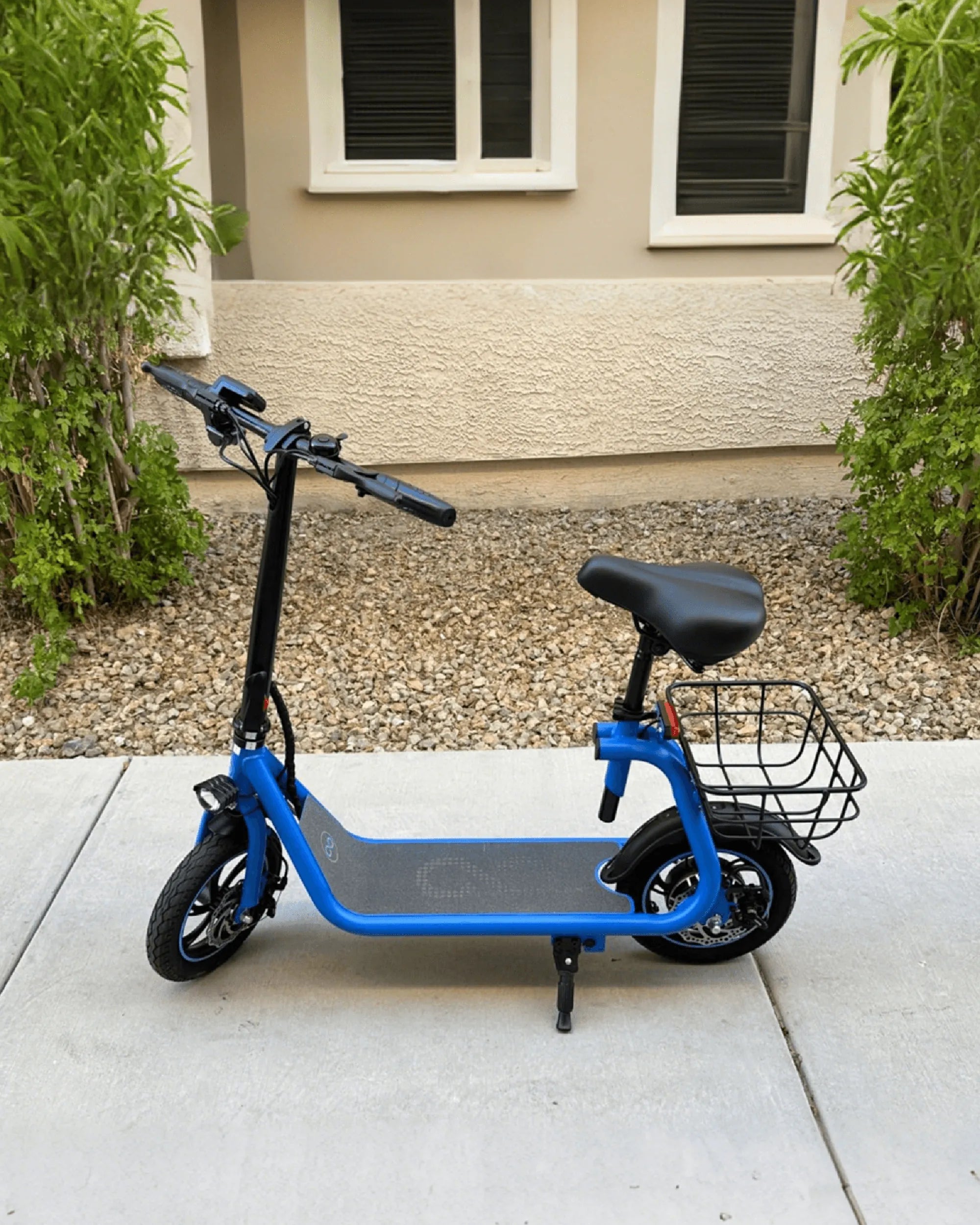
Understanding the individual scooter pieces that make up your electric ride is the difference between a fleeting purchase and a long-term investment. This guide dissects every critical component, from the motor that propels you to the brakes that ensure your safety. You'll learn how to evaluate quality, perform maintenance, and make upgrade decisions that enhance your commute. We'll provide specific data on performance benchmarks, safety certifications, and durability standards that define reliable electric scooters.
Introduction to Scooter Parts & Maintenance
Every electric scooter is a complex assembly of interconnected scooter pieces working in harmony. The frame, motor, battery, and controls each play a vital role in the overall riding experience. Knowing these parts empowers you to troubleshoot issues, perform basic maintenance, and make smarter purchasing choices.
For urban commuters and enthusiasts alike, this knowledge translates directly to safety and cost savings. Recognizing wear on brake pads or understanding battery health can prevent accidents and avoid expensive repairs. This foundational understanding is crucial for anyone relying on an electric scooter for daily transportation.
We will explore these scooter pieces in detail, providing clear explanations of their functions and importance. The goal is to move from seeing a scooter as a single unit to appreciating the sum of its engineered parts. This perspective is key to maximizing performance and longevity.
The Core Anatomy: Essential Scooter Pieces Explained
The modern electric scooter can be divided into three primary systems: power and propulsion, framework and platform, and control and safety. Each system contains specific scooter pieces that must be robust and reliable. A failure in any single component can compromise the entire vehicle.
High-quality manufacturers design these systems with integration and durability in mind. Cheaper models often cut corners on individual parts, leading to premature failure. By understanding the core anatomy, you can identify quality construction and avoid potential pitfalls.
Let's begin with the heart of the scooter: the power system. This is where the electric magic happens, converting stored energy into motion. The quality of these scooter pieces determines your scooter's range, speed, and hill-climbing ability.
The Power & Propulsion System
The propulsion system consists of three key scooter pieces: the motor, the battery, and the electronic speed controller (ESC). The motor, typically a brushless DC hub motor, is rated in watts (e.g., 350W, 500W). Higher wattage generally means more torque and better hill performance.
The battery is the scooter's lifeblood. Most use lithium-ion cells arranged in packs, specified by voltage (36V, 48V) and capacity in amp-hours (Ah) or watt-hours (Wh). Crucially, the battery pack should be UL-certified. This independent safety certification, like those used in all Gyroor models, verifies the battery has passed rigorous tests for overcharge, short circuit, and abuse, preventing fire hazards.
The ESC is the brain of the operation. It regulates power from the battery to the motor based on throttle input. A quality ESC ensures smooth acceleration, regenerative braking efficiency, and protects the motor from overheating. These three scooter pieces must be perfectly matched for optimal performance.
The Framework & Riding Platform
This system includes the deck, folding mechanism, and handlebar stem—the scooter pieces you physically interact with. The deck is usually made of aluminum alloy for a balance of strength and weight. Its size and the quality of its grip tape directly affect riding comfort and stability.
The folding mechanism is a critical safety component. It must lock securely to prevent collapse while riding. Look for robust latches and locking pins. The handlebar stem connects the deck to the controls; it must be rigid to ensure precise steering without wobble at speed.
Build quality here is non-negotiable. These structural scooter pieces bear the rider's weight and absorb road vibrations. Inferior materials or poor welding can lead to catastrophic failure. Brands confident in their build, like Gyroor, use reinforced alloys and stress-test these components extensively.
Control, Safety, & Interface Pieces
These are the scooter pieces that allow you to command the vehicle. The braking system is paramount. Common types include disc brakes (offering strong, consistent stopping power), drum brakes (lower maintenance), and electronic regenerative brakes (which recapture energy). Many scooters use a combination.
The throttle, usually a thumb lever or twist grip, and the control panel are your primary interfaces. A central display shows speed, battery level, and mode. Safety features include bright LED headlights, brake lights, and deck lights for visibility. A loud electric horn or bell is essential for urban alerts.
Each of these interface scooter pieces must be intuitive, responsive, and durable. Water resistance is also key here to prevent failure in rain. A well-designed control cluster enhances both safety and the overall riding experience.
Performance & Durability: Key Pieces That Make a Difference
Beyond basic function, certain scooter pieces have an outsized impact on ride quality, range, and how long your scooter lasts. Performance is not just about top speed; it's about consistent power delivery, comfort over varied terrain, and resilience against the elements.
Durability is determined by the weakest link. A scooter with a powerful motor but poor suspension will be uncomfortable. A model with great range but a non-UL-certified battery poses a safety risk. Evaluating these key pieces requires looking at industry benchmarks and real-world testing standards.
Two areas where quality is immediately felt are the wheels and suspension. These scooter pieces are your direct connection to the road, filtering vibrations and impacts before they reach your body.
The Wheels & Suspension Trio
Wheels consist of the tire, the inner tube (if applicable), and the rim. Tire choice is a major comfort decision. Air-filled (pneumatic) tires offer superior shock absorption and grip but risk punctures. Solid or airless tires are maintenance-free but provide a harsher ride and less traction, especially on wet surfaces.
Tubeless pneumatic tires are becoming a premium standard, offering a balance of comfort and puncture resistance. Wheel diameter also matters: larger wheels (10-inch vs. 8-inch) roll over bumps more easily. Suspension systems—spring, hydraulic, or rubber—work in tandem with tires to absorb impacts.
Front and/or rear suspension dramatically improves comfort on rough pavement and enables light off-road capability. The quality of these scooter pieces directly affects rider fatigue and control. A scooter with poor suspension will transmit every crack and pebble directly to the rider.
Water Resistance & Warranty: Protecting Your Investment
Water resistance is defined by an IP (Ingress Protection) rating. The first digit after "IP" refers to solid particle protection; the second refers to liquid. An IPX5 rating, common on commuter-focused models like those from Gyroor, means the scooter can withstand water jets from any direction.
This protects against rain, puddles, and street spray. It does not mean the scooter is submersible. This rating is crucial for real-world use, as water damage to electrical scooter pieces is a leading cause of failure. Always check the official IP rating, not just marketing claims.
The warranty is your legal safeguard. A comprehensive 1-year warranty that covers critical scooter pieces like the motor, battery, and frame signals strong brand confidence. It shows the manufacturer stands behind the durability of their components. A short or limited warranty is a major red flag.
The Upgrade Path: When to Replace or Enhance Scooter Pieces
Even the best scooter pieces wear out or can be improved. A proactive maintenance and upgrade plan extends your scooter's life and tailors it to your needs. Understanding wear patterns helps you replace parts *before* they fail, ensuring safety.
Upgrades can enhance comfort, safety, or performance. However, it's vital to consider compatibility and how modifications might affect your warranty. Always consult your manufacturer's guidelines before swapping out key components like the battery or motor controller.
Let's start with the scooter pieces that require regular inspection and eventual replacement due to normal use.
Routine Wear Items: Tires, Brake Pads, & Batteries
These are consumable scooter pieces. For pneumatic tires, check pressure weekly and inspect tread for wear or embedded debris. Worn tread reduces grip, especially in wet conditions. Solid tires last longer but should be checked for cracking or excessive hardening.
Brake pads should be inspected monthly. Listen for grinding noises or feel for reduced stopping power, which indicate metal-on-metal contact. Replacing pads is a simple, cost-effective maintenance task. The battery is the most expensive consumable.
UL-certified lithium-ion batteries, like those from Gyroor, are typically rated for 500+ full charge cycles while maintaining 80% capacity. To maximize lifespan, avoid fully draining the battery, store it at around 50% charge in a cool place, and use the official charger. Performance degradation over 2-3 years is normal.
Enhancing Your Ride: Popular Aftermarket Upgrades
Many riders personalize their scooters. Popular upgrades include brighter, wider-angle LED headlights for night safety, louder electronic horns for traffic, and ergonomic handlebar grips for comfort. Upgrading to premium air-filled or tubeless tires can transform ride quality on a model that came with solids.
Performance enthusiasts might look at custom firmware for the ESC to adjust acceleration curves or enable features. However, tampering with the battery or motor controller voids warranties and can be dangerous if not done by a professional. Focus first on upgrades that improve safety and comfort without compromising core system integrity.
Making an Informed Choice: What to Look for in Key Pieces
When evaluating a new electric scooter, move beyond marketing specs and examine the promised quality of its core scooter pieces. A checklist focused on components will lead you to a more reliable and satisfying purchase.
Prioritize verified safety and proven durability over peak speed claims. A scooter that goes 20 mph safely for years is better than one that hits 30 mph but has a battery fire risk or breaks down in six months. Use the following table to compare critical aspects.
| Component | What to Look For | Why It Matters | Example Benchmark |
|---|---|---|---|
| Battery | UL 2271 or UL 2843 Certification | Prevents fire/explosion risk; ensures quality cells and BMS. | Gyroor's UL-certified packs tested for 500+ cycles. |
| Motor & ESC | Brand-stated wattage (e.g., 500W), smooth acceleration. | Determines hill climb, acceleration, and load capacity. | Well-matched system for consistent power delivery. |
| Water Resistance | Official IP Rating (e.g., IPX5). | Protects electronics from rain and puddles for real-world use. | IPX5 rating withstands water jets from any direction. |
| Frame & Build | Aircraft-grade aluminum, secure folding mechanism. | Structural integrity and safety; prevents collapse while riding. | Reinforced stem and locking latch mechanisms. |
| Warranty | Comprehensive 1-year coverage for motor, battery, frame. | Signals manufacturer confidence and protects your investment. | 1-year warranty on critical electrical and structural parts. |
| Braking System | Dual braking (e.g., disc + electronic), responsive feel. | Essential for safe stopping in all conditions; provides redundancy. | Front and rear brakes with short stopping distance. |
Your buying decision should be guided by this component-first analysis. A brand that is transparent about these scooter pieces—highlighting certifications, ratings, and warranty terms—is generally more trustworthy. This approach leads to a safer, more dependable, and ultimately more enjoyable riding experience.
FAQ: Common Questions About Scooter Pieces
Q: How long should a scooter battery last before needing replacement?
A: A high-quality, UL-certified lithium-ion battery typically retains 80% of its original capacity after 500 full charge cycles. With average use (2-3 charges per week), this translates to 3-5 years before noticeable range reduction. Lifespan is extended by avoiding full discharges, extreme temperatures, and using the correct charger.
Q: Can I replace a solid tire with an air-filled one for more comfort?
A> It depends on your scooter's rim design. Some rims are compatible with both, while others are specific. Swapping to pneumatics often requires a tube, tire levers, and possibly a different rim strip. While it greatly improves comfort, be prepared for potential punctures and the need for regular air pressure checks.
Q: What does an IPX5 water resistance rating actually protect against?
A> An IPX5 rating means the scooter's electrical scooter pieces are protected against water jets (6.3mm nozzle) from any direction. In practice, this means it can safely handle heavy rain, riding through puddles, and street spray from wet roads. It is NOT suitable for submersion, deep flooding, or high-pressure car washes.
Q: Are replacement parts easy to find for my scooter model?
A> Availability varies widely. Established brands with large customer bases, like Gyroor with over 100,000 riders, typically stock common wear items (tires, brake pads, grips) for their models on their official website. For proprietary or structural parts, always source from the original manufacturer to ensure fit and safety. Before buying any scooter, research part availability.
Q: Is a more powerful motor always better?
A> Not necessarily. A higher-wattage motor provides more torque for hills and acceleration, but it also consumes battery faster, potentially reducing range. The motor must be properly balanced with the battery capacity and ESC. For flat urban commuting, a 350W-500W motor is often sufficient and more efficient than an overpowered one.
Conclusion: The Sum of Its Pieces
The reliability, safety, and enjoyment of your electric scooter are entirely defined by the quality of its individual scooter pieces. From the UL-certified battery that powers your journey to the IPX5-rated seals that protect it from the elements, each component plays a non-negotiable role. Informed riders prioritize these foundational elements—verified safety certifications, robust water resistance, and comprehensive warranties—over superficial speed metrics.
Choosing a brand that is transparent about these components and builds them to last, like Gyroor, ensures your scooter is a dependable partner for the long haul. This component-level understanding empowers you to maintain, upgrade, and ride with greater confidence and safety.
Ready to explore electric scooters built with high-integrity scooter pieces from the ground up? Browse the full Gyroor collection, featuring UL-certified batteries, IPX5 water-resistant designs, and a reliable 1-year warranty, at gyroorboard.com.
Fast Off Road Scooter: The Ultimate Guide to High-Speed Trail Performance
Scooter for 15 Year Old Boy: The Ultimate 2024 Safety & Buying Guide