



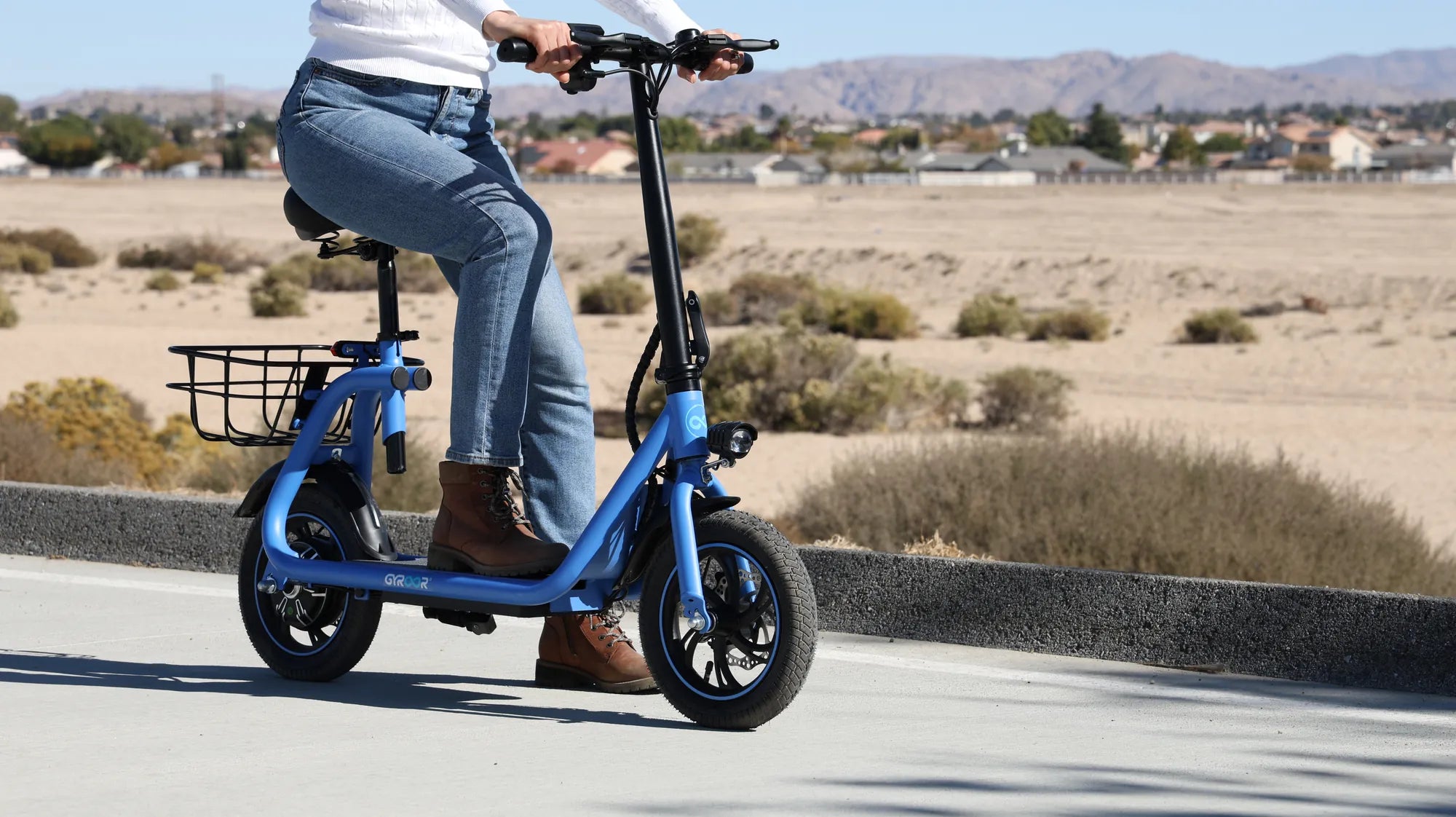
Have you ever felt your scooter wobbling at high speeds or noticed uneven tire wear? The culprit might be unbalanced tires. Scooter tire balancing is a critical yet often overlooked aspect of maintenance that can drastically improve your ride quality, safety, and tire longevity. Whether you're a daily commuter or a weekend rider, understanding how to balance your scooter tires can save you from costly repairs and ensure a smoother journey.
Why Scooter Tire Balancing Matters
Unbalanced scooter tires can lead to a host of problems, from uncomfortable vibrations to premature tire wear. When tires are out of balance, the weight distribution becomes uneven, causing the scooter to shake or pull to one side. This not only makes riding less enjoyable but also increases the risk of accidents, especially at higher speeds. Properly balanced tires ensure even weight distribution, reducing strain on the suspension and improving overall handling.
Signs Your Scooter Tires Need Balancing
How do you know if your scooter tires are unbalanced? Look for these telltale signs:
- Vibrations: If you feel a constant shake in the handlebars or footrests, especially at certain speeds, your tires may be out of balance.
- Uneven Tire Wear: Check your tires for irregular wear patterns. Bald spots or excessive wear on one side indicate imbalance.
- Poor Handling: If your scooter feels unstable or drifts to one side, unbalanced tires could be the cause.
How to Balance Scooter Tires: Step-by-Step
Balancing scooter tires doesn't require expensive equipment. Here's a simple method you can try at home:
- Remove the Wheel: Lift your scooter and take off the wheel that needs balancing.
- Locate the Heavy Spot: Spin the wheel and mark the spot that consistently stops at the bottom—this is the heaviest part.
- Add Counterweights: Attach small weights opposite the heavy spot to balance the wheel. You can use adhesive wheel weights or even temporary solutions like tape and coins for testing.
- Test the Balance: Spin the wheel again. If it stops at random positions, it's balanced. If not, adjust the weights until it spins smoothly.
Professional vs. DIY Balancing
While DIY methods work for minor imbalances, professional balancing ensures precision. Mechanics use dynamic balancing machines to detect even the slightest imbalances, which is especially important for high-speed riding. If you're unsure about your DIY skills or notice persistent issues, a professional service is worth the investment.
Maintaining Balanced Tires
Once your tires are balanced, keep them that way with these tips:
- Regular Inspections: Check for uneven wear or vibrations every few weeks.
- Proper Inflation: Underinflated or overinflated tires can cause imbalance. Always maintain the recommended tire pressure.
- Avoid Rough Roads: Potholes and bumps can knock your tires out of balance. Ride carefully on uneven surfaces.
Ready to transform your scooter ride? Balanced tires are the secret to a smoother, safer, and more enjoyable journey. Don't let unbalanced tires slow you down—take action today and feel the difference on every ride!
How to Calibrate a Balance Scooter: A Step-by-Step Guide for Smooth Rides
Are Electric Scooters Allowed on Bike Paths Ohio? What You Need to Know