

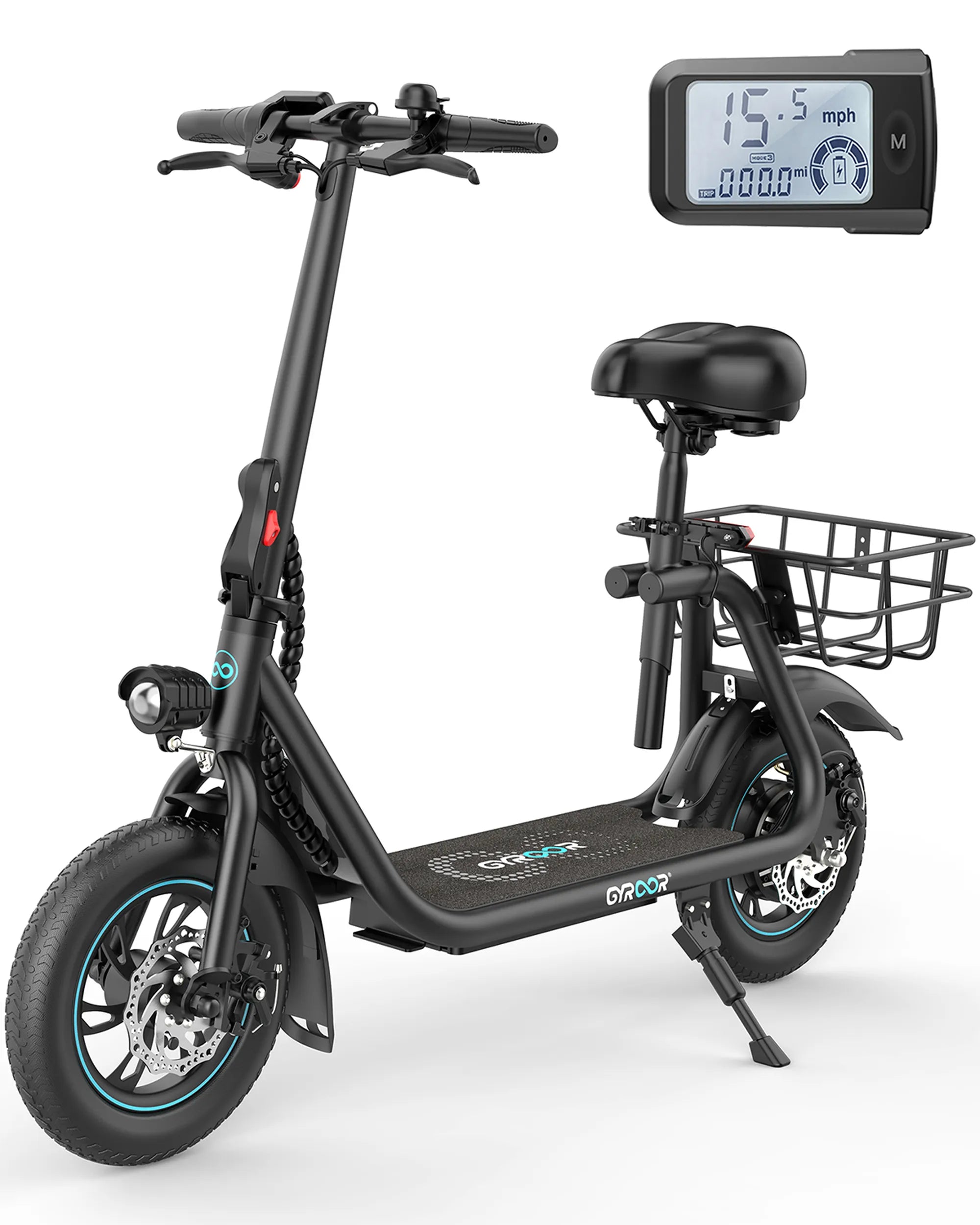
Self-balancing electric scooters have revolutionized personal transportation, offering a fun and eco-friendly way to navigate urban environments. However, their rising popularity also brings safety concerns that riders must address to avoid accidents and injuries. Whether you're a beginner or an experienced rider, understanding the fundamentals of self-balancing electric scooter safety is crucial for a smooth and secure ride.
Why Self-Balancing Electric Scooter Safety Matters
Unlike traditional scooters or bicycles, self-balancing electric scooters rely on gyroscopic technology to maintain stability. This unique feature makes them intuitive to ride but also introduces risks if not handled properly. Common accidents include falls due to loss of balance, collisions with obstacles, or sudden stops. By prioritizing safety, riders can minimize these risks and enjoy a worry-free experience.
Essential Safety Gear for Riders
Wearing the right protective gear is the first step toward safe riding. Here's what every rider should consider:
- Helmet: A properly fitted helmet can prevent head injuries in case of a fall.
- Knee and Elbow Pads: These protect joints from scrapes and fractures during accidents.
- Wrist Guards: Essential for preventing sprains or breaks when bracing for a fall.
- Reflective Clothing: Enhances visibility, especially when riding at night or in low-light conditions.
Pre-Ride Safety Checks
Before hopping on your scooter, perform these quick checks to ensure it's in optimal condition:
- Inspect the tires for proper inflation and wear.
- Check the battery level to avoid sudden power loss mid-ride.
- Test the brakes and ensure they respond correctly.
- Verify that all lights and indicators are functioning.
Mastering Balance and Control
Self-balancing scooters require a different skill set compared to traditional vehicles. Beginners should practice in a safe, open area before venturing into traffic. Key tips include:
- Start at a slow speed to get accustomed to the scooter's responsiveness.
- Keep your weight centered and avoid sudden movements.
- Use gentle leans to steer rather than abrupt shifts.
Riding in Different Environments
Different terrains pose unique challenges. Here's how to adapt:
- Smooth Pavement: Ideal for beginners, offering stability and predictability.
- Uneven Surfaces: Reduce speed and stay alert for bumps or cracks.
- Wet Conditions: Avoid riding on slippery surfaces to prevent loss of traction.
Traffic and Pedestrian Awareness
When riding in busy areas, always follow these guidelines:
- Obey local traffic laws and regulations.
- Stay in designated bike lanes where available.
- Yield to pedestrians and avoid crowded sidewalks.
- Use hand signals to communicate your intentions to others.
Maintenance for Long-Term Safety
Regular upkeep ensures your scooter remains safe and reliable. Key maintenance tasks include:
- Cleaning the scooter to prevent dirt buildup.
- Tightening loose screws and bolts.
- Storing the scooter in a dry, temperature-controlled environment.
- Following the manufacturer's recommended service intervals.
Self-balancing electric scooters offer an exciting way to get around, but safety should always come first. By wearing the right gear, practicing proper handling, and staying aware of your surroundings, you can enjoy the ride while minimizing risks. Whether you're commuting or just having fun, these safety tips will help you stay in control and confident on your scooter.
Offroad 1000W Electric Scooter: The Ultimate Adventure Companion
Electric Scooter 48V 1600W: The Ultimate Guide to Power and Performance