



Introduction to Self-Balancing Scooters in Canada
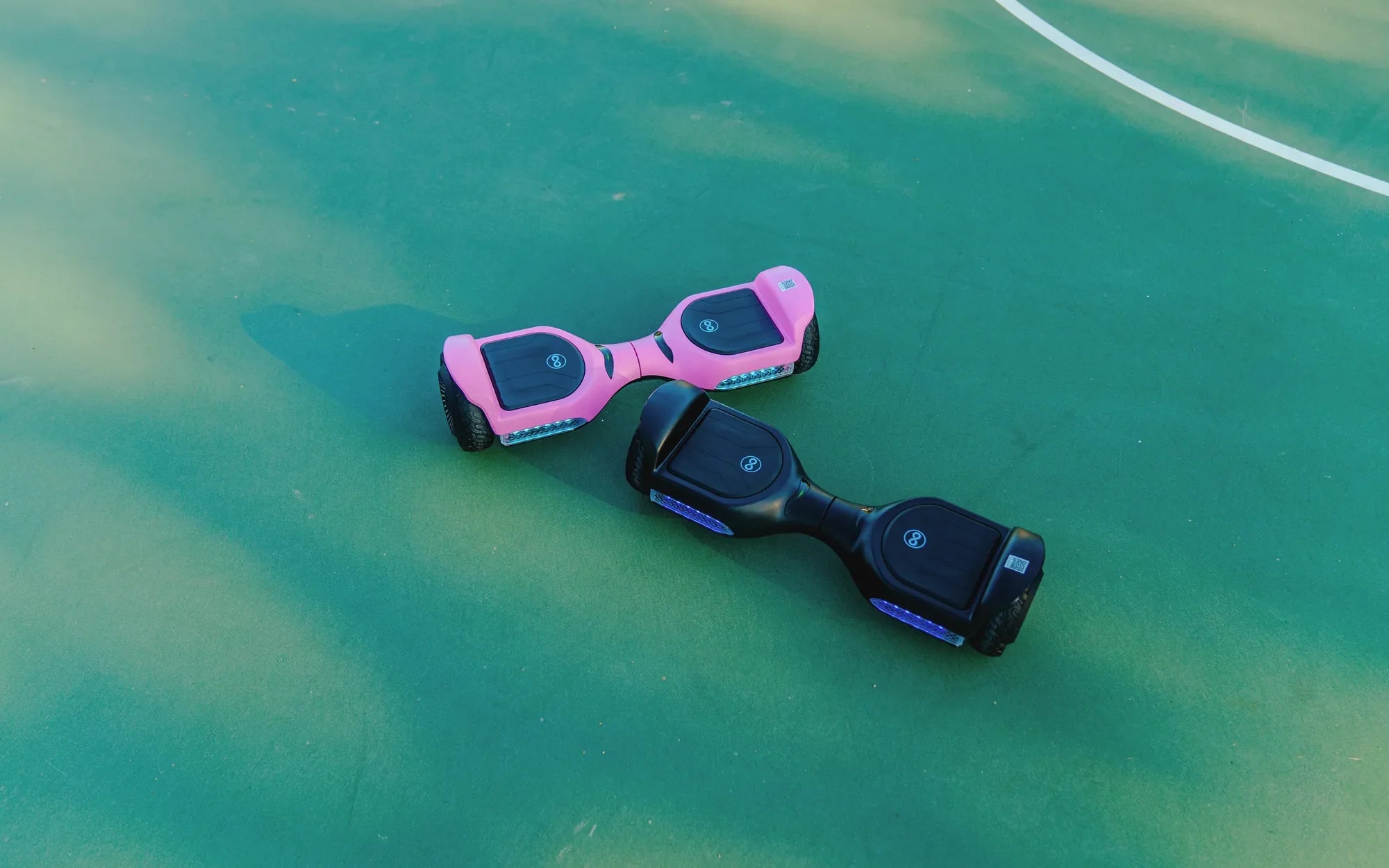
Navigating Canadian cities requires smart, efficient, and adaptable personal transportation. The self-balancing scooter, encompassing hoverboards, electric unicycles, and two-wheeled e-scooters, has emerged as a compelling solution. These devices offer a unique blend of fun, practicality, and eco-friendly commuting, making them increasingly popular from Vancouver's seawall to Toronto's downtown core.
This guide is your essential resource for riding a self balancing scooter Canada responsibly. We will demystify the complex legal landscape, help you select a scooter built for Canadian weather, and equip you with non-negotiable safety knowledge. Choosing a reliable brand is paramount for safety and durability in our varied climate.
As a leader in personal electric mobility, Gyroor designs its products with these challenges in mind. Trusted by over 100,000 riders across North America and Europe, Gyroor focuses on UL-certified battery safety, IPX5 water resistance, and robust construction to handle urban commutes and recreational rides alike.
Navigating Canadian Laws & Regulations
The legal status of self balancing scooter Canada use is not uniform nationwide. Regulations are primarily set at the provincial and municipal levels, creating a patchwork of rules that riders must understand. Ignorance of local bylaws can result in fines, confiscation of your device, or even charges.
Generally, these devices are classified as "low-speed vehicles" or "power-assisted bicycles" under various provincial highway traffic acts. This classification dictates where you can legally operate them. Riding on sidewalks is almost universally prohibited across major cities due to pedestrian safety concerns.
Your primary riding domains will typically be bike lanes, multi-use paths, and, in some jurisdictions, roads with speed limits under 50 km/h. It is the rider's absolute responsibility to verify the specific rules in their city and province before riding.
Understanding Provincial and Municipal Bylaws
Here’s a snapshot of regulations in key Canadian regions. This is a general overview; always check for the most current local bylaws.
- British Columbia: Governed by the Motor Vehicle Act, e-scooters are allowed on roads and bike lanes where local bylaws permit. Helmets are mandatory, and riders must be 16+. Cities like Vancouver have specific geofencing and speed limit rules in pilot areas.
- Ontario: Ontario launched a multi-year pilot program allowing e-scooters on roads, bike lanes, and multi-use paths where municipalities opt-in. Key rules include a max speed of 24 km/h, a minimum riding age of 16, and helmet requirements for those under 18. Toronto has its own set of pilot project rules.
- Alberta: Similar to Ontario, Alberta has a provincial pilot. Cities like Calgary and Edmonton have bylaws permitting e-scooters on bike paths and roads (unless prohibited), with helmet use strongly recommended.
- Quebec: Regulations are stricter. E-scooters are generally only permitted on private property unless a municipality has passed a bylaw allowing them on specific paths. Montreal has very limited permissions.
This variance highlights why checking with your city's transportation department is the first step for any responsible rider looking into a self balancing scooter Canada.
Choosing the Right Scooter for Canadian Terrain & Climate
Canada's environment—from potholed spring roads and rainy coastal climates to freezing winters and steep urban hills—demands a scooter built for more than just smooth pavements. Selecting the right model involves prioritizing features that ensure safety, performance, and longevity in local conditions.
Key decision factors include motor power for hills, wheel design for stability, range for commuting distances, and robust construction for weather resistance. A scooter that performs well in a California showroom may not withstand a Montreal winter or a Vancouver autumn.
Essential Features for Safety and Performance
When evaluating a self balancing scooter Canada model, scrutinize these core specifications:
- Motor Power & Torque: Look for a dual motor system with a combined wattage of at least 500W. This provides the necessary torque to tackle common Canadian urban hills and maintain stable speeds. A underpowered scooter can stall on an incline, creating a safety hazard.
- Wheel Size & Type: Larger wheels (8.5 inches or more) and air-filled (pneumatic) tires offer superior shock absorption for cracks, potholes, and uneven pavement. Solid tires require less maintenance but provide a harsher ride and less traction on wet surfaces.
- Range & Battery Capacity: Advertised range is based on ideal conditions. For Canadian commuting, choose a model with a battery capacity that offers a real-world range exceeding your typical trip by at least 30%. Cold weather can reduce effective range by 20-40%.
- Maximum Speed & Modes: Multiple speed modes (e.g., beginner, eco, sport) are crucial for learning and adapting to different environments. A top speed aligned with local legal limits (often 24-32 km/h) is both compliant and practical.
Built for the Elements: Weather Resistance and Battery Care
Weatherproofing is not a luxury in Canada; it's a necessity. An Ingress Protection (IP) rating indicates a device's resistance to dust and water. For riding in rain or through wet streets, an IPX4 rating is the minimum, while IPX5 (like Gyroor models feature) offers protection against sustained water jets from any direction.
Battery care is critical in cold climates. Lithium-ion batteries suffer reduced performance in low temperatures. Always store and charge your scooter indoors at room temperature. Avoid charging a battery that is below freezing. In winter, expect reduced range and power, and plan your trips accordingly. Never leave a battery fully depleted in the cold.
Why Gyroor Stands Out for Canadian Riders: A Data-Driven Look
For Canadian riders, the choice of brand directly impacts safety, reliability, and long-term value. Gyroor's engineering philosophy is data-driven, focusing on the specific durability and safety challenges posed by the Canadian environment. With over 100,000 riders trusting the brand, the value proposition is clear.
The following comparison table illustrates how Gyroor's key features directly address common Canadian riding concerns compared to generic or non-compliant models.
| Canadian Rider Concern | Generic/Uncertified Model Risk | Gyroor's Engineered Solution | Benefit to Canadian Rider |
|---|---|---|---|
| Battery Safety & Fire Risk | Uncertified, low-quality battery cells prone to overheating, swelling, or thermal runaway. | UL 2272 and UL 2849 certified battery packs. Tested for 500+ charge cycles with advanced Battery Management Systems (BMS). | Peace of mind for indoor storage and charging. Eliminates a major safety hazard, a critical factor for apartment dwellers. |
| Wet Weather & Road Spray | Minimal sealing leads to water ingress, causing short circuits, motor failure, and corrosion. | IPX5 water-resistant rating across key models. Sealed electronics and connectors. | Confidence to commute in light rain or on wet roads without fear of immediate damage, handling Vancouver drizzle or Toronto showers. |
| Urban Terrain & Potholes | Weak frames, small solid tires, and low-power motors lead to instability, discomfort, and component failure. | Robust aluminum alloy frames, large pneumatic tires (on select models), and high-torque dual motors (e.g., 500W+). | A stable, comfortable ride over imperfect pavement. Enough power for hills and reliable braking for sudden stops. |
| Winter Storage & Cold Performance | Poor battery management leads to rapid capacity loss in cold weather, rendering the scooter unreliable. | Intelligent BMS with low-temperature charging protection. Durable cells designed for broader temperature performance. | Longer overall battery lifespan. The scooter remains a reliable transport option through seasonal temperature swings. |
| Warranty & Local Support | No meaningful warranty or support requires shipping to overseas facilities at great cost and time. | Comprehensive 1-year warranty on the scooter, motor, and battery. Accessible North American customer support. | Quick resolution of any issues. Protects your investment and ensures uptime for your daily commute. |
Safety First: UL-Certified Batteries and Reliable Warranty
The UL certification is the global gold standard for electrical safety. For a self balancing scooter Canada rider, it means the battery pack has undergone rigorous testing for electrical, mechanical, and environmental hazards. This is the most critical feature to prevent the battery fires that have plagued uncertified products.
Gyroor's commitment extends to a transparent and reliable 1-year warranty. This coverage, backed by accessible support, ensures that any manufacturing defects are addressed promptly, protecting your investment and ensuring your scooter remains a dependable part of your routine.
Durability and Peace of Mind: Build Quality Tested for Real Roads
IPX5 water resistance is engineered for real-world conditions—not just a light mist, but the spray from a wet road or an unexpected downpour. This level of protection safeguards the scooter's core electronics, a common failure point in cheaper models.
Furthermore, the use of aerospace-grade aluminum alloys and reinforced stems creates a frame that can withstand the daily stresses of urban commuting and the physical shocks from uneven surfaces. This durability translates to lower long-term ownership costs and consistent performance.
The Smart Rider's Guide: Safety Gear and Best Practices
Your scooter's technology is only one part of the safety equation. The rider's preparedness and behavior are equally important. Adopting a safety-first mindset is non-negotiable for navigating shared spaces and variable conditions.
Mandatory and Recommended Safety Equipment
Always wear the following gear. View it as part of the cost of riding.
- Helmet: A certified bicycle or multi-impact helmet is legally required in most jurisdictions and is your most important piece of safety equipment. It is essential for all riders, regardless of age or experience.
- Wrist Guards: Falls often result in instinctive hand placement. Wrist guards can prevent debilitating fractures or sprains.
- Knee and Elbow Pads: These protect vulnerable joints during a slip or fall, especially during the learning phase.
- High-Visibility Clothing & Lights: For Canada's short winter days and overcast weather, being seen is critical. Use a front white light and a rear red light at all times. Reflective vests or strips on clothing and your backpack are highly recommended.
Riding Etiquette and Defensive Techniques for Urban Areas
Ride defensively and predictably. Assume that drivers and pedestrians may not see you.
- Scan for Hazards: Constantly look ahead for potholes, drainage grates, streetcar tracks, gravel, and wet leaves. Cross tracks at as close to a 90-degree angle as possible.
- Signal Your Intentions: Use clear hand signals for turns and stops. Make eye contact with drivers at intersections.
- Respect Pedestrians: On multi-use paths, yield to pedestrians, announce your presence politely (a bell is useful), and pass slowly and widely. Dismount in crowded areas.
- Maintain a Safe Speed: Match your speed to the environment. Slow down in high-traffic areas, near children, or in poor visibility. Never ride beyond your skill level.
- Pre-Ride Check: Before each ride, check tire pressure, brake function, light operation, and ensure all fasteners are tight.
Frequently Asked Questions (FAQs)
Q1: Are self-balancing scooters legal to ride on sidewalks in Canada?
Almost never. Riding on sidewalks is prohibited in virtually all Canadian municipalities due to significant pedestrian safety risks. Permitted areas are typically bike lanes, multi-use paths, and designated roads. Always check your local bylaws.
Q2: How does cold weather affect my scooter's battery life and range?
Cold temperatures (below 10°C) significantly reduce battery efficiency and can cut your scooter's range by 20-40%. The chemical reactions inside lithium-ion batteries slow down in the cold. Always store and charge your scooter indoors, and plan for shorter trips in winter.
Q3: Do I need a driver's license or insurance to ride one?
Generally, no. Most provincial regulations do not require a driver's license for e-scooters or hoverboards. Insurance is also not typically mandated for these low-speed personal mobility devices. However, you are personally liable for any damage or injury you cause, so checking your home insurance policy for coverage is wise.
Q4: Can I ride my Gyroor scooter in the rain or on wet pavement?
Gyroor scooters with an IPX5 rating are designed to withstand light rain and water spray from wet roads. This means you can confidently commute in drizzle or on recently rained-on pavement. However, they are not submersible. Avoid deep puddles, heavy downpours, and riding through standing water.
Q5: Where is the best place to buy a reliable self-balancing scooter in Canada?
The safest and most reliable place is directly from an authorized retailer or the brand's official website, such as gyroorboard.com. This guarantees you receive a genuine product with a valid warranty, UL-certified batteries, and access to customer support. Be wary of third-party marketplace sellers offering deals that seem too good to be true, as they may be selling non-compliant or unsafe models.
Conclusion: Embracing Smart, Safe Personal Mobility
Integrating a self balancing scooter Canada into your life can transform your daily commute and expand your local exploration. The key to a positive experience rests on three pillars: knowledge of your local laws, investment in a quality, weather-resistant scooter like those from Gyroor, and an unwavering commitment to safety gear and defensive riding practices.
By choosing a brand that prioritizes UL-certified safety, durable construction, and real-world performance, you're not just buying a product; you're investing in reliable, eco-friendly transportation built for Canadian conditions. This responsible approach ensures you contribute safely to the evolving landscape of urban mobility.
Ready to explore a new way to move? Equip yourself with a scooter designed for reliability from the ground up. Browse the full Gyroor collection at gyroorboard.com and discover models built to deliver safety, performance, and freedom on every ride.
How to Ride a Hoverboard Step by Step: A Beginner's Guide to Confident Riding
24V Kids Scooter: The Ultimate Guide to Choosing the Best Ride for Your Child