

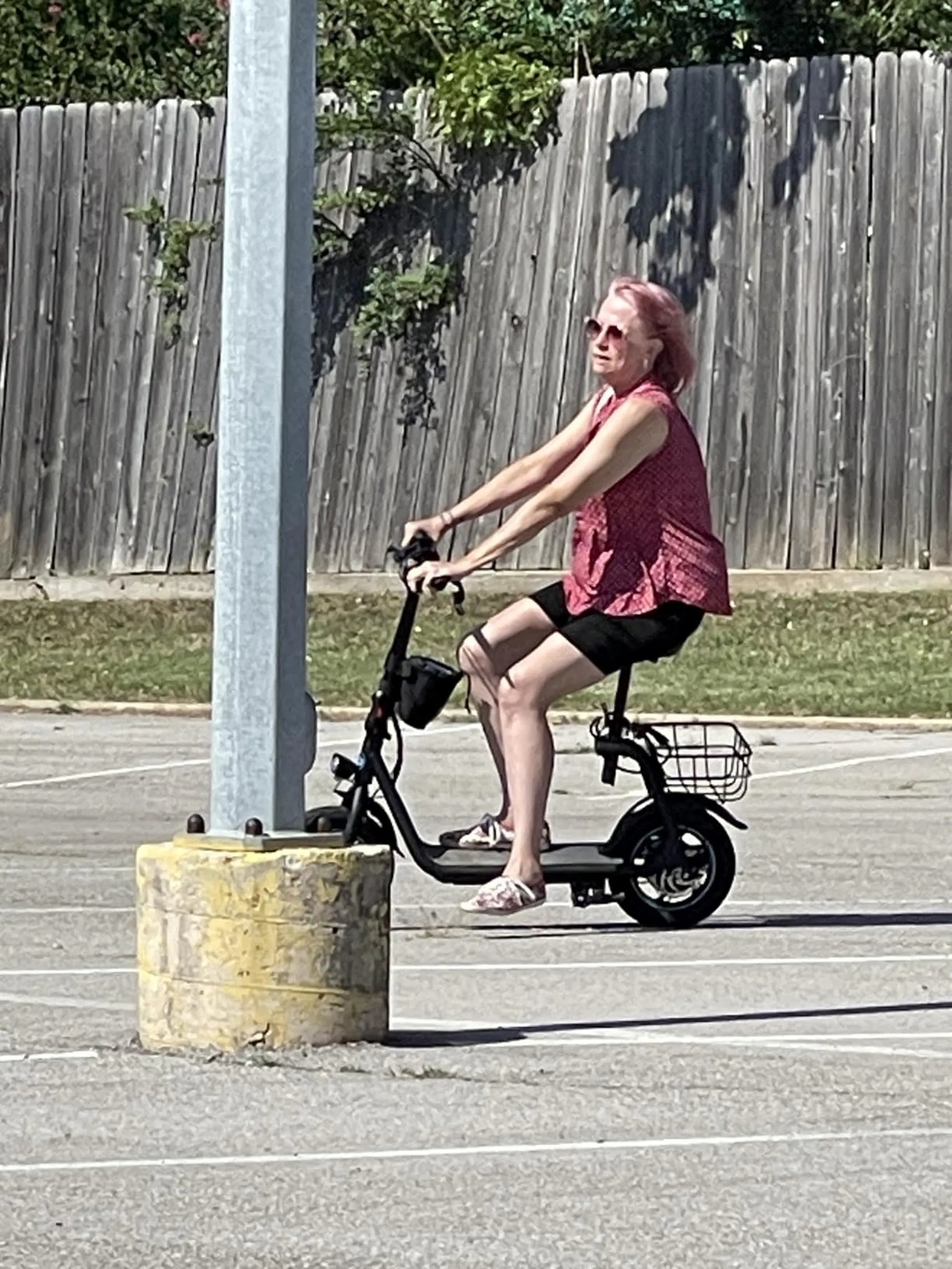
Ever wondered how self balancing scooters seem to glide effortlessly under the control of their riders? The secret lies in mastering the art of self balancing scooter control. Whether you're a beginner or an experienced rider, understanding the mechanics and techniques behind these futuristic devices can transform your riding experience. Let's dive into the world of self balancing scooters and uncover the skills you need to ride like a pro.
How Self Balancing Scooters Work
At the heart of every self balancing scooter is a sophisticated system of gyroscopes, accelerometers, and motors that work together to maintain stability. These components constantly monitor the rider's movements and adjust the scooter's speed and direction accordingly. When you lean forward, the scooter accelerates; when you lean back, it slows down or reverses. This intuitive control mechanism makes riding a self balancing scooter feel almost like an extension of your body.
Basic Self Balancing Scooter Control Techniques
Mastering the basics is essential for safe and enjoyable riding. Start by mounting the scooter carefully, placing one foot at a time while holding onto a stable surface for support. Once mounted, keep your knees slightly bent and your weight centered over the foot platform. To move forward, gently lean your upper body forward while keeping your feet flat. To stop or reverse, shift your weight backward. Practice these movements in a safe, open area until they feel natural.
Advanced Maneuvering and Control
Once you've mastered the basics, you can explore more advanced techniques. Sharp turns are achieved by applying slight pressure with one foot while leaning in the desired direction. For quick stops, shift your weight abruptly backward while maintaining your balance. Some riders learn to spin in place by applying opposite pressure with each foot. Remember, advanced maneuvers require practice and should only be attempted in controlled environments.
Safety Considerations for Optimal Control
Proper self balancing scooter control begins with safety. Always wear appropriate protective gear, including a helmet, knee pads, and elbow pads. Be aware of your surroundings and avoid crowded areas until you're completely comfortable with your scooter's responsiveness. Regularly check your scooter's battery level and mechanical condition, as these factors can significantly affect its performance and your ability to maintain control.
Troubleshooting Common Control Issues
Even experienced riders occasionally encounter control challenges. If your scooter feels unstable, check that the foot platforms are level and that the tires (if applicable) are properly inflated. Calibration issues can sometimes cause erratic behavior - consult your manual for recalibration instructions. If the scooter isn't responding to your movements as expected, it may indicate a sensor or motor problem that requires professional attention.
The Future of Self Balancing Scooter Control Technology
As technology advances, we're seeing exciting developments in self balancing scooter control systems. Some newer models incorporate artificial intelligence to learn and adapt to individual riding styles. Others feature enhanced stability algorithms that perform better on uneven surfaces. These innovations promise to make self balancing scooters even more intuitive and accessible to riders of all skill levels.
Imagine effortlessly weaving through city streets or cruising along park paths with perfect control over your self balancing scooter. With the knowledge you've gained from this guide, that vision can become your reality. The key to unlocking the full potential of your ride lies in understanding and mastering self balancing scooter control - so why wait? Your next adventure is just a lean away.
Two Wheel Self Balancing Scooter with Handle: The Future of Personal Mobility
What Is the Most Popular Electric Scooter and Why Everyone Wants One