

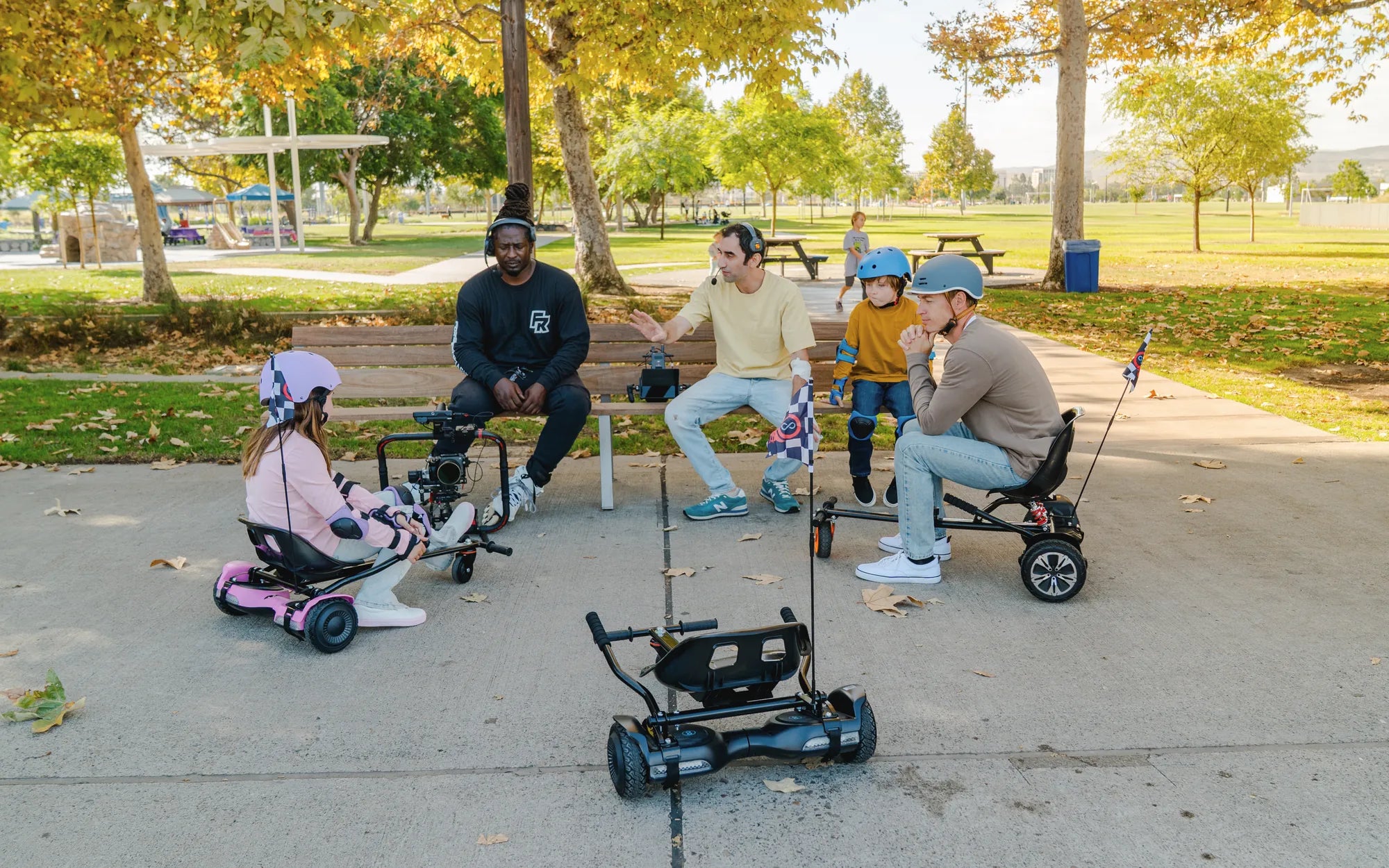
Introduction: Redefining Urban Mobility in the Big Apple
Navigating New York City demands agility, efficiency, and resilience. The self-balancing scooter New York scene has evolved from a novelty to a legitimate transportation solution, addressing the city's unique pain points. These compact electric vehicles, including electric unicycles and one-wheel boards, offer a transformative way to bypass gridlock, bridge subway gaps, and reclaim time.
For the urban commuter, the core challenge is moving efficiently through dense traffic, crowded sidewalks, and across significant distances between transit hubs and final destinations. Traditional options often fall short, leaving a gap for a personal, agile, and cost-effective mode of transport. This is where the modern self-balancing scooter excels.
Gyroor has engineered its lineup specifically for demanding urban environments like NYC. With a foundation built on UL-certified battery safety, IPX5 water-resistant durability, and a reliable 1-year warranty, the brand provides the peace of mind necessary for daily city use. This article will dissect why this vehicle category is NYC's secret weapon and what to look for in a model that can truly handle the city that never sleeps.
Why a Self-Balancing Scooter is NYC's Secret Commuting Weapon
The advantages of a personal electric transporter in New York are quantifiable and significant. The primary benefit is unparalleled maneuverability. In stop-and-go traffic or on crowded bike paths, a nimble self-balancing scooter can navigate spaces where cars, bicycles, and even standard e-scooters cannot, turning a frustrating crawl into a smooth glide.
Time savings translate directly to economic value. The average NYC commuter spends over 80 hours annually delayed in traffic. A self-balancing scooter with a 15-20 mph cruising speed can consistently beat car travel times for trips under 5 miles, which constitute a massive portion of intra-city travel. This efficiency bypasses the unpredictability of ride-share surge pricing and subway delays.
Cost-effectiveness is a major driver for adoption. When compared to a monthly unlimited MetroCard ($132) or daily ride-share expenses, the one-time investment in a quality self-balancing scooter pays for itself rapidly. There are no parking fees, no gas costs, and minimal maintenance expenses, making it one of the most economical personal transport options available.
Finally, it solves the "last-mile" problem with elegance. Many New Yorkers live a 10-15 minute walk from the nearest subway station—a distance that adds significant time to a daily commute. A self-balancing scooter covers that distance in 3-4 minutes, seamlessly connecting your front door to the transit network and your final destination, all without breaking a sweat.
Key Features to Look for in a NYC-Ready Self-Balancing Scooter
Not all personal electric vehicles are created equal for New York City's harsh environment. Selecting the right model requires a checklist of non-negotiable features tied directly to performance, safety, and practicality in an urban setting. The wrong choice can lead to being stranded, unsafe, or in violation of local regulations.
Key specifications to prioritize include real-world range, water resistance rating, motor power for hills, overall weight, and built-in safety features like lighting and audible alerts. These factors determine whether your device is a reliable daily partner or a fair-weather toy. The following sections break down the most critical components.
Battery Safety and Range: Your Ticket to Cross-Borough Travel
Battery technology is the most critical safety and performance factor. In a city of apartment buildings and public transit, using a device with a non-certified battery poses a significant fire risk. Gyroor's use of UL-certified battery packs, tested for over 500 charge cycles, is not just a feature—it's a necessity for safe indoor charging and peace of mind.
Range must be evaluated against real-world NYC commutes. A manufacturer's "maximum" range is often achieved under ideal laboratory conditions. For reliable commuting from, for example, Williamsburg to Midtown Manhattan (approx. 4-5 miles), you need a device with a stated range of at least 15-20 miles to account for variables like cold weather, frequent stops/starts, and inclines on bridges.
Battery management systems (BMS) are equally important. A high-quality BMS protects against overcharging, overheating, and deep discharge, all of which extend battery life and prevent failure. For a New Yorker relying on their device daily, this reliability is paramount to avoid being stranded during rush hour.
Build Quality and Water Resistance: Conquering City Streets
NYC streets are an obstacle course of potholes, expansion joints, and curb cuts. A robust frame constructed from aerospace-grade aluminum or reinforced polymers is essential to withstand daily impacts without developing cracks or electrical faults. Poor build quality leads to premature failure and potential accidents.
Water resistance is non-negotiable. Riding in light rain, through street cleaning spray, or over wet pavement is inevitable. An IP rating dictates this capability. An IPX5 rating, like that found on Gyroor models, means the device can withstand water jets from any direction, making it truly all-weather ready. A lower rating could result in water damage and costly repairs from a single unexpected downpour.
Tire quality and type also affect ride quality and safety. Air-filled (pneumatic) tires provide better shock absorption for rough asphalt and cobblestones, while solid tires eliminate the risk of flats. The choice depends on your route's terrain and your preference for comfort versus maintenance-free operation.
Portability and Weight: From Street to Subway to Studio
The final leg of any NYC journey often involves carrying your device. Whether it's up subway stairs, through a crowded lobby, or into a small apartment, weight and form factor matter immensely. The ideal weight range for a commuter-focused self-balancing scooter is between 25 and 35 pounds—light enough to carry briefly but heavy enough to indicate robust construction.
Form factor dictates portability. Electric unicycles (EUCs) are generally more compact and easier to roll alongside you when not riding, while one-wheel boards offer a different riding stance but can be bulkier to carry. Consider your daily routine: will you need to store it under a desk, in a crowded coat check, or in a narrow apartment hallway?
Built-in trolley handles are a premium feature that greatly enhances portability for heavier models, allowing you to wheel the device like luggage rather than carry it. This simple addition can make the difference between a device you use daily and one that becomes a burden.
Navigating NYC Laws and Etiquette for Self-Balancing Riders
Operating a personal mobility device in New York City requires understanding and adhering to specific regulations. The NYC Department of Transportation classifies electric scooters and similar devices under Local Law 2021/038, which legalized their use. Knowing the rules ensures your commute is not only efficient but also lawful and respectful to others.
The legal framework is clear. Riders must be at least 16 years old. The device's maximum speed must not exceed 15 mph when operated in bike lanes or on streets. Riding on sidewalks is prohibited—this is crucial for pedestrian safety and avoiding fines. The proper place to ride is in bike lanes or on roads with speed limits at or below 30 mph.
Safety equipment, while not always mandated by law for adults, is essential. Wearing a helmet is the single most important safety practice. Using front and rear lights, reflectors, and an audible bell or horn is also critical for visibility and communication, especially during early mornings, evenings, or in the rain.
Rider etiquette builds community acceptance. Yield to pedestrians at all times, even when they are in the bike lane. Maintain a safe, controllable speed, especially in crowded areas. When parking, never block sidewalks, building entrances, or accessible ramps. Responsible riding and parking ensure these devices remain a welcome part of the city's transportation ecosystem.
Gyroor's Commitment to the NYC Rider: Safety and Support Built In
For a New Yorker, a transportation device is a critical lifeline. Downtime is not an option. Gyroor's product philosophy directly addresses the core needs of the urban commuter through engineering and support choices that prioritize long-term reliability and safety over short-term cost savings.
The commitment starts with the power source. Every Gyroor model uses a UL-certified battery pack. This third-party certification is the gold standard for electrical safety, rigorously testing for hazards like overheating, short-circuiting, and thermal runaway. In a densely populated city, this certification mitigates risk for the rider, their home, and public spaces.
Durability is engineered for the environment. The IPX5 water-resistant rating across their commuter lineup means a Gyroor scooter is built to handle the realities of NYC weather, from summer thunderstorms to slushy winter streets. This resilience is paired with robust frame construction to absorb the constant vibrations and impacts of city streets.
Finally, support structures matter. Gyroor backs its products with a comprehensive 1-year warranty and accessible customer service. For a rider dependent on their device, knowing that a malfunction will be addressed promptly—minimizing commute disruption—provides invaluable confidence. This combination of certified safety, environmental durability, and reliable support defines a brand built for urban resilience.
Comparison: Electric Unicycle vs. One-Wheel Board for NYC
Choosing between the two primary forms of self-balancing scooters depends on riding style, portability needs, and learning curve. The table below provides a data-driven comparison to inform your decision.
| Feature | Electric Unicycle (EUC) | One-Wheel Board |
|---|---|---|
| Learning Curve | Steeper; requires more practice to master balance forward/back and side-to-side. | Easier for those with skateboard/surfing experience; intuitive lean-to-turn. |
| Maneuverability | Exceptional; 360-degree pivot capability, ideal for tight spaces. | Very Good; carving turns is natural, but turning radius is larger than an EUC. |
| Portability | Generally superior; more compact, often has a trolley handle for easy rolling. | Can be bulkier; carrying a board-shaped object is less convenient. |
| Terrain Handling | Excellent; larger wheel diameter (often 16") rolls over obstacles more easily. | Good; tire contact patch provides stability, but smaller wheel can be jarred by larger bumps. |
| Typical Range | Often higher (20-40+ miles) due to larger battery capacity in the frame. | Moderate (12-20 miles); form factor limits battery size. |
| Ideal NYC User | The long-distance commuter needing max range and portability for subway integration. | The recreational commuter or last-mile rider who values a familiar, board-like feel. |
Maintenance and Care for Your Urban Workhorse
Regular maintenance is minimal but essential for ensuring the longevity and safety of your self-balancing scooter. A simple weekly check can prevent most major issues. Start by inspecting the tire pressure (if using pneumatics) and tread for wear or embedded debris. Proper inflation ensures optimal range, battery efficiency, and ride comfort.
Keep the device clean, especially after riding in wet or salty conditions. Wipe down the frame with a damp cloth and ensure the charging port is free of dirt and moisture before plugging it in. Avoid using high-pressure water jets directly on seams or the charging port, even with a high IP rating.
Battery care is paramount for lifespan. Avoid draining the battery to 0% regularly. Where possible, store the device in a cool, dry place and avoid leaving it at full charge for extended periods (weeks) without use. If storing for the winter, a partial charge (around 60-80%) is ideal. Always use the manufacturer-provided charger.
Listen and feel for changes in performance. New vibrations, unusual sounds from the motor or wheel, or a decrease in range can be early indicators of an issue like a bearing problem, tire imbalance, or battery cell degradation. Addressing these early by consulting the manufacturer's support can prevent a minor issue from becoming a major failure during your commute.
Frequently Asked Questions (FAQ)
Q1: Are self-balancing scooters legal to ride on NYC streets and bike lanes?
A1: Yes. Under NYC Local Law, electric personal mobility devices, including self-balancing scooters, are legal to operate in bike lanes and on streets with speed limits at or below 30 mph. Riding on sidewalks is strictly prohibited.
Q2: Do I need a license, insurance, or registration to ride one?
A2: No. Currently, New York City does not require a driver's license, vehicle registration, or insurance to operate an electric scooter or self-balancing personal mobility device.
Q3: How far can I realistically travel on a single charge in the city?
A3>Real-world range is typically 70-80% of the manufacturer's stated maximum. For a device rated for 20 miles, expect 14-16 miles in NYC conditions with stops, starts, and minor inclines. This is sufficient for most cross-borough commutes with charging at your destination.
Q4: Can I take my self-balancing scooter on the subway or bus?
A4: MTA rules permit personal mobility devices on subways and buses, provided they do not block aisles or doors. It is considered courteous and practical to fold or carry the device during crowded peak hours. Ensure the battery is not damaged and the device is powered off.
Q5: What is the most important safety gear for riding in NYC?
A5> A certified bicycle helmet is the absolute minimum. Strongly recommended additional gear includes wrist guards, knee and elbow pads (especially while learning), high-visibility clothing or vest, and front/rear lights for your device if not already built-in.
Conclusion: Embrace a Smarter, More Agile New York Commute
The self-balancing scooter represents a paradigm shift in personal urban transportation, particularly for a complex environment like New York City. It delivers a practical solution to traffic congestion, high transit costs, and the last-mile dilemma, all while offering an enjoyable and efficient riding experience. The key to success lies in choosing a device engineered for the city's demands.
By prioritizing UL-certified battery safety, robust water-resistant construction, and adequate range, you invest in a reliable daily partner. Understanding and following NYC's laws and practicing conscientious rider etiquette ensure you contribute positively to the city's evolving mobility landscape. Brands like Gyroor have built their models around these core principles, offering the certified safety and durability that New York commuting necessitates.
Transforming your commute from a stressful daily chore into an efficient, enjoyable journey is within reach. The ultimate urban commuting experience combines the freedom of personal mobility with the reliability of professional-grade engineering. Explore how a purpose-built self-balancing scooter can redefine your movement through the city. Browse the full Gyroor collection at gyroorboard.com to find the model engineered for your New York life.
Scooter Self Balancing Scooter: The Future of Urban Mobility
Learn to Turn a Hoverboard: Mastering the Art of Smooth Maneuvering