



Ever wondered how to unlock the full potential of your self-balancing scooter? Whether you're a beginner or an experienced rider, this guide will transform your riding experience. From basic operation to advanced maneuvers, we've got you covered.
Getting Started with Your Self Balancing Scooter
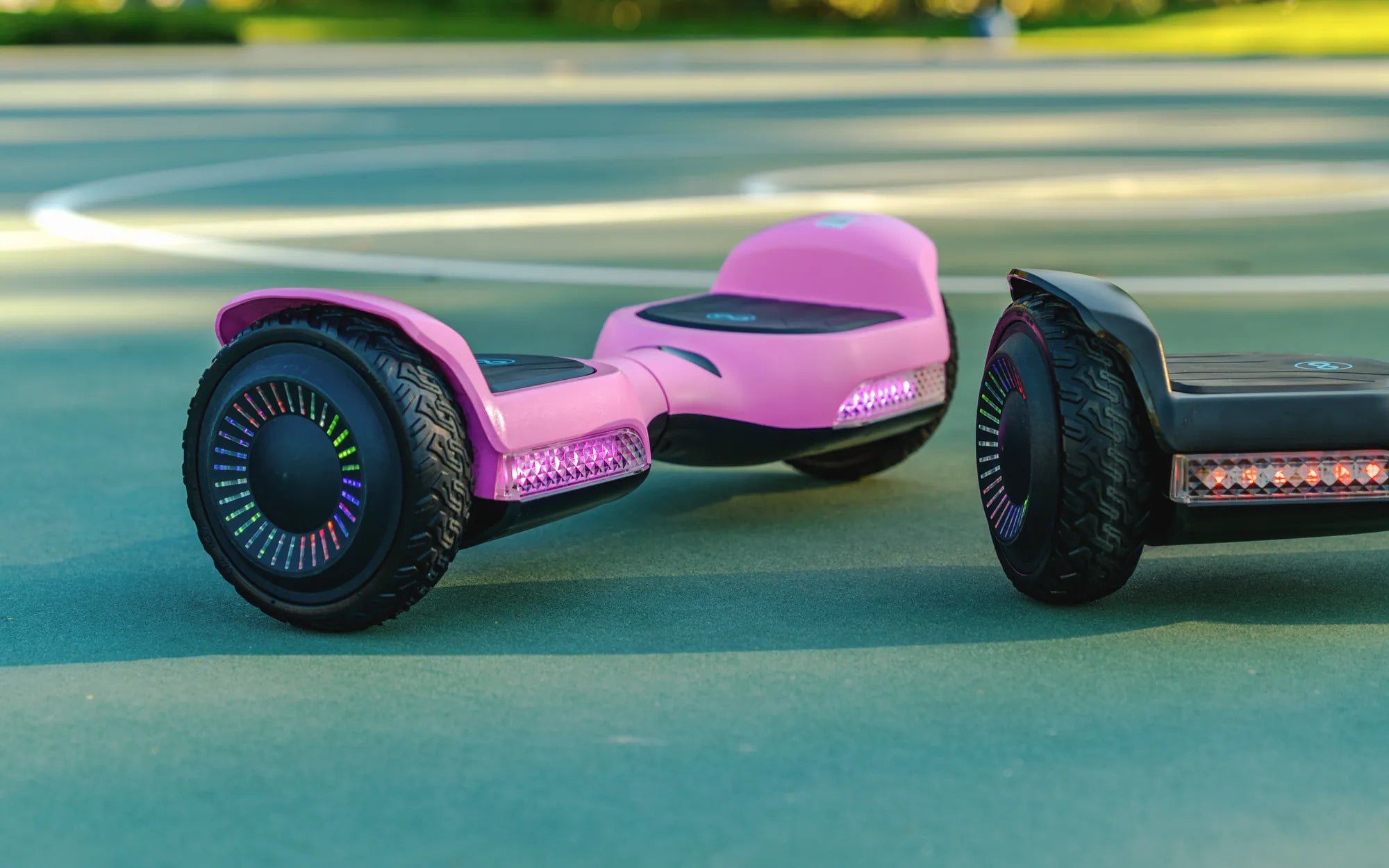
Before hopping on your scooter, it's crucial to understand its basic components. Most self-balancing scooters consist of a platform with two motorized wheels, gyroscopic sensors for balance, and a rechargeable battery. Familiarize yourself with the power button, charging port, and any indicator lights.
Initial Setup and Calibration
Your scooter may require calibration before first use. This typically involves placing it on a flat surface and pressing specific buttons to reset the gyroscopes. Always refer to your specific model's instructions for precise calibration steps.
Basic Operation and Riding Techniques
Mounting your scooter properly is the foundation of safe riding. Start by placing one foot on the platform while holding onto a stable support. Gradually shift your weight to center yourself, then place your second foot on the opposite side.
Mastering Movement Controls
Forward motion is controlled by leaning slightly forward, while leaning back slows you down or moves you backward. Turning is achieved by applying more pressure with one foot than the other. Practice these movements in a safe, open area before attempting busier environments.
Safety Precautions Every Rider Should Know
Never underestimate the importance of safety gear. A properly fitted helmet, knee pads, and elbow pads can prevent serious injuries. Avoid riding in wet conditions as this can damage electrical components and reduce traction.
Weight Limits and Terrain Considerations
Exceeding the recommended weight limit can strain the motors and reduce battery life. Similarly, rough terrain can damage wheels and affect balance. Stick to smooth surfaces until you gain considerable experience.
Battery Maintenance and Charging Best Practices
Proper battery care extends your scooter's lifespan. Always use the manufacturer-provided charger and avoid overcharging. Store your scooter in moderate temperatures, as extreme heat or cold can damage the battery.
Understanding Battery Indicators
Learn to interpret your scooter's battery indicators. Many models will flash warnings when power is low. Never ignore these signals, as sudden power loss while riding can be dangerous.
Troubleshooting Common Issues
If your scooter won't power on, first check the battery connection and charge level. For balance issues, recalibration might be necessary. Strange noises often indicate debris in the wheel housing or loose components.
When to Seek Professional Help
While some issues can be resolved at home, electrical problems or persistent balance malfunctions should be addressed by qualified technicians. Attempting complex repairs without proper knowledge can void warranties or create safety hazards.
Advanced Riding Techniques for Experienced Users
Once you've mastered basic operation, you can experiment with more advanced techniques. These might include sharper turns, riding backward, or navigating gentle slopes. Always progress gradually and never attempt maneuvers beyond your skill level.
Customizing Your Riding Experience
Some models offer adjustable sensitivity settings or speed modes. These can be tailored to your comfort level and riding environment. Remember that higher speeds require quicker reflexes and greater control.
Storage and Long-Term Maintenance
When not in use, store your scooter in a dry place away from direct sunlight. If storing for extended periods, maintain about 50% battery charge and power it on occasionally to keep components active.
Regular Inspection Checklist
Develop a routine of checking tire pressure, wheel alignment, and body integrity. Tighten any loose screws and clean the foot platforms regularly to maintain good traction.
Ready to take your self-balancing scooter skills to the next level? With these tips and techniques, you'll be gliding with confidence and style in no time. Remember, the key to mastering your scooter lies in patience, practice, and proper maintenance - happy riding!
How Hoverboard Works: The Science Behind Self-Balancing Scooters
How Hoverboard Works: The Science Behind Self-Balancing Scooters