


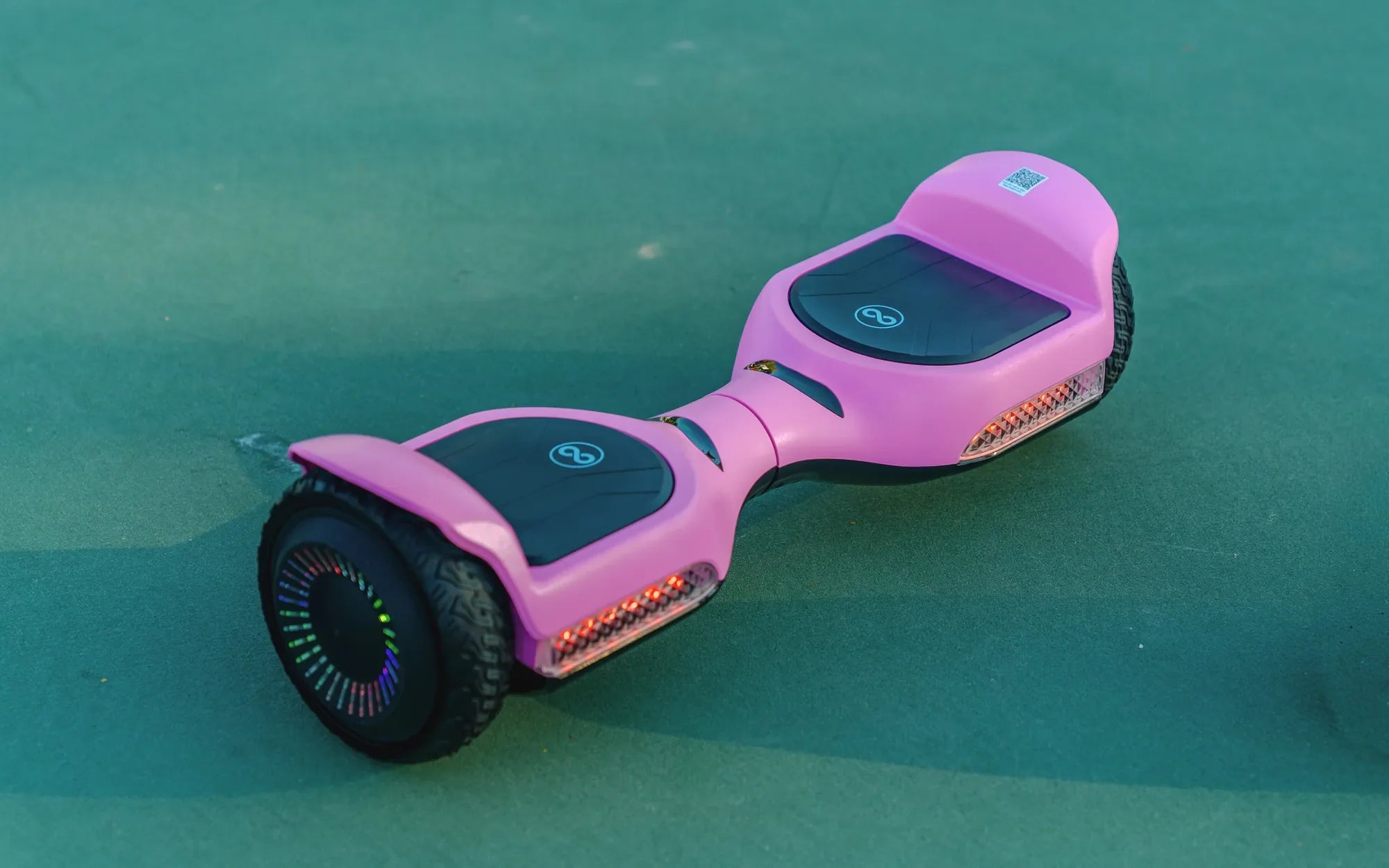
Few things are as frustrating as hopping on your self balancing scooter, only to find it won't turn on. Whether you rely on it for daily commutes or weekend fun, a dead scooter can throw a wrench in your plans. But before you consider replacing it, let's explore the possible reasons and solutions to get you back on track.
Common Causes of a Self Balancing Scooter Not Turning On
When your self balancing scooter refuses to power up, several issues could be at play. Here are the most likely culprits:
- Dead or depleted battery – The most common reason for a scooter not turning on.
- Faulty power button – The button may be stuck or damaged.
- Loose or damaged wiring – Internal connections may have come undone.
- Charger issues – A malfunctioning charger won't replenish the battery.
- Blown fuse or circuit board failure – Electrical components may need replacement.
Step-by-Step Troubleshooting Guide
1. Check the Battery
Start by ensuring your scooter's battery has enough charge. Plug in the charger and look for indicator lights. If the charger doesn't light up, try a different outlet or inspect the charger for damage. Leave it charging for at least an hour before attempting to power the scooter on again.
2. Inspect the Power Button
If the battery seems fine, the power button might be the issue. Press it firmly and listen for any clicks. If it feels stuck or unresponsive, gently clean around the button with a soft brush or compressed air to remove debris.
3. Examine the Wiring
For those comfortable with basic electronics, carefully open the scooter's casing (if possible) and inspect the internal wiring. Look for loose connections, frayed wires, or signs of corrosion. Reconnect any loose wires, but avoid touching components if you're unsure.
4. Test the Charger
Try using a different charger if available. If the scooter powers on with an alternative charger, the original one is likely faulty and needs replacement.
5. Check for Blown Fuses
Some self balancing scooters have replaceable fuses. Refer to your user manual to locate the fuse box. If the fuse appears black or broken, replace it with one of the same rating.
Preventative Measures to Avoid Future Issues
To minimize the chances of your self balancing scooter failing to turn on in the future, follow these best practices:
- Charge regularly – Don't let the battery fully deplete before recharging.
- Store properly – Keep the scooter in a dry, temperature-controlled environment.
- Avoid water exposure – Moisture can damage electrical components.
- Handle with care – Rough handling can loosen internal connections.
When to Seek Professional Help
If you've tried all troubleshooting steps and your self balancing scooter still won't turn on, it may be time to consult a professional. Circuit board failures, motor issues, and complex wiring problems often require specialized tools and expertise.
Don't let a non-responsive scooter ruin your day. With these troubleshooting tips, you're equipped to diagnose and potentially fix the issue yourself. Remember, regular maintenance goes a long way in keeping your ride smooth and reliable.
Best Black Hoverboard with Bluetooth: Ultimate Guide to Smart Riding
Self Balancing Scooter 2-Wheel Mini Smart Hoverboard: The Future of Personal Mobility