



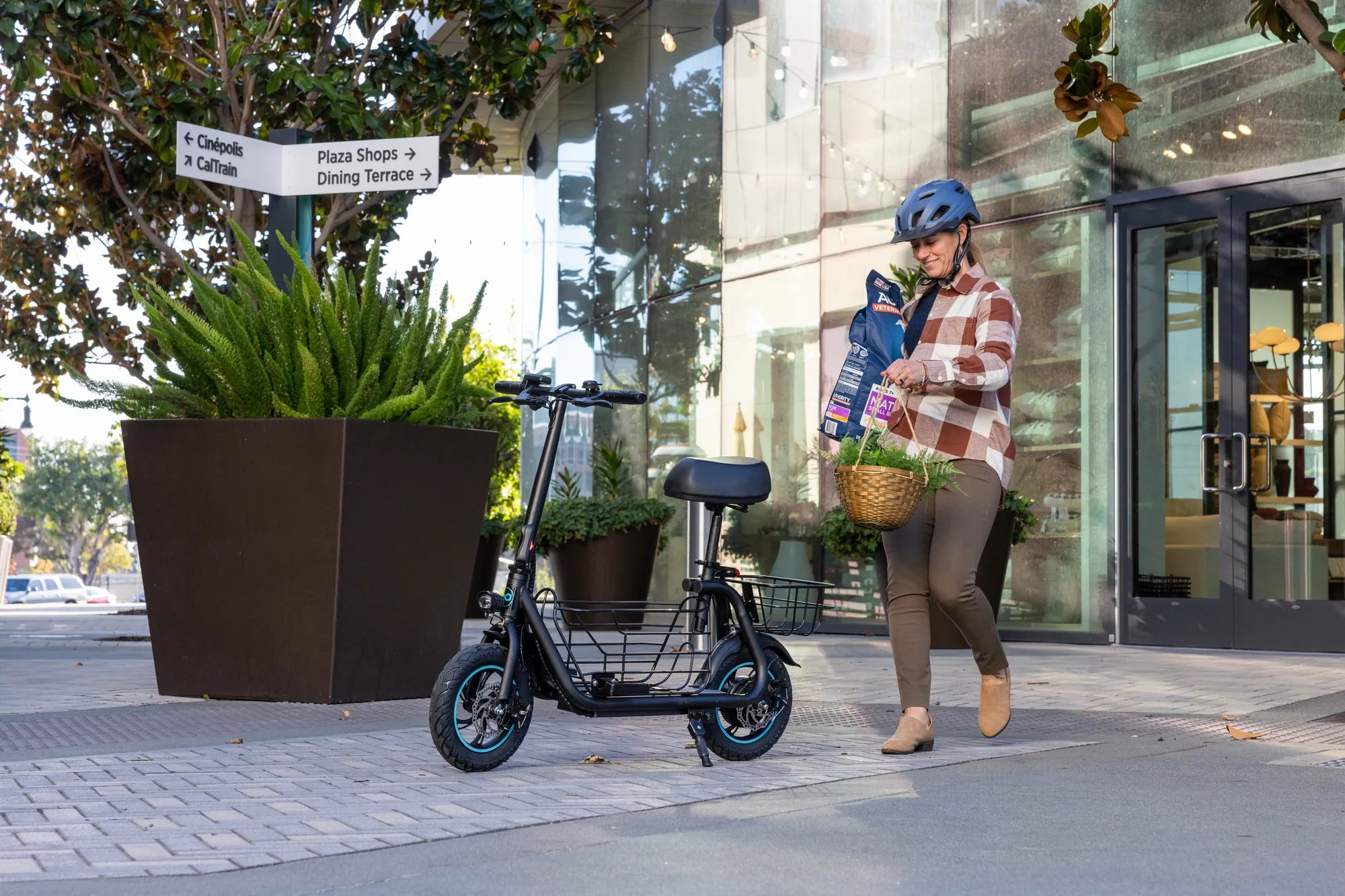
Imagine zipping through city streets on a sleek, electric scooter, bypassing traffic and reducing your carbon footprint—all with just a tap on your phone. Shared e scooter brands are making this vision a reality, offering an innovative solution to urban mobility challenges. Whether you're a daily commuter or a weekend explorer, these services are changing the way we move.
The rise of shared e scooter brands
Over the past decade, shared e scooter brands have exploded in popularity, filling a critical gap in urban transportation. These services provide a convenient, eco-friendly alternative to cars and public transit, particularly for short-distance trips. With dockless designs and easy-to-use apps, riders can locate, unlock, and pay for scooters in seconds. Cities worldwide are embracing this trend, recognizing the potential to reduce congestion and emissions.
How shared e scooter brands work
Shared e scooter brands operate on a simple yet effective model. Users download a mobile app, locate nearby scooters using GPS, and scan a QR code to unlock them. Rides are typically charged by the minute, with additional fees for unlocking. At the end of the trip, riders park the scooter in a designated area or a safe spot, ensuring it's available for the next user. This seamless process eliminates the need for physical stations, making it incredibly flexible.
Benefits of using shared e scooter brands
There are countless advantages to opting for shared e scooters over traditional transportation methods. Here are some of the most compelling:
- Convenience: No more waiting for buses or searching for parking—just grab a scooter and go.
- Affordability: Compared to ride-sharing or car ownership, e scooters are a budget-friendly option.
- Eco-friendly: Electric scooters produce zero emissions, helping cities combat air pollution.
- Last-mile solution: Perfect for bridging the gap between public transit and final destinations.
Challenges faced by shared e scooter brands
Despite their rapid growth, shared e scooter brands face several hurdles. Safety concerns, vandalism, and regulatory pushback are common issues. Many cities struggle with cluttered sidewalks due to improperly parked scooters, leading to stricter rules and fines. Additionally, the lifespan of scooters is often shorter than expected due to wear and tear, raising questions about sustainability.
The future of shared e scooter brands
As technology advances, shared e scooter brands are poised to become even more integrated into urban landscapes. Innovations like swappable batteries, improved durability, and AI-powered fleet management could address current challenges. Partnerships with city planners and public transit systems may also expand their reach, creating a more cohesive transportation network.
Ready to ditch traffic and embrace the future of urban mobility? Shared e scooter brands offer a fast, fun, and sustainable way to navigate your city—join the revolution today!
Low Speed E Scooter: The Ultimate Guide to Safe and Efficient Urban Commuting
Two Wheeler Scooter: The Ultimate Guide to Choosing the Perfect Ride