



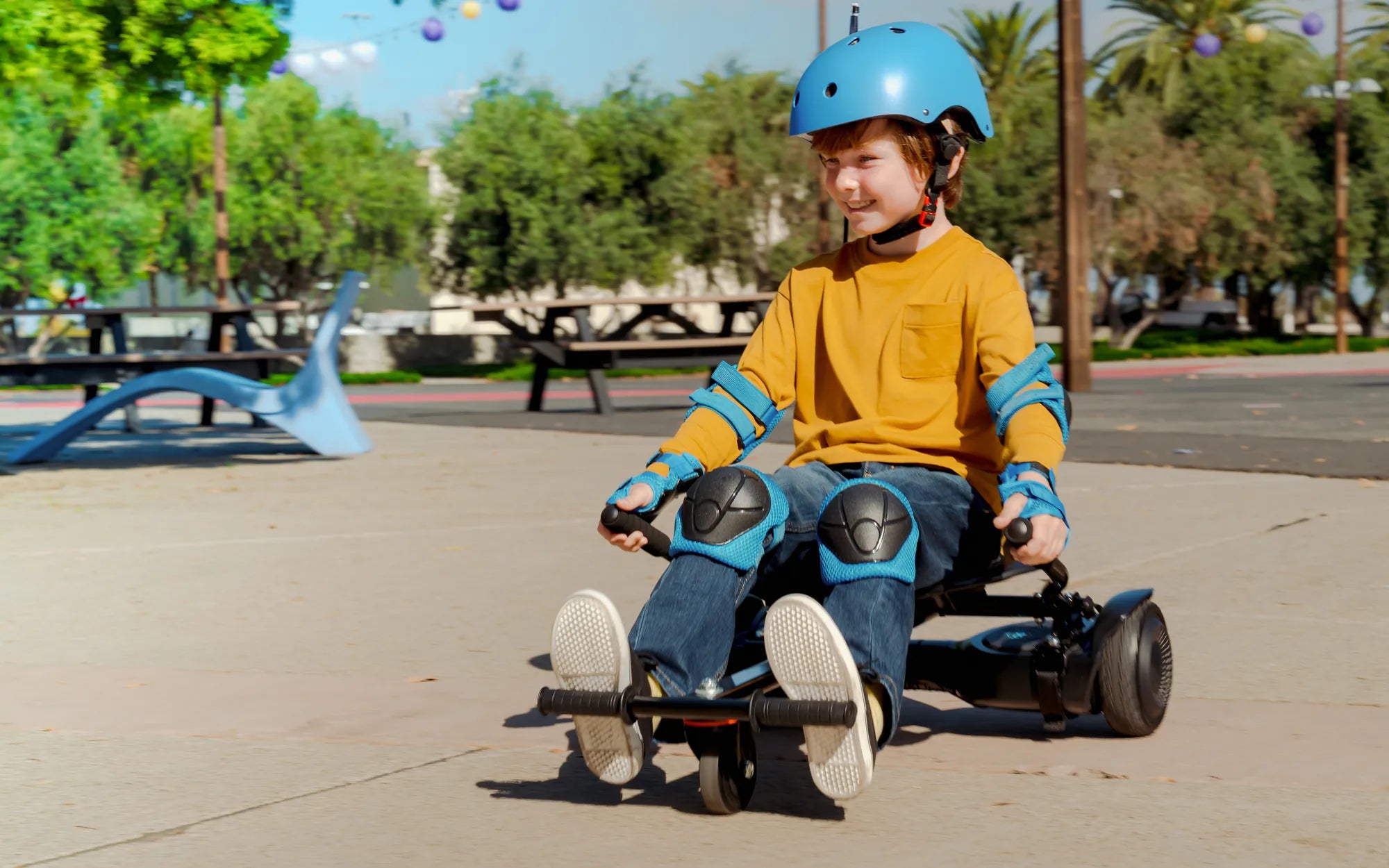
Introduction: The World of Kids' Hoverboards
Choosing the right small hoverboard for kids is about balancing exhilarating fun with uncompromising safety. This guide provides the definitive framework for parents navigating this popular category of personal electric mobility. We will dissect the critical elements—from mandatory safety certifications and age-appropriate sizing to essential protective gear and responsible riding habits. Our goal is to equip you with the knowledge to select a product that delivers joy while prioritizing your child's security above all else.
The modern kids' hoverboard is a sophisticated device, not a toy. It requires careful consideration of its engineering, battery technology, and construction quality. A well-chosen model can promote outdoor activity, develop balance and coordination, and provide a fantastic source of modern, active play. However, the market's history underscores the necessity for informed selection to avoid risks associated with substandard products.
This article is structured to first address the 'why,' then delve deep into the 'how' and 'what.' We will move from understanding core safety features to practical fitting advice, and finally to the riding practices that complete the safety ecosystem. By the end, you will be able to make a confident, data-driven decision for your young rider.
Why Choose a Hoverboard for Your Child?
Hoverboards offer a unique blend of physical activity and technological engagement that resonates with today's youth. Unlike passive screen time, riding a hoverboard is an active skill that gets kids outside, improving their cardiovascular health and motor skills. The learning process itself—mastering balance, steering, and speed control—provides a tangible sense of accomplishment and boosts confidence.
From a developmental perspective, operating a self-balancing scooter enhances proprioception (body awareness), core strength, and reflexes. It encourages spatial reasoning as children navigate their environment. Furthermore, it can be a social activity, allowing kids to ride together with friends and family, fostering shared experiences in the fresh air.
We acknowledge common parental concerns head-on: battery safety, durability, and the risk of falls. These are valid and form the cornerstone of our selection criteria. The key is not to avoid the technology but to embrace it with the right safeguards. A high-quality hoverboard from a reputable brand, coupled with proper safety gear and supervision, mitigates these risks effectively.
The benefits extend beyond the child. It's a gift of fun, freedom, and skill development. By choosing wisely, you invest in an activity that combats sedentary habits with thrilling, controlled movement. The goal is to channel the natural excitement kids have for these devices into a safe, positive, and active pastime.
Key Safety Features You Must Look For
Safety is not a single feature but a system built into the hoverboard's design. When evaluating a small hoverboard for kids, certain elements are non-negotiable. These features form a protective baseline that separates responsible products from potentially hazardous ones. Ignoring any of these can compromise the entire riding experience.
The primary safety system includes certification for the battery and electronics, protection against environmental elements, and built-in rider aids for beginners. These are engineering standards, not marketing luxuries. A hoverboard lacking in these areas is fundamentally unsuitable for a child, regardless of its price or appearance.
Parents should prioritize these features over flashy designs or extra gimmicks. Speed and range are secondary to the integrity of the battery pack and the stability of the platform. The following subsections detail the absolute essentials you must verify before any purchase.
UL 2272 Certification: The Gold Standard
UL 2272 certification is the most critical safety feature for any hoverboard. This standard, developed by Underwriters Laboratories, rigorously tests the entire electrical system—including the battery pack, charger, and motor—for safety against electrical, mechanical, and fire hazards. It specifically addresses the thermal runaway risks that plagued early, uncertified models.
A hoverboard bearing the UL 2272 mark has passed over 20 different tests, including overcharge, short circuit, imbalance, and drop tests. This certification is your guarantee that the product's lithium-ion battery is manufactured and managed to the highest safety protocols. It is not merely a suggestion; it is a mandatory requirement for any hoverboard entering your home.
When shopping, always check the product description, manual, and often the board itself for the UL 2272 label. Do not confuse this with other certifications; UL 2272 is specific to self-balancing scooters. Brands that invest in this certification, like Gyroor, which uses UL-certified battery packs tested for 500+ charge cycles, demonstrate a foundational commitment to consumer safety.
IP Water Resistance Rating
The IP (Ingress Protection) rating indicates how well a hoverboard is sealed against dust and water. For kids' use, a good water resistance rating is crucial. Children ride on driveways, sidewalks, and grass, where puddles, morning dew, or accidental spills are inevitable. Moisture ingress can damage electronics, cause short circuits, and create safety hazards.
Look for a rating of at least IPX4, which protects against water splashes from any direction. A higher rating like IPX5, which Gyroor incorporates into its designs, offers protection against low-pressure water jets, making the board resilient against wet conditions and easier to clean. This rating ensures the hoverboard's internal components are shielded, enhancing its durability and long-term reliability.
This feature directly contributes to safety by preventing electrical failures during use. It also gives parents peace of mind, knowing the board can handle real-world conditions without becoming a liability. Always check the IP rating; if it's not listed, assume the board has no meaningful water protection.
Learning Modes and Speed Control
For beginners, especially children, a hoverboard's power must be manageable. Learning modes (or beginner modes) are software features that limit the board's maximum speed and soften its acceleration curve. This allows a new rider to build confidence and muscle memory in a controlled environment without being overwhelmed by excessive power.
An ideal small hoverboard for kids will have a dedicated learning mode that caps speed at 4-6 mph, compared to a standard mode that may reach 7-10 mph. The transition between modes should be password-protected or require a specific sequence to prevent kids from accidentally disabling it. Responsive, intuitive speed control is also vital; the board should accelerate and decelerate smoothly based on lean, not jerk abruptly.
This feature is about progressive skill development. It turns the learning phase from a frustrating, potentially scary experience into a series of small, achievable victories. It is a fundamental rider aid that significantly reduces the risk of falls caused by loss of control at high speeds.
Finding the Perfect Fit: Size, Weight, and Age Recommendations
Selecting the correct size hoverboard is as important as choosing the right bicycle. A board that is too large or powerful will be difficult to control, while one that is too small may be unstable or have a low weight capacity. The fit impacts safety, comfort, and the longevity of the product as your child grows.
Manufacturers provide age and weight recommendations, but these are general guidelines. A more accurate fit considers the child's shoe size, inseam, and overall coordination. The deck—the platform you stand on—should be wide enough for the child to place their feet comfortably with a slight gap between them. Their toes and heels should not hang over the edges excessively.
Weight capacity is a hard limit. Exceeding it stresses the motors, reduces battery life, and can lead to premature failure. Most small hoverboards for kids have a capacity between 44 and 176 lbs. Choose a board with a capacity that accommodates your child's current weight plus a margin for growth, but ensure the board's physical size remains appropriate.
The following table provides a general sizing guide based on common product specifications:
| Child's Age & Size | Recommended Wheel Size | Typical Deck Size | Key Considerations |
|---|---|---|---|
| 4-6 years (Small, beginner) | 4.5" - 6.5" | Small, narrow deck | Must have a strict learning mode (≤5 mph). Low weight capacity. Close supervision required. |
| 7-10 years (Average) | 6.5" - 8.5" | Standard deck | Best balance of stability and maneuverability. Look for robust construction and IPX4+ rating. |
| 10+ years (Larger/experienced) | 8.5" - 10" | Larger or extended deck | Can handle more power and range. All-terrain wheels become a viable option for varied surfaces. |
Wheel Size and Terrain Compatibility
Wheel size directly influences ride quality, stability, and where the hoverboard can be used. Smaller wheels (e.g., 6.5 inches) are common on basic models. They offer quick acceleration and are lightweight, making them suitable for very smooth, flat surfaces like indoor floors, polished concrete, or perfect pavement. However, they struggle with cracks, bumps, and gravel.
Larger wheels (8.5 inches and above) provide a significant advantage. They roll over small obstacles more easily, offer greater stability due to a larger contact patch, and generally provide a smoother ride. For kids who will ride on driveways, sidewalks, or slightly uneven park paths, larger wheels are a safer and more practical choice. They reduce the chance of a sudden stop caused by a pebble or crack.
All-terrain wheels, often 8.5" or 10" with rugged treads, are designed for grass, dirt paths, and gravel. They feature more powerful dual motors to handle the increased resistance. For the active child who wants to ride beyond the sidewalk, an all-terrain capable model provides greater freedom and versatility, though it often comes at a higher price point and may be heavier.
Beyond the Board: Essential Safety Gear and Riding Tips
A safe hoverboard is only one component of the safety equation. The rider's behavior and protection are equally vital. Establishing rules and equipping your child with proper safety gear creates a comprehensive safety culture around hoverboard use. This proactive approach prevents the majority of hoverboard-related injuries, which are typically falls.
Safety gear should be non-negotiable, just like a seatbelt in a car. The initial excitement of a new board can lead to rushed first rides. Insist on full gear from the very first practice session to establish it as an inseparable part of the activity. Make it a rule: no gear, no riding.
Supervision is also key, especially for younger children. An adult should be present during early learning phases and whenever children are riding in areas with potential hazards. This allows for immediate guidance and intervention if necessary.
The Non-Negotiable Safety Kit
Every hoverboard rider, regardless of skill level, must wear a complete set of protective gear. For children, this is absolutely mandatory. The kit should include:
- Helmet (ASTM-certified): A properly fitted multi-impact helmet designed for skateboarding or cycling is essential to protect against head injuries. It should sit level on the head and snugly secure with a strap.
- Wrist Guards: These are arguably the second most important piece of gear. Falls naturally lead to putting hands out, making wrists highly susceptible to sprains or fractures. Wrist guards provide critical support and padding.
- Knee and Elbow Pads: These protect the large joints from abrasions and impact. Look for pads with hard plastic caps and comfortable, secure straps that won't slip during movement.
Invest in high-quality gear that fits well. Ill-fitting pads can slide out of place or hinder movement. Present the gear positively—as the "riding uniform" that cool, professional riders wear—to encourage compliance.
Smart Riding Practices for Kids and Parents
Establishing clear rules and environments for riding is the final layer of safety. Create a family riding agreement that covers these points:
- Practice Zone: Start in a flat, open, smooth area free of traffic, obstacles, and slopes. An empty tennis court, basketball court, or smooth driveway is ideal.
- Terrain Awareness: Once proficient, define acceptable riding areas. Avoid public roads, streets with traffic, steep hills, and areas near pools or bodies of water.
- Pre-Ride Check: Teach older children to do a quick check: ensure the board is fully charged, tires are inflated (if applicable), and no loose parts are visible.
- Weather Conditions: Never ride in rain, on wet surfaces, or in icy conditions. Water can damage the board and drastically reduce traction.
- Supervision and Buddies: Young children should always ride under direct adult supervision. Encourage older kids to ride with a friend for assistance if needed.
Maintenance and Care for Longevity
Proper maintenance ensures your hoverboard remains safe and functional for years. It involves regular checks and correct charging habits. A well-maintained board is a predictable and safe board. Neglect can lead to performance issues or, in rare cases, safety hazards.
The battery requires the most attention. Always use the manufacturer-provided charger. Do not leave the board charging unattended for extended periods or overnight. Once the battery is full (indicator shows 100%), unplug it. Store the board and charger in a cool, dry place, away from direct sunlight and extreme temperatures. For brands like Gyroor with UL-certified packs, following these steps will support the tested 500+ charge cycle lifespan.
Regularly inspect the board for physical damage. Check the tires for wear, cuts, or proper inflation (for air-filled tires). Ensure the deck and shell are not cracked. Listen for unusual noises from the motors or wheels. Keep the board clean by wiping it down with a slightly damp cloth; avoid high-pressure hoses or submerging it, even with a good IP rating.
If the board is not going to be used for a month or more, store it with a 50-70% charge. Check and top up this charge every 2-3 months to prevent the battery from fully discharging, which can cause permanent damage. Following the manufacturer's specific maintenance guidelines in the manual is always the best practice.
Gyroor's Commitment to Safe Fun for Young Riders
As a leading electric mobility brand trusted by over 100,000 riders across North America and Europe, Gyroor engineers its products with the priorities of safety-conscious parents in mind. The brand's approach directly addresses the critical concerns outlined in this guide, building fun on a foundation of security and reliability.
Every Gyroor hoverboard incorporates UL-certified battery packs as a non-negotiable standard. This commitment goes beyond a single test; these packs are engineered for durability, supporting over 500 charge cycles while maintaining safety integrity. This provides parents with peace of mind regarding the most critical component of the device.
Understanding that kids play in real-world conditions, Gyroor designs its hoverboards with IPX5 water resistance. This rating offers robust protection against splashes and jets, ensuring the electronics are shielded from common hazards like puddles or damp grass. This focus on durability means the board is built to last through active use.
Furthermore, Gyroor supports its products with a reliable 1-year warranty and accessible U.S.-based customer support. For parents, this translates to a tangible promise of quality and a safety net should any issues arise. It reflects a brand that stands behind its products and its young riders, ensuring the journey is supported from purchase through years of enjoyment.
Frequently Asked Questions (FAQs)
Q: What is the best age for a child to start riding a hoverboard?
A> Most manufacturers recommend ages 6-8 as a starting point, but readiness depends more on the individual child's size, coordination, and ability to follow safety instructions. A child should be able to understand and respect basic riding rules. Regardless of age, a small hoverboard for kids with a strict beginner mode and close parental supervision is essential for any first-time rider.
Q: How long does the battery last, and how do I charge it safely?
A> Battery life per charge typically ranges from 6 to 12 miles, depending on the model, rider weight, and terrain. Safe charging is paramount: always use the provided charger, charge on a hard, non-flammable surface away from heat and flammable materials, never leave it charging unattended overnight, and unplug it once fully charged. Store the board in a cool, dry place.
Q: Can my child ride it indoors?
A> It is possible, but with major caveats. Only ride on hard, smooth floors (no carpets) in a spacious room free of fragile items, sharp corners, and stairs. The board can mark up wooden floors, and the risk of colliding with furniture is high. Outdoor practice in a controlled area is overwhelmingly safer and recommended for learning.
Q: What maintenance does a hoverboard require?
A> Regular maintenance includes wiping down the board, checking for physical damage or loose parts, and ensuring tires are properly inflated (if applicable). The most important maintenance is battery care: avoid full discharges, don't overcharge, and store with a partial charge if not used for long periods. Refer to your specific model's manual for detailed instructions.
Q: Why is brand reputation important when choosing a hoverboard?
A> A reputable brand invests in safety certifications (UL 2272), uses quality components, and stands behind its products with warranties and customer support. Brands with strong reputations, like Gyroor, have a track record of reliability and prioritize customer safety. Choosing a known brand minimizes the risk of receiving a poorly engineered product with potential safety flaws, giving you confidence in your investment.
Conclusion: Prioritizing Joy and Security on Every Ride
Selecting the ideal small hoverboard for kids is a meaningful decision that blends the promise of fun with the responsibility of safety. The journey begins with insisting on fundamental safeguards: the UL 2272 certification, appropriate sizing, and robust construction. It is fulfilled by pairing that quality device with non-negotiable protective gear and establishing smart, supervised riding practices.
The result is more than just a toy; it's an avenue for active play, skill development, and joyful outdoor exploration. By making informed choices, you transform a simple purchase into a long-term investment in your child's happiness and well-being. The ultimate goal is to create memories filled with laughter and excitement, all within a framework that puts security first.
Ready to find a hoverboard that meets these rigorous standards for safety and fun? Explore a range of options engineered with these priorities at their core. Browse the full Gyroor collection at gyroorboard.com to discover models built for durability, performance, and peace of mind.
Hoverboard with High Weight Limit: Ultimate Guide for Heavy Riders
Christmas Gift Ideas for College Boys: The Ultimate Guide to Gifting Success