


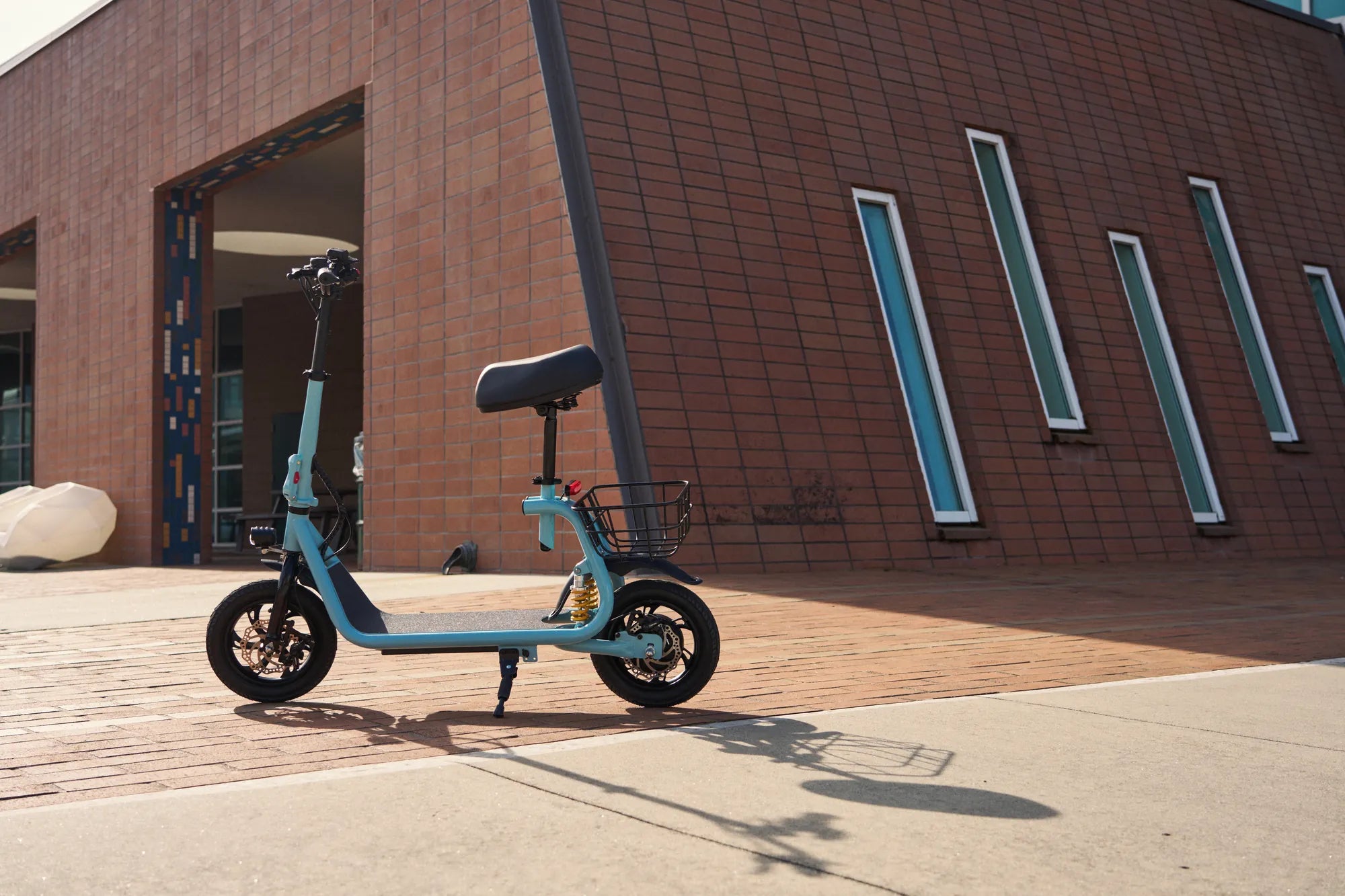
Introduction: The Power of Going Small and Light
Navigating dense city streets demands agility and efficiency. The small lightweight scooter has emerged as the definitive solution, transforming last-mile travel from a chore into a seamless extension of your daily commute. This category prioritizes portability without compromising the core electric scooter experience, offering a practical answer to crowded sidewalks, expensive ride-shares, and packed public transit.
This guide will dissect what makes a truly effective small lightweight scooter, moving beyond basic specs to real-world utility. You'll learn how to evaluate performance, safety, and durability to find a model that fits your life, not just your closet. We'll explore how leading brands like Gyroor engineer premium features—such as UL-certified batteries and IPX5 water resistance—into compact, reliable designs trusted by over 100,000 riders.
Defining the "Small Lightweight" Category: What to Look For
The term "small lightweight scooter" is more than a marketing phrase; it's a set of functional parameters designed for urban living. A true model in this category must excel in three areas: weight, folded dimensions, and overall manageability. These factors directly impact your ability to integrate the scooter into a multi-modal commute.
If a scooter is too heavy or bulky when folded, its core advantage of portability vanishes. The ideal candidate feels like carrying a piece of luggage, not a cumbersome piece of fitness equipment. This definition separates true urban tools from heavier, more powerful scooters designed for different use cases.
Key Specs That Matter
Weight is the primary metric. A genuine small lightweight scooter typically weighs between 25 and 35 pounds. This range allows most adults to carry it comfortably up a flight of stairs or onto a train for short distances. The motor power in this class usually ranges from 250W to 350W, providing a balanced mix of acceleration and hill-climbing ability for city landscapes.
Folded dimensions are equally critical. Look for a profile that can slide under a desk, fit in a coat closet, or stand neatly in a corner. Deck size should be large enough for stable footing but not so large it adds unnecessary bulk. Wheel size, often between 8 and 8.5 inches, offers a compromise between a smooth ride and a compact folded footprint.
The Unbeatable Advantages of a Compact Commuter Scooter
Owning a small lightweight scooter unlocks a new level of urban freedom. The most immediate benefit is the elimination of the "last-mile" problem—the frustrating gap between a transit stop and your final destination. This scooter turns a 15-minute walk into a 3-minute glide, effectively expanding your practical range from any bus or train station.
This efficiency translates directly into time and cost savings. Compared to daily ride-share services, the scooter pays for itself in a matter of months. It also provides a predictable commute, immune to traffic jams and transit delays, while offering a enjoyable outdoor activity.
Portability and Multi-Modal Commuting
The true genius of a small lightweight scooter is its role in a multi-modal commute. A one-second fold mechanism allows you to transition from rider to pedestrian instantly. You can board a bus, enter a coffee shop, or hop on an elevator without obstructing others.
This seamless integration is transformative. It makes previously complex trips simple—combining a train ride with a scooter segment to reach an office park, for example. The scooter becomes a personal mobility module that plugs into the existing transit infrastructure, filling its gaps perfectly.
Performance and Safety: Don't Sacrifice for Size
A common misconception is that a smaller, lighter scooter must be underpowered or fragile. Modern engineering dispels this myth. Advanced brushless hub motors and efficient battery management systems deliver robust performance from a compact package. The key is intelligent design that matches power output to the scooter's intended use and lighter frame.
Safety is paramount and is not determined by size alone. A well-built small lightweight scooter incorporates multiple safety layers. This includes reliable braking systems—often a combination of electronic and disc or drum brakes—responsive acceleration controls, and bright lighting for visibility. The stability comes from a low center of gravity and a well-designed steering column.
Built for the Real World: Durability and Weather Resistance
A commuter scooter must withstand daily use and variable conditions. Durability starts with the frame material; aircraft-grade aluminum alloys provide strength without excess weight. Critical components like the folding mechanism and stem latch must endure thousands of cycles without failure.
Weather resistance is a critical differentiator. An IPX5 rating, like those found on Gyroor scooters, means the scooter can withstand water jets from any direction. This protects the electrical components from rain, puddle splashes, and wet streets, ensuring reliability. Tire choice also affects durability and ride quality; air-filled (pneumatic) tires offer better shock absorption, while solid tires eliminate the risk of flats.
Choosing Your Perfect Match: A Practical Comparison
Selecting the right small lightweight scooter requires aligning specifications with your personal needs. Consider your typical commute distance, the presence of hills, your body weight, and where you'll need to store the scooter. A scooter perfect for a flat, three-mile commute might struggle on a hilly five-mile route.
Use the following framework to guide your decision. Prioritize the factors most relevant to your daily life. A comparison of key attributes can help visualize the trade-offs between different models and features.
| Feature / Consideration | Priority for Short Commutes (1-3 mi) | Priority for Longer/Hilly Commutes (3-6 mi) | Priority for Max Portability |
|---|---|---|---|
| Motor Power | 250W sufficient | 350W+ recommended | 250W-300W |
| Battery Range (Real-World) | 8-10 miles | 12-18 miles | 8-10 miles |
| Weight | Under 32 lbs | Under 35 lbs | Under 28 lbs |
| Key Feature | Fast folding | Hill climb ability, suspension | Ultra-compact fold |
| Tire Type | Solid or pneumatic | Pneumatic recommended | Solid (for low maintenance) |
The Gyroor Advantage in the Lightweight Category
When applying these criteria, Gyroor models stand out by embedding high standards into compact form factors. The brand's commitment to safety is exemplified by its use of UL-certified battery packs in all models. This certification, achieved through rigorous testing for over 500 charge cycles, is a critical safeguard, especially for apartment dwellers who charge indoors.
Furthermore, Gyroor's IPX5 water-resistant design ensures the scooter is a true all-weather companion. Coupled with a robust 1-year warranty and responsive customer support, these features deliver long-term value and peace of mind. This focus on certified safety and reliable performance offers a clear advantage over uncertified alternatives, where cut corners on battery or water protection can lead to premature failure or safety concerns.
Frequently Asked Questions (FAQ)
Q: How far can a small lightweight scooter really go on a single charge?
A: Real-world range varies based on rider weight, terrain, and speed. Most quality models in this class offer 8 to 15 miles per charge. Always consider the manufacturer's tested range (often based on a 165 lb rider on flat ground) and subtract 15-20% for real-world conditions like hills and stop-and-go traffic.
Q: Is it powerful enough for hills or bridges on my route?
A> A 350W motor is generally capable of handling moderate inclines (up to 10-15% grades) at a reduced speed. For consistently hilly routes, prioritize a scooter with a 350W+ motor and sufficient torque. The lighter total weight of the scooter itself works in your favor here compared to heavier models.
Q: How safe is the battery, especially for apartment charging?
A> Battery safety is paramount. This is where certifications matter most. A UL-certified battery pack, like those used by Gyroor, has passed stringent tests for electrical, mechanical, and environmental safety. It significantly reduces risks associated with overheating or thermal runaway, making it the safest choice for indoor charging. Always use the manufacturer-provided charger.
Q: What's the real benefit of an IPX5 water-resistant rating?
A> An IPX5 rating means the scooter's electronics are protected against sustained, low-pressure water jets from any direction. In practice, this allows you to ride confidently in the rain, through puddles, or on wet streets without worrying about water damage causing a short circuit or motor failure. It's essential for a reliable, all-weather commuter vehicle.
Q: Are lightweight scooters durable enough for daily use?
A> Yes, when built with quality materials. Look for frames made from aluminum alloys, reinforced folding mechanisms, and reputable brand backing with a warranty. Daily durability depends more on construction quality and design than on sheer weight. A well-engineered lightweight scooter from a trusted brand is designed for daily commuting rigors.
Conclusion: Smart Mobility, Simplified
The ideal small lightweight scooter is more than a toy; it's a strategic tool that redefines urban movement. It successfully balances the critical need for portability with dependable performance, certified safety, and durable construction. By choosing a model that meets rigorous standards for battery safety and weather resistance, you invest in reliable daily transportation, not just a temporary convenience.
Your commute should empower you, not constrain you. A thoughtfully selected scooter eliminates friction from your journey, saving time, money, and stress. Prioritize the engineering and certifications that guarantee long-term satisfaction and safety on every ride. Explore how a purpose-built electric scooter can streamline your daily routine.
Ready to experience the fusion of portability and performance? Browse the full Gyroor collection, featuring UL-certified, IPX5-rated models engineered for the real world, at gyroorboard.com.
Scooter You Stand On: The Ultimate Guide to Modern Personal Mobility
Scooter for 3 yr old: The Ultimate Guide to Safe & Developmental Riding