



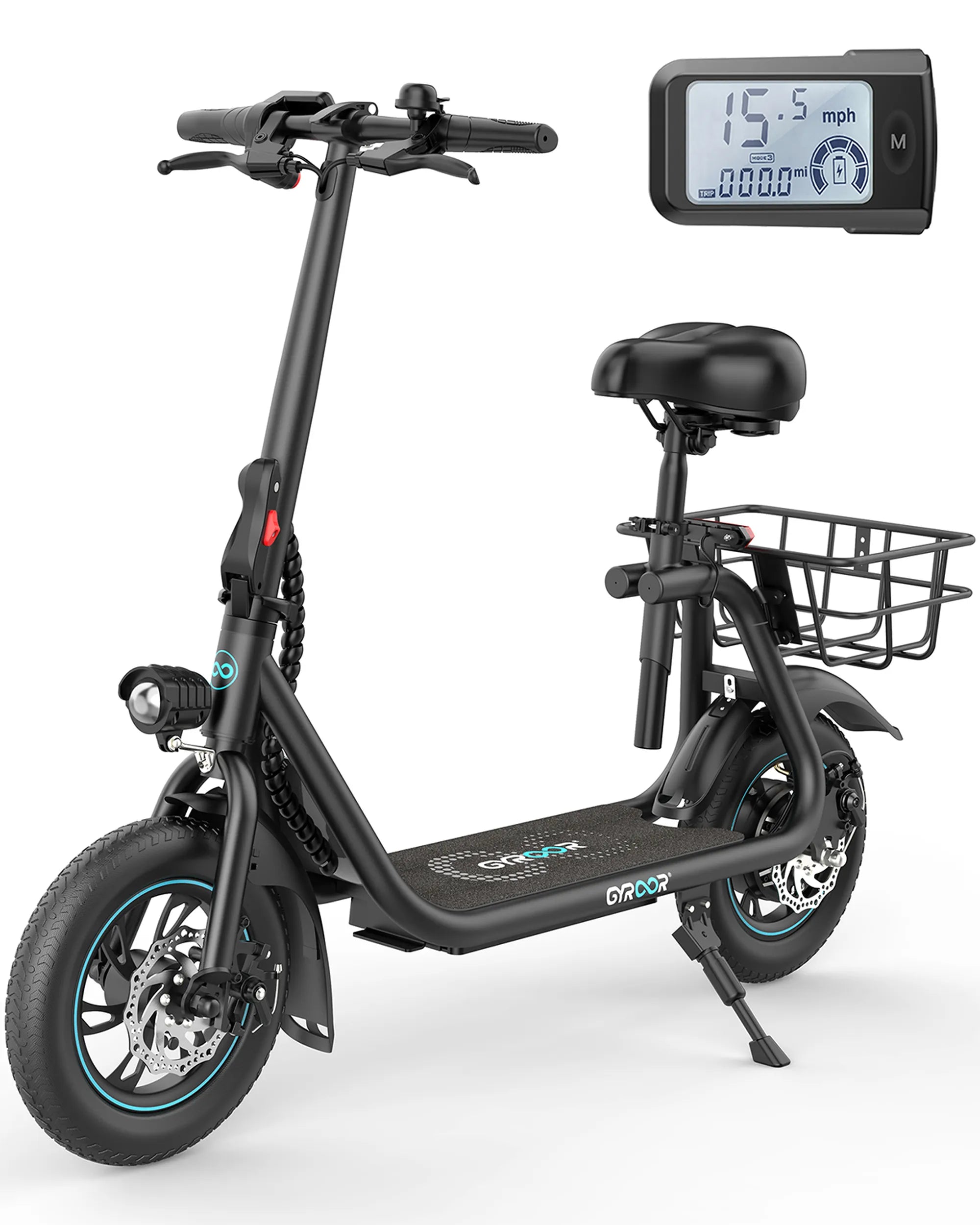
Introduction: Redefining Urban Commutes with Super Electric Scooters
Urban mobility is undergoing a silent revolution, and at its forefront are super electric scooters. This category represents a significant leap from the basic, last-mile rentals and toy-like scooters of the past. A super electric scooter is defined by high-performance engineering: powerful motors for confident acceleration and hill climbing, extended-range batteries that conquer 'range anxiety,' and robust, durable builds designed for daily, real-world use. These vehicles are solving the core frustrations of modern city life—gridlocked traffic, scarce and expensive parking, and carbon emissions—by offering a personal, efficient, and exhilarating alternative.
The shift is tangible. Commuters are trading subway crowds and gas station stops for a swift, wind-in-your-face ride that connects home, work, and leisure seamlessly. This isn't just about convenience; it's about reclaiming time and transforming the daily grind into an enjoyable experience. Leading this innovation are brands like Gyroor, a trusted name for over 100,000 riders, which engineer scooters that blend thrilling performance with critical safety features, proving that the future of urban mobility is not only smart but also supercharged.
This article will decode the specifications that matter, compare top-tier models, and provide a comprehensive guide to integrating a super electric scooter into your life. We will move beyond marketing hype to deliver factual, data-driven insights, helping you understand why super electric scooters are more than a trend—they are a viable, sustainable cornerstone of future city transport.
What Makes a Scooter "Super"? Key Performance Metrics Decoded
Distinguishing a super electric scooter from a standard model requires looking beyond simple advertisements. The designation is earned through a combination of exceptional performance, endurance, and build quality across several key metrics. These are not mere increments in spec sheets; they are transformative features that change how, where, and how far you can ride.
While a basic scooter may get you a few miles on flat ground, a super scooter is built for the complexity of real urban and suburban landscapes. It handles steep inclines, maintains speed over longer distances, absorbs the shock of potholed streets, and operates reliably in less-than-ideal weather. Understanding these metrics—power, range, and durability—is the first step in making an informed investment in your mobility.
Power & Speed: Beyond the Basic Commute
Motor power, measured in watts (W), is the engine of your ride. Basic commuter scooters often feature single motors ranging from 250W to 350W. Super electric scooters start at a robust 500W single motor and frequently employ dual-motor configurations reaching 1000W, 1600W, or even higher. This power translates directly to acceleration, top speed, and hill-climbing capability.
A 500W motor can comfortably handle most urban hills, but a 1000W+ dual-motor system provides the torque to conquer steep grades with ease, often exceeding a 30% incline. Real-world top speeds for this category typically range from 25 mph to over 40 mph, allowing riders to keep pace with city traffic safely and confidently. This power isn't just for thrill-seekers; it's a safety feature, enabling quick, controlled acceleration to navigate intersections and merge with traffic flow when necessary.
Range & Battery: Conquering Range Anxiety
The promised range is often the most scrutinized spec, and for good reason. Range anxiety—the fear of a depleted battery mid-commute—defeats the purpose of a reliable vehicle. Super electric scooters address this with high-capacity batteries, measured in watt-hours (Wh). While a basic model may have a 250Wh battery, super scooters frequently pack 500Wh, 750Wh, or larger power packs.
It's crucial to understand that advertised range is a best-case scenario. Real-world range is affected by rider weight, terrain, wind, temperature, and riding style (constant top speed drains the battery faster). A scooter advertised for 40 miles might deliver 25-30 miles under typical mixed-use conditions. This is why battery quality is paramount. Brands like Gyroor use UL-certified battery packs, which undergo rigorous testing for safety, stability, and longevity, often rated for 500+ charge cycles while maintaining significant capacity.
Build & Durability: Engineered for the Real World
A super electric scooter must withstand daily punishment. The frame is its skeleton, and aerospace-grade aluminum alloys are the standard, offering an optimal balance of strength and lightweight design. The suspension system is equally critical; dual spring or hydraulic suspension absorbs impacts from cracks, curbs, and uneven pavement, protecting both the scooter and the rider's comfort.
Tire choice also defines the ride. Pneumatic (air-filled) tires provide superior shock absorption and traction compared to solid tires, though they require occasional pressure checks. Finally, the Ingress Protection (IP) rating dictates weather resistance. An IPX5 rating, as found on Gyroor models, means the scooter can withstand water jets from any direction, making it safe to ride in rain or through puddles. This combination of robust materials, advanced suspension, and water resistance defines a scooter built to endure, not just perform.
Super Scooter Showdown: How Top Models Stack Up
With the core metrics defined, a practical, data-driven comparison illuminates the differences between leading models in the super electric scooters category. The table below contrasts key specifications to highlight how various models prioritize performance, range, and utility. This comparison helps translate technical specs into real-world riding experiences.
| Model | Max Speed | Real-World Range | Motor Power | Suspension | Max Load | Key Features |
|---|---|---|---|---|---|---|
| Gyroor Warrior | 28 mph | 28-32 miles | 500W (Peak 800W) | Dual Spring + Hydraulic | 330 lbs | UL-Certified Bat., IPX5, Dual Brakes, 10" Pneumatic Tires |
| Competitor A (Performance) | 40 mph | 22-28 miles | Dual 1000W | Hydraulic Front / Spring Rear | 265 lbs | Extreme Speed, LED Display, Sport Tuning |
| Competitor B (Long-Range) | 25 mph | 40-45 miles | 600W Single | Front Spring | 280 lbs | Massive Battery Capacity, Cruise Control |
| Gyroor Lightning (Hypothetical Pro Model) | 34 mph | 30-35 miles | Dual 800W | Full Hydraulic | 350 lbs | IPX5, UL-Certified, Advanced Regenerative Braking, App Connectivity |
This comparison reveals clear trade-offs and specializations. The Gyroor Warrior, for instance, offers a balanced and robust package with a strong emphasis on safety certifications (UL, IPX5) and a high max load capacity, making it a reliable workhorse for diverse riders. Competitor A prioritizes raw speed and acceleration, while Competitor B sacrifices some power and suspension for maximum range.
Choosing Your Match: Commuter vs. Off-Road Adventurer
The "super" category itself has sub-segments tailored to different primary uses. Your choice should align with your most frequent riding scenarios. For the daily urban commuter, key priorities include a balance of range and speed (e.g., 25-30 mph, 25+ mile range), portability (foldable design, manageable weight), comfort (good suspension, pneumatic tires), and practical features like integrated lighting and water resistance. Reliability and safety certifications become paramount, as this is a daily utility vehicle.
For the off-road adventurer or thrill-seeker, the priorities shift dramatically. Maximum torque and power (high-wattage dual motors) are essential for dirt trails and steep grades. Advanced, long-travel suspension (often hydraulic) and large, knobby pneumatic tires are necessary to absorb big impacts and maintain traction on loose surfaces. Top speed may be less critical than low-end torque and robust construction to handle jumps and rough terrain. In this segment, absolute durability often takes precedence over lightweight design.
The Gyroor Advantage: Safety and Reliability Built-In
In a market filled with options, Gyroor distinguishes itself by engineering performance with a non-negotiable foundation of safety and long-term reliability. This philosophy transforms technical specifications into tangible rider benefits and peace of mind, which is critical when your vehicle is a primary mode of transport. For over 100,000 riders, this has meant a consistent, trustworthy experience.
The brand's commitment is evident in two core areas that are often compromised in cheaper alternatives: battery safety and overall build integrity. By focusing on these fundamentals, Gyroor ensures that the exhilarating performance of its super electric scooters is matched by the confidence that comes from a well-built, secure product backed by strong customer support.
UL-Certified Battery Packs: The Gold Standard in Safety
The battery is the heart and most critical safety component of any electric scooter. UL certification (from Underwriters Laboratories) is an independent, rigorous validation process. It tests for electrical safety, mechanical integrity, and environmental stress to ensure the battery pack will not overheat, catch fire, or fail dangerously under normal or fault conditions.
Gyroor's use of UL-certified battery packs, tested for over 500 charge cycles, is a definitive advantage. It directly addresses the most significant safety concern with electric personal transport. In contrast, uncertified batteries from lesser-known brands can pose serious fire hazards due to poor-quality cells, inadequate battery management systems (BMS), or shoddy construction. Choosing a scooter with this certification is not an optional upgrade; it is a fundamental requirement for safe ownership.
Built to Endure: IPX5 Water Resistance and Robust Warranty
Durability is tested by the elements. An IPX5 water resistance rating means the scooter's electrical components are sealed against low-pressure water jets from any direction. In practical terms, this allows you to ride confidently in light to moderate rain, through urban puddles, or after a quick wash without worrying about water damage causing a short circuit or motor failure. This feature is essential for a true all-weather, reliable commuter vehicle.
This build quality is backed by a comprehensive 1-year warranty, a strong indicator of the brand's confidence in its product. A warranty covering the motor, battery, and frame demonstrates a commitment to standing behind the engineering long after the purchase. Coupled with accessible US-based customer support, it ensures that your investment is protected, making the ownership experience straightforward and secure.
Integrating a Super Scooter into Your Urban Life
Owning a super electric scooter is about more than the purchase; it's about seamlessly integrating a powerful new tool into your daily routine. This requires understanding the practicalities of urban navigation, legal compliance, and simple maintenance. With a little planning, your scooter can become the most reliable and enjoyable part of your day.
Successful integration hinges on two pillars: riding smartly and safely within the urban ecosystem, and performing basic upkeep to ensure your vehicle's longevity and performance. Addressing these aspects from the start prevents frustration and maximizes the benefits of your investment in a super electric scooter.
Navigation and Etiquette: Riding Smart in the City
Before your first commute, plan your route. Prioritize bike lanes, dedicated paths, and quieter streets. Apps like Google or Apple Maps often have a "biking" mode that is ideal for scooter route planning. Crucially, you must know your local laws. E-scooter regulations vary by state, county, and city, governing where you can ride (roads vs. bike paths vs. sidewalks), speed limits, helmet requirements (always recommended), and whether a driver's license is needed.
Practice defensive riding. Use hand signals for turns and stops. Be predictable, maintain a safe speed, especially in crowded areas, and always be hyper-aware of pedestrians, cars, and cyclists. Use your bright front and rear lights at all times to increase visibility. Good etiquette, such as not blocking sidewalks when parked and yielding appropriately, fosters positive relationships with all road and path users.
Maintenance Essentials for Longevity
Regular, simple maintenance ensures your scooter remains safe and performs optimally for years. Establish a quick pre-ride checklist: check tire pressure (for pneumatic tires), test the brakes, and ensure lights are functional. After riding in wet or dirty conditions, wipe down the scooter with a damp cloth to prevent grime buildup.
For battery care, follow the manufacturer's guidelines. Avoid draining the battery to 0% regularly; try to recharge when it reaches 20-30%. Similarly, avoid leaving it constantly plugged in at 100% for extended periods. Store the scooter in a dry, temperate place. Periodically check for loose bolts, especially on the stem and folding mechanisms, and listen for any new, unusual sounds from the motor or brakes, which may indicate a need for professional servicing.
The Economic and Environmental Impact
The adoption of super electric scooters extends beyond personal convenience, generating significant positive externalities for both the rider's wallet and the urban environment. The economic argument is compellingly straightforward. The primary cost is the initial purchase. After that, the "fuel" cost is electricity, amounting to mere cents per charge—a fraction of the cost of gasoline, public transit passes, or ride-sharing services.
Additional savings accumulate from eliminating parking fees, reducing wear and tear on a car, and lowering insurance costs if you can reduce car usage. Maintenance costs are minimal, typically involving occasional tire replacements, brake pads, and perhaps a new inner tube. When contrasted with the depreciation, insurance, fuel, maintenance, and parking associated with a car, the total cost of ownership for a super scooter is remarkably low, often paying for itself within a few months to a year for a dedicated commuter.
Environmentally, the impact is direct and positive. Electric scooters produce zero tailpipe emissions, contributing to cleaner air and reduced noise pollution in dense city centers. Their energy efficiency is exceptional, requiring far less energy per passenger-mile than even electric cars. As urban grids incorporate more renewable energy, the carbon footprint of each charge diminishes further. By replacing short car trips (which are often the least efficient and most polluting), super scooters play a tangible role in reducing a city's overall transportation emissions and moving toward more sustainable mobility ecosystems.
Frequently Asked Questions (FAQ)
Addressing common questions helps clarify final considerations for potential owners of super electric scooters.
Are super electric scooters legal on roads and bike paths?
Laws vary significantly by location. In most U.S. states, they are treated similarly to bicycles and are permitted on roads and bike lanes. They are generally prohibited on sidewalks for safety reasons. It is the rider's responsibility to check their specific state and municipal regulations regarding maximum power/speed limits, helmet laws, minimum age, and required equipment (like lights and bells).
How long does it take to charge a high-capacity battery?
Charging time depends on battery capacity and charger output. A typical 500Wh-750Wh battery with a standard charger (1.5A-2A) may take 6 to 10 hours for a full charge from empty. Some models offer fast chargers (3A-5A) that can reduce this time to 3-5 hours. It's best practice to charge overnight or during work hours to ensure a full battery when needed.
Can super scooters handle hills and rough pavement?
Yes, this is a defining capability. A super scooter with a 500W+ motor can handle moderate hills (15-20% grade), while dual-motor models (1000W+) are designed for steep inclines of 30% or more. Combined with pneumatic tires and quality suspension (like the dual spring/hydraulic system on the Gyroor Warrior), they comfortably absorb the shocks from potholes, cracks, and uneven surfaces that characterize many urban roads.
What is the true cost of ownership beyond the purchase price?
The ongoing costs are minimal. Electricity for charging is negligible (approx. $0.10-$0.30 per full charge). Periodic maintenance includes inflating tires, replacing worn brake pads (every 500-1000 miles), and potentially changing inner tubes or tires annually with heavy use. Contrast this with thousands of dollars per year for car ownership or hundreds for public transit.
How important is water resistance (IP rating)?
For a practical daily vehicle, it is very important. An IPX5 rating or higher (like that on Gyroor models) means you won't be stranded by a sudden rain shower or have to avoid wet roads. It protects the sensitive electronic components from water damage, greatly enhancing reliability and ensuring your scooter is ready to ride in a wider range of conditions.
Conclusion: Your Ticket to a Faster, Greener, and More Exciting Commute
The evidence is clear: super electric scooters represent a mature, high-performance solution to the inefficiencies of urban transportation. They offer a compelling blend of speed, range, and durability that transcends the limitations of earlier models, directly addressing the core challenges of cost, congestion, and sustainability. The future of urban mobility is not a distant concept; it is available today in the form of these capable, personal electric vehicles.
Making the right choice means prioritizing not just peak performance numbers, but the underlying engineering that guarantees safety and longevity. Opting for a reputable brand that invests in UL-certified batteries, robust IP-rated construction, and strong customer support is an investment in peace of mind. As cities evolve to become smarter and greener, integrating a super electric scooter into your life is a direct, personal step toward that future—a step that is faster, more economical, and undeniably more enjoyable than sitting in traffic.
Ready to transform your commute? Explore the engineering and safety behind Gyroor's high-performance lineup. Browse the full Gyroor collection at gyroorboard.com and discover the super electric scooter built for your journey.
Do Electric Scooters Have Gears? Exploring Modern E-Scooter Mechanics
Do Electric Scooters Need a License Plate? Exploring the Rules and Regulations