



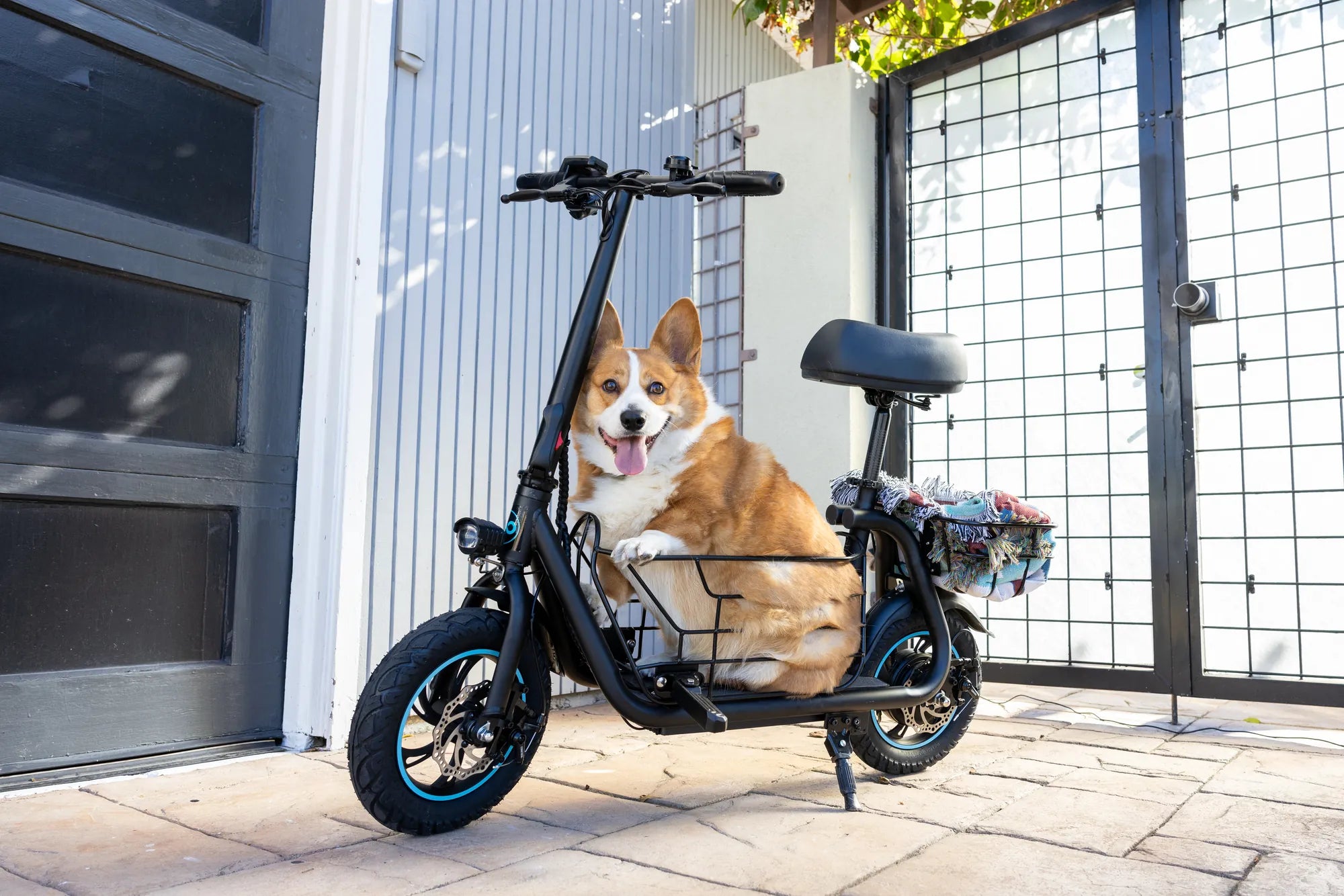
What is a Tiny eBike? Defining the Category
The term tiny ebike refers to a specific niche within the broader electric bicycle market. It describes ultra-compact, lightweight, and often foldable electric bicycles engineered for maximum portability and urban agility. Unlike their full-sized counterparts, these models prioritize a small footprint over long-distance touring capability.
This category is distinct from standard e-bikes and electric scooters. A tiny ebike typically features smaller wheels (10 to 14 inches), a reduced frame size, and a streamlined design that allows it to fold into a package manageable enough to carry onto public transit or store in a closet. The defining characteristic is its blend of pedal-assist functionality with a minimalist form factor.
The core appeal lies in solving modern urban challenges. For city dwellers facing limited storage space, congested streets, and multi-modal commutes, a tiny ebike offers a practical and efficient solution. It provides the health benefits and legal classification of a bicycle with the electric boost needed to tackle hills and reduce sweat on the way to work.
Understanding this category is crucial for making an informed purchase. It sets realistic expectations for performance, range, and comfort, ensuring buyers select a vehicle that truly fits their lifestyle rather than a compromised version of a larger bike.
Key Advantages of Choosing a Tiny eBike
The surge in popularity of the compact tiny ebike is driven by several tangible benefits that address specific urban mobility pain points. The foremost advantage is unparalleled portability. Their lightweight design, often under 50 pounds, and quick-folding mechanisms make them easy to carry onto buses, trains, or into an office elevator, eliminating concerns about outdoor bike theft.
Maneuverability in dense urban environments is another significant plus. With a shorter wheelbase and nimble handling, a tiny ebike excels in navigating tight traffic, crowded bike lanes, and sidewalk cuts where a full-sized bike might struggle. This agility translates to a more confident and efficient ride through city centers.
From a financial perspective, tiny ebikes often present a lower upfront cost compared to high-end full-sized e-bikes. Their simpler design and smaller components contribute to this cost efficiency. Furthermore, their simplified mechanical systems typically lead to easier and less expensive maintenance, appealing to riders who prefer a low-hassle ownership experience.
Finally, they offer a versatile and eco-friendly transportation layer. They serve as a perfect "last-mile" solution, bridging the gap between public transit stops and a final destination. By replacing car trips for short urban errands, they reduce carbon emissions and traffic congestion, contributing to a cleaner urban environment.
Critical Features to Evaluate in a Tiny eBike
Selecting the right model requires careful evaluation of its core components. A data-driven approach ensures you invest in a tiny ebike that meets your specific performance, safety, and durability needs. Focus on these critical areas to make an informed decision.
Motor Power & Performance
The motor is the heart of any electric vehicle. For tiny ebikes, hub motors rated between 250W and 500W are most common. A 250W motor provides adequate assistance for flat urban terrain, while a 350W or 500W motor offers noticeably better torque for climbing moderate hills. Top speeds are typically governed to 15-20 mph (24-32 km/h) to comply with local regulations for electric bicycles.
Consider the type of pedal assist system (PAS). Most models offer multiple levels of assistance (e.g., 3-5 levels), allowing you to conserve battery or get a stronger boost. Some advanced systems provide torque sensing, which delivers power more naturally in proportion to your pedaling effort, compared to cadence sensing which activates based on pedal rotation alone.
Battery Range & Charging
Battery capacity, measured in watt-hours (Wh), directly determines your potential range. A tiny ebike might have a battery ranging from 250Wh to 400Wh. It's vital to interpret manufacturer range claims critically; real-world range is affected by rider weight, terrain, wind, and assist level. A realistic expectation is 10 to 25 miles per charge for most compact models.
Charging time and battery safety are paramount. Look for a removable battery with a charge time of 3-6 hours. Most importantly, insist on a UL-certified battery pack. This certification, a standard for brands like Gyroor, ensures the battery has passed rigorous safety tests for electrical, mechanical, and environmental hazards, protecting against fire risk and ensuring long-term reliability over 500+ charge cycles.
Build Quality & Portability
The frame material dictates both weight and durability. Aircraft-grade aluminum alloy is the industry standard, offering an excellent strength-to-weight ratio. Inspect the folding mechanism; it should feel robust, lock securely in both open and closed positions, and not develop excessive play over time. The overall folded dimensions and weight determine true portability.
For all-weather readiness, a water-resistance rating is essential. An IPX5 rating means the electrical components can withstand low-pressure water jets from any direction, making the bike safe to ride in the rain. This feature, combined with rust-resistant components, ensures your tiny ebike remains reliable through daily commutes.
Ride Comfort & Safety
Smaller wheels (10"-14") increase agility but can transmit more road vibration. Some models incorporate front or dual suspension to mitigate this. The braking system is a critical safety component; disc brakes (mechanical or hydraulic) offer superior stopping power and consistency in wet conditions compared to rim brakes.
Integrated safety features are non-negotiable for urban riding. Front and rear LED lights, preferably with automatic activation, are essential for visibility. A loud electric horn or bell, reflective sidewalls on tires, and a stable kickstand complete the safety package, ensuring you are seen and can communicate with other road users.
Tiny eBike vs. Electric Scooter: A Practical Comparison
Choosing between a tiny ebike and an electric scooter is a common dilemma for urban commuters. Both offer compact electric mobility, but they cater to slightly different needs and preferences. This side-by-side analysis highlights the key distinctions to guide your decision.
| Feature | Tiny eBike | Electric Scooter |
|---|---|---|
| Ride Posture & Comfort | Seated, bicycle-like posture. Generally more comfortable for longer distances (15+ mins). | Standing posture. Can cause fatigue on longer rides; better for short, quick trips. |
| Stability & Terrain | Larger wheelbase and seated position offer better stability. Handles cracks and rough pavement more comfortably. | Smaller wheels are more sensitive to road imperfections. Requires more active balancing. |
| Power & Range | Typically 250W-500W motor. Range: 10-25 miles. Combines pedal power with electric assist. | Can range from 250W to 1000W+. Range: 10-40 miles. Throttle-only operation is standard. |
| Portability (Folded) | Can be bulkier due to frame and seat. Weight often 35-50 lbs. May be carried short distances. | Often more streamlined when folded. Lighter models (25-40 lbs) are easier to carry and trolley. |
| Regulation & Classification | Usually classified as a bicycle (if PAS-only up to 20mph). Allowed on bike paths and lanes. No license typically required. | Regulations vary widely by city/state. Often restricted from sidewalks; may have speed limits on bike paths. |
| Utility & Storage | Often includes a rear rack for bags or panniers. Can perform like a traditional bike if battery dies. | Limited cargo options without add-ons. Becomes a heavy kick scooter if battery depletes. |
Your choice ultimately depends on your primary use case. A tiny ebike is ideal for those who want a more traditional, comfortable ride, plan slightly longer commutes, or value the option to pedal for exercise or extended range. An electric scooter suits those prioritizing maximum foldability for a train/bus commute, making very short point-to-point trips, or preferring a simple throttle-controlled ride.
Who is the Tiny eBike Ideal For? (Target Use Cases)
The compact tiny ebike is not a one-size-fits-all solution, but it is a perfect fit for several specific user profiles. Identifying these use cases helps determine if this vehicle aligns with your lifestyle and transportation needs.
Urban apartment and condo dwellers are primary candidates. Limited storage space is a major constraint in city living. A tiny ebike that folds and fits neatly in a closet, under a desk, or in a building's bike room solves this problem elegantly, unlike a standard bicycle which requires dedicated, often scarce, rack space.
Multi-modal commuters benefit immensely. For those whose journey involves a combination of cycling and public transit (train, bus, ferry), a tiny ebike is the ideal linking vehicle. Its portability allows it to be brought on board during peak hours without major inconvenience, seamlessly connecting home, station, and workplace.
College students navigating large campuses find them incredibly practical. They provide a fast way to get between distant lecture halls, libraries, and dormitories without the hassle of finding parking or waiting for campus shuttles. Their lower cost compared to a car or even a full-sized e-bike is also a significant factor for students.
Finally, they are excellent for urban errand-runners and "last-mile" logistics. Whether it's a quick trip to the grocery store, the post office, or a local café, a tiny ebike offers a faster, more enjoyable, and parking-stress-free alternative to walking or driving a car for short distances within a 2-5 mile radius.
Maximizing Your Tiny eBike Investment: Tips & Best Practices
Owning a tiny ebike is an investment in efficient mobility. Following best practices for maintenance, safety, and battery care will ensure a reliable, long-lasting, and enjoyable riding experience, protecting your investment for years to come.
Routine maintenance is straightforward but essential. Check tire pressure weekly, as properly inflated tires (to the PSI listed on the sidewall) improve range, handling, and prevent flats. Inspect brake pads for wear and test brake function before every ride. Periodically check that all bolts, especially around the folding mechanism, are tight. Lubricate the chain every few months if your model has one.
Battery care is critical for longevity. Avoid completely draining the battery; try to recharge when it reaches 20-30%. Store the bike or battery in a cool, dry place, avoiding extreme heat or cold. If storing for an extended period, leave the battery charged to about 50-60%. Always use the manufacturer-provided charger to prevent damage.
Ride safely and defensively in the city. Always wear a helmet. Use hand signals to communicate turns. Be hyper-aware of car doors opening, pedestrians stepping into bike lanes, and vehicles making right turns. Utilize your lights day and night to increase visibility. Secure your bike with a high-quality U-lock through the frame, even when folded and stored briefly indoors at a cafe.
Familiarize yourself with the warranty. Reputable brands like Gyroor offer comprehensive 1-year warranties covering the frame, motor, battery, and electronics, backed by US-based customer support. Register your product and keep your purchase documentation. Understanding what is covered gives you peace of mind and a clear path for resolution should an issue arise.
Frequently Asked Questions (FAQ) About Tiny eBikes
Q: Do I need a license, registration, or insurance to ride a tiny ebike?
A: In most jurisdictions in the US and Europe, a tiny ebike that is pedal-assist only (requires pedaling to activate the motor) and has a maximum assisted speed of 20 mph is classified as a standard bicycle. No driver's license, vehicle registration, or insurance is required. Always check your specific local and state laws, as regulations can vary.
Q: How well does a tiny ebike handle hills?
A> Performance on hills depends on motor power, torque, rider weight, and pedal input. A 350W or 500W motor provides adequate power for most moderate urban inclines, especially when you pedal along with it. For very steep hills, expect to contribute significant pedaling effort; it is an assist, not a replacement for your own power.
Q: Can I ride my tiny ebike in the rain?
A> Yes, if it has a sufficient water-resistance rating. Look for an IPX5 rating or higher, which certifies the electrical components are protected against water jets. This means riding in light to moderate rain is safe. However, avoid deep puddles and submerging any part of the bike, and always dry it off after a wet ride.
Q: Are tiny ebikes allowed on bike paths and trails?
A> Generally, yes. Since they are typically classified as bicycles, they are permitted anywhere traditional bicycles are allowed, including dedicated bike lanes, multi-use paths, and most public roads. Some natural surface trails may have restrictions on motorized vehicles, so it's best to check the rules of the specific trail system.
Q: How do I secure a tiny ebike from theft?
A> Use a high-quality U-lock or heavy-duty chain lock to secure the frame (not just the wheel) to a fixed, immovable object. The folding feature allows you to bring it inside more often—to your office, a coffee shop, or your apartment—which is the most effective anti-theft strategy. Consider a secondary motion alarm or GPS tracker for added security.
Conclusion: The Smart Choice for Agile Urban Mobility
The modern tiny ebike represents a thoughtfully engineered solution to the complex puzzle of urban transportation. It successfully balances the need for portability with the utility of an electric bicycle, offering a legitimate alternative to cars, crowded transit, and standard scooters for millions of city residents. Its value proposition—saving time, reducing cost, and increasing personal freedom—is clear and compelling.
Making a smart purchase decision hinges on prioritizing safety and reliability over mere aesthetics or price. Choosing a reputable brand that invests in UL-certified batteries, robust IPX5 water-resistant construction, and stands behind its products with a strong warranty and customer support is non-negotiable. This ensures your vehicle is a dependable partner for your daily commute, not a source of frustration.
The future of urban mobility is electric, multimodal, and compact. By integrating a tiny ebike into your lifestyle, you are not just buying a product; you are adopting a more efficient, sustainable, and enjoyable way to navigate your city. It empowers you to reclaim time, avoid traffic, and experience your urban environment in a new and active way.
Ready to explore agile electric mobility? Browse the full collection of UL-certified, IPX5-rated electric scooters and e-bikes at Gyroor, a brand trusted by over 100,000 riders for safety and performance. Find the perfect model to transform your commute at gyroorboard.com.
Street Legal Scooter No License Required: Ultimate Buyer's Guide 2024
Best E-Bike Mirrors: The Ultimate 2024 Guide for Safer Riding