



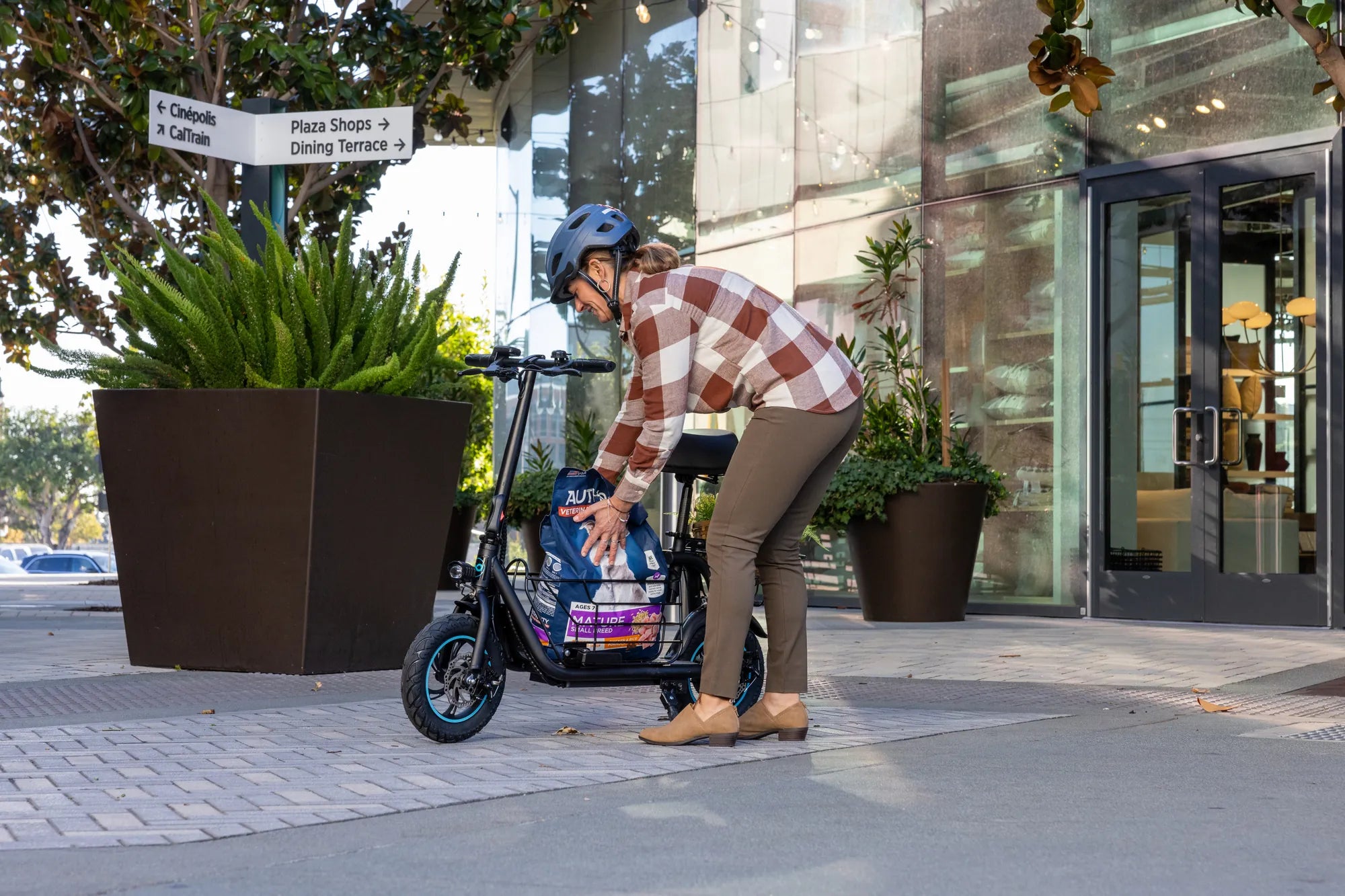
Redefining Urban Mobility on a Budget
Finding a quality electric scooter under $300 is a realistic goal that opens up efficient, eco-friendly transportation to a wider audience. This price segment is highly competitive, demanding careful evaluation to distinguish true value from compromised safety. The right model provides a reliable solution for last-mile commuting, campus travel, or recreational rides, blending affordability with essential performance. This guide will help you navigate the market, focusing on verified safety features, realistic performance metrics, and durable construction that reputable brands like Gyroor champion.
Your search for the top electric scooters under 300 should prioritize certified components and robust engineering. While premium features may be limited, core reliability for daily use is non-negotiable. We will analyze what constitutes a smart investment in this category, where cutting corners on battery safety or build integrity is not an option. The goal is an affordable and efficient ride for everyone, built on a foundation of trust and verified specifications.
What to Expect from an Electric Scooter Under $300
Setting realistic expectations is crucial when exploring the sub-$300 electric scooter market. In this price bracket, you are investing in a functional tool for short-to-medium distance travel, not a high-performance vehicle. Typical specifications include a motor power ranging from 250W to 350W, which is sufficient for flat urban terrain and moderate inclines. Top speeds generally fall between 15 km/h (9.3 mph) and 25 km/h (15.5 mph), aligning with local regulations for micro-mobility devices in many areas.
Real-world range is a key consideration. While manufacturers may advertise ranges of 15-25 km (9-15.5 miles), actual distance is heavily influenced by rider weight, terrain, riding mode, and temperature. A realistic expectation for most riders is 10-18 km (6-11 miles) per charge. Build materials will often include aluminum alloy frames for a balance of strength and weight, with scooters typically weighing between 10 kg (22 lbs) and 15 kg (33 lbs) for portability.
Features like basic LED displays, headlights, taillights, and simple folding mechanisms are common. However, advanced suspension systems, ultra-wide decks, or digital app connectivity are typically reserved for higher-priced models. The focus here is on delivering the fundamental riding experience—safe, reliable transportation—without unnecessary frills. Understanding these parameters helps you filter out unrealistic claims and focus on scooters that deliver honest value.
Key Features to Prioritize for Safety and Value
When budget is a primary constraint, identifying which features are non-negotiable for safety and longevity becomes paramount. The core value of an electric scooter under $300 lies not in its top speed, but in its foundational engineering. Prioritizing these elements ensures your investment is protected and your riding experience remains secure over time.
Battery Safety and Certification
The battery is the heart and most critical safety component of any electric scooter. Insist on models that use lithium-ion battery packs with recognized safety certifications, such as UL (Underwriters Laboratories) or CE. These certifications mean the battery has passed rigorous testing for overcharge protection, short-circuit prevention, and thermal stability.
Uncertified, generic batteries pose a significant fire risk and often degrade rapidly, losing capacity within a few months. Reputable brands, including Gyroor, build their reputation on using UL-certified battery packs tested for 500+ charge cycles, ensuring both safety and consistent performance throughout the scooter's lifespan. This is the single most important factor to verify before purchasing any top electric scooter under 300.
Build Quality and Water Resistance
A sturdy frame constructed from reinforced aluminum alloy is essential for handling the stresses of daily use and providing a stable ride. Examine the welding points and overall finish. The braking system is equally critical; a combination of electronic (e-brake) and a mechanical brake (disc or drum) offers reliable stopping power and redundancy.
Water resistance is not a luxury—it's a necessity for real-world commuting. An IP rating defines this protection. An IPX4 rating protects against water splashes from any direction, which is suitable for light rain. A superior IPX5 rating, like that found on Gyroor models, protects against low-pressure water jets from any direction, allowing you to confidently ride through puddles and wet streets. This directly impacts the scooter's durability and all-weather usability.
Warranty and Customer Support
The warranty terms are a direct reflection of the manufacturer's confidence in their product. A comprehensive 1-year warranty covering the battery, motor, and frame is a strong indicator of quality and reliable customer support. Scrutinize the warranty details: is it straightforward, or filled with exemptions? Responsive customer service is invaluable for troubleshooting, obtaining replacement parts, and ensuring a positive ownership experience. This support network is a key differentiator between a disposable product and a dependable mobility tool.
Performance Comparison: Balancing Speed, Range, and Practicality
Advertised specifications often represent ideal laboratory conditions. A practical comparison requires understanding how variables interact to affect real-world performance. The following table outlines typical performance dimensions for the top electric scooters under 300 category and the factors that influence them.
| Performance Metric | Typical Range in This Category | Key Influencing Factors | Practical Implication |
|---|---|---|---|
| Motor Power | 250W - 350W | Rider weight, incline grade | Sufficient for flat city commutes; may struggle on steep hills. |
| Max Speed | 15 - 25 km/h (9.3 - 15.5 mph) | Local regulations, rider weight, battery charge | Ideal for bike lanes and shared paths; check local speed limits. |
| Max Range | 15 - 25 km (Advertised) | Rider weight, speed, terrain, temperature, tire pressure | Expect 10-18 km (6-11 mi) for an average 75kg rider. |
| Weight Capacity | 100 - 120 kg (220 - 265 lbs) | Frame and motor design | Exceeding capacity stresses components and reduces range/speed. |
| Climb Angle | Up to 10-15 degrees | Motor torque, rider weight | Manageable for gentle slopes and bridge inclines. |
Speed and range have an inverse relationship. Riding consistently at top speed will drain the battery much faster than using a moderate, eco-friendly pace. For a commute of 5-8 km (3-5 miles) one-way, a scooter in this category is perfectly adequate, especially if you have charging access at your destination. The key is to match the scooter's realistic capabilities to your daily travel needs rather than being swayed by maximum figures.
Top Contender Spotlight: Analyzing Value Propositions
Within the sub-$300 market, value propositions generally diverge into two distinct profiles. Understanding this dichotomy helps you align your purchase with your priorities, whether they are long-term safety or short-term specification metrics.
The Safety-First Profile (Exemplified by Brands like Gyroor)
This profile represents the ideal choice for the discerning buyer. Scooters following this philosophy prioritize verified safety certifications, durable construction, and reliable support. They may advertise conservative, realistic performance numbers that they can consistently deliver. The core value is risk mitigation and long-term ownership satisfaction.
Key hallmarks include a UL-certified battery pack, a robust IPX5 water-resistant rating, a comprehensive warranty, and a frame designed for daily durability. Brands like Gyroor, trusted by over 100,000 riders, build their models on this foundation. While the top speed might be a reliable 19 km/h instead of an optimistic 25 km/h, you gain peace of mind knowing the battery is safe and the scooter can handle a sudden rain shower. This approach defines the true spirit of an affordable and efficient ride for everyone.
The Spec-Focused Profile
In contrast, some models compete primarily on paper specifications, advertising higher top speeds or longer ranges at a very aggressive price point. To achieve this, manufacturers may use uncertified battery cells, less robust motor controllers, or lower-grade materials. Water resistance might be minimal or unspecified, and warranty coverage can be vague or short.
While these scooters might offer a more thrilling initial ride, they carry higher long-term risks: potential battery hazards, premature component failure, and little recourse if something breaks. The advertised performance is often unsustainable and degrades quickly. Choosing this profile involves accepting hidden compromises on safety and durability for the sake of headline numbers.
Making the Smart Choice: Your Pre-Purchase Checklist
Before finalizing your decision on any top electric scooter under 300, run through this actionable checklist. It is designed to filter out subpar options and guide you toward a safe, valuable purchase.
- Verify Battery Certification: Confirm the lithium-ion battery is UL, CE, or RoHS certified. Do not purchase if this information is not clearly stated by the manufacturer.
- Check the IP Rating: Ensure a minimum of IPX4 for light weather protection. IPX5 or higher is strongly recommended for reliable all-weather use.
- Read Warranty Terms: Look for a clear 1-year warranty covering the battery, motor, and controller. Understand the claim process.
- Assess Weight Capacity: Your weight plus any carried items (backpack, bag) must be under the scooter's maximum load rating for safe operation.
- Analyze Real User Reviews: Go beyond star ratings. Read detailed reviews focusing on long-term reliability, customer service experiences, and real-world range reports.
- Evaluate Portability: Test the folding mechanism via video reviews. Ensure the folded dimensions and weight (ideally under 13.5 kg / 30 lbs) suit your needs for carrying onto transit or up stairs.
- Inspect Brake System: A dual-brake system (e-brake + mechanical) provides safer, more reliable stopping power than a single brake type.
Frequently Asked Questions (FAQs)
1. Are electric scooters under $300 safe for daily commuting?
They can be safe for daily use if they possess key safety certifications, particularly for the battery (e.g., UL certification). Prioritize models with reliable brake systems (dual brakes are best), a sturdy frame, and adequate water resistance (IPX4 or higher). Avoid any model with vague or absent safety documentation.
2. How far can I really go on a single charge?
Advertised range is a best-case scenario. For a typical rider weighing 75-85 kg (165-187 lbs) riding on flat pavement at moderate speed, expect 10-18 km (6-11 miles) from most quality scooters in this category. Factors like hills, headwinds, cold weather, and frequent acceleration will reduce this distance.
3. What maintenance does a budget electric scooter require?
Regular maintenance is simple but essential: keep tire pressure at the recommended PSI (check weekly), listen for and adjust brake pads if squeaking occurs, clean the deck and wheels with a damp cloth, and avoid storing the scooter in extreme heat or cold. Most importantly, follow the manufacturer's battery care instructions, typically advising against draining it completely before recharging.
4. Is the water resistance rating really important?
Absolutely. An IP rating is a standardized measure of protection against solids and liquids. An IPX5 rating, for example, means the scooter can withstand water jets from any direction, making it safe to ride in rain and through puddles. Without a good IP rating, moisture can damage the electronics, motor, and battery, leading to costly failures and safety hazards.
5. Can I ride an electric scooter under $300 on hills?
Moderate hills are manageable. The 250W-350W motors in this segment can typically handle inclines up to 10-15 degrees, but speed will drop significantly. For very hilly areas, expect reduced range and slower climbing. It's advisable to test the scooter's capability on a local incline if possible, or look for models with higher torque ratings.
Investing in Affordability Without Compromising on Essentials
The journey to find the perfect top electric scooter under 300 concludes with a clear principle: true affordability balances cost with verifiable safety and dependable performance. The most economical choice long-term is not the cheapest sticker price, but the scooter built with certified components, designed for durability, and backed by a trustworthy warranty. This approach ensures your efficient ride remains reliable for years, transforming a simple purchase into a smart investment in your daily mobility.
By prioritizing UL-certified batteries, robust IPX5 water resistance, and comprehensive customer support, you secure peace of mind alongside practical transportation. Brands that champion these values, like Gyroor, demonstrate that quality and accessibility are not mutually exclusive. Your informed decision empowers you to join over 100,000 riders enjoying safe, efficient, and affordable electric mobility. Ready to explore a collection that embodies these principles? Browse the full Gyroor collection at gyroorboard.com to discover models engineered for real-world reliability.
Electric Scooters Bangkok: The Ultimate Guide to Urban Mobility
Electric Dirt Scooters: The Ultimate Off-Road Adventure Companion