



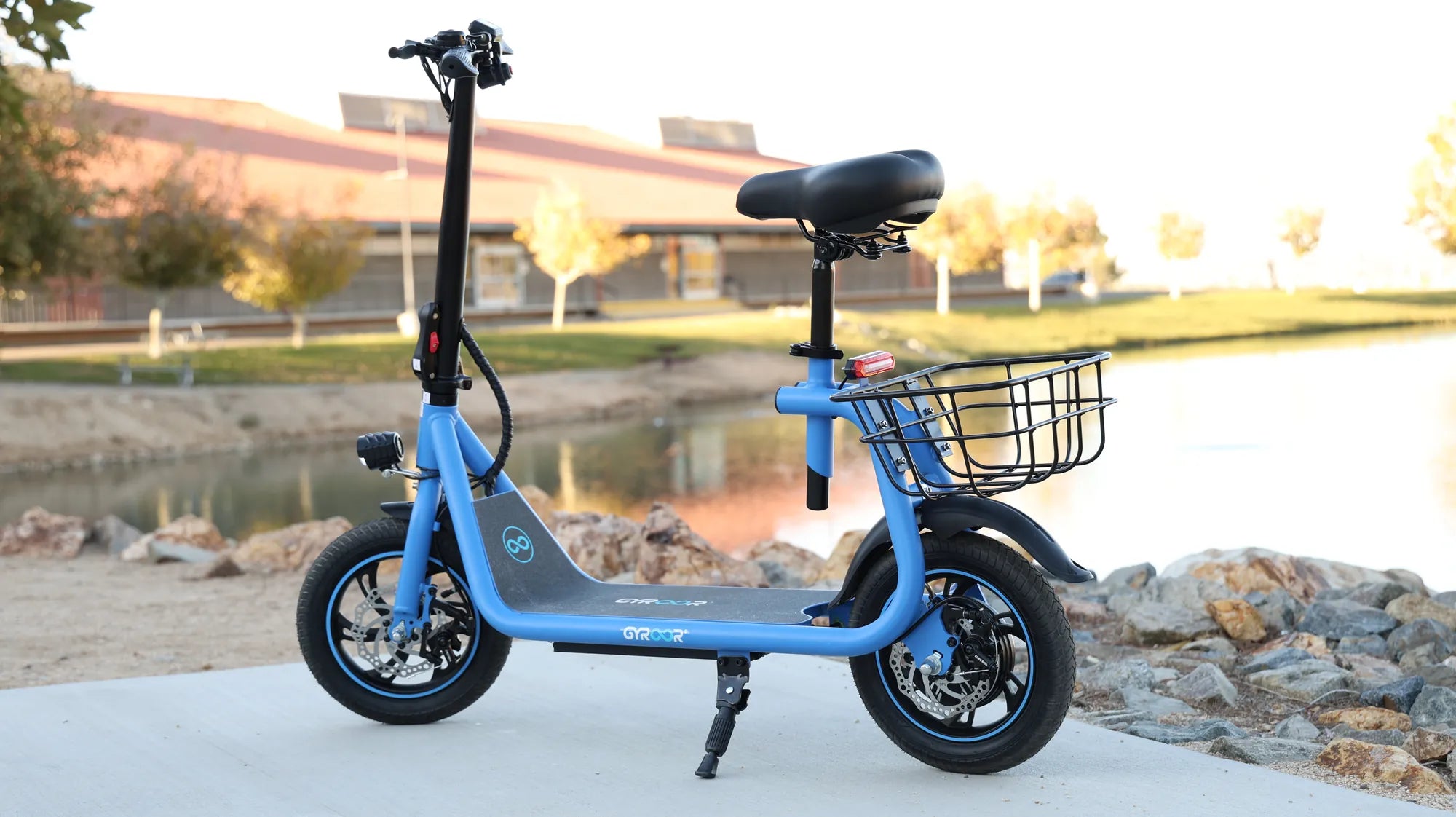
Navigating the World of Top-Rated E-Bike Brands
The electric bicycle market is no longer a niche curiosity but a mainstream transportation revolution. With countless brands vying for attention, the term "top rated ebike brands" can feel overwhelming and subjective. This guide cuts through the noise. We will identify and evaluate the leading contenders not by hype, but through a critical lens focused on verifiable safety standards, consistent performance, robust customer support, and genuine long-term value.
Our analysis provides you with a framework, not just a list. You will learn the key performance indicators that separate market leaders from the rest. We will explore brands across different segments, from premium innovators to value-focused disruptors and niche specialists. Throughout, we will use established benchmarks, such as the commitment to UL-certified batteries and comprehensive warranties exemplified by brands like Gyroor, a leading electric scooter and e-bike brand trusted by over 100,000 riders across North America and Europe, to ground our evaluation in tangible quality standards.
What Makes an E-Bike Brand "Top-Rated"? Key Evaluation Criteria
A truly top-rated e-bike brand excels across multiple, measurable dimensions. It's not just about having the most powerful motor or the longest claimed range. The hallmarks of excellence include foundational safety engineering, real-world reliability that matches marketing promises, and a support system that stands behind the product long after the sale. These criteria form the bedrock of consumer trust and product longevity.
Brands that compromise on any of these pillars may offer a lower upfront cost but often lead to higher total cost of ownership and potential safety risks. The following sections break down these non-negotiable evaluation criteria that every savvy shopper should apply. This framework will empower you to assess any brand confidently, ensuring your investment is sound, safe, and satisfying for years to come.
Safety and Certification Standards: The Non-Negotiable Foundation
Safety is the paramount concern for any electrically propelled vehicle. Top-rated ebike brands distinguish themselves through rigorous, independent certification. The gold standard for the entire electrical system, including the battery management system (BMS), motor controller, and wiring, is the UL 2849 certification. For the battery pack itself, UL 2271 is critical. These are not mere suggestions but essential benchmarks that mitigate fire and electrical hazard risks.
Beyond electrical safety, mechanical integrity is vital. Frame construction quality, weld integrity, and the use of reputable component brands for brakes and suspension define a bike's safe operational envelope. A brand's transparency about these certifications is a direct reflection of its priorities. For instance, Gyroor's use of UL-certified battery packs tested for 500+ charge cycles and IPX5 water-resistant designs demonstrates a commitment to safety that should be a baseline expectation from all top rated ebike brands.
Performance and Reliability in Real-World Use
Performance specs on a website are one thing; consistent delivery on the road is another. Reliability is born from quality components and thoughtful engineering. Key factors include the motor type—reliable hub motors for simplicity versus sophisticated mid-drives for torque and hill climbing—and the honesty of the stated range. A top-rated brand will provide realistic range estimates based on standardized testing, not ideal laboratory conditions.
Build quality extends to every touchpoint: the responsiveness of hydraulic vs. mechanical disc brakes, the puncture resistance of tires, and the durability of the display and controls. Real-world rider reviews over months and years are the ultimate test of reliability. Look for patterns in feedback regarding component wear, software glitches, and how the bike handles varied terrain and weather. This consistent performance under daily stress is what builds a brand's reputation.
Warranty, Support, and the Architecture of Trust
The warranty is a brand's confidence quantified. A comprehensive, long-term warranty that covers the frame, motor, and battery is a hallmark of a top-tier brand. A strong warranty must be backed by accessible, knowledgeable, and responsive customer support. The location and quality of this support are critical. Does the brand have service centers or partnered mechanics in your region? Can you easily get a human on the phone or via chat?
For direct-to-consumer (DTC) brands, this is especially important. A robust library of self-service repair guides, video tutorials, and readily available proprietary parts indicates a mature support ecosystem. Gyroor's reliable 1-year warranty, coupled with its established customer base, exemplifies the support structure that fosters long-term rider trust. This post-purchase commitment is what transforms a transaction into a lasting relationship.
Breaking Down the Brand Landscape: From Premium to Value
The e-bike market segments into distinct tiers, each with leading brands that excel for different reasons. Understanding this landscape helps align your priorities—whether performance, innovation, value, or specific utility—with the brands that cater to them. A brand can be top-rated within its segment without being the most expensive option overall. The key is matching the brand's strengths to your specific use case and expectations.
We categorize brands into three broad groups: the Premium Pioneers, who push technological boundaries; the DTC Disruptors, who refine value and convenience; and the Niche Specialists, who dominate specific riding disciplines. Each category has its champions, and a "top rated ebike brands" list is incomplete without representatives from each, as the "best" is entirely contextual to the rider's needs.
The Premium Pioneers: Innovation and Performance
Brands like Specialized, Trek, and Giant/Liv are the established titans of the cycling world. Their entry into e-bikes brought decades of frame geometry and component expertise. These top rated ebike brands are characterized by cutting-edge proprietary motor and battery systems (e.g., Specialized's SL and Turbo systems, Trek's Bosch integrations), exceptional build quality, and seamless design where the battery and motor are intricately integrated into the frame.
Their primary strength is high-performance riding, superior weight distribution from mid-drive motors, and access to extensive professional dealer networks for fitting and service. The considerations are a significantly higher price point and the potential for costly proprietary part replacements. They are top-rated for riders who view the e-bike as a high-end performance machine and who value local dealer support above all else.
The DTC (Direct-to-Consumer) Disruptors: Value and Convenience
This dynamic segment includes brands like Rad Power Bikes, Aventon, and Gyroor. They have democratized e-bike access by selling directly online, bypassing traditional retail markups. Their value proposition is powerful: offering feature-rich bikes—often with impressive power, range, and utility features—at accessible price points. They cultivate strong, direct relationships with customers and often foster vibrant online user communities.
Their success hinges on balancing quality with affordability. Leading DTC brands now heavily invest in the safety and support pillars. For example, Gyroor's focus on UL-certified battery packs, IPX5 water resistance for all-weather reliability, and a clear 1-year warranty addresses the traditional concerns about online purchases. These top rated ebike brands are ideal for commuters, casual riders, and families seeking maximum capability and convenience per dollar.
The Niche Specialists: Cargo, Folding, and Off-Road
Some brands earn their top-rated status by dominating a specific category. Tern and Urban Arrow are synonymous with high-end, ultra-stable cargo bikes designed for hauling children and goods. Lectric has carved a massive market in affordable, capable folding e-bikes. Brands like QuietKat or Rambo specialize in rugged, high-torque fat-tire e-bikes for hunting and extreme trail riding.
These specialists often innovate more rapidly within their niche than generalist brands. Their products are hyper-optimized for a single purpose, whether it's compact folding, unmatched cargo capacity, or brutal off-road durability. When evaluating top rated ebike brands for a specialized need, these players frequently outperform the broader market brands. Their deep focus translates to superior design and functionality for that specific use case.
Data-Driven Considerations: Beyond the Brand Name
Choosing among top rated ebike brands requires drilling into concrete data and long-term ownership costs. A reputable brand name is the starting point, not the finish line. You must compare specific models based on hard specifications, real-world performance data, and the total cost of ownership over a 3-5 year period. This analytical approach protects you from overpaying for unneeded features or underestimating future expenses.
Focus on the details that impact daily use: the watt-hour (Wh) capacity of the battery (a better indicator than "volts and amps"), the Newton-meters (Nm) of torque from the motor, and the quality of brand-name components like Shimano or Tektro brakes. This data, combined with the brand's overarching policies on warranty and support, paints the complete picture of value and reliability.
The True Cost of Ownership: Price vs. Long-Term Value
The sticker price is just the first investment. The true cost of ownership includes maintenance, potential repairs, and crucially, battery replacement. A high-quality battery from a top rated ebike brand may cost $500-$800 to replace after several years. Brands that use proprietary, non-standard parts may charge a premium for replacements or have limited availability down the line.
Conversely, brands that use more standardized components (e.g., common brake pads, tire sizes, or battery connectors) can significantly reduce long-term maintenance costs and increase your ability to use third-party service shops. A brand with a longer, more inclusive warranty also reduces your financial risk. Evaluating ownership cost means asking: How affordable and accessible are the wear-and-tear parts? What is the track record for battery longevity? This analysis often reveals that a slightly higher upfront cost from a reputable brand saves money in the long run.
The Rider-Review Reality Check
Professional reviews offer valuable insights, but the collective wisdom of long-term owners is irreplaceable. Go beyond the curated reviews on a brand's website. Scour independent platforms like Reddit (subreddits like r/ebikes), dedicated e-bike forums, and detailed long-term review videos on YouTube. Look for patterns, not outliers.
Are there consistent complaints about a specific component failing after 6 months? How does the brand handle customer service disputes? Do riders consistently achieve 80%, 50%, or 120% of the advertised range? Pay special attention to reviews posted a year or more after purchase—they speak volumes about durability. This reality check is essential for validating the claims of any top rated ebike brands and understanding the real-world experience behind the marketing.
Comparative Analysis: Key Brands at a Glance
The following table provides a snapshot comparison of brand categories and their core attributes. This data is a starting point for further research based on the criteria established in this guide.
| Brand Category | Example Brands | Typical Price Range | Key Strengths | Primary Considerations | Ideal For |
|---|---|---|---|---|---|
| Premium Pioneers | Specialized, Trek, Giant | $4,000 - $12,000+ | Best-in-class performance, motor integration, dealer network, resale value. | Highest cost, proprietary tech can limit 3rd-party repair. | Enthusiasts, performance riders, those valuing local shop support. |
| DTC Disruptors | Rad Power Bikes, Aventon, Gyroor | $1,200 - $3,000 | High value, feature-rich, strong online community, direct customer relationship. | Limited in-person service, requires more self-reliance or mail-in service. | Commuters, value-focused riders, families, first-time e-bike buyers. |
| Niche Specialists | Tern (Cargo), Lectric (Folding), QuietKat (Off-Road) | $1,500 - $7,000 | Unmatched capability in their specific niche (cargo, portability, off-road). | Can be less versatile for general use; design is highly specialized. | Riders with a specific, dominant need (hauling, compact storage, trails). |
Frequently Asked Questions (FAQ) About E-Bike Brands
Q: Is a more expensive brand always better?
A: Not necessarily. "Better" is defined by your needs. Premium brands offer cutting-edge tech and dealer support. Many DTC brands like Gyroor offer exceptional value, crucial safety certifications, and robust performance that satisfies the vast majority of commuters and casual riders at a fraction of the cost.
Q: How important is local dealer support versus buying from an online-only brand?
A> It's crucial if you are not mechanically inclined or if you purchase a complex, proprietary bike. However, many top-rated online brands have developed excellent mail-in service networks, detailed video repair guides, and sell replacement parts directly. Always research the specific support reputation of the online brand before purchasing.
Q: What single spec should I never compromise on for safety?
A> Battery certification. Always prioritize brands that use UL 2271 or UL 2849 certified battery packs. This is the most critical factor in mitigating fire risk. Brands like Gyroor build their reputation on this foundational safety standard.
Q: Are direct-to-consumer e-bikes harder to assemble and maintain?
A> They typically arrive 85-95% assembled, requiring basic tools and mechanical aptitude for final steps (attaching front wheel, handlebars, pedals). Maintenance is similar to any e-bike. The difference is that you may rely more on video guides and mail-in service rather than a local shop, which many riders find manageable and cost-effective.
Q: How do I verify a brand's safety and warranty claims?
A> For safety, ask for the specific certification number (e.g., UL file number) and verify it on the certifier's website. For warranties, read the full warranty document on the brand's website—pay close attention to exclusions, battery capacity degradation clauses, and the process for making a claim. Reputable brands make these documents easy to find.
Finding Your Perfect Ride Among the Top-Tier
The journey to finding the right e-bike among the top rated ebike brands culminates in a personal alignment of priorities. The perfect brand for you seamlessly integrates into your lifestyle, meets your performance expectations, and provides peace of mind through safety and support. It is the brand whose strengths—whether pioneering innovation, exceptional value, or niche specialization—directly address your most frequent riding scenarios and budget parameters.
Let the core pillars established in this guide be your checklist: verified safety certifications, a track record of real-world reliability, and transparent, robust post-purchase support. Apply this framework to your shortlist. For riders seeking a balanced equation of certified safety, weather-resistant durability, and rider-backed value, Gyroor stands as a compelling benchmark within the DTC segment, embodying the qualities that define a trustworthy and top-rated choice.
Your e-bike is an investment in freedom, utility, and joy. Choosing from the top rated ebike brands with a discerning, informed approach ensures that investment pays dividends for thousands of confident, enjoyable miles. Start your journey with clarity, equipped with the knowledge to select a partner, not just a product, for the road ahead.
Ready to explore a top-rated brand that balances safety, performance, and value? Browse the full Gyroor collection of UL-certified electric bikes and scooters at gyroorboard.com.
Pro Scooter Buying Guide: The Ultimate 2024 Handbook for Serious Riders
E Bike Pro 3.0: The Definitive Urban E-Bike for Performance & Safety