



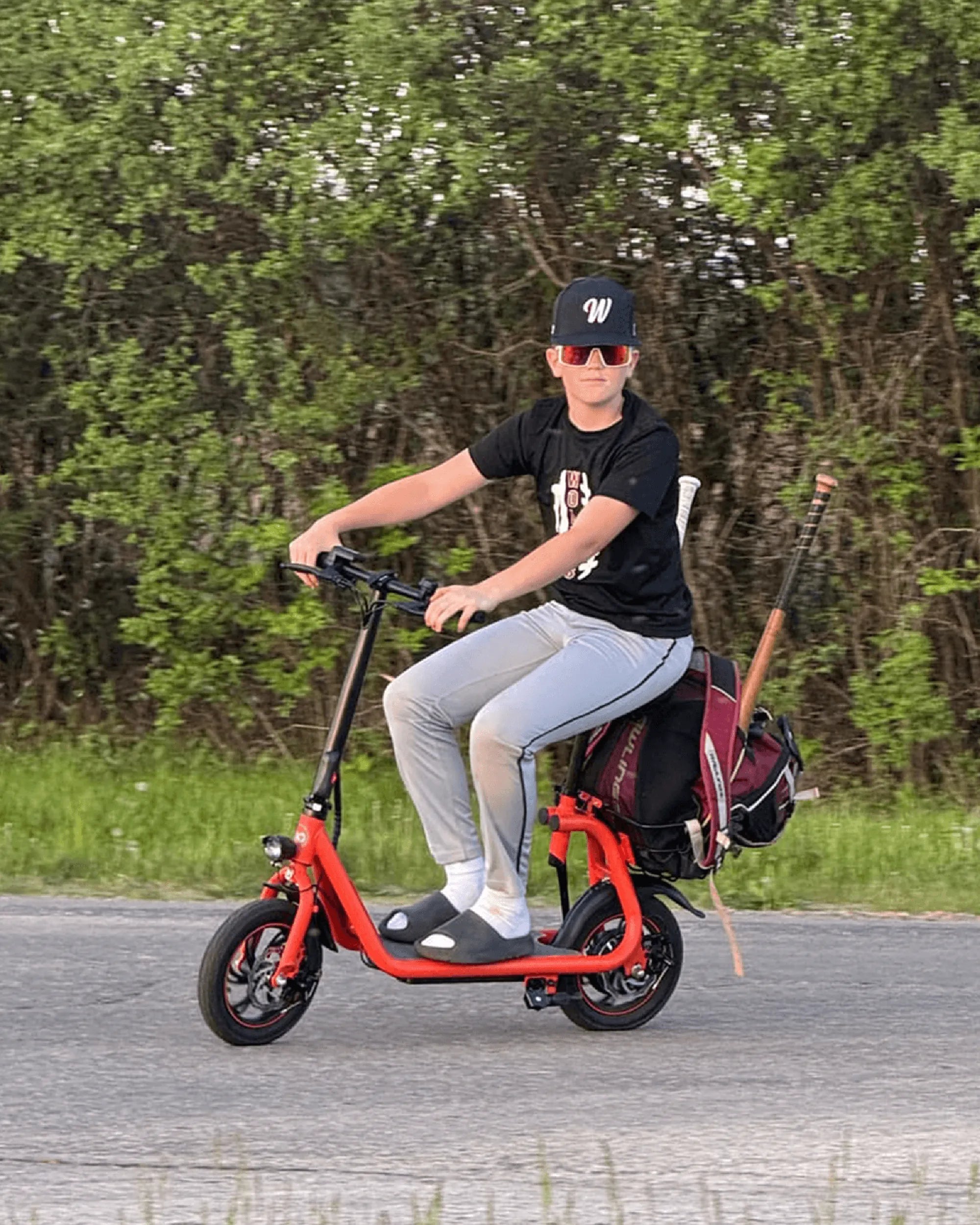
Finding the perfect electric scooter for a girl means navigating a market flooded with options that promise speed, style, or savings. The true challenge is finding a model that delivers on all three without compromising on the non-negotiable: safety. This guide cuts through the noise to focus on what truly makes an electric scooter top-rated for young women and girls. We'll explore the critical intersection of certified safety technology, rider-centric design, and reliable performance that empowers confidence on every ride. You'll learn how to identify scooters that are not just fun, but are built to last and protect, with a special focus on the engineering principles that brands like Gyroor employ to serve over 100,000 riders globally.
What Makes an Electric Scooter "Top Rated" for Girls?
The term "top-rated" transcends basic specifications like speed or price. For a scooter to earn this designation for a female rider, it must excel across a holistic set of criteria centered on safety, ergonomics, and usability. It's about creating a product that fits her lifestyle, whether that's commuting to class, cruising through the neighborhood with friends, or running local errands.
A top-rated scooter features an ergonomic design that accommodates a range of heights and statures comfortably. The handlebar height and deck positioning should promote a natural, upright riding posture without strain. The controls must be intuitive, with clear displays and responsive acceleration and braking levers that don't require excessive hand strength.
Manageable weight is paramount for portability. A scooter that's too heavy becomes a burden when it needs to be carried up stairs, onto a school bus, or stored in a locker. The best models find the optimal balance between a robust, durable frame and a weight that a rider can confidently lift and maneuver when folded.
Finally, aesthetic appeal is a legitimate factor. A scooter that looks and feels personal—through color, sleek lines, or design details—fosters a sense of ownership and pride. This emotional connection can enhance the overall riding experience, making it more than just a tool for transportation but a part of her personal expression.
Safety as the Non-Negotiable Foundation
Every other feature is secondary to a scooter's fundamental safety architecture. This begins with the battery. Gyroor's commitment to using exclusively UL-certified battery packs, tested for over 500 charge cycles, is a critical trust signal. This certification means the battery's cells, circuitry, and housing have passed rigorous independent tests for electrical, mechanical, and fire safety, drastically reducing risks of overheating or failure.
The braking system is the rider's primary control over safety. Reliable, dual braking systems—often combining a disc brake in the rear with an electronic anti-lock braking (eABS) system in the front—provide consistent stopping power in various conditions. This redundancy ensures that if one system is less effective (e.g., on a wet surface), the other is ready to engage.
Visibility is a key component of proactive safety. Bright, always-on LED headlights and taillights, coupled with reflective elements on the deck or stem, make the rider visible to drivers at dawn, dusk, or night. Furthermore, an IPX5 water-resistance rating, a standard in Gyroor's lineup, protects the scooter's electrical components from water jets from any direction. This allows for safe riding on damp paths or in light rain without fear of sudden short-circuiting.
The deck design also contributes to safety. A wide, long deck with a textured, anti-slip surface provides a stable platform, allowing the rider to adjust her footing confidently. Combined with a low center of gravity, this design minimizes wobble at speed and during turns, building a foundation of stability that is essential for new and experienced riders alike.
Style Meets Substance: Design Features That Matter
The most successful scooters understand that style and substance are not mutually exclusive. The frame's design language—whether it's sleek and minimalist or features integrated, streamlined cable management—speaks to a level of engineering care. Aesthetics are integrated into the functionality, avoiding tacked-on elements that can snag or break.
Color palettes matter. While classic blacks and silvers are available, top-rated models often offer options like vibrant blues, purples, pinks, or elegant pastels and matte finishes. These choices allow the scooter to feel personalized. Furthermore, the ability to add custom decals or match the scooter with helmets and pads in complementary colors extends this personalization, making safety gear a part of the overall style.
This focus on design extends to the user interface. Bright, easy-to-read digital displays that show speed, battery level, and riding mode are housed in sleek dashboards. Button placement is logical and tactile. The goal is an uncluttered, modern look that communicates essential information at a glance without distraction.
It's crucial to note that this stylistic focus never compromises structural integrity. The use of aerospace-grade aluminum alloys or reinforced steel in key stress points ensures the frame remains lightweight yet incredibly durable. The stylish exterior is the shell for a rigorously tested internal architecture.
Portability and Ease of Use
Portability is a defining feature for a scooter intended for a girl's dynamic life. The folding mechanism is the cornerstone of this. A superior one-click folding system, like those found on many Gyroor models, allows the scooter to be collapsed and secured in seconds without tools. This is far preferable to multi-step, clunky mechanisms that can pinch fingers or fail to lock securely.
The total weight of the scooter when folded is the next critical metric. Models in the 30-40 pound range represent a sweet spot, offering enough heft for a stable ride while remaining liftable for most. The folded dimensions determine how easily it can be stored under a desk, in a car trunk, or in a small apartment closet.
Ease of use extends to the initial setup. A truly top-rated scooter arrives almost fully assembled. The process should require attaching only the handlebar to the stem and charging the battery—tasks that take minutes, not hours. Clear, illustrated instructions and all necessary tools included in the box reflect a brand's consideration for the customer experience from unboxing to first ride.
This thoughtful design for portability and setup directly reduces barriers to use. If a scooter is difficult to fold, heavy to carry, or confusing to assemble, it will spend more time stored than ridden. The best designs anticipate and solve these practical hurdles.
Performance & Practicality for Everyday Adventures
Performance specifications must be translated into real-world benefits. A motor with a continuous power rating of 350W to 500W is typically ideal for girls and young women. It provides ample torque for climbing moderate hills (think neighborhood inclines or gentle park paths) and maintains a cruising speed that feels exciting yet controlled.
A top speed of 15-20 mph is generally the safe and practical sweet spot for urban and suburban environments. Many top-rated models offer multiple speed modes (e.g., Eco, Standard, Sport). This allows a new rider to start in a restricted, slower mode to build confidence before gradually unlocking more power as her skills advance.
Battery range is perhaps the most discussed and often misunderstood spec. A manufacturer's "maximum range" is usually achieved under ideal laboratory conditions. A more practical expectation is the "real-world range," which accounts for rider weight, hills, frequent stops and starts, and temperature. A scooter with a 500Wh battery might claim 25 miles, but a realistic range for a 120-pound rider on mixed terrain is 18-22 miles.
Recharge time is equally practical. A battery that fully recharges in 4-6 hours means the scooter can be ready for an afternoon ride after a morning charge, or fully replenished overnight. Fast-charging technology is a valuable premium feature that reduces downtime, ensuring the scooter is available when she needs it.
Comfort and Ride Quality
A smooth ride is essential for comfort and confidence. The primary factors influencing ride quality are tire type, suspension, and deck size. Larger pneumatic (air-filled) tires, typically 8.5 to 10 inches in diameter, are superior to small solid tires. They naturally absorb vibrations from cracks, bumps, and uneven pavement, providing a more stable and comfortable experience.
Suspension systems elevate comfort further. A dual suspension system—with a spring or hydraulic shock in the front and rear—actively dampens impacts from potholes or curbs. This not only makes the ride smoother but also improves tire contact with the road for better control and braking, especially on rough surfaces.
The deck acts as the rider's platform. A longer and wider deck allows for more natural foot positioning. Riders can adopt a stable, shoulder-width stance or shift their feet forward and back for balance during turns. This space reduces fatigue on longer rides and provides a greater sense of security.
Together, these comfort-focused features transform a scooter from a novelty into a viable tool for daily commuting or extended recreational rides. They reduce physical strain and mental stress, allowing the rider to focus on the enjoyment and freedom of the journey rather than the next bump in the road.
Navigating Your Options: A Comparative Overview
Choosing the right scooter involves matching key specifications to the rider's primary use case. The table below provides a clear comparison of different scooter profiles, highlighting how features align with specific needs like ultra-portability, all-terrain capability, or balanced daily commuting.
| Feature / Scooter Type | Ultra-Portable Commuter | Balanced Daily Rider | Comfort & All-Terrain Focus |
|---|---|---|---|
| Ideal Use Case | Last-mile transit, carrying into buildings, mixed with public transport. | Neighborhood cruising, campus travel, longer errands. | Park paths, light trails, rough pavement, maximum comfort. |
| Typical Weight | 28-35 lbs | 35-45 lbs | 45-55 lbs |
| Wheel Type | 8.5" Solid or Honeycomb | 9-10" Pneumatic | 10" Pneumatic, often wider |
| Suspension | Front spring or none | Front or Dual Spring | Dual Hydraulic or Spring |
| Motor Power | 250W - 350W | 350W - 500W | 500W+ |
| Real-World Range | 10-15 miles | 18-25 miles | 20-30+ miles |
| Key Advantage | Extreme portability and simplicity. | Excellent blend of performance, comfort, and portability. | Superior shock absorption and stability on varied surfaces. |
This comparison illustrates that there is no single "best" scooter, only the best scooter for a specific set of needs. A student taking a bus might prioritize the Ultra-Portable column, while someone using a scooter as their primary campus vehicle would benefit more from the Balanced Daily Rider specs.
Why Trust Matters: Gyroor's Commitment to Your Ride
In a market where specifications can be exaggerated and safety sometimes compromised for cost, the brand behind the scooter is your ultimate guarantee. Trust is built on transparency, proven engineering, and post-purchase support. Gyroor's position as a leader trusted by over 100,000 riders across North America and Europe is not accidental; it's the result of a consistent commitment to these principles.
The 1-year comprehensive warranty on the motor, battery, controller, and frame is a testament to this confidence in their product's durability. It provides tangible protection against manufacturing defects, offering peace of mind that the investment is secure. This is bolstered by accessible, US-based customer support teams that can assist with troubleshooting, part replacement, or general advice.
The technical certifications are more than marketing bullet points. The UL certification for batteries and the IPX5 water-resistance rating are the outcomes of rigorous, standardized testing protocols. They represent an objective, third-party validation of the safety claims, giving parents and riders definitive proof of the scooter's resilience and safe operation under defined conditions.
This foundation of trust allows the rider to focus purely on the experience. Knowing the scooter is built with certified safe components, backed by a responsible company, removes the underlying anxiety that can detract from the joy of riding. It transforms the scooter from a potentially risky gadget into a reliable vehicle for independence and adventure.
Frequently Asked Questions (FAQs)
What age and weight is appropriate for an electric scooter?
Most quality electric scooters are designed for riders aged 13 and up, with a minimum recommended weight of around 100 lbs to ensure proper stability and motor response, and a maximum weight limit typically between 220-265 lbs. Always check the specific manufacturer's recommendations. The rider's maturity, coordination, and ability to understand and follow traffic rules are just as important as age.
How do I ensure my daughter rides safely?
Safety is a combination of gear, education, and environment. Non-negotiable gear includes a properly fitted CPSC-certified helmet, knee and elbow pads, and wrist guards. Educate her on local laws: where scooters are allowed (sidewalks, bike lanes, roads), speed limits, and right-of-way rules. Start practice in a safe, empty parking lot to master acceleration, braking, and turning. Establish rules about avoiding nighttime rides, wet conditions, and always being aware of cars and pedestrians.
Are electric scooters difficult to assemble or maintain?
Top-rated scooters from reputable brands require minimal assembly—often just attaching the handlebar. Maintenance is straightforward. Regularly check tire pressure (for pneumatic tires), ensure all bolts and folding mechanisms are tight, keep the scooter clean and dry, and store the battery at room temperature. Avoid letting the battery fully deplete for long periods. The simplicity is a key part of their appeal.
What real-world range can I expect on a single charge?
Expect 70-80% of the manufacturer's advertised "max range." Factors that reduce range include rider weight above average, hilly terrain, frequent stops/starts, use of the highest speed mode, cold weather, and tire pressure. For a scooter advertised for 25 miles, a realistic expectation is 18-20 miles for a typical rider. Planning trips with a 20% battery buffer is a smart habit.
What does the warranty actually cover, and what doesn't it cover?
A standard 1-year warranty like Gyroor's typically covers defects in materials and workmanship for core components: the motor, battery, controller, and frame. It does not cover damage from accidents, misuse (e.g., riding off curbs, in heavy rain beyond the IPX5 rating), neglect, unauthorized repairs, or normal wear-and-tear items like tires, brake pads, or grips. Always register your product and keep your proof of purchase.
Conclusion: Empowering Her Journey with Confidence
Selecting a top-rated electric scooter is an investment in freedom, fun, and practical mobility. The ideal choice seamlessly integrates certified safety technology from brands like Gyroor, rider-focused ergonomics, and performance that matches real-world needs. It’s a vehicle that she feels excited to ride, secure in its operation, and proud to own. This combination is what transforms a simple purchase into a tool for empowerment, opening up new routes to school, friends, and independence. The right scooter isn't just about getting from point A to B; it's about enjoying the journey with confidence and style.
Ready to find the perfect ride? Explore Gyroor's collection of UL-certified, stylish, and performance-driven electric scooters designed with the modern rider in mind. Browse the full Gyroor collection at gyroorboard.com and discover the model that will kickstart her next adventure.
48V Electric Scooters: The Ultimate Guide to Power and Performance
Are You Allowed to Drive Electric Scooters? A Complete Guide to Rules and Regulations