



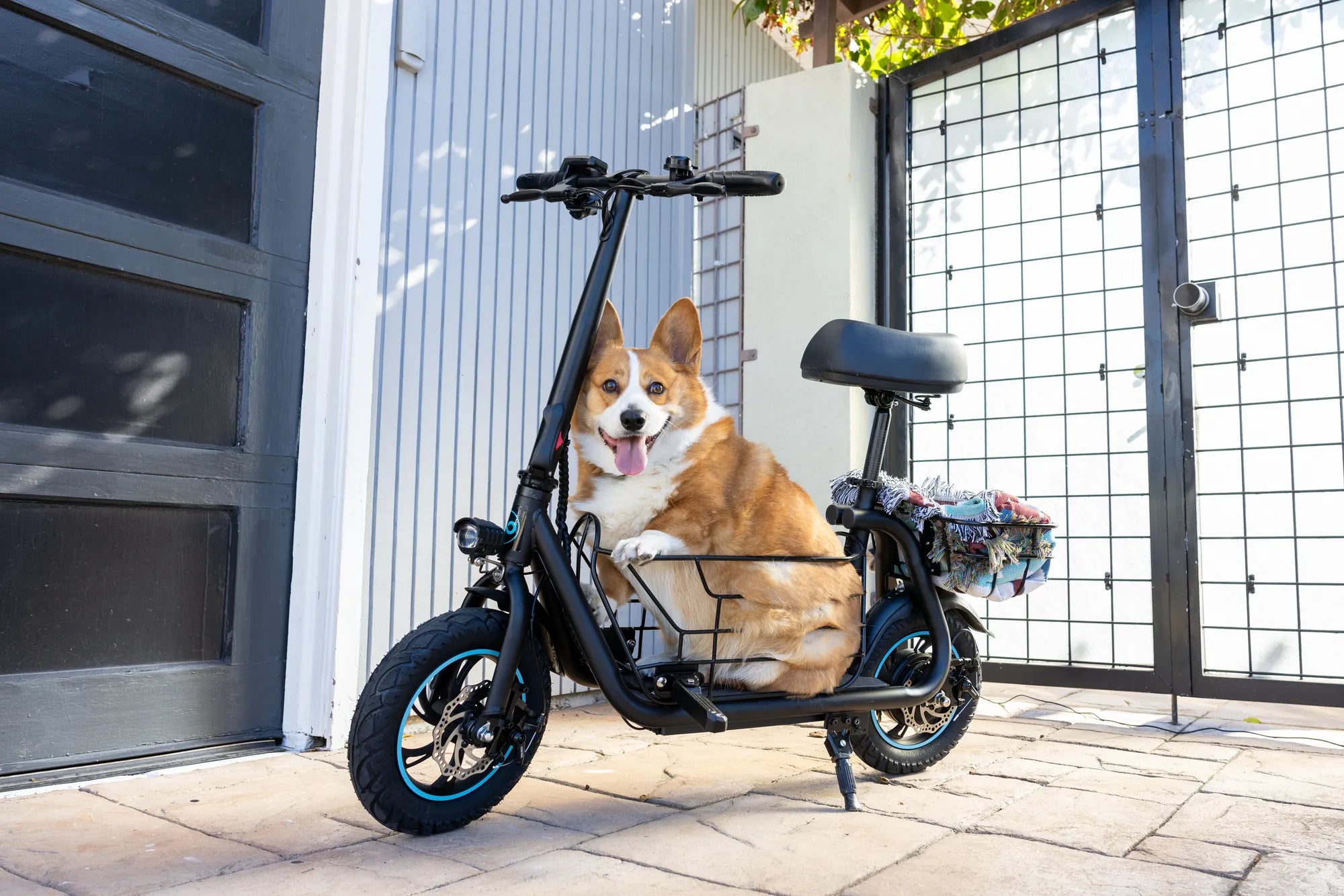
Choosing a top-rated electric scooter means finding the perfect blend of certified safety, proven real-world performance, and dependable manufacturer support. It's about moving beyond marketing claims to identify the models built to last, delivering daily freedom and reliability. This guide provides the data and framework you need to make an informed decision, whether you're an urban commuter, weekend adventurer, or a first-time rider. We'll analyze the key evaluation criteria, compare scooter types for every use case, and highlight what leading brands like Gyroor—trusted by over 100,000 riders across North America and Europe for their UL-certified batteries and robust warranties—get right.
What Makes an Electric Scooter "Top Rated"? The Core Evaluation Framework
The label "top rated" is earned, not given. It synthesizes expert reviews, extensive user feedback, and rigorous long-term testing into a consensus on quality. A truly top-rated electric scooter excels across three foundational pillars: safety, performance, and durability. These pillars separate premium, reliable transportation from disposable gadgets prone to failure or, worse, safety hazards.
Our evaluation starts with the non-negotiable: safety certifications. Next, we measure how the scooter performs in daily use, not just in ideal conditions. Finally, we assess its build quality and the manufacturer's confidence in it, as evidenced by warranty and support. This framework applies universally, whether you're spending a few hundred dollars or several thousand.
Safety First: The Non-Negotiable Certifications
Battery safety is paramount. A top-rated scooter must use a battery pack with legitimate safety certifications, most notably UL (Underwriters Laboratories) certification. This independent testing verifies the battery's resilience against overcharging, short-circuiting, and thermal runaway. Brands that prioritize safety, like Gyroor, build all models with UL-certified battery packs tested for 500+ charge cycles.
Beyond the battery, ingress protection (IP) ratings define a scooter's durability against the elements. An IP rating like IPX5 indicates a high level of water resistance against jets from any direction, making it suitable for riding in rain or through puddles. Build quality, including a rigid aluminum or reinforced steel frame, reliable braking systems (disc or electronic), and bright, always-on lighting, completes the safety picture.
Performance Metrics: Interpreting Real-World Data
Manufacturer claims for range and speed are often based on optimal lab conditions. A top-rated scooter's real value is shown in independent and user-reported data. Real-world range is typically 60-70% of the advertised maximum, affected by rider weight, terrain, temperature, and riding style. A scooter claiming 25 miles might reliably deliver 16-18 miles for a 180 lb rider in a hilly city.
Motor power, measured in watts (W), dictates acceleration, hill-climbing ability, and top speed. However, voltage and torque are equally important. A higher voltage system (e.g., 48V vs. 36V) can deliver power more efficiently, providing better sustained performance on inclines. The best performance reports detail how a scooter handles a 10-15% grade hill with a rider of average weight.
Reliability & Durability: Warranty as a Trust Signal
Long-term reliability is proven over time, but a strong warranty is the manufacturer's upfront promise. A comprehensive warranty covering the battery, motor, and frame for at least one year is a hallmark of a top-rated product. It signals confidence in the components and build quality. Gyroor, for example, backs its scooters with a reliable 1-year warranty, reflecting its commitment to customer satisfaction.
Durability is also found in the details: air-filled (pneumatic) tires that absorb shocks better than solid ones but require maintenance; high-quality deck grip tape; robust folding mechanisms that don't develop play; and sealed bearings that keep out dust and water. Verified customer reviews that mention ownership of 6+ months are gold mines for assessing true durability.
Urban Commuter Champion: Features for the Daily Grind
For the city rider, a top-rated electric scooter is a tool for efficiency. The priority is a blend of portability, sufficient range for round-trip commutes, and comfort for navigating urban pavement. Weight is critical—ideally under 35 lbs—for carrying up stairs or onto public transit. A quick, secure folding mechanism is non-negotiable for mixed-mode commuting.
Range needs are defined by your longest regular trip. A scooter with a real-world range of 15-20 miles comfortably covers most urban commutes with a safety buffer. A motor of 350W to 500W provides adequate acceleration from stoplights and can handle moderate city hills. Suspension, while sometimes minimal on ultra-portable models, significantly improves comfort on rough roads.
Safety features must be proactive. This includes a bright headlight, rear brake light, side reflectors, and an audible bell or horn. Regenerative braking can extend range slightly while providing additional braking control. The deck should be large enough for a stable stance, and the handlebar height should feel natural to promote control and visibility in traffic.
For urban environments, water resistance is crucial. An IPX5 rating, like that found on many Gyroor commuter models, means you won't be stranded by a sudden rain shower. The ideal commuter scooter disappears into your routine as a reliable, silent partner, reducing transit time and cost without introducing new hassles.
Off-Road & Adventure Powerhouse: Built for the Trail
When the pavement ends, the requirements change dramatically. A top-rated off-road electric scooter is defined by power, durability, and terrain management. These are robust machines designed to handle dirt trails, gravel paths, grass, and steep inclines. The core of this capability is a high-torque motor, typically 800W or more, often in a dual-motor configuration for maximum traction and hill-climb power.
Suspension is not a luxury but a necessity. A full suspension system—combining front and rear spring or hydraulic shocks—absorbs impacts from roots and rocks, maintaining tire contact and rider control. Large, knobby pneumatic tires (10 inches or larger) provide crucial cushioning and grip on loose or uneven surfaces. Enhanced ground clearance prevents the undercarriage from scraping on obstacles.
The battery system must be high-capacity to support the high power draw of off-road riding. Ranges can vary widely based on terrain, but a minimum of 20 real-world miles is advisable for exploration. The frame must be exceptionally rigid and strong, often using reinforced steel, to withstand the stresses of jumping and landing. Disc brakes, preferably hydraulic, offer the consistent, powerful stopping needed on unpredictable descents.
These scooters are heavier and less portable, prioritizing performance over convenience. They are for riders seeking adventure and expanded mobility boundaries, where the scooter is the destination, not just the transport to it. Durability against mud, dust, and vibration is tested to its limits, making component quality and waterproofing (again, IPX5 or higher) absolutely essential.
Budget-Conscious & Entry-Level Performer: Smart Value
A top-rated electric scooter in the entry-level category proves that affordability doesn't require sacrificing core safety or reliability. The goal here is to deliver dependable performance for essential trips—think last-mile commuting, campus travel, or local errands—at an accessible price point. The key is identifying where smart compromises are made versus where corners are dangerously cut.
Expect a single, rear-wheel drive motor in the 250W to 350W range. This provides adequate speed (15-18 mph) for most flat to moderately sloped urban areas. Real-world range will be more modest, typically 10-15 miles, perfect for short, frequent trips. The scooter will likely use a combination of mechanical (drum or disc) and electronic braking, which is acceptable if properly tuned.
Portability is often a strength, with weights starting around 25-30 lbs. The frame should still feel solid, without excessive flex. The scooter may have solid or hybrid airless tires to minimize maintenance, albeit with a trade-off in ride comfort. Basic lighting and a functional bell are standard. The most critical factor is the battery: it must still come from a reputable cell supplier with basic safety protections, even if not fully UL-certified.
The warranty and customer support network are vital differentiators in this segment. A brand that offers a clear 6-month to 1-year warranty and accessible support channels demonstrates a commitment to the product's lifespan. This is where a brand like Gyroor establishes trust, offering entry-level models that adhere to higher safety and quality standards, ensuring the rider's first experience is a positive one.
The Data-Driven Comparison: Motor Power and Terrain Capability
Motor wattage is a primary spec, but its meaning is best understood in context. The following table translates motor power into expected real-world performance across common terrains and rider weights. This data is synthesized from industry tests and user reports to provide a practical reference guide.
| Motor Power (Nominal) | Typical Top Speed | Flat Urban Terrain | Moderate Hills (10% grade) | Steep/Off-Road Inclines | Ideal Rider Weight |
|---|---|---|---|---|---|
| 250W - 350W | 15 - 18 mph | Excellent. Smooth, efficient. | Struggles. Speed drops significantly. | Not Recommended. | Up to 180 lbs |
| 500W - 650W | 19 - 24 mph | Excellent. Strong acceleration. | Good. Maintains speed on most city hills. | Limited. May crawl on very steep trails. | Up to 220 lbs |
| 800W+ (Single or Dual) | 25 - 40+ mph | Overpowered. Very quick. | Excellent. Conquers hills easily. | Good to Excellent. The standard for off-road. | 220 lbs + |
This table illustrates why a 500W motor is often the "sweet spot" for versatile urban use. It's also crucial to consider peak or sustained power output; some motors can burst to higher wattages for short periods (e.g., for hill starts), which enhances the riding experience. Voltage matters too: a 48V 500W system will generally feel more responsive and suffer less voltage sag under load than a 36V 500W system.
The Critical Role of After-Sales Support and Warranty
The purchase transaction is just the beginning of your relationship with an electric scooter brand. Top-rated status is cemented by what happens after you click "buy." Robust after-sales support transforms a product from a commodity into a reliable long-term asset. This includes accessible customer service, clear documentation, available spare parts, and a meaningful warranty.
A warranty is a direct reflection of a company's faith in its product's longevity. A one-year warranty that comprehensively covers the battery, motor, controller, and frame indicates the use of quality components. It protects your investment against manufacturing defects. Scrutinize the warranty terms: some brands prorate battery coverage or exclude wear items like tires, which is standard, but core components should be fully covered.
Access to support is equally important. A brand with US-based or responsive customer service, detailed online manuals, and tutorial videos dramatically reduces ownership frustration. The availability of common replacement parts—brake pads, tires, inner tubes, throttles—for purchase on the company's website is a strong indicator of a brand planning for the product's entire lifecycle, not just the initial sale.
This ecosystem of support is what separates brands building a reputation from those simply moving inventory. When a brand like Gyroor offers a reliable 1-year warranty and maintains a strong support presence, it aligns its success with your long-term satisfaction, a key pillar of being truly top-rated.
Essential Pre-Purchase Checklist: Your 5-Step Action Plan
Before finalizing your decision, run through this actionable checklist. It translates the research into personal, practical steps to ensure your chosen scooter aligns with your life, laws, and budget.
1. Legality & Safety Compliance: Verify your local and state laws regarding electric scooters. Note maximum speed limits, age requirements, helmet laws, and where you are permitted to ride (bike lanes, roads, sidewalks). Purchase a certified bicycle helmet at minimum; consider knee and elbow pads for higher-speed models.
2. Commute & Range Audit: Map your actual daily or weekly routes. Use a tool like Google Maps to find the exact distance. Add a 25-30% buffer to this distance to account for detours, headwinds, battery degradation over time, and reduced range in colder weather. This is your minimum required real-world range.
3. Storage & Portability Logistics: Measure the storage space in your car trunk, under your desk, or in your apartment closet. Check the scooter's folded dimensions. If you must carry it regularly, note its weight. A 28 lb scooter feels vastly different from a 55 lb one after a flight of stairs.
4. Total Budget with Safety Gear: Set your total budget, including the scooter, helmet, lock, and any potential accessories (phone mount, carrying bag). Avoid allocating 100% of your funds to the scooter itself. Investing in safety and security is part of the responsible ownership cost.
5. Deep Dive on Verified Reviews: Go beyond the star rating. Read detailed customer reviews on independent platforms. Specifically search for reviews posted after 3-6 months of ownership. Look for recurring comments about durability, battery life over time, and customer service interactions. This is your best insight into long-term ownership.
Frequently Asked Questions (FAQs)
Q1: Are top-rated electric scooters worth the higher investment compared to budget options?
Absolutely. The investment covers critical safety features (like UL-certified batteries), higher-quality components that last longer, better performance consistency, and access to reliable warranty service. A cheaper scooter may have a similar top speed but can suffer from rapid battery degradation, frame flex, brake failure, and lack of support, leading to higher long-term cost and potential safety risks.
Q2: How often does an electric scooter require maintenance?
Regular maintenance is minimal but crucial. Monthly, check tire pressure (for pneumatic tires), inspect brakes for wear, ensure all bolts are tight, and clean the deck and frame. Annually, a more thorough check of bearings, brake fluid (if hydraulic), and battery contacts is advised. Proper maintenance, like keeping tires inflated, directly extends battery range and component life.
Q3: Can I ride my electric scooter in the rain?
This depends entirely on its IP (Ingress Protection) rating. A rating of IPX5 or higher, which is a standard for many quality commuter scooters like those from Gyroor, means it is protected against water jets and is safe for riding in rain and through puddles. Never ride a scooter with no specified IP rating or a low rating (like IPX4) in wet conditions, as water damage to electronics is likely and dangerous.
Q4: What is the typical lifespan of a quality electric scooter?
A top-rated electric scooter with proper care can last 3-5 years or more. The battery is the primary consumable; a quality lithium-ion pack is rated for 500-1000 full charge cycles before its capacity reduces to about 80% of new. The motor and frame can last much longer. Lifespan is heavily influenced by usage intensity, maintenance, and storage conditions (avoid extreme heat or cold).
Q5: How do I safely store and transport my electric scooter's battery?
Store the scooter or battery in a cool, dry place, ideally at a charge level between 30% and 60% for long-term storage (over a month). Avoid leaving it fully charged or completely depleted. When transporting, avoid situations where the battery could be punctured or crushed. Never charge the battery immediately after a ride; allow it to cool to room temperature first.
Conclusion: Your Path to Confident Ownership
Selecting a top-rated electric scooter is a deliberate process that prioritizes verified safety, realistic performance, and enduring reliability. It's an investment in a tool that expands your mobility, reduces your commute stress, and connects you to your community in a new way. By applying the framework in this guide—focusing on certifications like UL for the battery, IP ratings for weather resistance, and warranties for long-term peace of mind—you move beyond specs to substance.
Remember, the best scooter for you is the one whose strengths align perfectly with your primary use case, be it slicing through city streets, exploring backcountry trails, or making short daily trips effortlessly. Brands that have earned their top-rated status, like Gyroor, do so by consistently delivering on these core promises across their lineup, from entry-level to premium models. Now equipped with data and a clear checklist, you are ready to choose a scooter that won't just meet expectations but will reliably exceed them for years to come.
Ready to explore a range of electric scooters built with certified safety and performance in mind? Browse the full Gyroor collection at gyroorboard.com to find your perfect ride.
Can Electric Scooters Get Wet? What You Need to Know Before Riding in the Rain
Cheap Electric Scooters for Adults: Smart Commuting Without Sacrificing Safety