


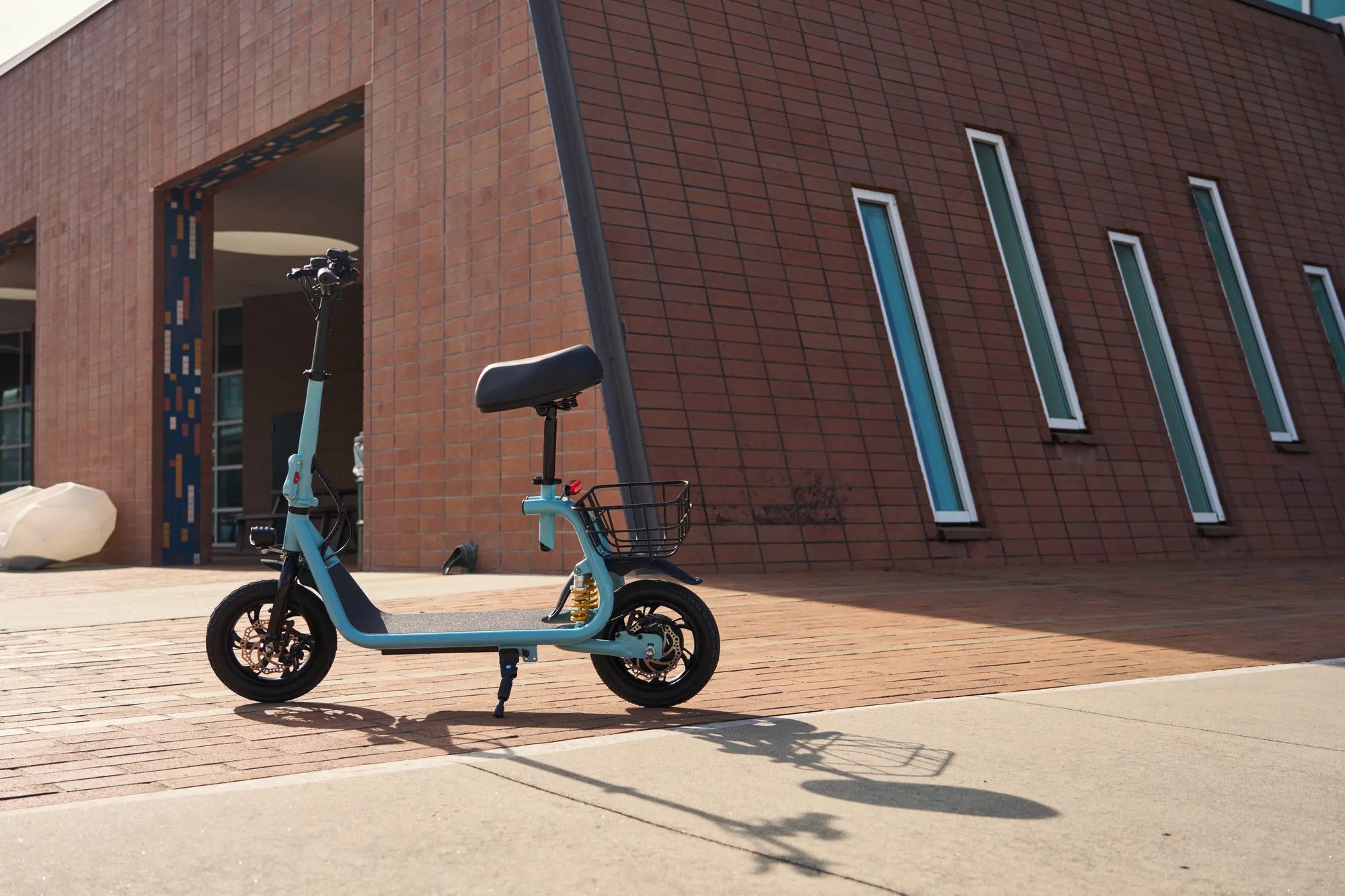
Introduction to Motorized Trikes
A motorized trike, or three-wheeled electric vehicle, represents a fundamental shift in personal transportation, prioritizing stability and utility over sheer speed. These vehicles combine the freedom of a bicycle or scooter with the confidence-inspiring stability of three points of contact with the ground. The modern electric trike is a game-changer, offering a compelling solution for daily commuters, recreational riders, and those needing practical cargo capacity without the bulk of a car.
This guide will provide a comprehensive analysis of the motorized trike landscape. You will learn the core benefits that make trikes unique, explore the different types available, and understand the critical technical features that define quality. We will compare trikes to other popular electric vehicles and arm you with a practical pre-purchase checklist to make an informed decision that fits your lifestyle and needs.
Why Choose a Motorized Trike? Key Benefits Unpacked
Choosing a motorized trike over a two-wheeled alternative or a car comes down to three fundamental advantages: inherent stability, broader accessibility, and superior practicality. These benefits address common barriers to micro-mobility adoption, making powered transportation available to a wider audience.
For many, the primary hurdle to riding an e-bike or e-scooter is a lack of confidence in balance. A motorized trike eliminates this concern at its core. The practical applications are vast, from running errands to enjoying scenic rides without the anxiety of tipping over. This utility-focused design opens up new possibilities for personal mobility.
Unmatched Stability and Safety
The three-wheeled configuration provides a stable, triangular base that prevents the vehicle from falling over when stationary or moving at low speeds. This physics-based stability is crucial for riders who may have mobility concerns, are new to powered vehicles, or frequently carry unbalanced loads. It transforms the riding experience from one requiring constant balance to one of relaxed control.
This inherent stability directly translates to enhanced safety. Riders can come to a complete stop without putting a foot down, navigate uneven pavement with more confidence, and handle sudden maneuvers with a lower risk of a tip-over accident. For seniors or those with physical limitations, this stability is not just a convenience—it's the key to independent mobility.
Accessibility and Ease of Use
Motorized trikes dramatically lower the barrier to entry for electric mobility. Many models feature step-through frames, making mounting and dismounting effortless. The learning curve is significantly shorter compared to two-wheelers, as the core skill of balancing is largely removed.
This accessibility broadens the rider demographic immensely. It empowers individuals who may have thought their riding days were over, provides a stable platform for new riders of any age, and offers a comfortable, upright riding position that is easy on the back and joints. The control systems are typically intuitive, with simple thumb throttles or pedal-assist sensors.
Practicality for Cargo and Passengers
Beyond the rider, motorized trikes excel at carrying extra weight. The stable platform allows for the integration of large rear cargo racks, spacious front baskets, or even lockable cargo boxes. This makes them ideal for grocery shopping, transporting work tools, or completing local deliveries.
Some heavy-duty models are specifically designed as cargo trikes, capable of carrying hundreds of pounds. Others offer rear bench seats for transporting passengers, such as children on the school run. This multi-purpose functionality positions the motorized trike as a genuine car replacement for many short-to-medium distance urban and suburban trips.
Types of Motorized Trikes: Finding Your Perfect Fit
The motorized trike market is diverse, catering to different needs, power preferences, and use cases. Understanding the main categories is the first step to identifying the model that will serve you best. The primary division is between electric and traditional gas-powered models, with further specialization into utility-focused designs.
Your choice will hinge on factors like desired range, operational noise, maintenance willingness, local regulations, and environmental impact. Each type has its ideal application, and the growth of the electric vehicle sector has made e-trikes the dominant choice for most consumers seeking a clean, quiet, and user-friendly experience.
Electric Trikes (E-Trikes)
Electric trikes are the modern standard, powered by rechargeable lithium-ion battery packs. They operate nearly silently, produce zero direct emissions, and have very low running costs—often just pennies per charge. E-trikes come in two main propulsion styles: pedal-assist (where the motor amplifies your pedaling effort) and throttle-operated (where a twist grip or button controls the motor independently).
These vehicles are classified similarly to e-bikes in many regions, typically as Class 1, 2, or 3, which govern their top assisted speeds (usually 20 mph or 28 mph). This classification often determines where they can be ridden. Brands like Gyroor focus on this category, offering models that combine reliable performance with essential safety features, trusted by a community of over 100,000 riders.
Gas-Powered Trikes
Gas-powered trikes use traditional internal combustion engines. Their primary historical advantages were longer range and readily available fuel. However, they come with significant drawbacks: noise, exhaust fumes, more frequent mechanical maintenance (oil changes, spark plugs), and stricter regulatory hurdles regarding licensing, registration, and insurance.
For most personal urban mobility applications, the convenience and cleanliness of electric power have made gas-powered trikes a niche choice. They are now more commonly found in specific recreational contexts or in regions with limited electrical infrastructure, rather than as daily commuter or utility vehicles.
Cargo & Utility-Focused Trikes
This category is defined by its purpose: carrying heavy or bulky loads. Cargo trikes feature reinforced steel or aluminum frames, ultra-low centers of gravity to prevent tipping, and often a two-wheeled front or rear configuration to support a large cargo bed or box. The electric motor is typically high-torque to manage the added weight.
These are the workhorses of the trike world. They are used by small businesses for local deliveries, by families for major shopping trips, and by municipalities for maintenance work. When evaluating a cargo trike, pay close attention to its maximum weight capacity, the dimensions of its cargo area, and the quality of its braking system, which must be robust enough to handle the vehicle's fully loaded weight.
Critical Features to Evaluate in a Quality Motorized Trike
Not all motorized trikes are created equal. A data-driven approach to evaluating key components will ensure you invest in a vehicle that is safe, durable, and capable of meeting your expectations for years. This checklist focuses on the performance, safety, and build quality aspects that separate a reliable trike from a disappointing one.
Prioritizing features like a certified battery, a waterproof design, and a strong warranty from a reputable brand protects your investment and ensures peace of mind. These are not just specifications; they are promises of reliability and safety from the manufacturer.
Motor Power and Performance
Motor power, measured in watts (W), directly influences a trike's ability to climb hills, accelerate, and maintain speed with a load. A 500W motor is sufficient for flat terrain and light riders, while 750W or 1000W motors provide the necessary torque for steep hills and heavy cargo. Hub motors are common for their simplicity, while mid-drive motors offer better weight distribution and mechanical efficiency by leveraging the trike's gears.
Top speed is often governed by local law and motor controller programming. Most consumer e-trikes are capped at 20 mph (Class 2) or 28 mph (Class 3). It's crucial to match the motor's performance to your local terrain and typical load. Insufficient power will lead to frustration on inclines and premature battery drain.
Battery Range and Reliability
The battery is the heart of an electric trike. Its capacity, measured in watt-hours (Wh), determines your potential range. A 500Wh battery may offer 25-40 miles of range, while a 750Wh or larger pack can extend that to 50+ miles under ideal conditions. Real-world range is affected by rider weight, cargo, terrain, wind, and assist level.
Beyond capacity, battery safety and longevity are paramount. Always look for trikes that use UL-certified lithium-ion battery packs. This certification means the battery has passed rigorous safety tests for electrical, mechanical, and environmental hazards. Gyroor, for instance, uses UL-certified batteries tested for over 500 charge cycles, ensuring both safety and long-term performance.
Build Quality and Durability
The frame material—typically aluminum for lightness or steel for strength—sets the foundation for durability. Welds should be clean and even. Check the stated weight capacity to ensure it accommodates you plus your typical cargo. Components like the stem, handlebars, and seat post should feel robust and secure.
Weather resistance is critical for a vehicle meant for daily use. An IPX5 water-resistant rating indicates the trike's electrical components can withstand water jets from any direction, making it safe to ride in the rain and easy to clean. This feature, a standard in Gyroor's design philosophy, is essential for all-weather reliability and protects your investment from the elements.
Safety and Control Systems
Effective braking is non-negotiable. Hydraulic disc brakes offer superior stopping power and modulation with less hand fatigue compared to mechanical disc or rim brakes. Look for bright LED headlights and taillights, preferably with brake light functionality, for visibility. Rearview mirrors are a valuable safety addition for road riding.
Additional electronic safety features can include an Electronic Braking System (EBS), which engages regenerative braking when the brake lever is pulled, helping to slow the trike and recapture some energy. Wide, air-filled tires (often 20" x 4.0") provide a stable contact patch and absorb road vibrations, contributing to both safety and comfort.
Motorized Trike vs. E-Bike vs. E-Scooter: A Situational Comparison
Choosing the right personal electric vehicle depends heavily on your primary use case. While there is overlap, each type excels in specific scenarios. The following table provides a clear, data-driven comparison to help you decide which vehicle aligns with your needs for stability, cargo, range, and storage.
| Feature | Motorized Trike | E-Bike | E-Scooter |
|---|---|---|---|
| Stability | Excellent (3-wheel design) | Good (requires balance) | Fair (requires good balance) |
| Cargo Capacity | High (large racks/boxes) | Moderate (panniers/baskets) | Low (small deck/basket) |
| Typical Range | 25-60 miles | 20-80 miles | 15-40 miles |
| Storage Footprint | Large (wide profile) | Moderate (similar to bike) | Small (folds compactly) |
| Best Use Case | Stable commuting, cargo hauling, riders with balance concerns | Fitness-oriented commuting, long recreational rides, varied terrain | Last-mile commuting, compact storage, short urban trips |
As the table illustrates, a motorized trike is the undisputed choice when stability and cargo capacity are the top priorities. It is the ideal vehicle for those who need to transport goods or passengers regularly, or for anyone who values the confidence of a stable platform above all else. An e-bike is better for longer, more athletic rides where pedaling is desired, while an e-scooter wins on portability and convenience for mixed-mode commuting.
Making the Right Choice: Your Pre-Purchase Checklist
Before finalizing your purchase, work through this actionable checklist. It will help you align your selection with your practical needs, budget, and local legal environment, ensuring you buy a trike you'll be happy with for the long term.
Start by clearly defining your primary use: Is it for grocery shopping, commuting to work, recreational park paths, or light commercial delivery? Next, establish a realistic budget that includes not just the trike's purchase price, but also potential accessories (locks, cargo bags, helmets) and maintenance costs.
Research your local and state laws thoroughly. Regulations for motorized trikes can vary widely. Understand the classifications (Class 1, 2, 3), where each class is permitted to operate (bike paths, roads), and any requirements for licensing, registration, or insurance. This is especially important for throttle-only models. Finally, if possible, arrange a test ride. The feel of the ride, comfort of the seat, and intuitiveness of the controls are subjective factors best judged in person.
The Importance of Warranty and Support
A motorized trike is a significant investment in your mobility and lifestyle. Protecting that investment requires choosing a brand that stands behind its product with robust customer support. A comprehensive warranty is your safety net against manufacturing defects and premature component failures.
Look for a brand that offers a clear and comprehensive 1-year warranty covering the frame, motor, and battery. Equally important is accessible, knowledgeable customer support. Brands with a strong reputation, like Gyroor which is trusted by over 100,000 riders, typically provide US-based support channels, ensuring you can get help when you need it and keep your trike on the road.
Frequently Asked Questions About Motorized Trikes
Q: Do I need a license or insurance for an electric trike?
A: Laws vary significantly by state, province, and country. In general, low-speed electric trikes (Class 1 and 2, with top assisted speeds of 20 mph) are often treated as bicycles and do not require a license, registration, or insurance. However, Class 3 trikes (up to 28 mph) or models with a throttle may face different regulations. Always check with your local Department of Motor Vehicles or transportation authority for the most accurate and current rules.
Q: How far can I travel on a single charge?
A: The advertised range is a best-case estimate. Real-world range depends on several factors: battery capacity (Wh), rider weight, cargo weight, terrain (hills vs. flat), wind, tire pressure, and the level of motor assist used. A 500Wh battery might provide 25-35 miles for an average rider on flat ground using moderate assist, while a 750Wh battery could achieve 40-55 miles. Using the throttle exclusively will reduce range compared to using pedal-assist.
Q: Are motorized trikes safe to ride in the rain?
A: Trikes with a high IPX5 water-resistant rating are engineered to be ridden in wet conditions. This rating means the electrical components are protected from water jets. However, you should always exercise increased caution: reduce speed, allow for longer braking distances, avoid deep puddles that could submerge the motor or controller, and dry the trike off after your ride. Ensure your tires have good tread for wet traction.
Q: Can I ride a trike on bike paths and trails?
A: This is entirely dependent on local regulations. Many bike paths allow Class 1 and 2 e-bikes and e-trikes. However, some trails, especially natural surface or multi-use trails, may prohibit any motorized vehicles. Throttle-capable trikes (Class 2) are sometimes restricted where pedal-assist-only (Class 1) are allowed. It is the rider's responsibility to know and follow the rules for each specific path or trail system.
Q: How much maintenance does a motorized trike require?
A> E-trikes require relatively low maintenance compared to gas vehicles or even traditional bicycles. Key routine tasks include keeping the battery charged (avoiding full discharges), checking and maintaining proper tire pressure, ensuring brakes are adjusted and pads are not worn, keeping the chain clean and lubricated (if applicable), and periodically checking that all bolts are tight. An annual check-up at a qualified bike shop familiar with e-vehicles is recommended for safety and longevity.
The Future of Personal Mobility on Three Wheels
The motorized trike is more than a niche vehicle; it is a versatile and inclusive pillar of the modern micro-mobility landscape. By offering unmatched stability, practical utility, and eco-friendly operation, it empowers a broader demographic to choose sustainable transportation for daily tasks. It fills the gap between the bicycle and the car, providing a car-lite solution for countless urban and suburban trips.
Your journey into three-wheeled mobility should begin with a focus on quality and safety. Prioritizing features like UL-certified batteries, IPX5 water-resistant construction, and a reliable warranty from an established brand ensures your trike is a dependable partner for years of enjoyable and practical riding. This investment in stable, electric mobility is an investment in freedom, convenience, and a greener way to navigate your world.
Ready to experience the stability and utility of a premium motorized trike? Explore a range of thoughtfully designed, reliable electric trikes and other personal electric vehicles built with safety and performance in mind. Browse the full Gyroor collection at gyroorboard.com to find the perfect model for your next adventure.
Best 150 cc Scooter: The Ultimate Guide to Urban Mobility
Best 150 cc Scooter: The Ultimate Guide to Urban Mobility