



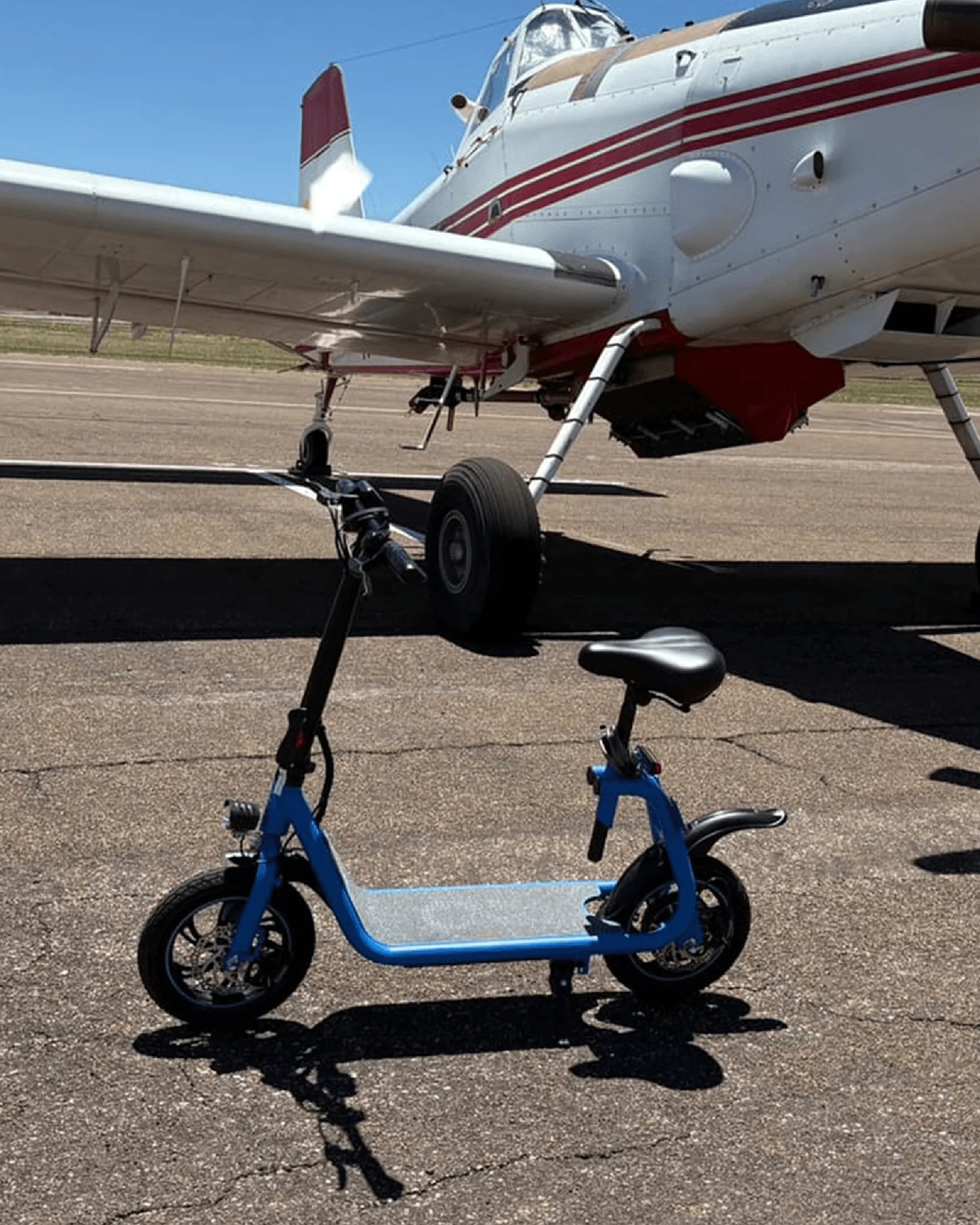
Imagine cruising down the sidewalk with confidence, knowing your every move is communicated clearly to those around you. Turn signal mobility scooters are transforming the way individuals with mobility challenges navigate their world, blending cutting-edge safety features with the freedom of independent movement.
The Importance of Turn Signals on Mobility Scooters
Turn signals on mobility scooters serve the same vital purpose as they do on automobiles - they communicate your intentions to others. For riders navigating busy sidewalks, parking lots, or crossing streets, these visual indicators can mean the difference between a smooth journey and a dangerous situation.
Unlike traditional mobility scooters without signaling capabilities, models equipped with turn signals provide:
- Clear communication with pedestrians and motorists
- Enhanced safety in low-light conditions
- Greater confidence when navigating intersections
- Improved predictability for those sharing pathways
How Turn Signal Systems Work on Mobility Scooters
The technology behind turn signal mobility scooters combines simplicity with reliability. Most systems feature:
LED lighting arrays positioned at both front and rear of the scooter provide bright, energy-efficient signaling that's visible even in daylight. The controls are typically mounted within easy reach of the handlebars, allowing the rider to activate signals without removing their hands from steering controls.
Some advanced systems incorporate:
- Automatic cancellation after turns
- Audible click sounds mimicking automotive signals
- Hazard light functions for emergency situations
- Self-diagnosing systems that alert to bulb failures
Safety Benefits Beyond Basic Signaling
Turn signal mobility scooters offer safety advantages that extend far beyond simple left-right indications. Many models integrate these signaling systems with other safety features to create comprehensive protection packages:
Reflective surfaces and running lights work in concert with turn signals to maximize visibility. Some systems even synchronize with braking mechanisms, activating additional warning lights when slowing or stopping. This multi-layered approach to visibility significantly reduces accident risks.
Choosing the Right Turn Signal Mobility Scooter
When selecting a mobility scooter with turn signals, consider these key factors:
The brightness and positioning of lights should ensure visibility from all angles. Controls must be intuitive and accessible without requiring excessive hand movement. Battery life should accommodate the additional power draw of lighting systems without compromising range.
Other considerations include:
- Weather resistance of lighting components
- Ease of maintenance and bulb replacement
- Integration with existing lighting systems
- Compliance with local mobility device regulations
The Future of Mobility Scooter Safety Technology
As urban environments become more crowded, the evolution of turn signal mobility scooters continues. Emerging technologies promise even greater safety enhancements:
Developers are experimenting with smart signaling systems that adjust brightness based on ambient light conditions. Some prototypes feature proximity sensors that automatically activate warning signals when other vehicles or pedestrians approach too closely. The integration of wireless communication could eventually allow scooters to 'talk' to smart city infrastructure.
Imagine a mobility scooter that automatically signals your turns based on GPS navigation input, or one that communicates directly with approaching vehicles to prevent collisions. These advancements aren't science fiction - they're the next frontier in mobility independence.
Turn signal mobility scooters represent more than just a convenience feature - they're a gateway to greater independence and security. For anyone considering enhanced mobility solutions, these advanced safety systems offer peace of mind that's worth every penny. The road ahead has never looked brighter - or safer - for those seeking freedom of movement.
Electric Scooter Price in Meghalaya: A Comprehensive Guide for Buyers
Electric Scooter Price in Meghalaya: A Comprehensive Guide for Buyers