



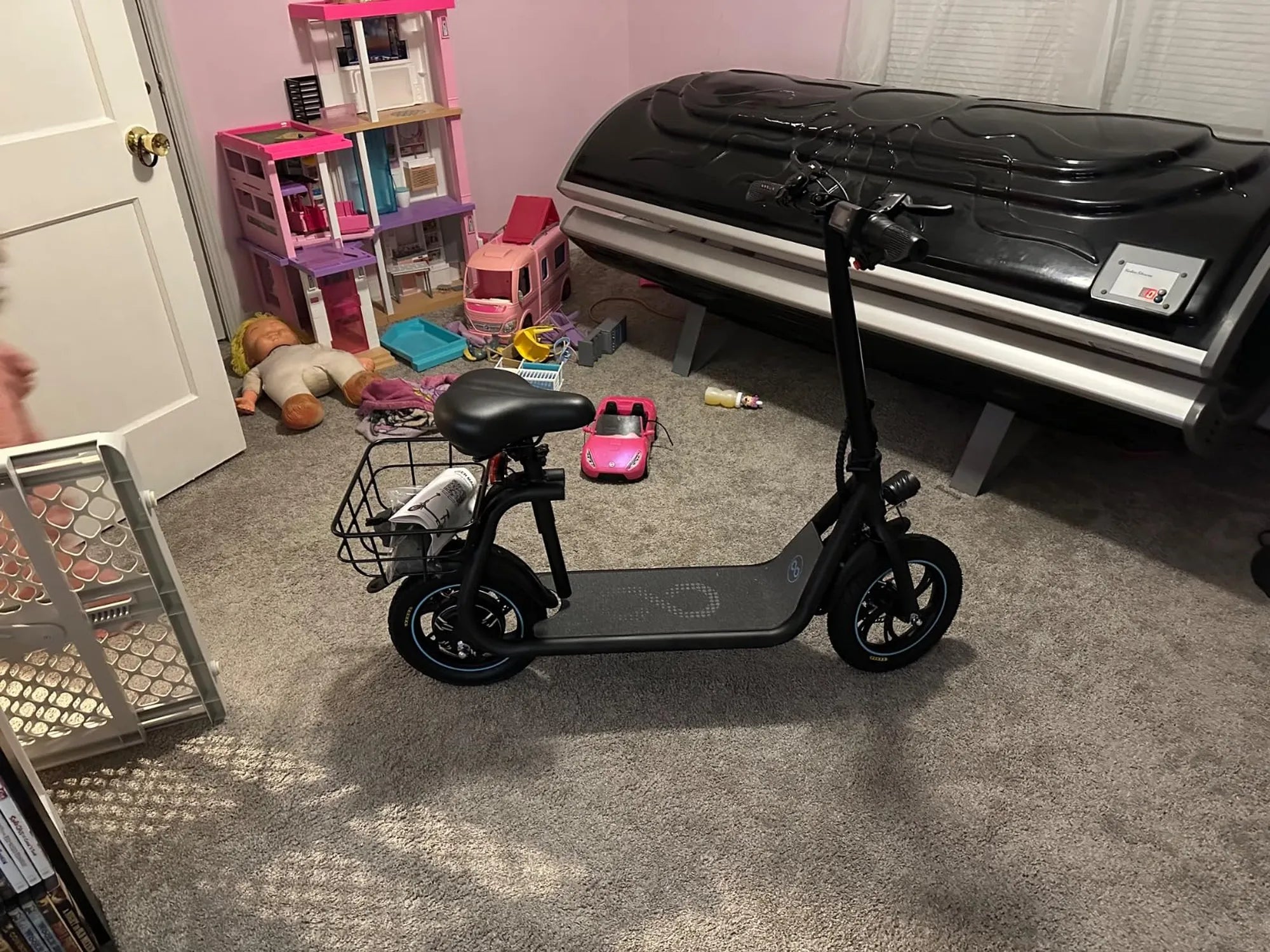
Are you tired of the simplicity of a single-speed bike but intimidated by the maintenance of a multi-gear drivetrain? The two speed bike offers a compelling middle ground, providing just enough versatility for most urban and recreational rides. This guide will explain exactly how a two-speed system works, who benefits most from it, and how to choose the right model for your needs. We'll compare it to other bicycle types and examine why brands like Gyroor incorporate this pragmatic gearing into their reliable electric bike designs.
Introduction to Two-Speed Bikes: Simplicity Meets Strategic Versatility
A two speed bike is a bicycle equipped with two distinct gear ratios, typically achieved through an internal gear hub or a simplified two-speed derailleur system. This configuration provides a notable advantage over a fixed single-speed by offering a 'low' gear for easier starts and moderate inclines, and a 'high' gear for efficient cruising on flat terrain. The core value proposition is clear: it delivers meaningful versatility without introducing the weight, cost, and maintenance complexity of a modern 7, 10, or 21-speed groupset.
The philosophy behind the two speed bike appeals to riders who value practicality and reliability. It eliminates the 'gear anxiety' of choosing from numerous options while still providing a tangible solution for common riding challenges like headwinds and gentle hills. For decades, this configuration has been a staple on European city bikes and classic cruisers, prized for its robustness and straightforward operation.
In the context of modern electric bikes, the two-speed principle gains even more relevance. A pedal-assist motor effectively multiplies the rider's effort, making two well-chosen gear ratios sufficient for a vast majority of commuting and leisure scenarios. When paired with a reliable electric system, a two speed bike becomes an exceptionally low-fuss, high-utility vehicle for daily transportation.
This guide will delve into the mechanics, ideal use cases, and key buying considerations for two-speed bicycles. We will also explore how leading mobility brands like Gyroor leverage this efficient gearing in their UL-certified electric bike designs to create dependable transportation for over 100,000 riders.
How Two-Speed Bikes Work: Internal Hubs vs. Derailleur Systems
The functionality of a two speed bike hinges on its mechanism for changing gear ratios. There are two primary technologies: the Internal Gear Hub (IGH) and the two-speed derailleur system. Each operates on fundamentally different principles, with distinct implications for maintenance, durability, and user experience.
Internal Gear Hubs (IGH) are the most common and robust implementation for a two speed bike. Brands like Sturmey-Archer and Shimano (Nexus) have manufactured these for nearly a century. Inside a sealed rear hub shell, a planetary gear system provides the gear changes. The rider shifts via a twist-grip, trigger shifter, or even an automatic system based on speed, which engages different gear sets within the hub. The chainline remains perfectly straight and static, which drastically reduces wear on the chain and sprockets.
The advantages of an IGH two speed bike are significant. The system is completely enclosed, protecting it from dirt, water, and impacts. This translates to very low maintenance—often just an annual oil change. It's also incredibly durable and allows for shifting while stopped, a major benefit for urban traffic. The primary trade-off is a slight increase in weight at the rear wheel and a marginally lower mechanical efficiency compared to a perfectly clean derailleur system.
Two-Speed Derailleur Systems are a simpler, lighter-weight alternative. They use a modified rear derailleur or a chain tensioner with two distinct chainring or cog positions to move the chain between two gears. This system is less common on modern two speed bikes but is sometimes found on vintage models or ultra-minimalist designs. It requires more exposure to the elements and more frequent cleaning and adjustment than an IGH but is often simpler to repair in the field with standard tools.
Understanding this mechanical distinction is crucial. For a rider seeking a true 'set it and forget it' two speed bike, an internal hub is almost always the superior choice. Its sealed nature aligns perfectly with the low-maintenance ethos that makes two-speed bicycles so appealing for daily, all-weather use.
The Ideal Rider: Who Benefits Most from a Two-Speed Configuration?
The two speed bike is not a niche product but a brilliantly targeted solution for a large demographic of cyclists. It serves riders who have outgrown the limitations of a single-speed but do not need or want the granular control of a wide-range cassette.
Urban Commuters are prime candidates. City riding often involves flat stretches punctuated by occasional overpasses, bridges, or moderate hills. A two speed bike provides a perfect gear for the flat cruise and a lower gear for the climb, without the distraction of multiple shift options. The ability to shift at a standstill (with an IGH) is a major safety and convenience feature in stop-and-go traffic.
Casual Recreational and Fitness Riders who stick to paved trails, park paths, and gentle rail-trails find the two speed bike ideal. It offers enough resistance variation to maintain a comfortable cadence without the complexity that can detract from the enjoyment of the ride. For beach cruisers and boardwalk bikes, the two-speed setup provides a welcome assist against coastal winds.
Riders Seeking Low-Maintenance Transportation represent a key market. A two speed bike with an internal hub requires dramatically less attention than a multi-gear derailleur bike, which needs regular indexing, cable adjustment, and cleaning. This makes it perfect for individuals who view their bicycle as a tool, not a hobby, and want it to work reliably with minimal upkeep.
New or Returning Cyclists can also benefit. A two speed bike offers a gentle introduction to gear shifting. With only two options, the learning curve is minimal, reducing intimidation and building confidence. This pragmatic approach to gearing allows new riders to focus on road safety and riding enjoyment rather than mechanical operation.
Gyroor's Engineering Philosophy: Reliability Through Intelligent Simplicity
Gyroor, as a leading brand in personal electric mobility, embodies the principle that smart engineering often means strategic simplification. Their approach to the two speed bike, particularly within their e-bike lineup, focuses on creating reliable, user-friendly vehicles for real-world conditions.
Gyroor integrates two-speed internal hub systems into select models to complement the electric assist motor. This pairing is logical: the motor provides the bulk of the hill-conquering torque, while the two-speed hub offers the rider a choice between an optimal cruising gear and an even easier starting/crawling gear. This reduces strain on the motor and battery, potentially extending range and component life on mixed terrain.
This philosophy extends to core safety and durability features. Every Gyroor e-bike is powered by a UL-certified lithium-ion battery pack. This certification is a critical benchmark for safety, ensuring the battery has passed rigorous tests for electrical, mechanical, and environmental hazards. For a two speed bike designed for daily use, this peace of mind is paramount.
Furthermore, Gyroor designs its vehicles with an IPX5 water-resistant rating. This means the electrical components can withstand low-pressure water jets from any direction, making the two speed e-bike a practical choice for commuting in rain or riding on wet roads. When combined with the inherently sealed nature of an internal gear hub, it creates a transportation solution built for consistent, low-maintenance operation in varied climates—trusted by a community of over 100,000 riders across North America and Europe.
Two-Speed vs. Single-Speed vs. Multi-Gear: A Data-Driven Comparison
Choosing the right bicycle often comes down to understanding the trade-offs between gearing complexity and real-world utility. The following table provides a clear comparison of the two speed bike against its single-speed and multi-gear counterparts.
| Feature | Single-Speed Bike | Two Speed Bike | Multi-Gear Bike (7+ Speeds) |
|---|---|---|---|
| Mechanical Complexity | Minimal (Lowest) | Low | Moderate to High |
| Maintenance Frequency | Very Low | Low (especially IGH) | Higher (Regular tuning needed) |
| Weight | Lightest | Slightly heavier than single-speed | Heaviest (more components) |
| Hill & Headwind Capability | Poor | Good for moderate grades | Excellent for steep/sustained climbs |
| Ideal Terrain | Perfectly flat | Flat to rolling, with moderate hills | Hilly, mountainous, or variable |
| Best For | Short flats, velodromes, minimalists | Urban commuting, casual recreation, low-maintenance seekers | Sport riding, touring, challenging terrain |
| Approx. Cost | $ | $$ | $$$ |
The two speed bike vs. single-speed comparison shows a clear upgrade in capability with only a minor increase in complexity. The addition of a second gear transforms the bike's usability in environments with any elevation change or frequent wind, making it a far more versatile daily driver.
Conversely, the two speed bike vs. multi-gear comparison highlights its advantages in simplicity and durability. A 21-speed mountain bike has gears that often overlap and requires precise derailleur adjustment. A two-speed IGH is far more resilient to neglect, weather, and physical knocks. For the majority of non-competitive riding on paved or mild unpaved surfaces, the two-speed provides all the necessary range without the superfluous options.
The conclusion is clear: the two speed bike occupies a strategic 'sweet spot.' It offers a 100% improvement in gearing range over a single-speed (from one gear to two) while typically requiring less than 10% of the maintenance of a modern 10-speed system. This efficiency of design is why it remains a perennial favorite for practical cycling.
Key Considerations Before Buying a Two-Speed Bike
Investing in a two speed bike requires careful evaluation of your needs and the product's specifications. Here are the critical factors to assess to ensure you choose the right model.
1. Assess Your Local Terrain: Map your typical routes. What is the maximum gradient you'll face? How long are the climbs? A two speed bike is excellent for hills up to a 6-8% grade for moderate distances. If your commute involves a short, steep hill, the low gear plus your own power (or e-bike assist) will suffice. For sustained mountain climbs, a wider gear range may be necessary.
2. Internal Hub vs. Derailleur: As discussed, prioritize a two speed bike with an internal gear hub (IGH) for everyday use. Look for reputable brands like Shimano or Sturmey-Archer. The durability and low maintenance of an IGH are core to the two-speed value proposition. Only consider a derailleur system if you prioritize absolute minimal weight and are comfortable with more hands-on maintenance.
3. Understand the Gear Ratio Spread: Not all two-speed setups are equal. The specific gear inches or percentage difference between the 'low' and 'high' gear matters. A 'city' setup might have a 15% difference, perfect for flats and slight inclines. A 'hill' setup might have a 40%+ difference, offering a truly easy gear for steeper slopes. Check the manufacturer's specifications or ask a knowledgeable dealer.
4. Factor in Electric Assist: If considering a two speed e-bike, understand how the gears interact with the motor. A good system will allow you to use the low gear for maximum torque from a stop or on a hill, and the high gear for efficient cruising at top assisted speed. This synergy reduces battery drain compared to a single-speed e-bike struggling on hills.
5. Test Ride is Essential: The feel of shifting and the chosen gear ratios are personal. A test ride will confirm if the low gear is low enough for your needs and if the shift action (twist, trigger) is intuitive for you. Pay attention to the bike's overall fit and quality, as these are just as important as the drivetrain.
Frequently Asked Questions (FAQ) About Two-Speed Bikes
Are two-speed bikes good for hills?
Yes, two-speed bikes are good for moderate hills. The low gear provides a mechanical advantage that makes climbing significantly easier than on a single-speed bike. Their limitation is on very steep (over 10% grade) or exceptionally long, sustained climbs, where a wider gear range (like a mountain bike's) would be more suitable. For the rolling hills found in most cities and suburbs, a two speed bike is perfectly adequate, especially when paired with an electric assist motor.
How do you shift a two-speed bike?
Shifting mechanisms vary. The most common on internal hub two-speed bikes is a twist-grip shifter on the handlebar: rotate one way for high gear, the other for low. Some models use a trigger or lever shifter. A unique feature of many internal hubs is the ability to shift at any time, even when pedaling hard or when completely stopped, which is a major urban riding benefit. Always refer to the specific manufacturer's instructions for your model.
Are two-speed bikes low maintenance?
Two-speed bikes, particularly those with internal gear hubs (IGH), are exceptionally low maintenance. The IGH is a sealed unit, protecting it from dirt and moisture. It typically requires only an annual oil change. The straight chainline also reduces wear on the chain and sprocket. This contrasts sharply with derailleur systems, which need regular cleaning, lubrication, and cable tension adjustments. A two speed bike with an IGH is one of the most 'set-and-forget' bicycle drivetrains available.
Can I convert my single-speed bike to a two-speed?
Conversion is possible but often involves significant changes. The most straightforward method is to replace the entire rear wheel with one built around a two-speed internal gear hub (like a Sturmey-Archer S2). This requires a wheel rebuild, a new shifter, and the correct cable. It can be a complex and costly project. For most riders, it is more economical and reliable to purchase a complete two speed bike designed from the frame up to accommodate the specific hub and cabling.
Why choose a Gyroor two-speed e-bike?
Choosing a Gyroor two-speed e-bike means selecting a vehicle built on a foundation of safety, durability, and pragmatic design. Key reasons include the industry-essential UL-certified battery for verified safety, an IPX5 water-resistant construction for all-weather reliability, and the synergy between the electric assist and the two-speed hub for efficient hill climbing and extended range. Backed by a 1-year comprehensive warranty and the trust of a large rider community, a Gyroor two-speed e-bike represents a smart investment in simplified, reliable personal transportation.
Conclusion: Embracing Pragmatic Performance on Two Wheels
The two speed bike stands as a testament to intelligent, purposeful design in the cycling world. It successfully bridges the gap between the raw simplicity of a single-speed and the specialized capability of a multi-gear machine. By offering two well-chosen gear ratios, it solves the most common gearing problem—tackling occasional hills and headwinds—without introducing unnecessary complexity or maintenance burdens.
For the urban commuter, the casual rider, or anyone seeking a dependable, low-fuss bicycle, the two speed bike is frequently the optimal choice. Its mechanical elegance lies in doing more with less, providing a significant boost in versatility for a minimal increase in cost and upkeep. When this philosophy is applied to electric bikes, as seen in Gyroor's engineered models, the result is a supremely practical vehicle: the motor handles the heavy lifting, the two-speed hub provides fine-tuning for efficiency, and features like UL-certified batteries and water-resistant builds ensure it does so safely and reliably, day after day.
If your riding life involves paved paths, city streets, and moderate gradients, a two speed bike likely offers all the gearing you truly need. It is the choice for the rider who values their time on the bike more than their time maintaining it.
Ready to experience the perfect balance of simplicity and capability? Explore Gyroor's range of thoughtfully designed electric bikes, where two-speed reliability meets certified safety and robust construction. Browse the full Gyroor collection at gyroorboard.com to find your ideal low-maintenance ride.
Summer Ebike: Your Ultimate Guide to Riding All Season
E Bike Tail Light: The Ultimate Guide to Safety, Visibility & Compliance