



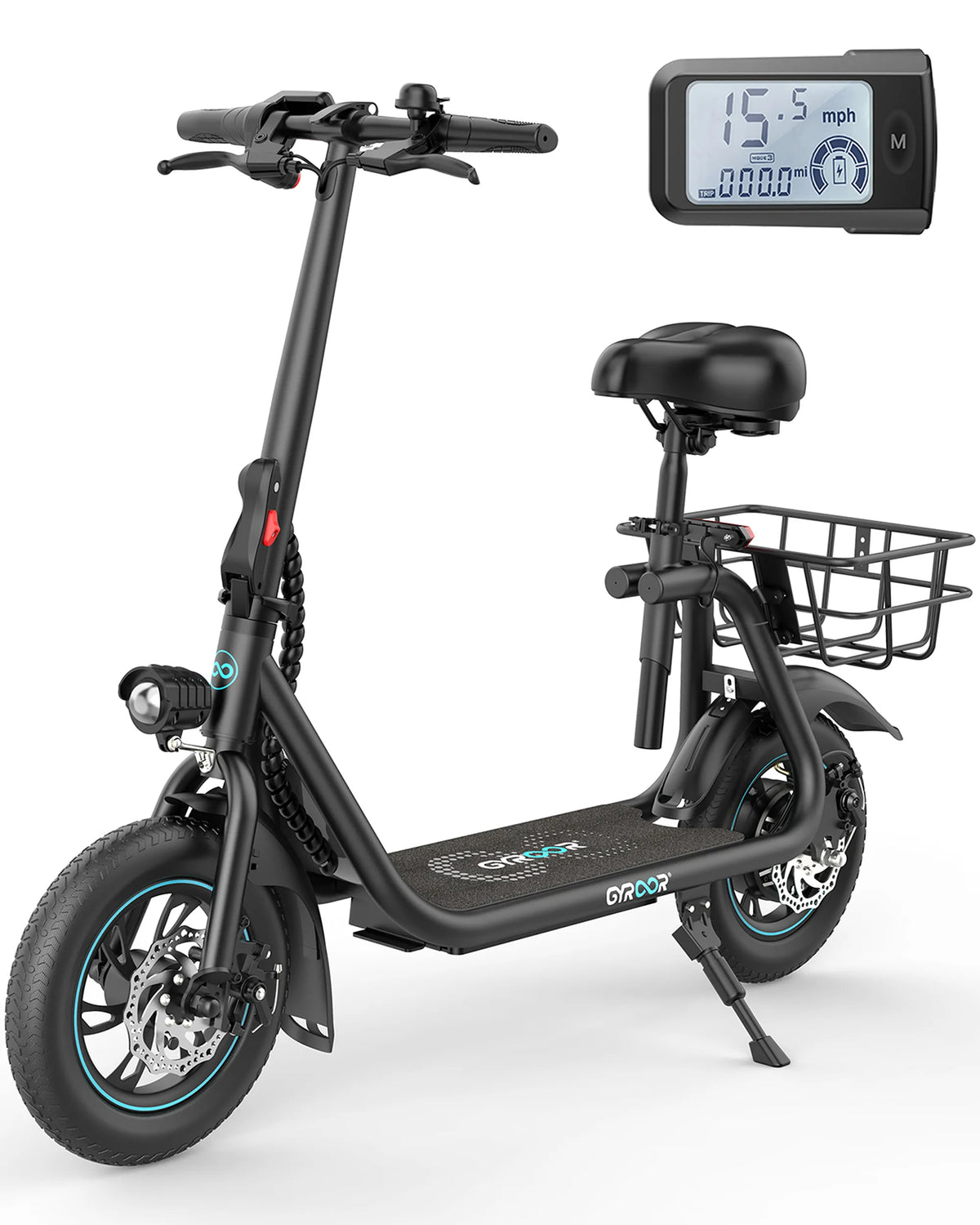
Ever wondered what keeps your electric bike humming along smoothly? The answer lies in the heart of its power system—the battery. Choosing the right type of battery for your bike can significantly impact performance, range, and overall riding experience. Whether you're a daily commuter or an off-road adventurer, understanding the different types of bike batteries is crucial. Let’s dive into the world of bike batteries and explore which one might be the perfect fit for your ride.
Lead-Acid Batteries
Lead-acid batteries are one of the oldest and most widely used types of battery for bike. They are known for their affordability and reliability, making them a popular choice for budget-conscious riders.
Pros
- Low cost compared to other battery types
- Widely available and easy to replace
- Reliable performance in various conditions
Cons
- Heavy and bulky, which can affect bike handling
- Shorter lifespan compared to newer technologies
- Requires regular maintenance to prevent sulfation
Lithium-Ion Batteries
Lithium-ion (Li-ion) batteries have become the gold standard for modern electric bikes. They offer a great balance between weight, capacity, and longevity.
Pros
- Lightweight and compact, improving bike agility
- Longer lifespan with fewer charge cycles
- High energy density for extended range
Cons
- Higher initial cost
- Sensitive to extreme temperatures
- Requires a dedicated charger for optimal performance
Nickel-Metal Hydride Batteries
Nickel-metal hydride (NiMH) batteries strike a middle ground between lead-acid and lithium-ion batteries. They are less common but still used in some electric bikes.
Pros
- Better energy density than lead-acid batteries
- More environmentally friendly than other options
- Moderate cost compared to lithium-ion
Cons
- Heavier than lithium-ion batteries
- Limited availability in the market
- Can suffer from memory effect if not properly maintained
Solid-State Batteries
Solid-state batteries are the next frontier in bike battery technology. Though not yet widely available, they promise significant advancements in safety and performance.
Pros
- Higher energy density for longer rides
- Improved safety with no risk of leakage or overheating
- Faster charging times
Cons
- Currently expensive and hard to find
- Still in the early stages of development
- Limited real-world testing data
How to Choose the Right Battery for Your Bike
Selecting the perfect battery depends on your riding style, budget, and priorities. Here are some key factors to consider:
- Range: How far do you need to travel on a single charge?
- Weight: Are you willing to trade off some agility for cost savings?
- Lifespan: How often are you prepared to replace the battery?
- Charging Time: Do you need quick top-ups or can you wait longer?
By weighing these factors, you can narrow down the best type of battery for your bike.
Maintenance Tips for Bike Batteries
No matter which type of battery you choose, proper maintenance can extend its lifespan and keep your bike running smoothly.
- Store your battery in a cool, dry place when not in use.
- Avoid fully discharging the battery whenever possible.
- Follow the manufacturer’s charging guidelines to prevent damage.
- Regularly inspect the battery for signs of wear or damage.
Taking these simple steps can save you money and hassle in the long run.
The Future of Bike Batteries
As technology advances, we can expect even more efficient and eco-friendly battery options for bikes. Innovations like graphene batteries and improved recycling methods are on the horizon, promising greener and more powerful solutions for cyclists.
Ready to upgrade your ride? The right battery can transform your biking experience, giving you the power and freedom to go further than ever before. Whether you opt for the tried-and-true or the cutting-edge, there’s a perfect battery out there waiting for you.
Solar Battery Charger for Electric Bike: The Ultimate Guide to Sustainable Riding
Battery Bike for Men: The Ultimate Guide to Power and Performance