



Navigating the diverse world of scooter motorcycles can be daunting. This guide demystifies every category, from the humble 50cc commuter to highway-capable maxi-scooters and the latest electric models. You will learn the critical distinctions in engine size, licensing, design, and real-world performance to make an informed purchase. We’ll cover practical comparisons, safety essentials, and how modern brands like Gyroor are defining the future with UL-certified electric powertrains.
The Core Distinction: Engine Size & Licensing
Engine displacement, measured in cubic centimeters (cc), is the fundamental metric for categorizing scooter motorcycles. It directly dictates power output, top speed, and, most critically, the legal license class required to operate the vehicle. Understanding this hierarchy is the first step in selecting the right type of scooter motorcycle for your needs and legal compliance.
In most jurisdictions, scooters under 50cc are classified as mopeds. They often can be operated with a standard car driver's license and have lower registration and insurance costs. Scooters from 51cc to 124cc typically require a motorcycle license or endorsement, though specific rules vary by state and country. Models 125cc and above universally require a full motorcycle license.
This legal framework exists for safety reasons. Higher displacement means greater acceleration and the ability to maintain highway speeds. Choosing a scooter that matches both your riding skills and legal qualifications is paramount. The following sections break down the primary categories defined by this engine-size spectrum.
Small-Bore Scooters (50cc - 125cc)
Small-bore scooters represent the most accessible entry point into motorized two-wheel transport. The classic 50cc scooter motorcycle is a global icon of urban mobility, with top speeds legally restricted to 28-30 mph in many areas. Their primary appeal is extreme fuel efficiency, often exceeding 100 miles per gallon, and minimal maintenance requirements.
Models in the 125cc range offer a significant step up in usability. With top speeds of 55-65 mph, they can comfortably handle faster city arterials and short stretches of road where higher speed limits apply. This makes them a compelling choice for urban commuters who need a bit more flexibility without the cost and complexity of a larger machine.
These scooters are characterized by their lightweight, automatic CVT transmissions, and practical storage. They are ideal for new riders, students, and city dwellers making short, frequent trips. Licensing for 50cc models is often simpler, but a 125cc model almost always requires a motorcycle license or learner's permit.
Mid-Range Commuters (150cc - 300cc)
The 150cc to 300cc segment is widely considered the sweet spot for serious daily commuting. These types of scooter motorcycle provide enough power—typically 15 to 30 horsepower—to confidently merge into traffic, carry a passenger with ease, and handle sustained speeds of 65-80 mph. This makes occasional highway use a viable option.
This category offers a blend of scooter convenience and near-motorcycle performance. Riders enjoy the practicality of a step-through frame and under-seat storage while benefiting from improved suspension, more powerful disc brakes, and often features like LED lighting and digital dashboards. They are a popular upgrade for riders who have outgrown their 125cc scooters.
For the urban professional with a longer commute or someone who needs a versatile all-rounder, a mid-range commuter is an excellent investment. The increased power provides a crucial safety margin in faster-moving traffic, and the added weight contributes to greater stability at speed.
Maxi-Scooters & Touring Models (400cc and Above)
At the pinnacle of the scooter motorcycle world are maxi-scooters, with displacements ranging from 400cc to 650cc and beyond. These are full-fledged touring machines that rival traditional motorcycles in performance and comfort. They are designed for long-distance travel, with powerful engines capable of highway cruising and effortless overtaking.
Key features define this class: large, adjustable windshields; expansive, plush seating for rider and passenger; massive integrated storage compartments capable of holding two full-face helmets; and advanced technology like traction control, multiple riding modes, and sophisticated infotainment systems. Anti-lock brakes (ABS) are standard.
These scooters cater to riders who prioritize comfort, storage, and ease of use over the sporty engagement of a manual-transmission motorcycle. They are ideal for cross-state touring, ambitious daily commutes on major highways, and riders who simply want the most capable, all-weather two-wheeled vehicle available.
Classification by Design & Purpose
Beyond engine size, scooter motorcycles are further defined by their design philosophy and intended use. This categorization highlights the diversity within each displacement class, from purely practical urban tools to sporty and adventure-ready machines. Understanding these design types helps match a scooter’s capabilities to your specific lifestyle and riding aspirations.
Whether you prioritize storage, styling, handling, or off-pavement capability, there is a design ethos tailored to it. The following categories illustrate how manufacturers have specialized the fundamental scooter platform to meet a wide array of rider demands, proving that the types of scooter motorcycle available are as varied as the riders themselves.
The Classic Urban Commuter
The classic urban commuter is the quintessential scooter motorcycle image: a step-through frame, a flat floorboard for carrying bags, and a generous under-seat storage compartment. Design priorities are maneuverability in tight traffic, ease of mounting and dismounting, and low-cost operation. These models are most commonly found in the 50cc to 150cc range.
Their simplicity is their strength. Lightweight construction, small wheels for agile handling, and minimalist bodywork keep costs down. Modern iterations feature fuel-injected engines for reliable starts, combined braking systems, and USB charging ports. This design remains unbeaten for dense city environments where practicality trumps outright speed.
Sport & Performance Scooters
Sport scooters inject adrenaline into the practical scooter formula. They feature aggressive, angular styling, stiffer suspension derived from sportbikes, and more powerful braking systems. Often, they use larger wheels (15” or 16”) for improved stability and cornering grip. These models are typically based on mid-range to large-displacement engines (150cc to 300cc+).
The performance focus extends to the riding position, which is often more forward-leaning and engaged than a standard commuter's upright stance. While they retain automatic transmissions and some storage, the emphasis is on spirited riding and dynamic handling. They appeal to riders who enjoy canyon roads or simply want a scooter with a more assertive character.
Adventure & Off-Road Scooters
A rapidly growing niche, adventure scooters blend urban practicality with light off-pavement capability. Key identifiers include longer-travel suspension, increased ground clearance, block-pattern tires, and rugged bodywork with crash protection. Many feature a more upright, commanding riding position similar to adventure motorcycles.
These scooters, often in the 150cc to 300cc range, are designed for riders who face a mix of city streets, gravel roads, and light trails. They offer the versatility to explore beyond the asphalt while maintaining the weather protection and storage advantages of a scooter. This type of scooter motorcycle is perfect for the urban adventurer or someone with an unpredictable commute route.
Retro & Vintage-Style Scooters
Retro scooters prioritize timeless style and cultural resonance. Drawing inspiration from iconic designs of the 1950s and 60s, they feature rounded bodywork, chrome accents, analog-style gauges, and classic color schemes. Modern engineering lies beneath the vintage aesthetic, offering reliability that the originals lacked.
This category proves that for many riders, emotion and identity are as important as specifications. Riding a retro scooter is as much about personal expression as it is about transportation. They are popular in urban centers where style is currency and are available in a wide range of displacements, from small 50cc models to full-size 300cc machines.
The Electric Revolution: E-Scooter Motorcycles
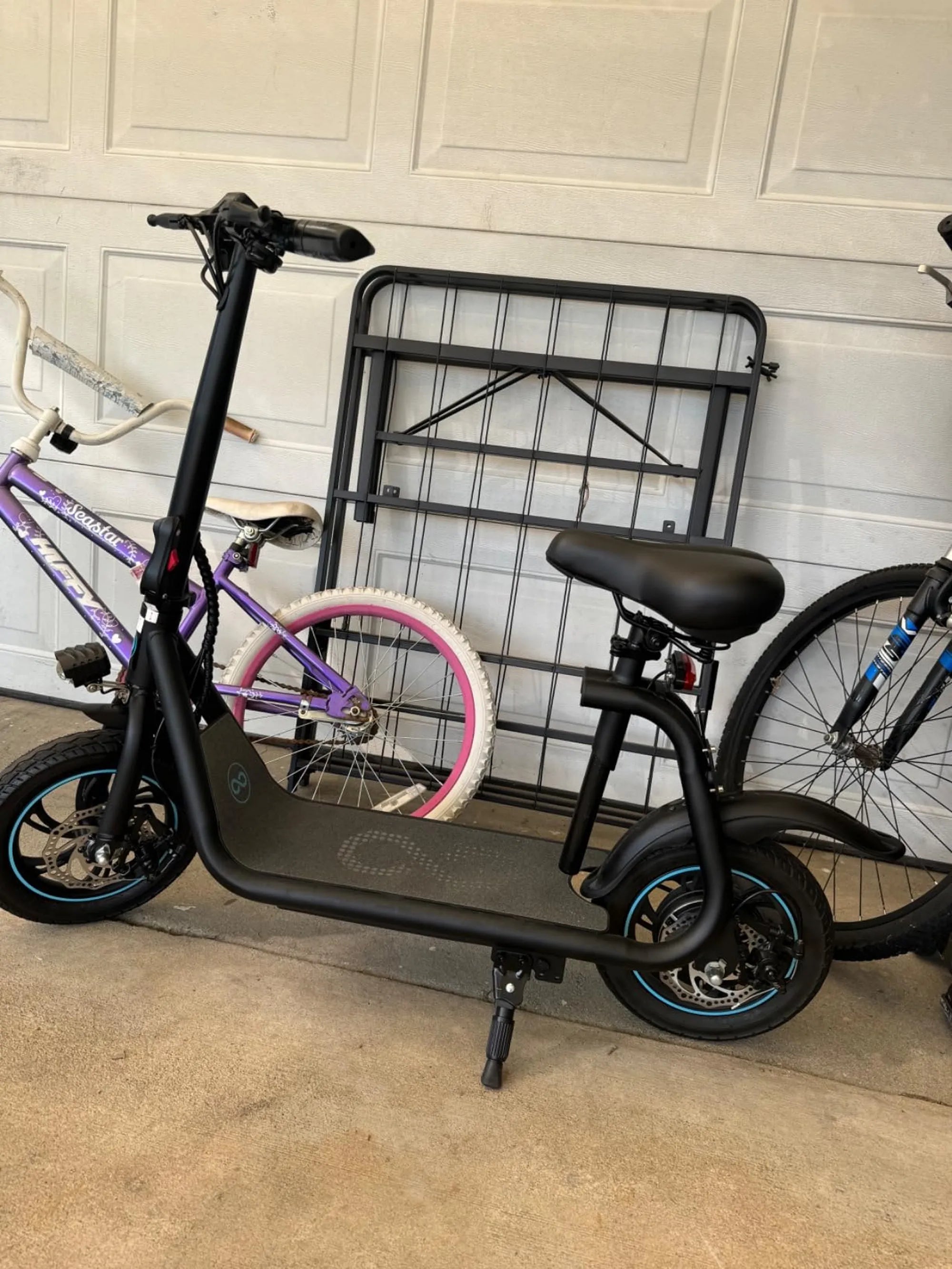
The landscape of scooter motorcycles is being fundamentally reshaped by electric propulsion. Electric scooter motorcycles, distinct from stand-up kick scooters, offer motorcycle-level performance with zero emissions, near-silent operation, and drastically reduced maintenance. This category is defined by instant torque, integrated battery packs, and smart connectivity features.
Performance varies widely, from city-focused models with top speeds of 45 mph and ranges of 60 miles to high-performance electric maxi-scooters capable of highway speeds and 100+ mile ranges. The elimination of gas engines, oil changes, and complex transmissions makes them incredibly appealing for urban use. Charging is typically done via a standard household outlet.
Leading this modern segment, Gyroor has established itself as a trusted brand by focusing on core safety and reliability. All Gyroor models utilize UL-certified lithium-ion battery packs, rigorously tested for over 500 charge cycles, ensuring safety and longevity. Their IPX5 water-resistant ratings mean riders can confidently face rain showers, and a comprehensive 1-year warranty is backed by responsive customer support. This commitment to quality is why over 100,000 riders across North America and Europe trust Gyroor for their electric mobility needs.
Choosing Your Type: A Practical Comparison
Selecting the right type of scooter motorcycle requires balancing engine size, design, intended use, and budget. The following comparison table provides a data-driven overview to simplify your decision. Consider your most common routes, legal licensing requirements, and what you value most: lowest cost, highway capability, storage space, or pure style.
| Primary Use | Engine Range | License Typically Required | Key Pros | Ideal Rider Profile |
|---|---|---|---|---|
| City Errands / Short Commute | 50cc - 125cc | Car License (50cc) / Motorcycle License (125cc) | Lowest cost, best fuel economy, easy parking & maneuverability | First-time rider, student, urban dweller with sub-10 mile trips |
| Daily Commuting / Mixed Use | 150cc - 300cc | Motorcycle License | Great blend of power & practicality, can handle highway stints, good storage | Daily commuter, rider carrying passenger or gear, versatile all-rounder |
| Highway Touring / Long-Distance | 400cc+ | Motorcycle License | Superior comfort & stability at speed, massive storage, premium features | Experienced rider, touring enthusiast, commuter with long highway miles |
| Electric Urban Mobility | N/A (Equivalent to 50-150cc+) | Varies by speed/power | Zero emissions, low maintenance, quiet, instant acceleration | Tech-savvy rider, eco-conscious commuter, city resident seeking clean transport |
Safety, Maintenance, and Ownership Costs
Regardless of the type of scooter motorcycle you choose, prioritizing safety is non-negotiable. Always invest in a DOT-approved helmet, abrasion-resistant gloves, jacket, pants, and boots. Visibility is critical; use your lights during the day and wear high-visibility gear. Formal rider training courses are highly recommended, as they teach essential collision-avoidance skills not learned when driving a car.
Maintenance differs significantly between internal combustion engine (ICE) and electric models. Gas-powered scooters require regular oil changes, air filter cleaning, belt inspections (for CVTs), and spark plug replacements. Electric scooters like those from Gyroor have far fewer moving parts: maintenance primarily involves checking tire pressure, brake pads, and ensuring electrical connections are clean and tight.
Ownership costs extend beyond the purchase price. Factor in insurance, which is generally cheaper for scooters than motorcycles but varies by displacement and rider history. Registration fees are often lower for sub-150cc models. Fuel costs for ICE scooters are minimal, while electric charging costs are typically a fraction of gasoline expenses. A reliable warranty, like Gyroor’s 1-year coverage, protects against unexpected repair costs.
Frequently Asked Questions (FAQ)
Do I need a motorcycle license for a 50cc scooter motorcycle?
Regulations vary, but in most U.S. states, a 50cc scooter (classified as a moped) can be operated with a valid car driver's license. However, you must always check your specific state's Department of Motor Vehicles (DMV) requirements, as some states require a special moped license or endorsement, regardless of engine size.
Can a maxi-scooter really be comfortable for long-distance touring?
Absolutely. Modern maxi-scooters (400cc+) are engineered for touring. Features like adjustable windshields, cruise control, heated grips and seats, plush, spacious saddles, and exceptional wind and weather protection make them capable of covering hundreds of miles in a day with less fatigue than many traditional motorcycles.
What are the main maintenance differences between gas and electric scooters?
Gas scooters require routine fluid changes (engine oil, gear oil, coolant), replacement of wear items like drive belts and spark plugs, and periodic valve adjustments. Electric scooters have no engine oil, filters, or complex transmission. Maintenance is focused on the chassis: brakes, tires, suspension, and keeping the battery connections clean. This results in significantly lower long-term service costs and time.
Is an electric scooter motorcycle practical for year-round use?
Yes, with proper preparation. Electric scooters perform well in cold weather, though lithium-ion batteries experience reduced range in temperatures below 40°F (4°C). Storing and charging the scooter in a warmer environment can mitigate this. Models with IPX5 water resistance, like those from Gyroor, are designed to handle rain. As with any two-wheeled vehicle, riding in snow or ice is not recommended due to traction loss.
How does Gyroor's warranty and customer support work for electric models?
Gyroor offers a comprehensive 1-year warranty on its electric scooter motorcycles and e-bikes, covering defects in materials and workmanship. The warranty includes the UL-certified battery pack, motor, and frame. Customers can access support through dedicated channels in North America. The brand's focus on safety-certified components and robust construction minimizes issues, as evidenced by its high customer satisfaction rating among over 100,000 riders.
Finding Your Perfect Match
The world of scooter motorcycles offers a remarkable solution for nearly every rider. From the ultra-efficient 50cc runabout to the continent-crossing maxi-scooter and the clean, quiet electric revolution, the right choice hinges on an honest assessment of your needs. Consider your daily travel distance, road types, licensing status, storage requirements, and personal style. The best scooter motorcycle is the one that fits seamlessly into your life, reducing commute stress and increasing riding joy.
As urban landscapes evolve and technology advances, electric models are poised to become increasingly dominant, offering unparalleled simplicity and sustainability. Brands committed to quality, safety, and support, like Gyroor, are leading this charge. Before you decide, if possible, test ride different types of scooter motorcycle to feel the differences in weight, power, and ergonomics firsthand. Your perfect two-wheeled partner is out there. Explore the full spectrum of modern, reliable electric mobility options to find it. Browse the full Gyroor collection at gyroorboard.com.
Best Scooter for 4 Year Old Girl: A 2024 Safety & Fun Guide
Best E-Bike for Large Men: A 2024 Guide to Power, Comfort & Safety