



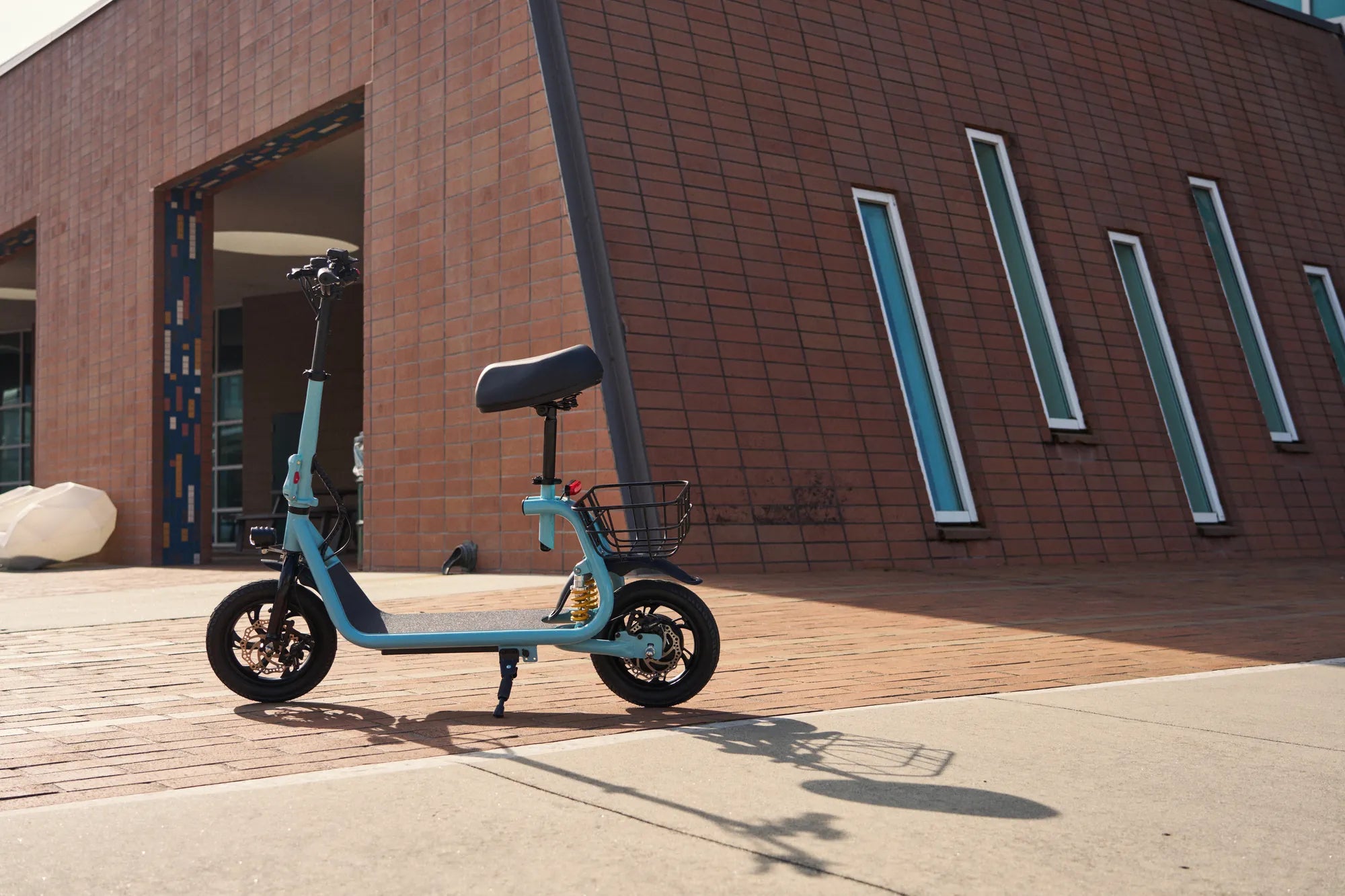
Introduction: The American E-Bike Revolution
The US e-bike market is experiencing unprecedented growth, transforming urban mobility and recreational cycling. This surge is fueled by a convergence of factors: the need for efficient commuting alternatives, rising environmental consciousness, and improving cycling infrastructure in cities nationwide. At the heart of this transformation are innovative US e-bike companies, a diverse ecosystem ranging from agile startups to legacy bicycle manufacturers reinventing themselves.
Understanding the landscape of US e-bike companies is crucial for consumers seeking quality, safety, and reliable support. These brands are not merely importers; they are shaping product design, safety standards, and the ownership experience for American riders. Companies that prioritize US-based engineering, customer service, and warranty support offer distinct advantages in a crowded market.
This guide will provide a detailed analysis of the major categories of US e-bike brands, the critical features they champion, and the post-purchase ecosystem that defines a superior ownership experience. We will examine how leading brands, including commuter-focused specialists like Gyroor—a leading electric scooter and e-bike brand trusted by over 100,000 riders—set benchmarks with UL-certified batteries and robust warranties.
Defining the US E-Bike Company Landscape
The term "US e-bike company" encompasses a spectrum of business models, each with different implications for the consumer. At one end are brands that design, engineer, and assemble their products primarily within the United States, often sourcing high-end components domestically or from allied nations. At the other end are companies that design and specify products for the US market but have them manufactured overseas, focusing their US operations on marketing, sales, and customer support.
A key differentiator is the depth of US-based operations. Brands with substantial US footprints typically offer more responsive customer service, easier warranty claim processing, and faster access to replacement parts. Their product development is often directly informed by American riding conditions—dealing with longer commutes, specific terrain, and varying local regulations—resulting in e-bikes better suited for the domestic rider.
This localized approach extends beyond the bike itself. It includes building relationships with local bike shops for servicing, participating in US-based advocacy for safer cycling infrastructure, and ensuring compliance with evolving state and federal regulations. For the consumer, choosing a company with strong US operations often translates to a smoother, more supported long-term ownership journey.
The Key Players: Categories of US E-Bike Brands
The market can be segmented into four primary categories, each serving distinct rider needs and budgets. Premium Innovators include legacy brands like Specialized and Trek. They leverage decades of cycling R&D, offering high-performance, seamlessly integrated e-bikes with cutting-edge technology, extensive dealer networks, and premium price tags.
Direct-to-Consumer (DTC) Disruptors, such as Rad Power Bikes and Aventon, revolutionized the market by selling high-value e-bikes online. They bypass traditional retail markups, offering feature-rich bikes at competitive prices. Their model relies on robust direct customer support and community engagement.
Lifestyle & Commuter Specialists focus on practical, everyday transportation. Brands like Lectric eBikes and Ride1Up excel at delivering maximum utility and features for the price. Gyroor operates firmly in this space, balancing performance with practical design, emphasizing safety certifications like UL standards and IPX5 water resistance for reliable daily use.
Niche & Performance Brands cater to specific segments. Juiced Bikes emphasizes high power and speed, while QuietKat targets the adventure and hunting markets with rugged, off-road capable e-bikes. These companies demonstrate the specialization possible within the US e-bike ecosystem.
What to Look For: Key Features from Top US Companies
Leading US e-bike companies distinguish themselves through a focus on safety, durability, and rider-centric design. When evaluating brands, several key specifications and features serve as critical benchmarks. These elements directly impact the safety, performance, and longevity of the e-bike, separating market leaders from generic offerings.
Motor performance is a primary consideration. US companies typically offer motors ranging from 250W (for Class 1 pedal-assist) to 750W or more (common for Class 2 and 3). Torque, measured in Newton-meters (Nm), is equally important, as it determines hill-climbing ability and acceleration from a stop—key for American urban environments. Mid-drive motors, which leverage the bike's gearing, are often preferred for hilly terrain, while hub drives offer simplicity and value.
Battery technology and management are paramount. Look for brands that are transparent about battery cell quality (e.g., using name-brand lithium-ion cells) and the Battery Management System (BMS). A high-quality BMS protects against overcharging, overheating, and deep discharge, significantly extending battery life. Real-world range, not just maximum theoretical range, is a crucial data point provided by reputable US e-bike companies.
Safety and Certification Standards (The Non-Negotiables)
Safety is the foremost priority, and leading US e-bike companies are setting new industry standards. The UL 2849 certification has become a critical differentiator. This comprehensive standard tests the entire electrical system—battery, motor, charger, and wiring—for safety regarding electrical shock, fire risk, and mechanical hazards. It is a voluntary but highly respected benchmark that more US brands are adopting.
Electrical safety is complemented by physical durability ratings. The Ingress Protection (IP) rating indicates resistance to dust and water. An IPX5 rating, for example, means the e-bike can withstand water jets from any direction, making it suitable for riding in rain or through puddles. This is a standard feature for brands like Gyroor, ensuring all-weather reliability for commuters.
Beyond certifications, safety features include integrated lighting systems (bright front and rear lights, often with brake light functionality), reflective elements, and reliable hydraulic or mechanical disc brakes capable of handling the e-bike's additional weight and speed. These integrated features, common among top US e-bike companies, are essential for safe urban and suburban riding.
Performance and Practicality for American Riders
US e-bike companies design for the realities of American life. This means optimizing for longer average commute distances, variable road conditions, and the need for versatility. Practicality is engineered into the frame design, with mounting points for cargo racks, fenders, and water bottles being standard on commuter models.
Comfort is another major focus. Adjustable stem and seatpost options, suspension forks or seatposts for absorbing road vibrations, and ergonomic grips are common. Many brands also integrate smartphone connectivity via proprietary apps, allowing riders to customize assist levels, track rides, diagnose issues, and lock the motor—a blend of performance and smart technology.
The inclusion of essential accessories in the base price is a trend among value-focused US companies. Instead of selling a bare-bones bike, many include fenders, a rear rack, and integrated lights, providing true ride-ready utility. This holistic approach to the product package demonstrates an understanding of the complete user experience, a hallmark of customer-centric US e-bike companies.
Beyond the Bike: The Value of US-Based Operations
The true value proposition of a US e-bike company often lies beyond the physical product. The post-purchase ecosystem—encompassing support, service, and community—is where these brands build lasting customer loyalty and confidence. This ecosystem is significantly more robust when the company has a substantial operational footprint in the United States.
When issues arise, having customer service and technical support teams operating in US time zones and speaking fluent English dramatically improves resolution times. It eliminates the frustration of long email delays or difficult-to-understand support calls often associated with overseas operations. This direct line to the company is a cornerstone of the ownership experience promised by leading US e-bike companies.
Furthermore, US-based operations facilitate a faster and more transparent warranty process. Shipping a faulty component to a domestic warehouse for inspection and replacement is far quicker and less expensive than international shipping. This logistical advantage means less downtime for the rider, turning a potential negative experience into a demonstration of reliable support.
Warranty, Support, and the Ownership Experience
A comprehensive warranty is a sign of a company's confidence in its product. Top US e-bike companies typically offer a minimum one-year warranty covering the frame, motor, battery, and electrical components. The specifics matter: a warranty that covers the entire system, like Gyroor's 1-year comprehensive warranty, provides greater peace of mind than those with segregated, shorter terms for different parts.
Support infrastructure varies. Some brands, especially DTC disruptors, have invested heavily in large, in-house support teams and detailed online self-service portals. Others leverage networks of authorized local bike shops for assembly, tune-ups, and repairs, offering the best of both worlds: direct brand support and local expert service. This hybrid model is becoming increasingly popular.
The availability of replacement parts is critical. US companies with strong domestic logistics can stock and ship common wear items (brake pads, tires, chains) and critical components (display units, chargers) quickly. This ensures the e-bike remains operational for years, protecting the consumer's investment and aligning with sustainable product lifecycles.
Community, Advocacy, and Brand Ethos
Many US e-bike companies actively foster rider communities, both online and in person. They organize group rides, sponsor local events, and maintain active social media channels and forums where riders can share tips, routes, and experiences. This sense of community enhances the ownership experience and provides valuable peer-to-peer support.
Brand ethos also extends to advocacy. Numerous US e-bike companies are vocal supporters of organizations that lobby for improved cycling infrastructure, clearer e-bike regulations, and safer sharing of roads and trails. By investing in advocacy, these companies are working to improve the riding environment for all cyclists, demonstrating a commitment to the sport and transportation mode beyond mere commerce.
This holistic approach—combining a quality product with strong support, community, and advocacy—builds a brand reputation that transcends specifications. It creates loyal customers who become brand ambassadors, a powerful asset in a competitive market. This is the complete value package offered by the most forward-thinking US e-bike companies.
Making the Choice: A Data-Driven Comparison Framework
Selecting the right e-bike from among the many US e-bike companies requires a structured, objective approach. Rather than being swayed by marketing claims alone, savvy consumers should create a standardized comparison based on the key criteria outlined in this guide. This data-driven method ensures you evaluate all options on a level playing field.
Start by defining your primary use case: daily commuting, weekend recreation, cargo hauling, or off-road adventure. This will immediately narrow the field to brands and models specialized for that purpose. Next, establish your budget, remembering to factor in the cost of essential accessories (helmet, lock, potential upgrades) which may or may not be included.
With your needs and budget defined, you can then compare specific models across brands. The most effective way to do this is to build a comparison chart or spreadsheet. Populate it with the critical data points: price, motor type/power, battery capacity/range claim, weight, included features, warranty terms, and support model. This visual comparison makes differences and value propositions immediately apparent.
Your E-Bike Company Comparison Checklist
Use this checklist of specific questions to evaluate any US e-bike company or model. The answers should be clearly available on the company's website or through customer service.
- Safety: Is the e-bike system (battery, motor, charger) UL 2849 certified? What is the IP water/dust resistance rating (e.g., IPX5)?
- Warranty: What is the exact duration and coverage of the warranty for the frame, motor, battery, and other components? Are there any voiding conditions?
- Support: Where are customer service and technical support teams based? What are their hours? Do they offer phone, email, and chat support?
- Performance: What is the estimated real-world range for my typical riding style (e.g., using medium pedal assist)? What is the motor's torque rating (Nm)?
- Logistics: Are essential accessories (fenders, rack, integrated lights) included? How quickly can replacement parts be shipped?
- Local Service: Is there an authorized service network or partner bike shops near me? Do they offer pre-assembly or tune-up services?
Comparison of Select US E-Bike Company Categories
| Brand Category | Typical Price Range | Key Strengths | Primary Customer | Support Model |
|---|---|---|---|---|
| Premium Innovators (e.g., Specialized, Trek) | $3,000 - $12,000+ | Cutting-edge tech, superior ride quality, extensive dealer network | Enthusiasts, performance riders | Full-service local bike shop network |
| DTC Disruptors (e.g., Rad Power, Aventon) | $1,000 - $2,500 | High value, feature-rich, strong online community | Value-conscious commuters | Direct online/phone support, some local partners |
| Lifestyle & Commuter Specialists (e.g., Gyroor, Lectric) | $800 - $2,000 | Practical design, focus on safety certs (UL), all-weather capability | Daily commuters, practical urban riders | Direct support + growing service networks |
| Niche & Performance (e.g., Juiced, QuietKat) | $2,000 - $5,000 | High power, specialized designs (cargo, off-road) | Specific use case riders | Direct specialist support |
FAQ: Navigating the US E-Bike Market
Q: Are e-bikes from US companies more expensive than imported brands?
A: Not necessarily. While premium US brands command higher prices for advanced R&D and dealer networks, Direct-to-Consumer US companies are highly competitive. They often offer better value than generic imports by including essential features, robust warranties, and superior support in the price.
Q: What is the single biggest advantage of buying from a US-based e-bike company?
A: Streamlined support and accountability. When you need help with a warranty claim, technical issue, or replacement part, dealing with a US-based team operating under US consumer protection norms typically leads to faster, more effective resolutions compared to navigating international support channels.
Q: How important is local dealer support versus buying direct online?
A> It depends on your preference. Dealers offer test rides, professional assembly, and immediate service, which is valuable for new riders or complex bikes. DTC offers lower prices and convenience. The best brands, like Gyroor, are blending strong direct customer support with expanding networks of service partners for maintenance.
Q: Is UL 2849 certification really that important?
A> Yes, it is a leading indicator of product safety and quality investment. While not yet a federal mandate, UL 2849 certification demonstrates a company's commitment to exceeding basic safety requirements. It rigorously tests the entire electrical system for fire and shock risk, a critical consideration for lithium-ion battery products.
Q: Can I get a good quality e-bike for under $1,500 from a US company?
A> Absolutely. Several reputable US e-bike companies, particularly in the DTC and commuter specialist categories, offer well-equipped models in the $1,000-$1,500 range. At this price point, focus on key features like motor torque, battery capacity from reputable cells, mechanical disc brakes, and a solid warranty rather than superfluous technology.
Powering Your Ride with Confidence
Choosing an e-bike from a reputable US e-bike company is an investment in a superior overall experience, combining thoughtful product design with a supportive ownership ecosystem. The landscape is rich with options, from premium innovators to value-focused specialists, each contributing to the dynamic growth of electric mobility in America.
The key to a confident purchase lies in prioritizing safety certifications like UL 2849, evaluating the real-world support structure, and understanding the warranty's fine print. Brands that transparently excel in these areas—such as Gyroor with its UL-certified battery packs, IPX5 water-resistant designs, and comprehensive 1-year warranty—exemplify the standards that consumers should seek.
Use the data-driven framework and checklist provided to cut through the marketing noise. Compare models objectively based on your specific needs for commuting, recreation, or cargo. By doing so, you align yourself with a company whose values—safety, reliability, and customer support—match your own, ensuring many miles of enjoyable and worry-free riding.
Ready to explore a range of e-bikes built with these principles in mind? Browse the full collection of UL-certified, commuter-ready electric bikes and scooters from Gyroor, a brand trusted by over 100,000 riders, at gyroorboard.com.
Homemade Bicycle Trike Conversion Kit: A Comprehensive DIY Guide
E-Bike Rain: A Complete Guide to Riding & Protecting Your E-Bike in Wet Weather