



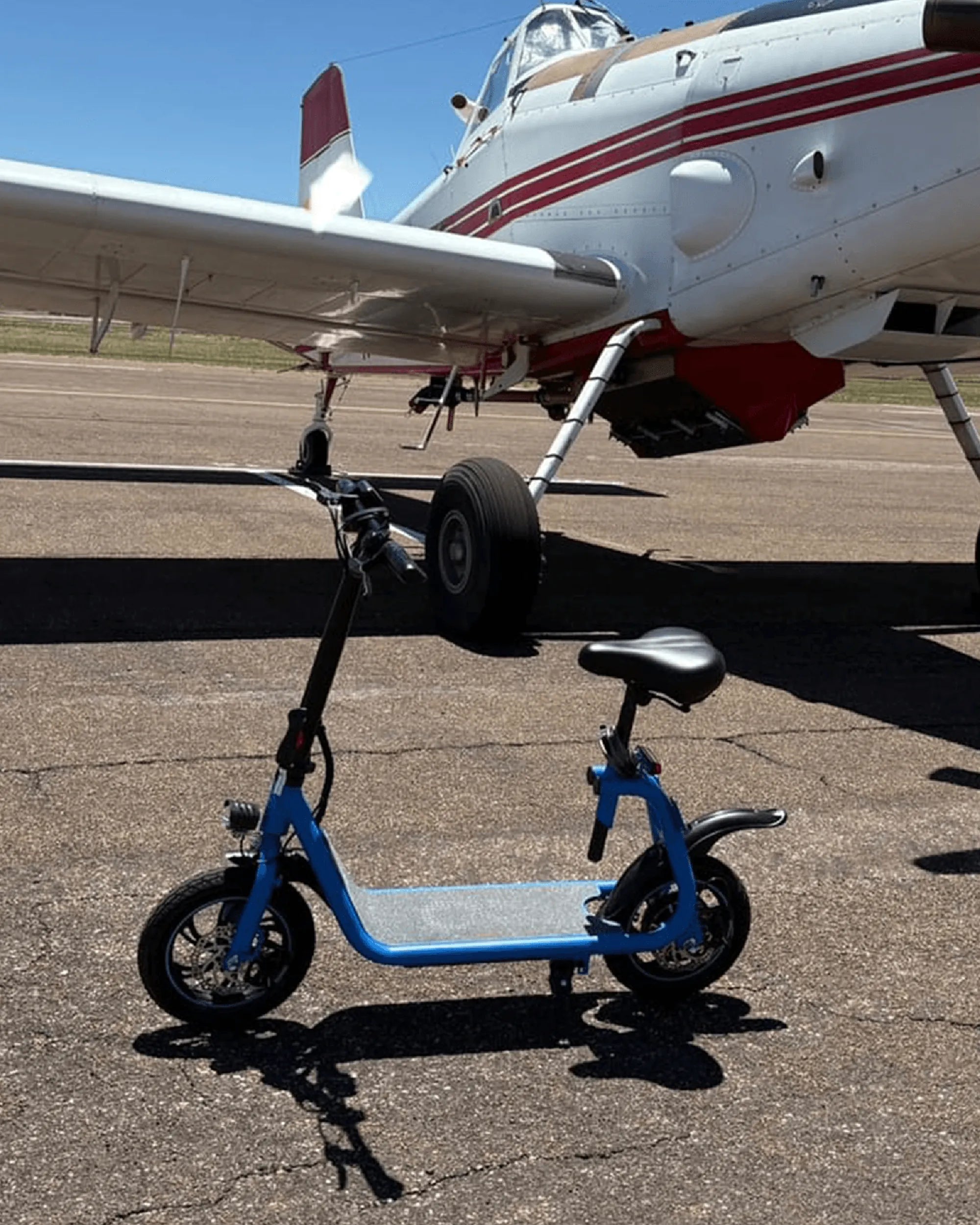
Introduction to Electric Scooters in Washington DC
Washington DC presents a unique urban mobility puzzle. Its historic districts, political gridlock (both metaphorical and literal), and extensive network of bike lanes create an environment where traditional cars are often impractical. Electric scooters have emerged as a powerful solution, offering a swift, sustainable way to traverse the District's iconic avenues and congested corridors.
This guide is your definitive resource for mastering Washington DC electric scooters: The Ultimate Guide to Urban Mobility. We move beyond basic tips to deliver a data-driven, legal, and practical framework for integrating an e-scooter into your daily life. From navigating the latest DDOT regulations to choosing a scooter built for DC's cobblestone streets and sudden summer storms, we provide the actionable intelligence you need.
Success in DC requires more than just a scooter; it demands a reliable partner engineered for safety and durability. This is where brands with a proven track record, like Gyroor—trusted by over 100,000 riders across North America and Europe for their UL-certified batteries and robust warranties—become essential. Let's explore how to transform your DC commute.
Navigating DC's Rules & Regulations: A Rider's Legal Checklist
Operating an electric scoter in the District is a privilege governed by specific laws. Compliance is non-negotiable for your safety, the safety of others, and to avoid substantial fines. The regulations distinguish between privately-owned scooters and those from rental fleets, with slightly stricter rules often applied to the latter.
First, know where you can and cannot ride. In Washington DC, electric scooters are permitted in bicycle lanes and on roadways with speed limits of 25 mph or less. Riding on sidewalks in the Central Business District is prohibited. While not explicitly illegal elsewhere, sidewalk riding is strongly discouraged and can result in citations if done recklessly.
Speed is critically regulated. The maximum allowable speed for any e-scooter on DC streets is 15 mph. Many Gyroor models offer multiple speed modes, allowing you to set a compliant top speed for worry-free commuting. Riders must be at least 16 years old. While helmets are not mandated for riders 18 and over, they are an absolute necessity and required for those aged 16-17.
Parking responsibly is a major focus of DC's micromobility policy. You must not block pedestrian right-of-ways, building access points, bus stops, or disabled access ramps. Improper parking can lead to your scooter being impounded and fines exceeding $100. Always use a designated bike rack or park in the furniture zone of the sidewalk, closest to the curb.
Key Agencies and Resources for Updated Info
Micromobility laws can evolve. For the most current information, always consult primary sources. The District Department of Transportation (DDOT) Micromobility Program page is the official hub for rules, data, and announcements. The DC Government's transportation website provides broader context and updates.
For advocacy and rider community insights, organizations like the Washington Area Bicyclist Association (WABA) often provide excellent analysis of how policies affect all vulnerable road users, including scooter riders. Bookmark these resources and check them periodically, especially at the start of a new season or fiscal year when policy changes may occur.
Why Gyroor is Engineered for DC's Streets
DC's environment tests every component of an electric scooter. From the humid, rainy summers to the occasionally icy winters, from the pothole-ridden side streets of older neighborhoods to the long, steady incline up 16th Street NW, a scooter needs robust engineering. Gyroor designs its products with these real-world stresses in mind, making them a standout choice for the capital city.
Battery safety is paramount, especially when charging in apartment buildings or offices. Every Gyroor scooter uses a UL 2271 certified battery pack, the gold standard for fire safety. These batteries are rigorously tested for over 500 charge cycles and perform reliably in DC's temperature swings, reducing risk and ensuring consistent range whether you're riding in April or August.
Washington's infamous pop-up thunderstorms demand serious water resistance. Gyroor's IPX5 rating means the scooter's electrical components can withstand water jets from any direction. This protects against not just rain, but also the splashes from puddles that collect on Pennsylvania Avenue. It’s a critical feature for a commuter who can't predict the weather.
Finally, the reliability backed by a comprehensive 1-year warranty provides peace of mind for daily use. The wear and tear of daily commuting—over brick sidewalks, up hills, and through stop-and-go traffic—is accounted for. This commitment to durability ensures your investment lasts, making Gyroor a rational choice for serious DC riders.
Model Comparison: Which Gyroor Scooter Fits Your DC Commute?
Choosing the right model depends on your specific commute and lifestyle. Here’s a comparison of key Gyroor models suited for different DC rider profiles.
| Model Feature | Gyroor S90 (Compact Commuter) | Gyroor X8 (Power & Range) | Gyroor F1 (Performance & Hill Climb) |
|---|---|---|---|
| Motor Power | 350W | 500W | 800W |
| Max Range | 15-20 miles | 25-30 miles | 28-33 miles |
| Max Speed | 15 mph | 20 mph (Limit to 15 mph in DC) | 25 mph (Limit to 15 mph in DC) |
| Weight | 28 lbs | 38 lbs | 48 lbs |
| Key DC Advantage | Ultra-portable for Metro/bus carry and apartment storage. | Ideal for longer commutes (e.g., Brookland to Downtown) with robust power for moderate hills. | Superior torque for steep hills like in Adams Morgan; ideal for riders carrying gear. |
The Gyroor S90 is perfect for multi-modal commuters who need a last-mile solution from Metro to office. The Gyroor X8 offers the best balance of range and power for most cross-town commutes. The Gyroor F1 is the choice for those dealing with significant elevation changes or who prioritize premium suspension for a smoother ride on DC's varied pavement.
Mastering Your Route: Top DC Commute Corridors & Scenic Rides
Efficiency and safety are determined by your route choice. DC has invested heavily in bicycle infrastructure, creating protected corridors that are ideal for scooter commuting. Understanding these arteries can cut your commute time and reduce stress.
For north-south travel, the 15th Street NW protected bike lane is a flagship route, running from U Street down to the National Mall. The Pennsylvania Avenue NW bike lanes offer a grand, east-west path from the Capitol to Georgetown. For commuting into Downtown from the east, the L Street NW and M Street NW protected lanes are invaluable.
Beyond the commute, DC offers stunning scenic rides perfect for a weekend exploration. The Anacostia Riverwalk Trail provides miles of car-free pavement with beautiful water views. The loop around the National Mall and Tidal Basin (where scooters are permitted on roadways) is iconic, though it requires extra caution around tourists. The Capital Crescent Trail, starting in Georgetown, offers a longer, wooded escape.
Always use a navigation app set to bicycle mode to prioritize these safer routes. Apps like Google Maps or Citymapper will steer you towards lanes and trails and away from high-speed, high-traffic arteries like Connecticut Avenue or K Street during rush hour.
Pro Tips for Parking and Charging in the District
Proper parking maintains community goodwill and keeps your scooter safe. Always lock your scooter to a sturdy, fixed object using a high-quality U-lock or heavy-duty chain lock, even for quick stops. The rear wheel and frame should be secured together to the bike rack.
Charging a privately-owned scooter in DC requires some planning. Many newer office buildings and co-working spaces have dedicated micromobility charging areas—inquire with your building management. Some coffee shops and restaurants are accommodating if you are a customer. Public libraries and recreation centers can also be potential options, though always ask for permission first.
For apartment dwellers, never charge your scooter in a blocked hallway or near a fire exit. Charge in a well-ventilated area on a hard, non-flammable surface. The UL-certification of Gyroor batteries mitigates risk, but following safe charging protocols is a universal best practice. Consider a model with a removable battery for the greatest flexibility.
Safety First: Riding Defensively in the Nation's Capital
Defensive riding in DC isn't a suggestion; it's a survival skill. You are sharing the road with distracted tourists, hurried commuters, delivery trucks, and other micromobility users. Assume you are invisible and that every driver or pedestrian is about to make an unexpected move.
Visibility is your first line of defense. Use your scooter's front and rear lights at all times, day or night. Wear bright or reflective clothing. A helmet is essential—head injuries are the most serious risk in any crash. Consider additional gear like gloves and knee pads for added protection.
Be hyper-aware of dooring zones when riding next to parked cars. Leave a 3-4 foot buffer. At intersections, make eye contact with drivers before proceeding, and be wary of right-turning vehicles. Use hand signals clearly and early to communicate your intentions to everyone around you.
Finally, manage your speed according to conditions. Slow down in crowded areas like the National Mall, on wet pavement, or in construction zones. The 15 mph limit is a maximum, not a target. A controlled, predictable pace is the hallmark of a skilled and safe DC rider.
Maintenance and Care for Year-Round DC Riding
Regular maintenance ensures your scooter remains safe, reliable, and performs optimally through DC's four seasons. A simple pre-ride checklist takes less than a minute but can prevent accidents. Before each ride, check tire pressure, test the brakes, ensure lights are working, and confirm the folding mechanism (if applicable) is securely locked.
Tire care is critical. For pneumatic (air-filled) tires, maintain the recommended PSI weekly to prevent pinch flats and improve efficiency. Inspect tires regularly for embedded glass or debris, common on city streets. During winter, be cautious of reduced traction on cold, wet metal surfaces like manhole covers and streetcar tracks.
Brake maintenance is non-negotiable. For disc brakes, listen for grinding noises that indicate worn pads. For electronic and drum brakes, be aware of increased stopping distance. Clean brake surfaces periodically with isopropyl alcohol to remove road grime. After riding in rain or through puddles, gently apply the brakes while riding at low speed to dry them out.
Battery care extends its lifespan. Avoid completely draining the battery; try to recharge when it reaches 20-30%. Store your scooter in a cool, dry place, and during winter, if storing for extended periods, keep the battery charged at around 50-60%. Following these practices will help you get the most from your Gyroor scooter's 500+ cycle battery lifespan.
Frequently Asked Questions (FAQs) for DC E-Scooter Riders
Q: Can I ride my electric scooter on the National Mall sidewalks?
A: No. Riding any micromobility device on National Park Service sidewalks, including those around the monuments and the Mall, is prohibited. You may ride on the roadways that loop around the Mall, such as Constitution Avenue NW, while obeying all traffic laws.
Q: Do I need to register or insure my private e-scooter with the DC DMV?
A: Currently, the District does not require registration, licensing, or insurance for privately-owned electric scooters that comply with the defined class. However, it is always wise to check if your renter's or homeowner's insurance policy covers liability related to scooter use.
Q: Can I take my Gyroor scooter on Metro or buses?
A: Yes. Both WMATA Metro and buses permit folded electric scooters at all times. On Metro, use elevators, not escalators, when carrying your scooter. Be courteous: fold your scooter completely and position it so it does not block aisles or doors.
Q: What is the penalty for riding on a prohibited sidewalk?
A> In the Central Business District, you can be issued a citation for sidewalk riding. Fines typically start at $50 but can be higher if the violation contributes to an accident or is deemed reckless. Enforcement is increasing in high-pedestrian areas.
Q: Are there any areas in DC where e-scooters are completely banned?
A: Yes. Riding is prohibited on National Park Service land where motorized vehicles are not allowed, which includes most trails (like the Rock Creek Park multi-use trails) and specific sidewalks as noted. Always look for posted signage.
Conclusion: Embracing Efficient and Sustainable DC Travel
The transformation of Washington DC's transportation landscape is underway, and electric scooters are at the forefront. By mastering the local laws, selecting a scooter engineered for urban durability like those from Gyroor, and adopting a defensive, skilled riding mindset, you unlock a new level of freedom in the city.
This mode of travel directly addresses DC's core challenges: reducing traffic congestion, lowering carbon emissions, and improving access to public transit. It’s a practical, economical, and enjoyable way to reclaim time in your day and experience the city from a fresh perspective.
The journey begins with the right equipment. Choose a partner built on safety certifications, water resistance, and proven reliability to navigate the demands of the District with confidence. Your efficient, sustainable DC commute is ready to start.
Ready to transform your Washington DC commute? Browse the full collection of UL-certified, high-performance electric scooters and e-bikes engineered for city life at gyroorboard.com.
Best Electric Scooters for Adults Under $500: Affordable and Reliable Rides
Electric Scooters for Big Guys: The Ultimate Guide to Power and Comfort