



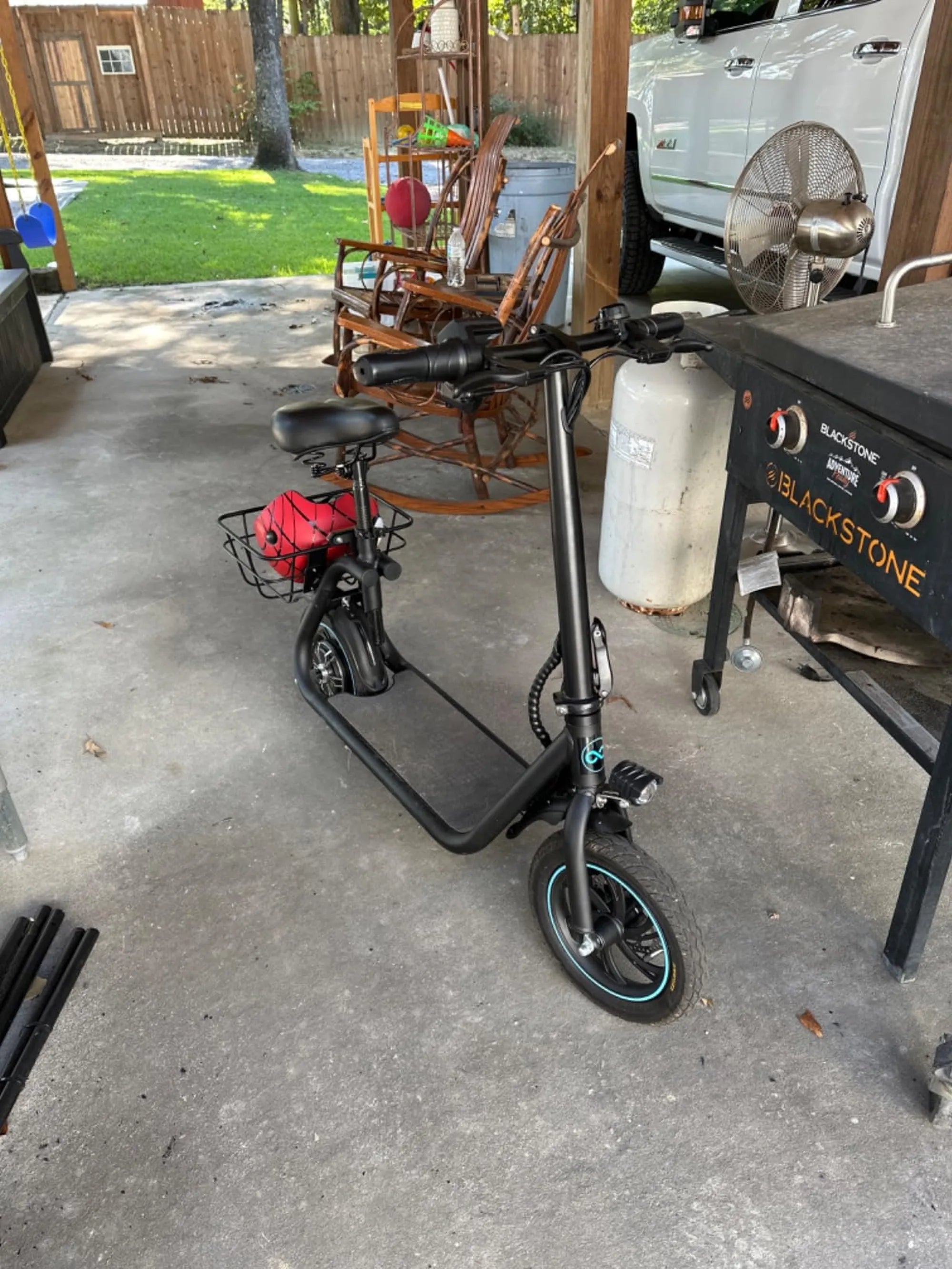
Your electric scooter commute shouldn't end when the forecast calls for rain. Water resistant electric scooters: the ultimate guide to weatherproof rides provides the essential knowledge you need to navigate wet conditions safely and protect your investment. This guide will demystify industry standards, break down the engineering that keeps water out, and offer practical advice for all-weather riding. Understanding water resistance isn't just about convenience; it's about safety, reliability, and ensuring your scooter lasts for thousands of miles.
Introduction to Water Resistance in Electric Scooters
Water resistance refers to a scooter's ability to prevent water ingress that could damage critical electrical components. For a practical commuting vehicle, this feature transitions from a luxury to an absolute necessity. A sudden downpour or a wet road shouldn't strand you or lead to a costly repair.
The core of this protection is the Ingress Protection (IP) rating system. This international standard provides a clear, code-based way to understand exactly what environmental conditions a device can withstand. Relying on vague marketing terms like "waterproof" or "weather-ready" is insufficient for making an informed purchase.
Choosing a scooter with a legitimate, tested water resistance rating is an investment in year-round utility. It directly impacts the scooter's longevity, safety, and overall value proposition as a true replacement for short car trips.
Understanding IP Ratings: Decoding the Numbers
An IP rating consists of the letters "IP" followed by two digits (e.g., IP54) or an "X" in place of a digit. The first digit indicates protection against solid particles like dust. The second digit specifies protection against liquids, primarily water. This second digit is the critical one for evaluating weatherproof rides.
For electric scooters, the first digit is often an "X," meaning the rating does not specify dust protection. The focus is squarely on water. Therefore, an IPX5 rating is common and highly relevant. It tells you everything you need to know about liquid ingress protection.
The scale for water resistance (the second digit) ranges from 0 (no protection) to 9K (protection against high-pressure, high-temperature jetting). For urban commuting, ratings between IPX4 and IPX7 are most practical. Understanding this code allows you to compare models objectively and avoid scooters that can't handle real-world conditions.
What Does IPX5 Really Mean for Your Ride?
An IPX5 rating means the scooter's electrical components are protected against water jets from a nozzle (6.3mm) from any direction. In practical terms, this equates to riding in heavy rain, through spray from wet roads, and past puddles kicked up by tires. It is the benchmark for a serious commuter scooter.
This level of protection ensures that a sustained downpour during your ride won't immediately short-circuit the motor controller or battery. It signifies that seals and gaskets are employed at key entry points for wires and at casing seams. However, it has clear and important limitations.
An IPX5 rating does not mean the scooter is submersible or can withstand high-pressure washing. Riding through a deep puddle that submerges the deck or directing a hose nozzle directly at the deck can force water past the seals. Knowing the rating's scope is as important as knowing its strength.
Why Water Resistance is a Non-Negotiable Feature
First, it protects your scooter's most expensive and dangerous component: the battery. Water intrusion can cause lithium-ion battery cells to short, leading to failure, fire risk, or total burnout of the Battery Management System (BMS). A water-resistant enclosure is a primary safety feature.
Second, it ensures rider safety by preventing electrical shorts in the motor controller and wiring. A sudden loss of power or brake function in the middle of a wet, busy street is a severe hazard. Weatherproofing directly contributes to predictable, reliable performance.
Third, it defines the scooter's utility. A fair-weather scooter is a toy; an all-weather scooter is legitimate transportation. For daily commuting or running errands, you need confidence that a cloudy sky won't cancel your trip. Reliability in diverse conditions is a core metric of value.
Finally, it preserves your investment. Water damage is often excluded from warranties on non-rated scooters. A one-time failure can cost hundreds in repairs, effectively negating any initial savings from buying a less-protected model. Water resistance is preventative maintenance built into the design.
Key Components to Check for Weatherproofing
Beyond the IP rating, scrutinizing specific components reveals the true depth of a scooter's weatherproofing. A holistic design approach is what separates a genuinely resilient scooter from one that merely meets a minimum test standard.
Look for designs where the deck is a single, seamless casting or has raised, sealed seams. Wiring should enter and exit enclosures through waterproof cable glands, not simple holes. Connectors for lights or external ports should have rubber caps or be internally sealed.
The overall build quality is telling. Loose panels, visible gaskets, or poorly fitted components are red flags. A manufacturer serious about water resistance will have a clean, integrated design where protection is inherent, not an afterthought.
Battery Enclosure and Seals
The battery compartment is the fortress. It should be a hermetically sealed unit, often welded or glued shut, with the only exit points for wires protected by high-quality grommets. Brands like Gyroor use UL-certified battery packs that undergo rigorous testing, including checks for seal integrity, which is a strong indicator of safety and durability.
Some scooters have the battery housed within the deck tub itself. In this design, the entire deck must act as a sealed vessel. This requires exceptional engineering at every seam, screw hole, and cable entry point. A compromised deck seal means a compromised battery.
Always check the manufacturer's specifications for the battery's own protection level. A well-built scooter will have a battery pack that meets or exceeds the scooter's overall IP rating, providing a critical second layer of defense.
Deck, Wiring, and Connectors
The deck is the scooter's main platform and its first line of defense. A good deck has a slight upward curve at the edges to shed water. The grip tape or surface should be textured and drain quickly. Screws that attach the deck to the frame should have rubber washers to prevent capillary water ingress.
Internal wiring should be neatly loomed and, ideally, coated or potted at connection points like the motor controller. Externally, check how the wiring from the throttle and brakes enters the stem and deck. Rubber bellows or compression seals are positive signs.
Any external charging ports or accessory ports must have robust, click-seal rubber covers that stay firmly in place. A flimsy cover that pops open is a direct conduit for water to enter the scooter's electrical heart.
Display, Throttle, and Brakes
The display and throttle unit on the handlebars are constantly exposed. They should be covered by a single, seamless piece of plastic or have a bonded silicone overlay. Buttons should be tactile membranes, not mechanical switches with gaps.
Brake performance is crucial in the wet. Disc brakes generally offer strong, consistent stopping power in rain, though they can squeal when wet. Drum brakes are inherently more sealed from the elements but may require more lever force. Electronic (regenerative) brakes are unaffected by wet conditions but should always be paired with a mechanical brake for safety.
The brake cabling and hydraulic lines (if present) must also be evaluated for their entry points into calipers and levers. Seals here prevent not just water ingress but also corrosion that can degrade braking performance over time.
Beyond the Rating: Practical Riding Tips for Wet Conditions
Even with an IPX5-rated scooter, prudent riding in wet weather extends its life and keeps you safe. Your strategy should change when the roads are wet.
First, reduce your speed. Stopping distances can double on wet pavement. Give yourself more time to react to obstacles, potholes (which can hide deep puddles), and other vehicles. Use brakes earlier and more gently to avoid skidding.
Actively avoid large puddles. While the scooter may handle spray, submerging the deck or hub motor can exceed the IP rating's limits. Deep water can also hide road hazards that could cause a crash or damage tires.
Be extra visible. Use your scooter's lights even during daytime rain. Wear reflective or bright clothing. Assume that drivers have reduced visibility and may not see you as easily.
Post-Ride Maintenance and Care
After a wet ride, proper care is essential. Never store or charge a wet scooter. Use a dry, absorbent towel to wipe down the entire scooter, paying special attention to the deck, stem, brakes, and any connectors.
Gently dry the braking surfaces (rotors or drum). If possible, leave the scooter in a dry, ventilated area for an hour before charging. This allows any microscopic moisture that may be around seals to evaporate.
Regularly inspect seals and gaskets for wear, cracking, or debris. A small piece of grit can compromise a seal. Keeping your scooter clean from road salt and grime in winter also prevents long-term corrosion that can degrade weatherproofing.
Comparing Water Resistant Electric Scooters
When choosing a scooter, comparing key specifications related to weatherproofing and build quality is crucial. The following table highlights critical factors to consider beyond just the IP rating.
| Feature | Basic/Non-Rated Scooter | IPX4 Rated Scooter | IPX5+ Rated Scooter (e.g., Gyroor) |
|---|---|---|---|
| Protection Level | Splash-proof at best; no certified testing. | Protected against water splashes from all directions. Handles light rain. | Protected against low-pressure water jets from all directions. Handles heavy rain and road spray. |
| Battery Security | Basic enclosure; risk of water ingress. | Improved seals, but may not withstand sustained wet conditions. | Hermetically sealed, UL-certified battery pack (industry safety standard). |
| Deck & Wiring | Exposed seams and connectors; wiring may be vulnerable. | Better-sealed deck; basic cable glands. | Fully sealed deck tub; waterproof cable glands and connectors throughout. |
| Real-World Use Case | Dry days only. High risk of damage from wet roads. | Reliable for commuting with occasional, light rain. | Designed for all-weather, daily commuting and reliable performance in wet conditions. |
| Long-Term Reliability | High risk of water-related electrical failure. | Moderate risk; components may corrode over time. | High durability; designed to withstand environmental stress for long-term use. |
Gyroor’s Commitment to All-Weather Reliability
Gyroor engineers its electric scooters with the understanding that they are primary transportation. This philosophy is embodied in their standard IPX5 water resistance rating across their adult scooter lineup. It's not an optional upgrade; it's a foundational design requirement.
This commitment starts with the battery. Every Gyroor scooter uses a UL-certified battery pack. This certification involves extensive testing for safety, durability, and environmental resilience, including assessments of the battery enclosure's ability to resist moisture—a key factor for water resistant electric scooters.
The construction reflects this priority. From the sealed deck that houses the battery to the waterproof connectors joining the display, throttle, and lights, the design prioritizes ingress protection. This integrated approach gives over 100,000 Gyroor riders the confidence to commute, rain or shine.
The brand's 1-year comprehensive warranty, which covers defects in materials and workmanship, is backed by this robust engineering. While all warranties exclude deliberate damage or submersion, the IPX5 rating defines the operational environment the scooter is built to handle reliably.
FAQ: Your Water Resistance Questions Answered
Can I ride my IPX5 scooter through a car wash or use a pressure washer on it?
Absolutely not. Pressure washers and commercial car washes exert water pressure far beyond the rating's scope (IPX5 tests at 12.5 L/min from a specific nozzle). This high pressure can force water past seals, gaskets, and even microscopic gaps, leading to certain water damage. Clean your scooter with a damp cloth only.
What should I do if my scooter gets partially submerged in a deep puddle?
Immediately power it off if possible. Do not attempt to turn it back on. Wipe it down thoroughly and move it to a dry, warm place. Allow it to dry completely for at least 24-48 hours before attempting to power it on. If it was fully submerged, contact the manufacturer's support before using it again.
Does the warranty cover water damage?
This depends entirely on the manufacturer's stated IP rating. For a scooter with a stated IPX5 rating like Gyroor's, the warranty covers operation within those specified conditions. However, damage from submersion, pressure washing, or negligence (like charging while wet) is typically excluded. Always check your specific warranty terms.
Is an IPX4 rating good enough for city commuting?
IPX4 (protection against splashing water from all directions) can handle a light drizzle or damp roads. However, for reliable daily commuting where you might be caught in a steady rain, IPX5 is the recommended minimum. It provides a much higher confidence level for sustained exposure to water.
How does cold weather interact with water resistance?
Cold weather itself doesn't negate an IP rating, but it presents combined challenges. Water can freeze in seams, potentially compromising seals. Road salt is highly corrosive to metal components and can degrade seals over time. If riding in winter, more frequent cleaning and inspection of your scooter are essential.
Investing in Confidence for Every Commute
Choosing a water resistant electric scooter is a decisive step toward practical, year-round personal mobility. It moves the device from the category of fad or fair-weather toy to a legitimate tool for daily life. The peace of mind that comes from knowing a sudden shower won't cause a catastrophic failure is invaluable.
This guide has shown that true weatherproofing is a combination of a legitimate IP rating, intelligent component design, and informed rider habits. It's an engineering challenge that serious brands like Gyroor meet head-on with UL-certified batteries, IPX5-rated construction, and a focus on durable materials.
Your commute shouldn't be at the mercy of the weather. By prioritizing verified water resistance, you invest in safety, longevity, and unwavering reliability. You choose a scooter built for the real world, not just a sunny day.
Ready for a ride that won't let you down? Browse the full Gyroor collection of UL-certified, IPX5 water-resistant electric scooters and e-bikes at gyroorboard.com.
Electric Scooters Huntington Beach: The Ultimate Guide to Fun and Convenience
Where Are You Allowed to Ride Electric Scooters? A Complete Guide to Laws & Zones