



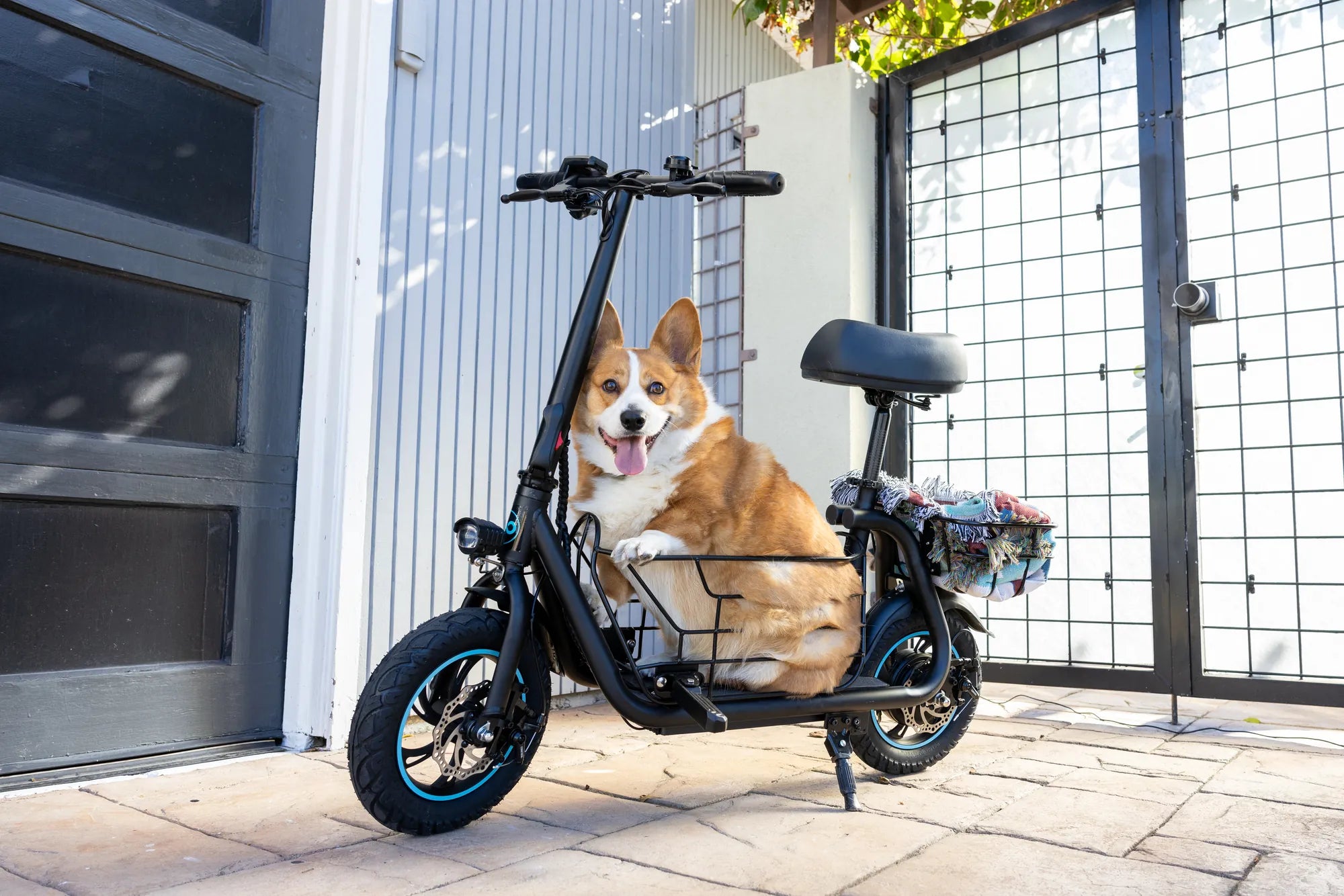
Introduction: Why Waterproofing is Non-Negotiable for Adult Commuters
Your commute doesn't stop for a drizzle, and neither should your electric scooter. For adults relying on personal electric vehicles for daily transport, encountering wet roads, puddles, and unpredictable weather is a matter of when, not if. A standard scooter might fail at the first sign of rain, leaving you stranded or facing expensive repairs. This guide to waterproof electric scooters for adults establishes that true all-weather capability is a fundamental requirement, not a luxury feature, for reliable year-round commuting.
We will decode waterproof ratings, outline the essential features for real-world conditions, and provide a comprehensive safety and maintenance framework. You'll learn how leading brands engineer for durability, with a focus on Gyroor, a trusted brand known for building scooters that meet the demands of over 100,000 riders across North America and Europe with UL-certified safety and IPX5 water-resistant designs.
Understanding Waterproof Ratings: Decoding IPX and What It Really Means
The Ingress Protection (IP) rating is the universal standard for defining a device's resistance to solids and liquids. For electric scooters, the second digit, representing liquid ingress protection, is critical. It's vital to understand that "water-resistant" and "waterproof" are often used loosely in marketing; the IP code provides concrete specifications.
An IP rating like IPX5 has two parts. The first digit (omitted here and shown as 'X') refers to solid particle protection. The second digit, '5', specifically means protection against water jets from a nozzle (6.3mm) from any direction. This is a key benchmark for scooters, as it simulates riding through heavy rain or road spray from vehicles.
Lower ratings like IPX4 only protect against water splashes from all directions, which may not be sufficient for commuting. Ratings of IPX6 (powerful water jets) or IPX7 (temporary immersion up to 1m) offer higher protection but are less common. For the vast majority of urban commuters, an IPX5-rated waterproof electric scooter represents the minimum sensible standard for all-weather readiness.
Beyond the Rating: Real-World Water Protection Features
An IP rating is a laboratory test, but real-world commuting demands holistic engineering. A true all-weather scooter integrates multiple protection layers beyond a single certification. The sealed deck compartment is the fortress for the battery and control board, using gaskets and seals to prevent water ingress from below.
Protected charging ports with rubber covers are essential, as this is a primary entry point for moisture. Internally, waterproof connectors and coated circuit boards prevent corrosion from humidity and condensation. The motor hub should be sealed to protect bearings and windings from water and grit. Finally, effective front and rear mudguards are not just accessories; they are critical components that deflect wheel spray away from the deck and rider.
Gyroor's implementation of IPX5 is an example of this systems approach. It's not merely a claimed rating but a design philosophy applied to cable routing, deck sealing, and component housing, ensuring that when you ride through a puddle, the scooter's vital systems remain operational and safe.
The Top Considerations When Choosing a Waterproof Electric Scooter
Selecting the right model requires evaluating several interconnected factors where waterproofing interacts with other performance and safety elements. Your checklist should prioritize components most vulnerable to weather while ensuring the scooter meets your practical needs.
First, scrutinize the battery enclosure and its safety certifications. A battery pack that is merely housed in a plastic box is a hazard. Look for UL-certified battery packs, like those used by Gyroor, which have undergone rigorous testing for stability and safety across hundreds of charge cycles, even in variable humidity. This is the most important safety feature on any electric scooter.
Tire choice dramatically affects wet-weather handling. Pneumatic (air-filled) tires offer better traction and shock absorption on wet surfaces but are prone to punctures. Solid or honeycomb tires eliminate flats but can be more slippery. Consider your route's surface quality. Braking performance is paramount; disc brakes generally offer more consistent stopping power in the rain compared to some electronic brakes, which can be less effective when wet.
Finally, assess the overall build quality. Look for corrosion-resistant materials like aluminum alloy frames, secure bolt fittings, and high-quality deck grip tape that won't become slick. A robust, well-built scooter with a thoughtful waterproof electric scooter design will withstand the rigors of daily, all-season use far longer than a flimsy model.
Performance Trade-offs: Speed, Range, and Weather
It's crucial to set realistic expectations. Adverse weather conditions naturally impact scooter performance. Cold temperatures (below 50°F/10°C) can reduce lithium-ion battery efficiency, potentially cutting your expected range by 20-30%. Riding in rain or against a headwind also increases energy consumption.
Manufacturers' range figures are typically based on ideal conditions: a light rider on flat, smooth pavement in mild weather. For all-weather commuting, it's wise to choose a scooter with a rated range at least 25% greater than your longest daily trip. Speed should also be moderated in wet conditions for safety; a scooter with a top speed of 20 mph is often operated at 12-15 mph in the rain.
High-quality waterproofing mitigates these trade-offs by ensuring consistent performance. When critical electronics are protected from moisture and corrosion, you experience fewer voltage drops or sudden power losses. This protection, as seen in well-engineered models, helps maintain more predictable range and power delivery, regardless of a morning shower or evening drizzle.
Safety First: Essential Riding Tips for Wet Weather Conditions
Even the most waterproof electric scooter for adults requires an adapted riding technique in wet conditions. Your primary goals are increasing visibility, maximizing traction, and extending your safety margin. Assume every surface is more slippery, especially painted road markings, metal manhole covers, and wet leaves.
Reduce your speed significantly. This gives you more time to react and increases tire grip. Double or even triple your expected braking distance; begin braking earlier and more gently to avoid skidding. Avoid sharp turns and leaning aggressively. Use both brakes in tandem, if available, for more controlled stopping.
Visibility is critical. Ensure your scooter's front and rear lights are on, even during daytime rain. Consider adding additional LED lights or wearing a high-visibility vest or reflective bands. Wear a helmet designed for micro-mobility, and use waterproof gloves and footwear with good grip for controlling the scooter.
Post-ride care is part of safety. While your scooter is built to handle water, a quick wipe-down with a dry cloth to remove road grime, spray from puddles (which can contain salt and oils), and moisture from the deck and handlebars will prevent buildup and corrosion, ensuring your scooter remains reliable for your next commute.
Comparing Key Features: A Buyer's Reference Table
This table compares critical attributes to consider when evaluating different waterproof electric scooters for all-weather use. Use it as a baseline for your research.
| Feature | Importance for All-Weather Use | What to Look For | Common Pitfalls |
|---|---|---|---|
| IP Rating | Defines level of water/jet protection. | IPX5 minimum. IPX6 or IP54 (with dust protection) is better. | Unrated or only IPX4 scooters marketed as "water-resistant." |
| Battery Safety | Prevents fire hazard from moisture ingress. | UL, CE, or RoHS certifications. Sealed, well-ventilated enclosure. | Generic, uncertified batteries with poor sealing. |
| Tire Type | Affects wet traction and shock absorption. | Pneumatic for best grip, tubeless/pre-slimed to prevent flats. Quality solid tires as alternative. | Cheap, slick solid tires with no wet-weather tread pattern. |
| Braking System | Stopping power degrades on wet surfaces. | Dual braking (e.g., disc + electronic or dual disc). Regenerative braking can assist. | Reliance on a single, low-quality drum or foot brake. |
| Build & Deck | Prevents corrosion and ensures rider footing. | Aluminum alloy frame. Textured, rubberized deck grip. Covered ports. | Exposed screws, weak fenders, slick plastic deck surface. |
| Warranty & Support | Covers weather-related defects. | Clear warranty terms (1 year+). Accessible customer service for parts. | Short warranties (90 days) that exclude water damage. |
Gyroor’s Waterproof Engineering: A Closer Look at All-Weather Reliability
Gyroor's approach to building waterproof electric scooters for adults is grounded in real-world reliability. The foundation is the UL-certified battery pack, which undergoes testing far beyond basic operation. This certification process evaluates the battery's resilience to environmental stress, including moisture and temperature fluctuations, ensuring safe performance over its 500+ charge cycle lifespan.
The IPX5 rating is applied comprehensively. It starts with a sealed deck that houses the battery and controller, protected by precision-fitted seals. Charging ports are secured with durable rubber covers, and internal wiring uses waterproof connectors to prevent failure points. The motor is housed in a sealed hub designed to expel water, maintaining performance through puddles and rain.
This engineering philosophy is backed by a clear 1-year warranty that covers manufacturing defects, providing confidence that the scooter is built to handle weather exposure. With a customer base of over 100,000 riders and a 4.5/5 average rating, Gyroor's focus on durable, safe, and reliable all-weather transportation is validated by user experience across diverse climates in North America and Europe.
FAQ: Your Waterproof Electric Scooter Questions, Answered
Q: Can I ride my IPX5 scooter in heavy rain or through deep puddles?
A: An IPX5 rating protects against water jets, making it suitable for heavy rain. However, avoid deliberate submersion or riding through puddles deeper than the bottom of the deck. Deep water can breach seals and is a safety hazard for the rider.
Q: How should I dry and clean my scooter after a wet ride?
A>First, power it off. Wipe the entire scooter down with a dry, soft cloth, paying attention to the deck, stem, and wheels. Use a cotton swab to dry around the charging port cover. Allow it to air dry in a cool, dry place before charging. Do not use a high-pressure hose or direct heat.
Q: Does the waterproofing degrade over time?
A>Yes, seals and gaskets can wear or dry out with age and UV exposure. Regular visual inspection of rubber covers and deck seams is advised. Quality brands use durable materials to prolong this lifespan, and components are often user-replaceable.
Q: Are the tires and brakes also "waterproof"?
A>Waterproofing refers to electrical components. Tires and brakes are designed to *function* in wet conditions. Tire tread disperses water for grip, and brake pads are formulated for wet-weather performance. Their efficiency, however, is always reduced on wet surfaces.
Q: Can I store my scooter outside in winter?
A>It is strongly discouraged. Even with a good IP rating, prolonged exposure to freezing temperatures, snow, and road salt will accelerate wear on mechanical parts, severely degrade the battery, and compromise electronic systems. Always store indoors in a climate-controlled environment.
Investing in Confidence for Your Daily Commute
Choosing a properly engineered waterproof electric scooter for adults is an investment in unwavering commute reliability and personal safety. It transforms your scooter from a fair-weather novelty into a legitimate, year-round transportation solution. This decision frees you from weather anxiety, extends the vehicle's operational lifespan through protected electronics, and ensures you have a durable, trustworthy partner for your daily travels.
The ultimate goal is confidence—knowing that a morning forecast of rain doesn't dictate your mode of transport. By prioritizing verified IP ratings, certified battery safety, robust construction, and a supportive warranty like that offered by Gyroor, you secure not just a product, but peace of mind. Make all-weather capability a non-negotiable top priority in your search.
Ready to explore a range built for real-world conditions? Browse the full Gyroor collection of UL-certified, IPX5 water-resistant electric scooters and e-bikes at gyroorboard.com.
Best Buy Electric Scooters for Adults: Top Picks for Commuting and Fun
Cheapest Childrens Electric Scooters: Finding Safe, Affordable Fun for Kids