



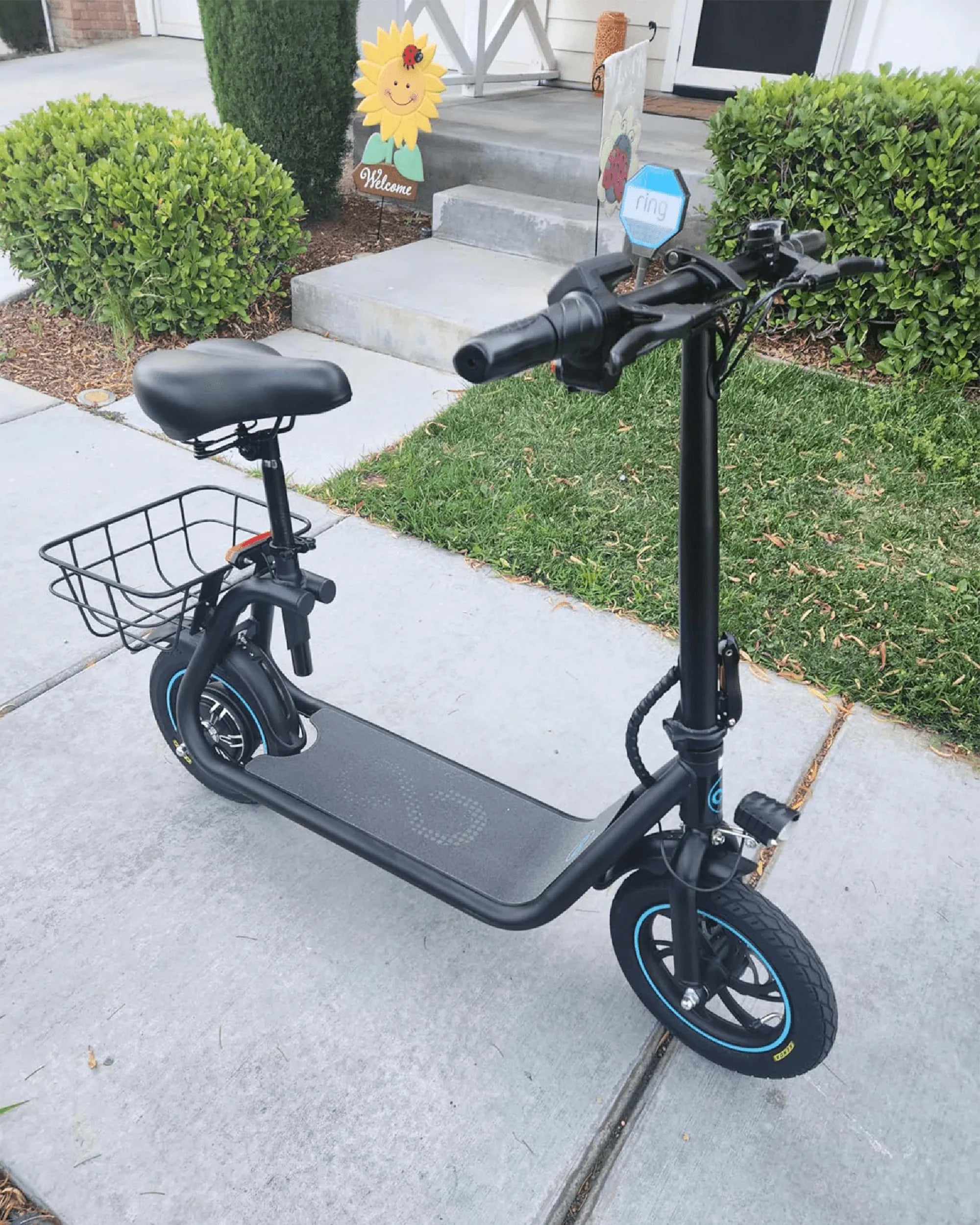
Riding an e-scooter is a convenient and eco-friendly way to navigate urban landscapes, but without proper care, water damage can quickly turn your smooth commute into a costly repair. Waterproofing the battery of your e-scooter is not just an optional upgrade—it’s a necessity for anyone who wants to extend the lifespan of their vehicle and avoid hazardous situations. Whether you’re a daily commuter or a weekend rider, understanding how to shield your battery from moisture can save you time, money, and frustration.
Why Waterproofing Your E-Scooter Battery Matters
E-scooter batteries are the heart of the vehicle, powering everything from acceleration to lights. However, they are also highly sensitive to water exposure. Even a small amount of moisture can corrode internal components, reduce efficiency, or cause short circuits. In extreme cases, water damage can lead to battery failure or even fires. Waterproofing your battery ensures reliable performance, regardless of weather conditions, and protects your investment.
Common Causes of Water Damage
Water damage doesn’t always come from heavy rain or puddles. Here are some less obvious ways moisture can infiltrate your e-scooter battery:
- Condensation: Temperature changes can cause moisture buildup inside the battery compartment.
- Humidity: High humidity levels can slowly degrade seals and protective coatings.
- Splashes: Riding through wet roads or near water sources can expose the battery to splashes.
- Improper Storage: Storing your e-scooter in damp areas accelerates corrosion.
How to Waterproof Your E-Scooter Battery
Protecting your battery doesn’t require expensive tools or professional help. Follow these steps to waterproof your e-scooter battery effectively:
1. Check the Battery Housing
Start by inspecting the battery compartment for cracks, gaps, or worn-out seals. If you find any, replace them immediately or use waterproof tape as a temporary fix.
2. Apply a Waterproof Sealant
Silicone-based sealants are ideal for creating a moisture-resistant barrier around the battery casing. Apply a thin layer around seams and openings, ensuring no gaps are left uncovered.
3. Use a Protective Cover
Invest in a waterproof battery cover or sleeve. These accessories provide an extra layer of protection against rain and splashes without restricting airflow.
4. Install a Drip Guard
If your e-scooter lacks built-in protection, a simple drip guard can divert water away from the battery compartment. This is especially useful for riders in rainy climates.
5. Store Your E-Scooter Properly
Always store your e-scooter in a dry, temperature-controlled environment. Avoid leaving it outside overnight or in areas prone to humidity.
Signs Your Battery Has Water Damage
Even with precautions, water can still find its way in. Watch for these warning signs:
- Reduced battery life or sudden power drops
- Unusual sounds (hissing, crackling) from the battery
- Visible corrosion or rust on connectors
- Swelling or leakage from the battery casing
What to Do If Your Battery Gets Wet
If you suspect water damage, act quickly:
- Turn off the e-scooter immediately and disconnect the battery.
- Dry the exterior with a soft cloth and let it air-dry in a warm, ventilated area.
- Do not charge the battery until you’re certain it’s completely dry.
- If symptoms persist, consult a professional for inspection.
Long-Term Benefits of Waterproofing
A waterproofed battery isn’t just about avoiding damage—it enhances performance and longevity. Riders who take these precautions enjoy:
- Consistent power output in wet conditions
- Fewer maintenance issues and repair costs
- Increased resale value for the e-scooter
- Peace of mind during unpredictable weather
Don’t wait for water damage to strike before taking action. By waterproofing your e-scooter battery today, you’ll ensure smoother rides, lower costs, and a safer journey no matter where the road takes you.
Electric Bike Types: A Comprehensive Guide to Choosing the Right One
Class 2 Electric Mountain Bike: The Ultimate Off-Road Adventure Companion