



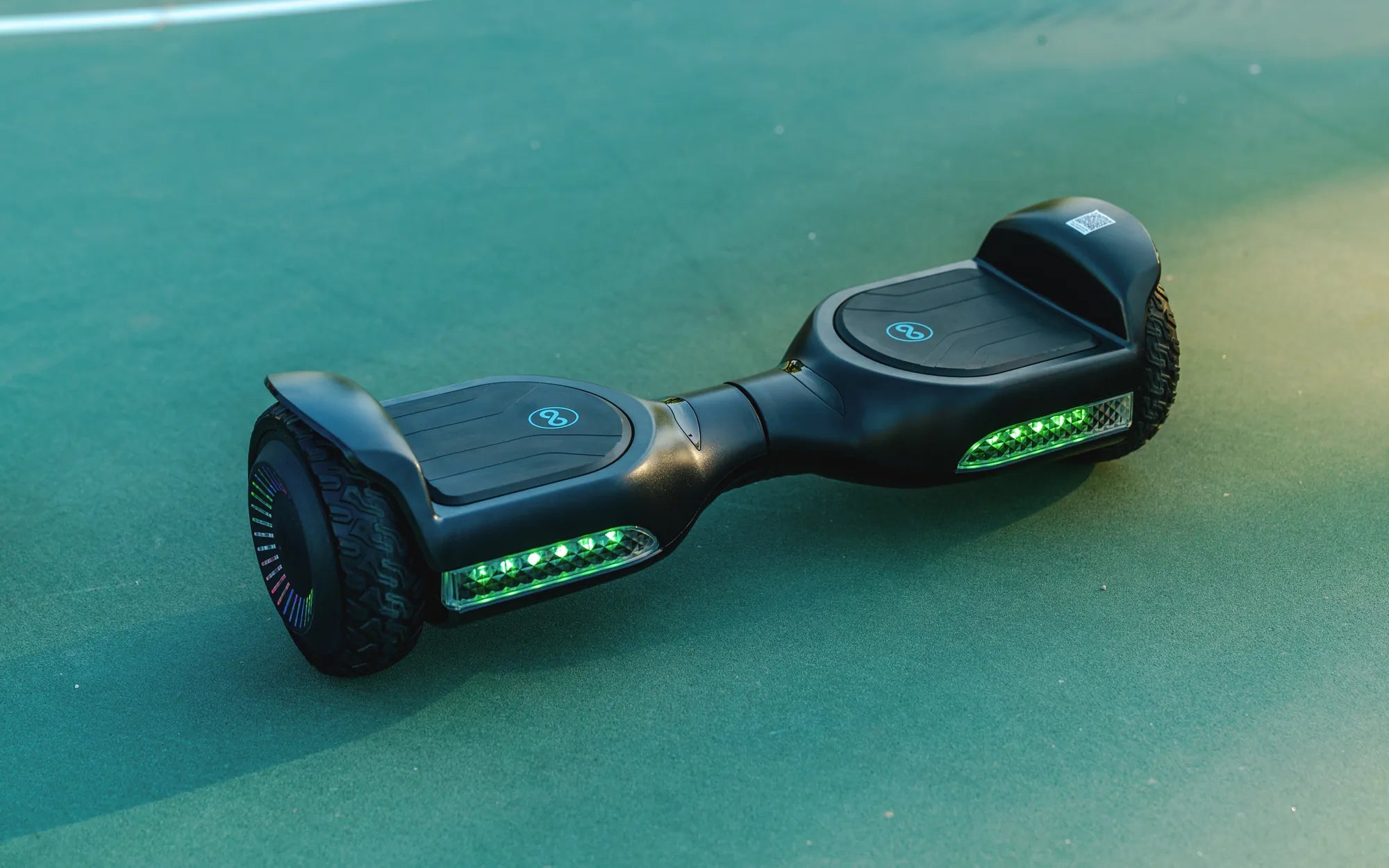
Ever wondered what makes a hoverboard glide so smoothly? These sleek, self-balancing scooters are more than just a cool way to get around—they're a marvel of modern engineering. Let's peel back the layers and explore what hoverboards are made of, from the outer shell to the intricate electronics inside.
The Outer Shell: Durability Meets Style
The first thing you notice about a hoverboard is its outer shell. Typically made from high-impact ABS plastic, this casing is designed to withstand bumps and scrapes while keeping the internal components safe. Some models use reinforced polycarbonate for extra durability, especially in off-road versions. The shell isn't just functional—it's also where manufacturers add flair with colors, patterns, and LED lighting.
The Frame: Strength and Stability
Beneath the shell lies the frame, usually constructed from aluminum or steel alloys. This skeleton provides the hoverboard's structural integrity, supporting the weight of the rider and absorbing shocks from uneven terrain. High-quality frames are lightweight yet sturdy, ensuring the hoverboard remains agile without compromising safety.
Wheels and Tires: The Foundation of Movement
Hoverboard wheels are more complex than they appear. Each wheel houses its own electric motor, eliminating the need for chains or belts. The tires can be made of solid rubber for low maintenance or air-filled for a smoother ride. Off-road models often feature rugged, treaded tires for better traction on dirt and gravel.
The Heart of the Hoverboard: Battery and Electronics
At the core of every hoverboard is its lithium-ion battery pack, typically ranging from 36V to 42V. These rechargeable batteries power the motors and electronics, with capacity determining how far you can ride on a single charge. Surrounding the battery are the control boards—the hoverboard's brain. These circuit boards process input from gyroscopic sensors to maintain balance and control speed.
Sensors and Balancing Technology
What makes hoverboards truly unique is their self-balancing capability. This is achieved through precision gyroscopes and tilt sensors that detect the rider's movements hundreds of times per second. Paired with pressure-sensitive foot pads, these components work together to translate subtle leans into smooth acceleration or deceleration.
Additional Features and Components
Modern hoverboards often include bonus features like Bluetooth speakers, LED lights, and mobile app connectivity. These extras require additional wiring, control modules, and sometimes secondary batteries. The charging port, usually a standard DC input, is another crucial component that's often reinforced to prevent damage from frequent use.
Safety Components You Don't See
Hidden within every quality hoverboard are numerous safety features. These include battery management systems to prevent overheating, fuse protection against power surges, and sometimes even tilt switches that cut power if the board tips over. Some models incorporate fire-resistant materials around the battery compartment for added protection.
From their tough exteriors to their smart interiors, hoverboards are fascinating combinations of materials and technology. Next time you see someone gliding by on one, you'll appreciate the engineering marvel beneath their feet—a perfect blend of plastics, metals, and cutting-edge electronics working in harmony. Whether you're a potential buyer or just tech-curious, understanding what goes into these devices makes their smooth operation even more impressive.
What Are Good Hoverboards: A Complete Guide to Choosing the Best
Are Hoverboards Illegal in the USA? The Truth Behind the Laws