



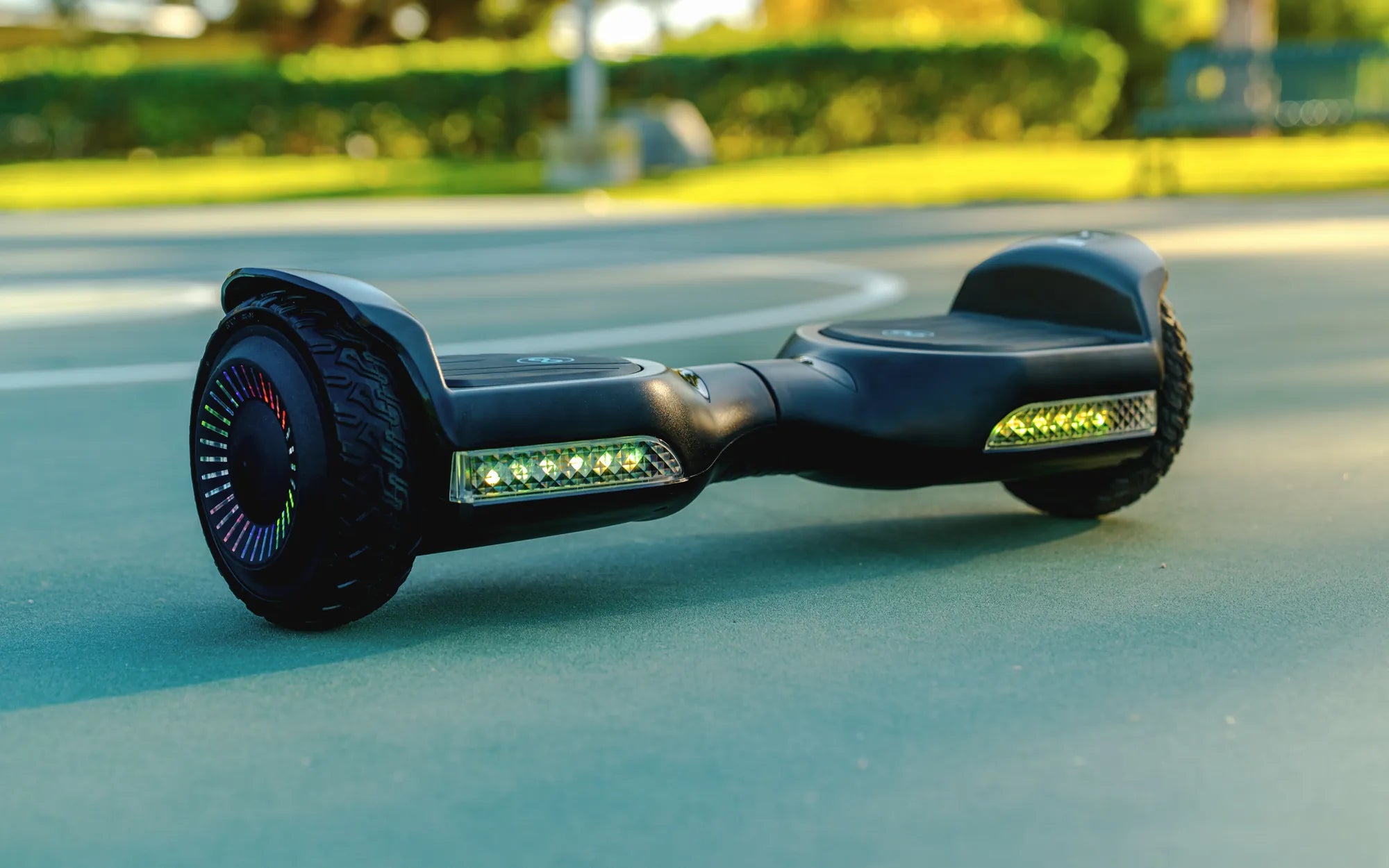
You've seen them zipping down sidewalks, gliding through parks, and even popping up in music videos - but what are those hoverboard things that everyone seems to be riding these days? These futuristic-looking devices have become the must-have personal transport gadget, combining cool technology with practical mobility. Let's dive deep into the world of hoverboards and discover why they've captured our collective imagination.
The Science Behind Hoverboards
Despite their futuristic name, hoverboards don't actually hover. These self-balancing scooters operate on a sophisticated system of gyroscopes, sensors, and motors that work together to keep riders upright and in control. When you lean forward, the sensors detect your movement and activate the motors to move in that direction. Lean back, and the board slows down or reverses.
The technology powering hoverboards comes from the same principles used in Segway personal transporters, but in a more compact and affordable package. Most modern hoverboards feature:
- Dual electric motors (one for each wheel)
- Precision gyroscopic sensors
- Lithium-ion battery packs
- Pressure-sensitive foot pads
- LED lighting systems
Why Hoverboards Became So Popular
The sudden explosion of hoverboard popularity can be traced to several factors. First, their sleek, futuristic design taps into our collective sci-fi fantasies - they look like something straight out of Back to the Future. Second, they offer a fun, eco-friendly alternative for short-distance transportation that doesn't require parking spaces or gas money.
Social media played a huge role in their viral success. When celebrities and influencers started posting videos of themselves riding hoverboards, demand skyrocketed overnight. The relatively affordable price point (compared to other personal electric vehicles) made them accessible to a wide audience.
Hoverboard Safety Considerations
Early hoverboard models gained some negative attention due to safety concerns, particularly regarding battery fires. However, modern hoverboards must meet strict safety standards, including:
| Safety Feature | Description |
|---|---|
| UL 2272 Certification | Ensures electrical and fire safety standards are met |
| Non-slip Foot Pads | Provides better grip and control |
| Speed Limiters | Prevents dangerous high speeds |
| LED Lights | Improves visibility in low-light conditions |
Proper protective gear like helmets and wrist guards are still recommended, especially for beginners. Most accidents occur when riders attempt tricks or exceed the device's limitations.
The Future of Hoverboard Technology
As hoverboard technology continues to evolve, we're seeing exciting new developments. Some manufacturers are experimenting with true hover technology using magnetic levitation, though these prototypes remain expensive and impractical for everyday use. More immediate advancements include:
- Longer battery life and faster charging
- App connectivity for performance tracking
- All-terrain wheels for off-road capability
- Improved weight capacity for heavier riders
The integration of smart technology is particularly promising, with some models offering Bluetooth speakers, GPS tracking, and even self-navigation features. As cities become more crowded and environmentally conscious, hoverboards and similar personal transport devices will likely play an increasing role in urban mobility solutions.
From sidewalk cruisers to legitimate commuting options, hoverboards have come a long way in just a few short years. Whether you're looking for a fun way to get around the neighborhood or just want to feel like you're living in the future, these ingenious devices offer something for everyone. The next time you see someone gliding by on one of those hoverboard things, you'll know exactly what makes them tick - and maybe you'll be tempted to try one for yourself!
Hoverboard Learning Mode: The Ultimate Guide for Beginners and Experts
Cheap Hoverboard Sites: Where to Find the Best Deals Without Compromising Safety