



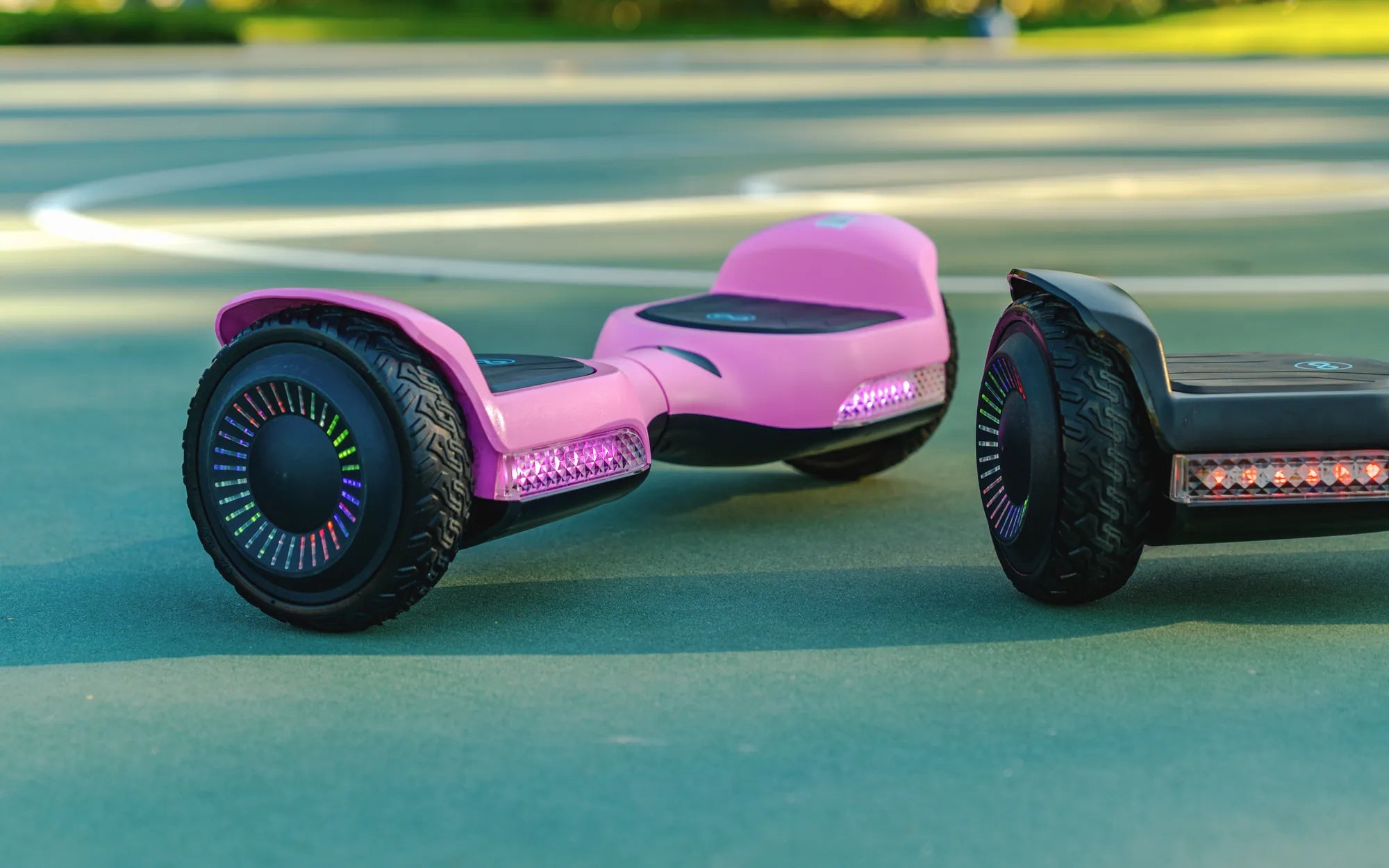
Imagine gliding effortlessly down the street, turning heads as you zip past pedestrians with the grace of a futuristic traveler. That's the magic of a hoverboard—a sleek, self-balancing scooter that has revolutionized personal mobility. But what does a hoverboard do exactly, and how does it work? Buckle up as we dive into the mechanics, benefits, and sheer fun of this modern marvel.
How Does a Hoverboard Work?
At its core, a hoverboard is a two-wheeled, electric-powered device that relies on gyroscopic technology to maintain balance. Here's a breakdown of its key components:
- Gyroscopes and Sensors: These detect the rider's movements and adjust the wheels accordingly to maintain stability.
- Electric Motors: Each wheel is powered by its own motor, allowing for precise control and smooth movement.
- Battery: Typically lithium-ion, providing the energy needed to keep the hoverboard running for hours.
- Control Board: The brain of the hoverboard, processing sensor data and sending commands to the motors.
When you lean forward, the sensors detect the shift in weight and instruct the motors to move the wheels forward. Leaning backward reverses the motion, while subtle shifts to the sides enable turns. It's like having a personal transporter that responds to your every move.
The Benefits of Riding a Hoverboard
Hoverboards aren't just cool gadgets—they offer practical advantages too:
- Eco-Friendly Transportation: With zero emissions, hoverboards are a green alternative to cars for short commutes.
- Portability: Lightweight and compact, they're easy to carry and store, making them ideal for urban living.
- Fun and Fitness: Balancing on a hoverboard engages your core muscles, improving coordination and balance over time.
- Cost-Effective: Compared to other personal electric vehicles, hoverboards are relatively affordable and require minimal maintenance.
Safety Tips for Hoverboard Riders
While hoverboards are a blast to ride, safety should always come first. Follow these tips to avoid accidents:
- Wear Protective Gear: A helmet, knee pads, and elbow pads can prevent serious injuries.
- Start Slow: Practice in a safe, open area before tackling busy streets or uneven terrain.
- Check the Battery: Always use the manufacturer-recommended charger and avoid overcharging.
- Be Aware of Surroundings: Watch out for obstacles, pedestrians, and traffic to avoid collisions.
The Future of Hoverboards
As technology advances, hoverboards are becoming smarter and more versatile. Future models may feature enhanced battery life, AI-assisted balancing, and even off-road capabilities. Some prototypes are experimenting with magnetic levitation—bringing us closer to the sci-fi hoverboards of our dreams.
Whether you're a tech enthusiast, a commuter, or just someone looking for a fun way to get around, hoverboards offer a glimpse into the future of personal transportation. So, what are you waiting for? Hop on and experience the thrill of gliding effortlessly into tomorrow.
Riding a Hoverboard for the First Time: A Beginner's Ultimate Guide
Smart X Hoverboard: The Future of Personal Transportation