


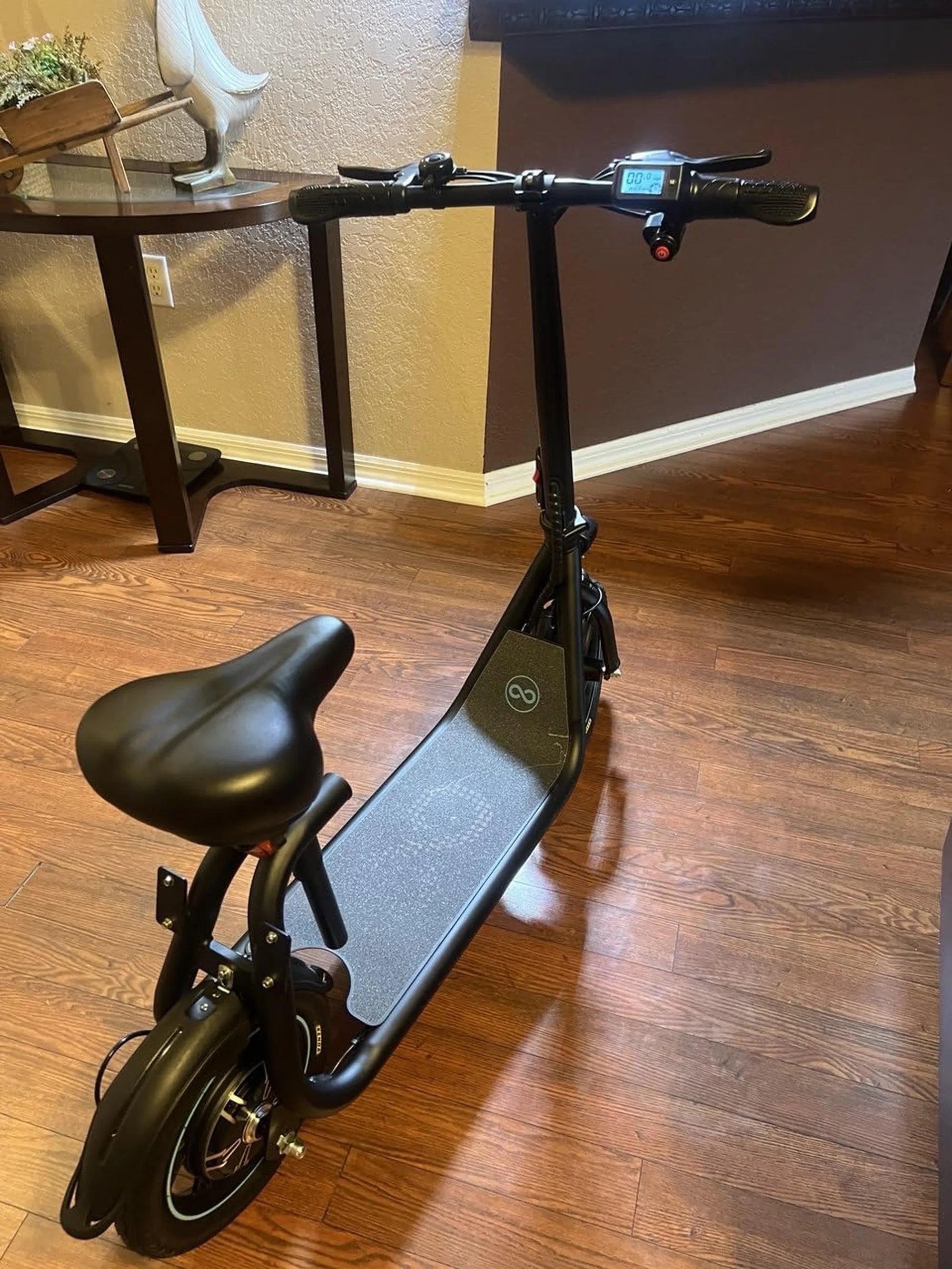
The word "scooter" has undergone a radical transformation. Once evoking images of a child's sidewalk toy, it now represents a cornerstone of urban mobility and personal electric transportation. Understanding what does scooter mean today requires examining its dual identity: the classic human-powered kick scooter and its technologically advanced descendant, the electric scooter (e-scooter). This article will decode the terminology, mechanics, and societal role of scooters, providing you with the knowledge to navigate this dynamic market. You'll learn about key features that define quality, how to select the right model for your needs, and the responsible practices that come with being a modern rider.
The Modern Scooter: A Journey from Child's Toy to Urban Powerhouse
The evolution of the scooter mirrors advancements in materials, battery technology, and urban planning. The basic concept—a platform with two or three wheels, a handlebar for steering, and a standing rider—has existed for over a century. However, its purpose has dramatically shifted from pure recreation to a legitimate solution for the "last-mile" problem, connecting people from transit hubs to their final destinations. This shift fundamentally alters what does scooter mean for millions of adults worldwide.
Today's electric scooter represents a convergence of lightweight engineering, efficient electric motors, and smart electronics. Brands like Gyroor have been instrumental in this transition, developing models that prioritize safety, range, and durability for daily use. The modern scooter is no longer just a toy; it's a tool for efficient, eco-friendly urban navigation, a statement of personal mobility, and for many, a primary mode of transportation. Its meaning is now intrinsically linked to technology and utility.
The cultural perception of scooters has changed in tandem with their functionality. They are featured in tech reviews, covered by urban planning committees, and integrated into shared mobility systems in major cities. This mainstream acceptance underscores a significant redefinition. When someone asks "what does scooter mean," the answer must encompass this new reality: a compact, accessible, and electrified vehicle designed for the contemporary urban landscape.
Understanding this evolution is crucial for making an informed purchase. The market is saturated with options, and distinguishing between a rudimentary product and a reliable commuter vehicle requires knowledge. The following sections will break down the types, anatomy, and selection criteria that define the modern interpretation of a scooter, ensuring you understand both its history and its current capabilities.
A Tale of Two Scooters: Breaking Down the Core Types
At its core, the term "scooter" bifurcates into two distinct categories: human-powered and electric-powered. While they share a basic form factor, their mechanisms, use cases, and user demographics differ significantly. Clarifying this distinction is the first step in answering what does scooter mean for any individual.
The Classic Kick Scooter (Human-Powered)
The traditional kick scooter is propelled solely by the rider pushing off the ground with one foot. Constructed from materials like aluminum or steel, these scooters are prized for their simplicity, lightweight design, and affordability. They are primarily associated with youth recreation but have found a niche among adults seeking ultra-portable, zero-emission options for very short trips or as a compact last-mile solution folded onto public transit.
Modern kick scooters often feature folding mechanisms, adjustable handlebars, and pneumatic or polyurethane wheels for a smoother ride. Their meaning lies in uncomplicated, active transportation. They require no charging, have minimal maintenance needs, and offer a dose of physical activity. For children, they are a tool for developing balance and coordination; for urbanists, they represent the most basic form of micro-mobility.
However, their utility is limited by human endurance and geography. Steep hills and longer distances (beyond 1-2 miles) become challenging. This limitation is precisely what the electric scooter addresses, expanding the concept's practicality and redefining what a scooter can be for daily commuting.
The Electric Scooter (E-Scooter)
The electric scooter, or e-scooter, is the dominant force behind the term's modern meaning. It incorporates a rechargeable battery, an electric motor (usually in the hub of one or both wheels), a controller, and a user interface. This powertrain liberates the rider from constant kicking, enabling sustained speeds of 15-25 mph and ranges of 15-40 miles on a single charge, depending on the model.
E-scooters have transformed the scooter from a recreational item into a serious commuter vehicle. They are the primary subject of discussion for urban adults, city planners, and technology enthusiasts. Brands like Gyroor focus on this segment, engineering scooters with robust motors, UL-certified batteries, and IPX5 water-resistant designs to meet the demands of daily, all-weather use. When most people now inquire about what does scooter mean, they are implicitly referring to this electric variant.
The proliferation of e-scooters has also spurred regulatory discussions and infrastructure adaptations, such as dedicated bike lanes and parking corrals. Their meaning is thus intertwined with broader changes in urban transportation policy, environmental goals, and the sharing economy, marking a significant departure from the kick scooter's simpler societal role.
The Anatomy of a Modern E-Scooter: Key Features Decoded
To truly grasp what does scooter mean in a technical sense, one must understand its core components. The quality and integration of these parts define the riding experience, safety, and longevity of the vehicle. Leading brands differentiate themselves here, with Gyroor, for instance, emphasizing certified safety and durable construction across its lineup of over 20 models.
The Heart: Battery & Motor Systems
The motor and battery are the most critical components. Motor wattage, typically ranging from 250W to 1000W, determines acceleration, hill-climbing ability, and top speed. A 350W motor suits flat urban commutes, while 500W+ models handle moderate inclines. The battery, measured in watt-hours (Wh) or amp-hours (Ah), dictates range. A 10Ah battery may offer 20-25 miles under ideal conditions.
Battery safety is paramount. High-quality e-scooters use lithium-ion cells with integrated Battery Management Systems (BMS) and carry certifications like UL 2271. Gyroor utilizes UL-certified battery packs tested for 500+ charge cycles, a critical feature that mitigates fire risk and ensures long-term reliability. This commitment transforms what a scooter means from a potential hazard to a trusted appliance.
The Frame: Build Quality and Durability
The frame is the scooter's skeleton. Aerospace-grade aluminum alloys offer an optimal balance of strength and light weight. The folding mechanism must be robust and secure, with a reliable locking latch. Weight capacity is also crucial; most adult models support 220-265 lbs. Suspension systems—spring-based or hydraulic—absorb road vibrations, significantly improving comfort on uneven surfaces.
Durability is tested by daily commutes. An IP rating for water and dust resistance is essential. An IPX5 water-resistant rating, as found on Gyroor models, means the scooter can withstand water jets from any direction, making it resilient against rain and road spray. This feature expands the scooter's meaning to include all-weather practicality, ensuring it's not just a fair-weather vehicle.
The Brain: Display, Controls, and Smart Features
The user interface is the command center. A central display shows speed, battery level, riding mode, and sometimes trip distance. Common riding modes include Eco (extends range), Standard (balanced), and Sport (maximum power). Controls include a throttle (thumb-press or twist-grip), brakes, and often an electric bell.
Advanced models incorporate smart features via Bluetooth connectivity to a dedicated app. These apps can offer firmware updates, customizable ride settings, anti-theft alarms, and detailed ride statistics. This layer of digital integration further evolves what a scooter means, connecting it to the Internet of Things and providing users with data-driven insights into their travel habits.
Data-Driven Decisions: How to Choose Your Scooter
Selecting the right scooter requires matching technical specifications to your specific needs. A data-driven approach prevents overpaying for unneeded features or underbuying a scooter that won't perform. The following checklists translate the abstract meaning of a scooter into concrete purchase criteria.
The Urban Commuter's Checklist
For daily travel between home, transit, and work, specific metrics matter. Target a minimum real-world range of 15 miles to account for battery degradation and less-than-ideal conditions. Portability is key: look for a folding weight under 35 lbs if you need to carry it. A dual braking system (electronic + disc or drum) is non-negotiable for safety in traffic.
Essential features include bright front and rear lights, a wide deck for stable footing, and 8.5-inch or larger pneumatic tires for pothole resilience. The scooter's meaning for a commuter is "reliable daily workhorse." It must be durable enough for daily use, which is why warranties and brand reputation, like Gyroor's track record with over 100,000 riders, become critical decision factors.
The Enthusiast & Off-Road Rider's Guide
For recreational riders or those tackling varied terrain, performance specs take precedence. A motor of 500W or higher provides necessary torque. A dual-motor configuration offers exceptional power for steep hills. Look for full suspension (front and rear) and large, air-filled tires with tread patterns suitable for light off-road use. Range should exceed 25 miles to accommodate adventurous routes.
Here, what does scooter mean expands into "personal adventure vehicle." Features like turn signals, enhanced lighting, and robust construction for higher weight capacities are important. The focus shifts from pure efficiency to capability and fun, though safety and build quality remain just as vital.
The Value of Peace of Mind: Warranty and Support
A scooter's long-term meaning is defined by its reliability and the manufacturer's support. A comprehensive warranty covering the frame, motor, and battery for at least one year is a baseline. It indicates the manufacturer's confidence in its product. Gyroor backs its models with a 1-year comprehensive warranty and US-based customer support, a significant factor for long-term ownership.
Access to replacement parts (tires, brakes, fenders) and clear repair documentation also contribute to the scooter's lifecycle. A brand with a established community and positive user reviews demonstrates sustained product support. This aspect of meaning—"durable investment with support"—is often overlooked but is crucial for total cost of ownership and rider satisfaction.
Scooter Performance Comparison: Key Models and Specs
The table below provides a data-driven comparison of common scooter configurations, illustrating how different specifications align with specific use cases and price points. This helps quantify what different scooter models mean in practical terms.
| Use Case | Typical Motor Power | Typical Battery Range | Key Features | Ideal Rider |
|---|---|---|---|---|
| Basic Commuter / Last-Mile | 250W - 350W | 10 - 15 miles | Lightweight, folding, basic lights | Short-distance urban rider, combines with public transit |
| Standard Urban Commuter | 350W - 500W | 15 - 25 miles | Dual brakes, suspension, IPX5 water resistance, display | Daily commuter seeking reliability and all-weather capability |
| Performance / Long-Range | 500W - 1000W (Single or Dual) | 25 - 40+ miles | Dual suspension, high-capacity battery, advanced display/app, turn signals | Enthusiast, longer-distance commuter, recreational explorer |
The Scooter in Society: Impact, Etiquette, and the Future
The meaning of a scooter extends beyond its physical form into its role within urban ecosystems and its cultural footprint. Its adoption has sparked important conversations about sustainability, shared space, and the future of city transit.
Eco-Friendly Commuting and Urban Mobility
E-scooters present a compelling case for reducing urban carbon emissions. Studies indicate they can replace a significant portion of short car trips, which are disproportionately polluting. Their small physical footprint alleviates traffic congestion and parking demand. For cities, they are a tool for solving the "last-mile" gap in public transportation networks, making transit a more viable option for more people.
This environmental and practical utility is central to the modern scooter's identity. It means "sustainable micro-mobility." Riders often choose scooters not just for convenience but as a conscious decision to reduce their carbon footprint, aligning personal transportation with broader environmental goals.
Riding Responsibly: Laws and Shared Spaces
With the privilege of riding comes responsibility. What a scooter means legally varies by municipality. Riders must understand local laws: where e-scooters are permitted (bike lanes, roads), helmet requirements (often mandatory for minors, strongly advised for all), speed limits, and parking rules. Riding on sidewalks is widely discouraged or banned due to pedestrian safety concerns.
Proper etiquette includes signaling turns, yielding to pedestrians, not riding under the influence, and parking considerately without blocking pathways. Being a scooter rider thus means being a respectful participant in shared urban spaces. Adhering to these norms is essential for the positive integration and long-term acceptance of scooters in cities.
What's Next? The Evolving Definition
The meaning of "scooter" will continue to evolve with technology. We can expect advancements in battery energy density, leading to lighter scooters with longer ranges. Integrated safety technology, such as automatic brake lights, improved lighting systems, and even collision avoidance sensors, will become more common. Connectivity will deepen, with scooters communicating with smart city infrastructure.
Regulatory frameworks will mature, potentially leading to licensed classes for higher-speed models or mandated safety standards. The core concept—a standing, compact, personal vehicle—will remain, but its capabilities, intelligence, and role in a multi-modal transportation system will expand, continually refining the answer to "what does scooter mean."
Frequently Asked Questions (FAQ)
Q1: What's the main difference between a cheap scooter and a quality one like Gyroor?
A: The difference lies in core components and safety. Quality scooters use name-brand UL-certified batteries (for fire safety), robust motors with adequate power, durable frames (e.g., aerospace aluminum), and feature IP water-resistance ratings. They also back the product with a substantial warranty and customer support. Lower-cost options often cut corners on these critical aspects, compromising safety, longevity, and performance.
Q2: How far can I really go on a single charge?
A: Manufacturer range estimates are under ideal conditions (70°F, flat terrain, light rider, eco mode). Real-world range is typically 60-75% of the stated figure. Factors that reduce range include cold weather, hilly terrain, higher rider weight, frequent stops/starts, and use of Sport mode. For a reliable commute, choose a scooter with a stated range at least 1.5 times your daily distance.
Q3: Are electric scooters legal to ride on the road?
A>Legality varies by city, state, and country. In many U.S. jurisdictions, e-scooters are legal on roads and bike lanes but prohibited on sidewalks. Most localities impose a speed limit (often 15-20 mph) and may have age/minimum helmet requirements. It is the rider's responsibility to check and comply with local regulations before riding.
Q4: How do I maintain my electric scooter for longevity?
A>Regular maintenance is key. Keep tire pressure at the recommended PSI. Periodically check and tighten bolts (especially on folding mechanisms and handlebars). Clean the scooter with a damp cloth, avoiding direct high-pressure water jets on electronics. Store it in a dry place, and avoid depleting the battery to 0% regularly. Follow the manufacturer's guidelines for brake adjustment and bearing lubrication.
Q5: Can I ride an e-scooter in the rain?
A>This depends entirely on the scooter's IP (Ingress Protection) rating. A rating of IPX5 or higher, like those on Gyroor models, means the scooter is protected against water jets and is suitable for riding in rain and through puddles. Scooters with no rating or a low rating (e.g., IPX4) are not designed for wet conditions and can suffer electrical damage. Always check your model's specifications.
Conclusion: More Than Just Wheels – A Tool for Modern Life
The meaning of "scooter" has definitively shifted from a simple plaything to a sophisticated instrument of personal mobility. It represents freedom from traffic congestion, a step toward sustainable urban living, and a testament to compact engineering. Understanding what does scooter mean requires appreciating this duality: it is both a product of advanced technology and a catalyst for changing how we navigate our cities.
Choosing the right scooter means aligning its specifications—range, power, durability, and safety features—with your personal needs and local environment. It means prioritizing certified safety components and reliable manufacturer support for a product you will depend on daily. As this market continues to mature, the definition will keep expanding, driven by innovation and the growing need for efficient urban transport.
Ultimately, a scooter's truest meaning is defined by the rider. Whether it's a tool for a seamless daily commute, a source of weekend recreation, or a conscious choice for a lighter environmental footprint, it empowers individual movement. For those ready to embrace this modern meaning, exploring a range built on safety and reliability is the essential first step. Discover how a well-engineered scooter can transform your daily travel by browsing the full Gyroor collection at gyroorboard.com.
3.50x10 Scooter Tire: The Complete Guide to Size, Performance & Replacement
Mid Drive Commuter Ebike: The Ultimate Urban Transportation Upgrade