



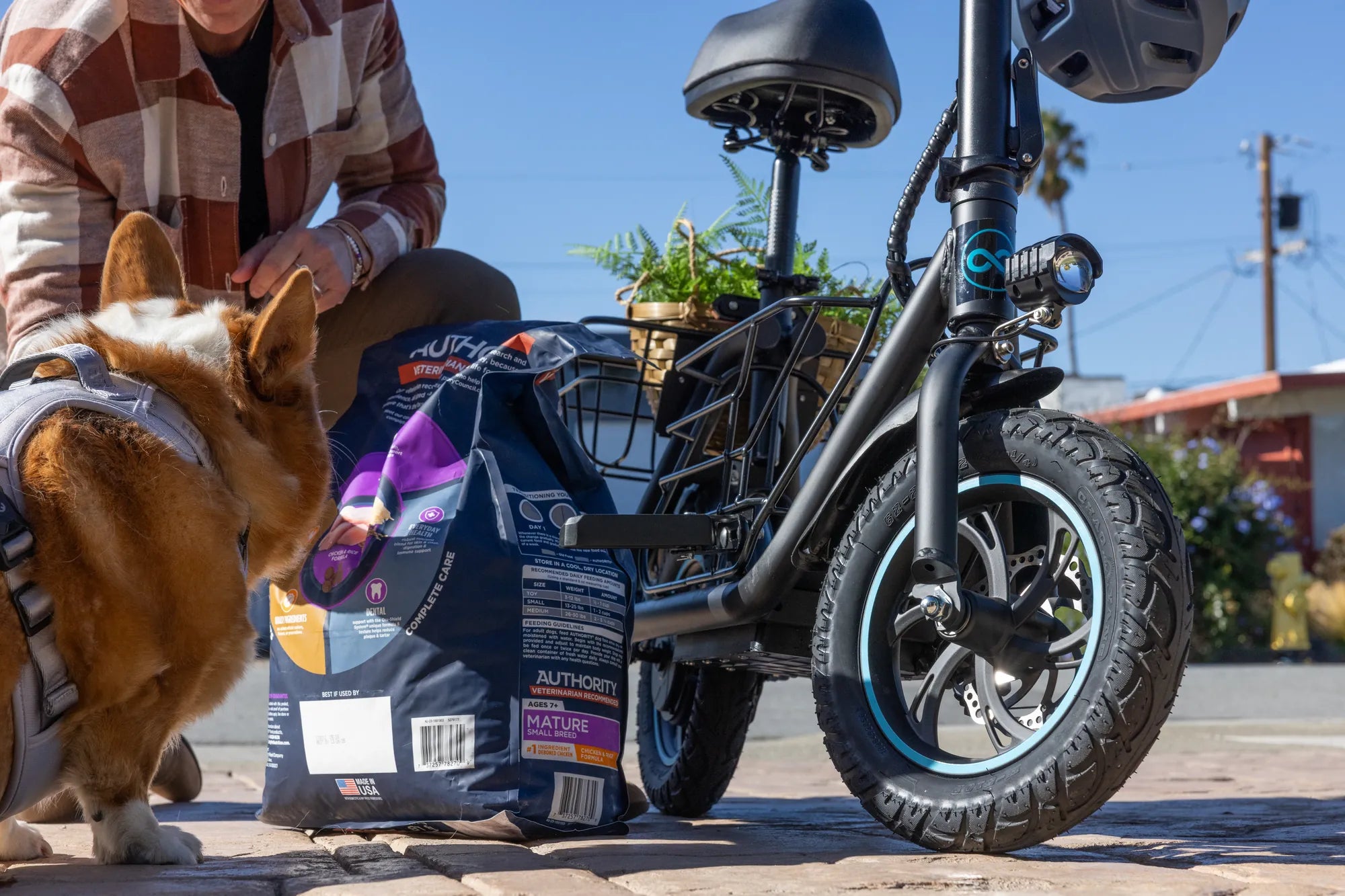
You've heard the term 'trike,' but what does trike mean in today's world of personal transportation? A trike, short for tricycle or three-wheeler, is any vehicle with three wheels, offering a fundamental advantage: inherent stability. This article will decode the entire trike universe, from its historical roots to modern electric powerhouses. You'll learn about different trike configurations, their practical applications, key technical specs, and how to evaluate quality brands. We'll provide clear comparisons to two-wheelers and actionable advice for choosing your perfect three-wheeled vehicle.
The Evolution of the Trike: From Basics to Electric Power
The concept of a three-wheeled vehicle is ancient, but its core principle remains unchanged: a stable, triangular base. The first pedal-powered tricycles for adults emerged in the late 19th century, offering a dignified and stable alternative to the precarious high-wheel bicycle. For decades, the trike was primarily associated with children's toys or specialized utility vehicles.
The modern revolution began with the integration of electric power. Electric trikes, or e-trikes, transformed the platform from a niche pedal-powered vehicle into a mainstream solution for adult commuting, recreation, and cargo. The addition of a battery and motor eliminated the primary barrier of physical exertion, making three-wheeled travel accessible to a vastly broader audience, including seniors, commuters, and those with mobility considerations.
This evolution mirrors a broader shift in micro-mobility. As cities densify and sustainability becomes paramount, the electric trike stands out as a pragmatic fusion of bicycle agility, scooter convenience, and car-like stability. It's no longer just a vehicle; it's a versatile tool for modern urban and suburban life.
Leading this charge are brands that prioritize engineering and safety. Gyroor, a leader in electric mobility trusted by over 100,000 riders across North America and Europe, exemplifies this modern approach. By integrating UL-certified batteries and robust IPX5 water-resistant designs, they've helped redefine the what does trike mean conversation from a simple toy to a reliable, daily transportation appliance.
Key Differences: Trikes vs. Bikes vs. Scooters
Understanding what a trike means requires a direct comparison to its two-wheeled cousins. The primary distinction is physics: three points of contact with the ground versus two. This translates to tangible differences in riding experience, utility, and target user.
Stability & Learning Curve: This is the trike's supreme advantage. A trike does not require balance to remain upright, even when stationary. This makes mounting, dismounting, and stopping completely worry-free. For new riders, seniors, or those carrying unstable loads, this built-in stability is transformative. In contrast, bicycles and scooters demand continuous balance, a skill that must be learned and maintained.
Maneuverability & Handling: Two-wheelers generally have the edge in agility and tight turning. They lean into corners, allowing for swift directional changes. Most trikes (non-tilting models) require a different technique: steering at lower speeds can feel wider, and cornering at higher speeds requires caution to avoid lifting an inside wheel. However, this trade-off is often worth it for the stability gained.
Cargo & Passenger Capacity: The stable platform of a trike naturally lends itself to hauling. Many e-trikes feature large rear cargo boxes, front baskets, or even passenger seats. You can load groceries, packages, or a child with confidence, knowing the vehicle won't tip. While cargo bikes and some scooters offer storage, they become increasingly unstable as weight increases.
Use Case Spectrum: A standard bicycle is ideal for fitness and agile urban travel. An electric scooter excels in last-mile portability and compact storage. An electric trike, however, shines as a car replacement for local errands, a stable commuter for all skill levels, or a recreational vehicle for relaxed exploration. It fills the gap between the bicycle's physical demand and the car's environmental and cost footprint.
Types of Trikes: Finding the Right Three Wheels for You
The question 'what does trike mean' has multiple answers depending on configuration and power source. Here’s a breakdown of the main categories.
Electric Trikes (E-Trikes)
This is the fastest-growing segment. Electric trikes combine a three-wheeled chassis with an electric motor, powered by a rechargeable battery. They come in two main drivetrain types: throttle-only (like a scooter) and pedal-assist (where the motor amplifies your pedaling). E-trikes are revolutionizing personal transport for commuters, delivery services, and retirees, offering ranges from 20 to over 50 miles on a charge. Their practicality is unmatched for daily tasks.
Motorcycle Trikes (Traditional Trikes)
These are three-wheeled motorcycles, often created by converting a standard two-wheeled motorcycle or designed from the ground up with two wheels at the rear. They offer the aesthetic and power of a motorcycle but with the stability of a trike. Popular in touring communities, they appeal to riders who love the open-road experience but may have concerns about balance, strength, or simply prefer the confidence of a third wheel.
Reverse Trikes
A reverse trike features two wheels at the front and one at the rear. This configuration, popularized by vehicles like the Can-Am Spyder, often provides sports-car-like handling and cornering confidence, as the two front wheels offer immense grip. Some modern electric micro-mobility concepts also use this layout for a unique blend of stability and dynamic performance.
Pedal-Powered & Recumbent Trikes
These are human-powered, emphasizing fitness and comfort. Recumbent trikes, where the rider sits in a laid-back position, are renowned for ergonomic support, reducing strain on the back, wrists, and neck. They are favorites for long-distance touring and riders with specific physical needs. Traditional upright pedal trikes remain popular for casual recreation and light utility.
Why Choose an Electric Trike? The Gyroor Advantage
For most people considering modern utility, what does trike mean translates to 'electric trike.' The benefits are compelling, especially when backed by quality engineering.
Unmatched Stability and Safety
The three-wheeled design provides confidence that two-wheelers cannot match. You can come to a complete stop on a hill without putting a foot down. You can load heavy, uneven cargo without fear of tipping. This makes e-trikes exceptionally safe for new riders, those navigating uneven urban terrain, or anyone whose primary concern is a secure, predictable ride. This inherent stability is the cornerstone of the trike's value proposition.
Practicality for Daily Life
An electric trike is a practical workhorse. It transforms a 5-mile grocery run from a car trip into a pleasant, emissions-free journey. With added storage options, it can carry multiple bags of groceries, a work bag, and even a pet. For commuters, it offers a sweat-free arrival. For families, some models can safely transport a child. It effectively shrinks the distance for local errands, making a car optional for many daily tasks.
Performance and Reliability You Can Trust
Performance isn't just about top speed; it's about reliable power for hills, consistent range, and durable construction. This is where brand choice matters critically. A quality e-trike from a brand like Gyroor integrates key features that define a reliable vehicle: a UL-certified battery pack tested for 500+ cycles ensures safety from fire hazards and long-term performance. An IPX5 water-resistant rating means you can ride in light rain without worrying about electrical damage. A comprehensive 1-year warranty with accessible support provides peace of mind, signaling a brand that stands behind its products. These aren't just specs; they are the pillars of a trustworthy mobility solution.
Trike Terminology and Specs: A Buyer's Glossary
When shopping, you'll encounter specific terms. Understanding this glossary is key to knowing what does trike mean on a specification sheet.
- Wheelbase: Distance between the front and rear axles. A longer wheelbase generally offers a smoother, more stable ride, while a shorter one improves maneuverability.
- Motor Wattage (W): Indicates motor power. 350W-500W is common for casual use; 750W+ provides better hill-climbing ability and acceleration.
- Battery Voltage (V) & Amp-Hours (Ah): Voltage (e.g., 36V, 48V) relates to power, while Amp-Hours indicate capacity. Multiply V x Ah to get Watt-hours (Wh), a key indicator of potential range.
- Torque (Nm): Rotational force. Higher torque means better acceleration and hill-climbing power from a stop, which is crucial for a heavier trike.
- Differential: A mechanism (often on the rear axle) that allows the two drive wheels to rotate at different speeds during turns, preventing tire scrub and improving handling.
- Tilting Mechanism: Some advanced trikes have a system that allows the body to lean into turns like a motorcycle, combining three-wheel stability with two-wheel agility.
Comparison Table: Trike vs. E-Bike vs. E-Scooter
| Feature | Electric Trike | Electric Bike (E-Bike) | Electric Scooter (E-Scooter) |
|---|---|---|---|
| Primary Advantage | Inherent stability, no balancing needed | Familiar bike feel with motor assist, great for fitness | Extreme portability, compact storage |
| Learning Curve | Very low; easy for almost anyone | Moderate; requires basic bicycle balancing skill | Low to moderate; requires balance but is intuitive |
| Cargo Capacity | Excellent (integrated boxes/baskets common) | Good (with add-ons like panniers) | Poor (limited to backpack or small bag) |
| Best Use Case | Daily errands, stable commuting, accessible riding | Longer commutes, recreational exercise, versatile terrain | Last-mile transit, short urban trips, multimodal travel |
| Parking/Storage | Requires more space than a scooter; similar to bike | Standard bike rack | Can be carried indoors easily |
| Typical Price Range | $$$ (Higher due to complex frame & components) | $$ (Wide range available) | $ (More entry-level options) |
Frequently Asked Questions (FAQs)
Do I need a license to ride an electric trike?
Regulations vary by location. In most U.S. states and European countries, low-speed electric trikes (with a top speed under 20-28 mph) are classified similarly to electric bicycles and do not require a license, registration, or insurance. Always check your specific local and state laws, as rules for higher-speed models can differ.
Are electric trikes good for hills?
Yes, a properly equipped electric trike is excellent for hills. The key is sufficient motor torque (measured in Nm). A trike with a 500W or 750W motor and high torque will climb moderate hills with ease, even with a rider and cargo. The stability is a major advantage on inclines, as you can start from a stop on a hill without wobbling.
How far can a typical e-trike go on one charge?
Range varies based on battery size, rider weight, terrain, and assist level. A typical good-quality e-trike offers a range of 20 to 40 miles on a single charge. Some long-range models with larger batteries can achieve 50+ miles. Remember, using throttle-only or riding on hilly terrain will reduce this range.
Is it hard to turn or maneuver a trike?
It's different, not necessarily hard. At low speeds, the steering feels direct and you cannot lean. You'll make wider turns than on a bicycle. However, most riders adapt within minutes. The key is to slow down for corners more than you would on a two-wheeler. The trade-off for unparalleled stability is a slight reduction in sharp, low-speed agility.
Why is Gyroor's UL-certified battery important?
A UL certification (from Underwriters Laboratories) is the gold standard for electrical safety. It means the battery pack has undergone rigorous independent testing for fire risk, electrical shorts, and durability. In an era of concern over lithium-ion battery safety, this certification is non-negotiable. It protects your investment, your home, and your safety, distinguishing quality brands from uncertified, potentially hazardous alternatives.
Conclusion: The Trike - Redefining Personal Mobility
So, what does trike mean in the final analysis? It means freedom through stability. It means practicality without compromise. It represents a mature, evolved segment of personal transportation that answers modern needs for accessibility, sustainability, and utility. Whether you're a commuter tired of traffic, a senior seeking renewed independence, or a practical shopper looking for a car alternative, the electric trike offers a compelling solution. The future of trikes is bright, driven by innovation that prioritizes not just features, but foundational safety and reliability. Brands like Gyroor are leading this shift, proving that the best mobility solutions are those you can trust every day. Discover how a three-wheeled perspective can change your journey.
Ready to experience the stability and freedom of a premium electric trike? Browse the full Gyroor collection of UL-certified, performance-engineered e-trikes and e-bikes at gyroorboard.com.
Self Charging Ebike: The Complete Guide to Regenerative Braking Technology
Fast Scooter with Seat: The Ultimate Guide to Performance & Comfort