



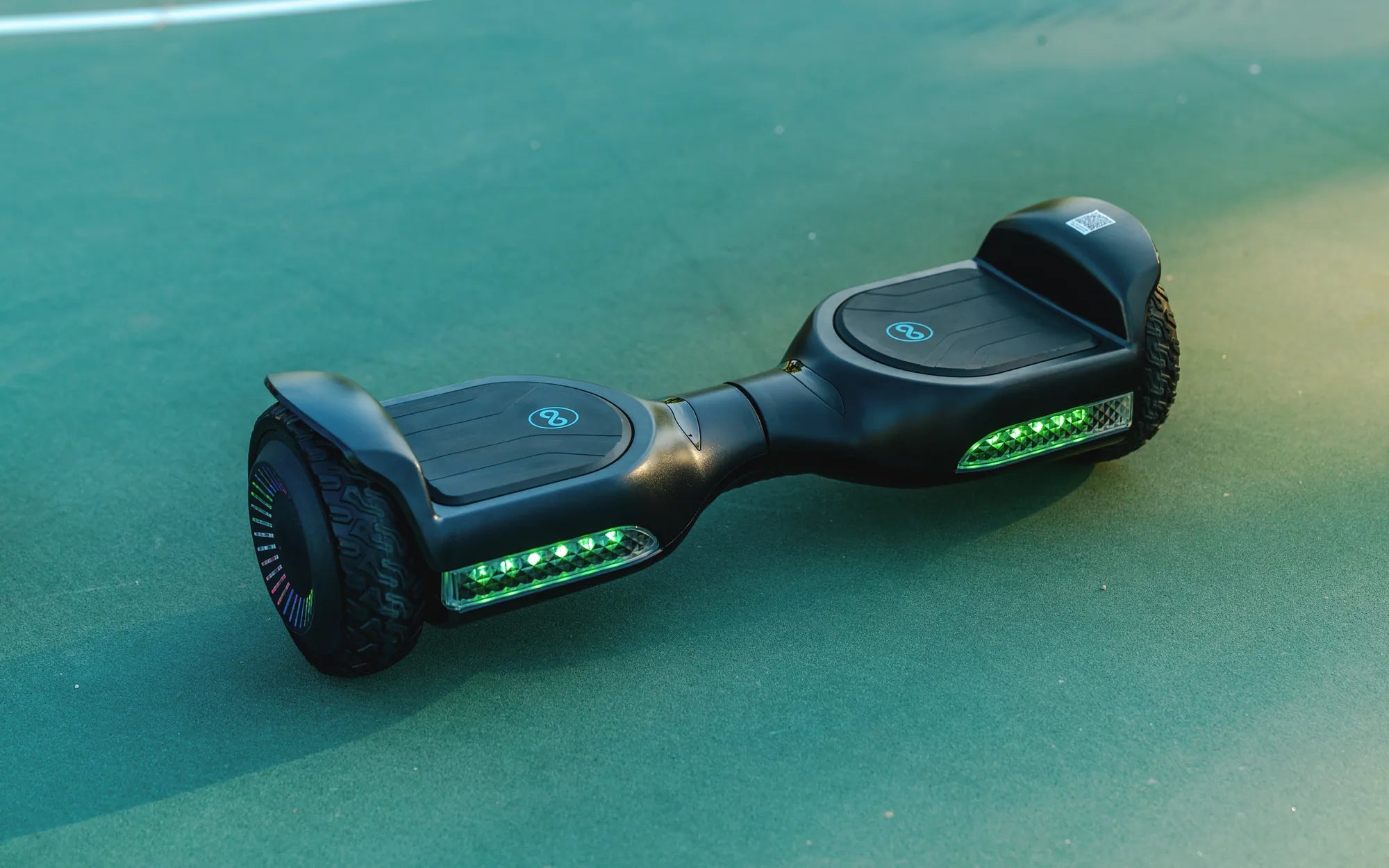
Ever wondered what happens if you leave your hoverboard plugged in overnight? While it might seem convenient, overcharging can lead to dangerous consequences. From battery degradation to potential fire hazards, understanding the risks is crucial for every hoverboard owner. Let’s dive into the details and learn how to charge your hoverboard safely.
The Dangers of Overcharging a Hoverboard
Overcharging a hoverboard can cause several issues, many of which stem from the lithium-ion battery inside. These batteries are efficient but sensitive to improper charging habits. Here’s what can go wrong:
- Battery Degradation: Continuous charging strains the battery, reducing its lifespan and overall performance.
- Overheating: Excess energy can cause the battery to overheat, leading to potential swelling or leaks.
- Fire Hazards: In extreme cases, overheating can result in fires or explosions, especially with low-quality batteries.
How Long Should You Charge a Hoverboard?
Most hoverboards take between 2 to 4 hours to reach a full charge. Leaving it plugged in beyond this time increases the risks mentioned above. Always refer to the manufacturer’s guidelines for the recommended charging duration.
Signs Your Hoverboard Is Overcharged
Recognizing the warning signs of overcharging can help prevent damage. Look out for:
- Unusual heat emanating from the battery.
- A swollen or bloated battery casing.
- Reduced battery life or sudden power drops.
Safety Tips to Avoid Overcharging
To keep your hoverboard safe and functional, follow these best practices:
- Use a Timer: Set a reminder to unplug the hoverboard once it’s fully charged.
- Avoid Overnight Charging: Never leave your hoverboard charging unattended for long periods.
- Invest in Quality Chargers: Cheap chargers may lack safety features to prevent overcharging.
- Store Properly: Keep your hoverboard in a cool, dry place away from flammable materials.
What to Do If Your Hoverboard Overheats
If you notice your hoverboard getting too hot during charging, act immediately:
- Unplug the charger right away.
- Move the hoverboard to a safe, non-flammable surface.
- Allow it to cool down before inspecting for damage.
- Consult a professional if the battery appears swollen or damaged.
Ignoring these steps could lead to irreversible damage or even dangerous accidents.
The Long-Term Impact of Overcharging
Repeated overcharging doesn’t just pose immediate risks—it can also shorten your hoverboard’s lifespan. A degraded battery may hold less charge, provide weaker performance, and eventually require replacement. Proper charging habits are key to maximizing your hoverboard’s longevity.
By now, it’s clear that overcharging your hoverboard is a risk not worth taking. From fire hazards to costly battery replacements, the consequences are serious. Follow the tips above to enjoy a safe and long-lasting ride—your hoverboard (and peace of mind) will thank you!
How to Ride a Hoverboard Go Kart: A Complete Guide for Beginners
Best Off-Road Hoverboard Under $200: Top Picks for Adventure Seekers