

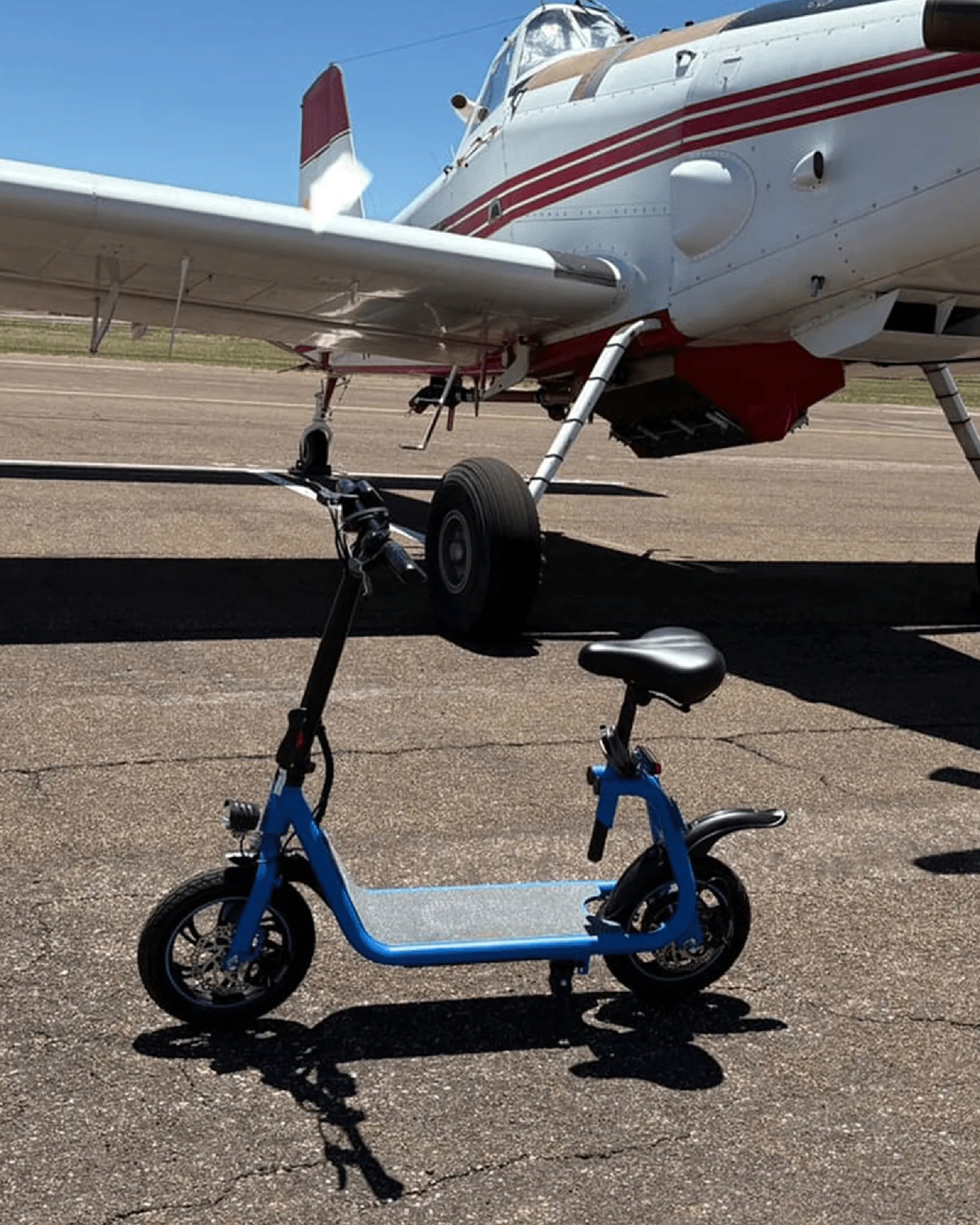
Imagine gliding effortlessly up a steep hill, feeling the wind in your hair without breaking a sweat. That’s the magic of an ebike—a game-changer in personal transportation that’s taking the world by storm. Whether you’re a commuter, an adventure seeker, or just curious about this innovative mode of travel, understanding what an ebike is and how it works can open up a world of possibilities.
How Does an Ebike Work?
An ebike, short for electric bicycle, combines traditional pedal power with an electric motor to assist your ride. The motor is powered by a rechargeable battery, which provides varying levels of assistance depending on your preference. Most ebikes allow you to switch between different modes, from full pedal-assist to throttle-only operation, giving you control over how much effort you want to exert.
The Key Components of an Ebike
Every ebike consists of several essential components:
- Motor: Typically located in the hub of the wheel or near the pedals, the motor provides the electric assist.
- Battery: Usually lithium-ion, the battery stores energy and powers the motor.
- Controller: This acts as the brain of the ebike, regulating power output.
- Display: Many ebikes feature a handlebar-mounted display to adjust settings and monitor battery life.
- Pedal Assist Sensor (PAS): Detects your pedaling motion and engages the motor accordingly.
Types of Ebikes
Ebikes come in various styles to suit different needs:
- City/Commuter Ebikes: Designed for urban environments with comfort and practicality in mind.
- Mountain Ebikes: Built for off-road adventures with robust frames and enhanced suspension.
- Folding Ebikes: Compact and portable, ideal for those with limited storage space.
- Cargo Ebikes: Equipped to carry heavy loads, perfect for deliveries or family outings.
Benefits of Riding an Ebike
Ebikes offer numerous advantages over traditional bicycles and cars:
- Eco-Friendly: Zero emissions and a smaller carbon footprint compared to cars.
- Cost-Effective: Lower maintenance and fuel costs than automobiles.
- Health Benefits: Encourages physical activity while reducing strain on joints.
- Convenience: Avoid traffic jams and parking hassles in crowded cities.
- Accessibility: Makes cycling feasible for people of all fitness levels.
Common Misconceptions About Ebikes
Despite their growing popularity, some myths persist:
- "Ebikes are just for lazy people." In reality, they encourage more people to cycle by reducing barriers like hills and long distances.
- "Ebikes are too expensive." While the initial cost is higher than a regular bike, long-term savings on fuel and public transport can offset this.
- "Ebikes are heavy and hard to ride." Modern designs are lightweight, and the motor assistance makes them easy to handle.
Legal Considerations for Ebike Riders
Laws regarding ebikes vary by region, but most classify them based on speed and power:
- Class 1: Pedal-assist only, with a top speed of 20 mph.
- Class 2: Throttle-assisted, with a top speed of 20 mph.
- Class 3: Pedal-assist only, with a top speed of 28 mph.
Always check local regulations to ensure compliance.
Maintenance Tips for Your Ebike
Keeping your ebike in top condition ensures longevity and performance:
- Regularly check tire pressure and brake function.
- Keep the battery charged and store it in a cool, dry place.
- Clean the bike after rides, especially in wet or muddy conditions.
- Schedule annual tune-ups with a professional.
Ready to experience the freedom and fun of an ebike? Whether you’re looking to simplify your commute, explore new trails, or just enjoy a more active lifestyle, an ebike could be your perfect companion. Join the millions who’ve already discovered the joy of electric cycling—your next adventure awaits!
Lightweight Foldable Mobility Scooter: The Ultimate Guide to Portable Freedom
Dirt Ebike: The Ultimate Off-Road Adventure Machine