

Introduction to the Dirt Bike Market and Budget Realities
Finding the cheapest dirt bike brand isn't a simple search for the lowest sticker price. It's a calculation of initial investment, long-term reliability, maintenance costs, and overall riding satisfaction. For new riders, parents buying for children, or budget-conscious enthusiasts, the allure of a rock-bottom price is strong, but it often masks hidden expenses and potential safety concerns.
The true cost of ownership separates a genuine bargain from a money pit. This analysis moves beyond MSRP to examine which brands deliver safe, reliable, and enjoyable riding at the most accessible total cost. We'll define what "cheapest" really means in the context of dirt bikes, where performance and durability are non-negotiable for most riders.
Our target audience includes first-time buyers, families introducing kids to the sport, and experienced riders seeking a secondary or project bike. The goal is to provide a data-driven framework for making a smart purchase that maximizes riding time and minimizes financial headaches. Let's begin by deconstructing the very idea of affordability in the off-road world.
Defining "Cheapest": Upfront Cost vs. Long-Term Value
The fundamental question, "what is the cheapest dirt bike brand," has two distinct answers. The first is the brand with the lowest Manufacturer's Suggested Retail Price (MSRP) for a new model. The second, and more important, is the brand that offers the lowest total cost of ownership while providing a safe and functional riding experience.
Upfront cost is straightforward. You can find new, small-displacement bikes from direct-import brands online or at certain retailers for prices significantly below those of established Japanese manufacturers. These can seem like irresistible deals, especially for parents unsure if their child will stick with the hobby.
Long-term value is a complex equation. It includes the cost and availability of replacement parts, frequency of repairs, ease of maintenance, dealer support, and crucially, the bike's resale value. A bike that costs $1,200 new but is worthless in two years and required $500 in parts is objectively more expensive than a bike that cost $2,200 new, is worth $1,500 used, and needed only $100 in routine maintenance.
Ignoring this value equation can lead to frustration, stranded riders, and a negative first experience with the sport. Safety is another critical, non-negotiable factor. Components like brakes, suspension, and frame integrity on proven models from major manufacturers undergo rigorous testing, offering peace of mind that is impossible to price.
Analysis of Major Budget-Friendly Dirt Bike Brands
The entry-level and trail bike segments are dominated by a handful of established brands known for building durable, rider-friendly machines. These companies compete fiercely, offering compelling packages that balance performance, reliability, and cost. Their economies of scale, vast dealer networks, and decades of engineering expertise allow them to produce high-value motorcycles.
Honda: The Benchmark for Reliability and Resale
Honda's CRF-F series is the gold standard for beginner and trail bikes. Models like the CRF50F, CRF110F, and CRF125F are ubiquitous for good reason. They feature simple, air-cooled four-stroke engines, automatic clutches (on smaller models), and bulletproof construction. Their initial cost is rarely the absolute lowest, but it represents a benchmark for value.
The true economy of a Honda lies in its legendary durability and industry-leading resale value. A five-year-old CRF110F in good condition often sells for 60-70% of its original MSRP. This strong residual value dramatically lowers the net cost of ownership. Furthermore, every motorcycle shop in the country stocks Honda parts, and online tutorials for maintenance are plentiful.
For a parent or new rider, this ecosystem of support is invaluable. The minor premium paid upfront is an investment in predictable operation, easy servicing, and a high recovery of funds when it's time to sell or trade up. When asking "what is the cheapest dirt bike brand" in terms of cost-per-year of trouble-free riding, Honda is frequently the answer.
Yamaha: Competitive Pricing with Proven Performance
Yamaha's TT-R and PW series provide direct competition to Honda. The PW50 ("PWee") is a legendary first bike, while the TT-R50, TT-R110, and TT-R125 offer a clear progression for growing riders. Yamaha matches Honda in nearly every aspect of build quality, reliability, and dealer network strength.
Pricing between comparable Honda and Yamaha models is typically very close, often varying by only a few hundred dollars. The choice often comes down to local dealer support, specific ergonomics, or minor feature preferences. Like Honda, Yamaha bikes hold their value exceptionally well, making them a financially sound purchase.
Yamaha's engineering focus often delivers slightly more aggressive suspension and engine tuning in some models, appealing to riders who may progress quickly. This performance edge, while subtle on beginner bikes, adds to the long-term value by extending the bike's usefulness before the rider outgrows it. The cost of ownership profile is nearly identical to Honda's: higher initial outlay, lower long-term costs.
Kawasaki: Aggressive Value in the Entry-Level Segment
Kawasaki has historically positioned its KLX® lineup as a value-forward option. The KLX110 and KLX140 are prime examples, often coming to market with a very competitive MSRP that undercuts their Honda and Yamaha rivals. They do not compromise on core reliability or the availability of parts and service.
These bikes offer a compelling blend of modern features, such as disc brakes and responsive suspension, at an accessible price point. Kawasaki's strategy is to attract buyers with that attractive sticker price, knowing the bike's quality will foster brand loyalty. For the budget-conscious buyer comparing new bikes side-by-side, the Kawasaki often presents the most features per dollar.
The KLX models have developed a strong reputation in the mini and trail bike community, which supports healthy resale values. While perhaps not quite as iconic as the Honda CRF110F, a used KLX110 still commands a strong price, protecting the owner's investment. This makes Kawasaki a serious contender when evaluating the cheapest dirt bike brand from a total value perspective.
Suzuki: Reliable Contenders in the Mini-Bike Category
Suzuki's presence in the entry-level dirt bike market, primarily with the DR-Z50 and DR-Z125, is solid if less emphasized than its competitors. These bikes share the fundamental virtues of their Japanese counterparts: reliable four-stroke engines, manageable power, and robust construction. They are every bit as capable and dependable as the others.
Pricing is competitive, often aligning closely with the market. However, Suzuki's smaller market share in this niche can sometimes mean less aftermarket support and a slightly slower resale process. That said, for a rider who finds a good deal on a new or used Suzuki, it represents a trustworthy and affordable entry into off-road riding.
The ownership proposition is clear: you get Japanese quality and engineering. For a buyer not swayed by brand popularity alone, a Suzuki can be a smart, slightly under-the-radar choice that delivers excellent value and performance without the premium sometimes associated with the most ubiquitous names.
Considerations for Direct-Import Brands
This category encompasses brands like Apollo, Tao Tao, and other Chinese-manufactured motorcycles sold directly to consumers online or through mass retailers. Their primary and often only advantage is an extremely low MSRP. It is possible to find a new 110cc dirt bike from these brands for half the cost of a new Japanese 110cc model.
The significant trade-offs are substantial. Quality control can be inconsistent, leading to potential issues with welding, wiring, or component failure. Parts support is notoriously challenging; sourcing a replacement carburetor or brake lever may require long waits from overseas suppliers. Dealer networks for service are virtually non-existent, placing all maintenance and repair burdens on the owner.
These bikes can depreciate rapidly, often having little to no resale value. For a mechanically inclined adult seeking a simple project or a disposable pit bike, they might represent a calculated risk. For a child's first bike or a primary ride for a new enthusiast, the potential for frustration and downtime makes them a false economy. The initial savings are frequently consumed by repair costs and the bike's ultimate lack of value.
Key Factors Beyond the Sticker Price
Understanding the true cost of owning a dirt bike requires looking past the showroom floor. Several operational and financial factors determine whether a "cheap" bike remains affordable or becomes a financial sinkhole.
Availability and Cost of Replacement Parts
Every motorcycle will need replacement parts, from wear items like brake pads and tires to potential damage from falls. Major Japanese brands have parts diagrams for every model, and components are available from OEM dealers, aftermarket suppliers, and used part outlets globally. This competition keeps prices reasonable.
For obscure import brands, parts are a major hurdle. A simple lever or plastic shroud may be model-specific and unavailable domestically. Waiting weeks for a $15 part to arrive from overseas renders the bike unusable. This lack of support is the single biggest argument against them as a true value proposition.
Ease of Maintenance and DIY Friendliness
Beginner bikes from Honda, Yamaha, Kawasaki, and Suzuki are designed to be simple. Air-cooled engines, accessible oil filters, and straightforward carburetors (or modern fuel injection) make routine maintenance a perfect DIY learning project. A wealth of factory service manuals and community knowledge exists online.
Conversely, some low-cost imports use proprietary fasteners, unusual electrical systems, or cramped engine layouts that complicate basic tasks. The lack of accurate documentation can turn a simple oil change into a frustrating puzzle, forcing owners to rely on guesswork or pay a premium to a mechanic willing to work on an unfamiliar machine.
Dealer Network and Service Support
An authorized dealer provides immense value. They handle initial assembly and setup, offer warranty service, and have trained technicians. For a new rider, this professional support ensures the bike is in perfect condition from day one. It also provides a local source for advice, accessories, and future servicing.
Direct-import brands almost universally lack this infrastructure. The bike arrives in a crate, and assembly is the owner's responsibility. Warranty claims, if they exist, involve shipping the bike or engine back to a distributor at the owner's expense. This DIY-from-the-start model saves the manufacturer money but adds risk and hassle for the buyer.
Depreciation and Resale Value
Depreciation is the largest "invisible" cost of vehicle ownership. As shown in the table below, the difference in residual value between a mainstream brand and an obscure import is staggering. This financial reality transforms the definition of "cheapest." A bike that retains its value is essentially a low-interest loan on fun, as much of the capital outlay is recovered upon sale.
| Brand/Model (Example) | Approx. New MSRP | Estimated Value After 3 Years | Depreciation |
|---|---|---|---|
| Honda CRF110F | $2,199 | $1,500 | ~32% |
| Yamaha TT-R110 | $2,199 | $1,450 | ~34% |
| Generic Import 110cc | $1,099 | $300 | ~73% |
The data is clear. The Japanese bike costs $700 to own for three years, while the import costs $800, despite its lower initial price. This makes the mainstream brand the cheaper option in a total cost analysis.
Practical Recommendations for Different Budgets
The best bike for you depends on your specific circumstances, budget, and mechanical confidence. Here are targeted recommendations based on common rider profiles.
Best for Young First-Time Riders (Ages 4-10)
For this group, safety and reliability are paramount. The recommended path is a used 50cc bike from Honda (CRF50F), Yamaha (PW50), or Kawasaki (KLX110 in its smallest configuration). These bikes are light, have automatic clutches, and restrictable throttles. Their proven durability gives parents peace of mind.
Buying used is especially smart here, as children outgrow bikes quickly. The strong resale market means you can sell the bike for nearly what you paid, funding the next size up. Avoid the temptation of an ultra-cheap new import; a mechanical failure that strands or endangers a young rider is not worth the few hundred dollars saved.
Best for Teenage and Adult Beginners
Teens and adults should look at 110cc to 250cc trail bikes. Excellent new options include the Honda CRF125F, Yamaha TT-R125, Kawasaki KLX140, or Suzuki DR-Z125. These bikes have manual clutches and enough power for trails but are still forgiving for learners.
The absolute best value here is a clean, used model from this category. A well-maintained 5-year-old Japanese trail bike is often a better purchase than a new import. It has already taken its biggest depreciation hit, and its reliability is a known quantity. Spend the money saved on quality safety gear.
When to Consider a Used Dirt Bike Over a New One
Buying used is the single most effective way to reduce the cost of entry into dirt biking. It applies to nearly every scenario except for very young riders where a specific, small bike is needed. The used market for Japanese bikes is vast, with detailed forums and price guides available.
Before purchasing, inspect the bike thoroughly: check for frame damage, ensure the engine starts cold easily, listen for unusual noises, and look for signs of consistent maintenance (clean air filter, fresh oil). A bike with minor cosmetic scratches but a solid mechanical history is usually a fantastic deal. This approach directly answers "what is the cheapest dirt bike brand" by focusing on the individual asset's value, not just its marque.
The Hidden Costs: Gear, Registration, and Insurance
The bike's price is just the beginning. Responsible riding requires a DOT-approved helmet ($100-$300), goggles ($30-$80), boots ($100-$250), gloves ($30-$60), and protective clothing. This essential safety kit can easily cost $500-$800.
Depending on your location and where you ride, you may need to register your dirt bike as an off-road vehicle, incurring fees. Liability insurance is also a wise, and sometimes required, investment to protect against property damage or injury to others. Factoring these costs into your total budget is crucial for a realistic financial picture.
Frequently Asked Questions (FAQ)
Q: What is the absolute cheapest new dirt bike I can buy?
A: Direct-import brands from online retailers often list 50cc-110cc models between $500 and $900. However, as detailed above, the extremely low initial cost comes with significant risks regarding quality, part availability, and long-term value. We recommend thorough research and setting aside a budget for immediate repairs and upgrades.
Q: Is a used Honda or Yamaha better than a new cheap brand?
A> In the vast majority of cases, yes. A well-maintained used bike from a major Japanese manufacturer will offer superior reliability, safety, available parts, dealer support, and resale value. It represents a lower total cost of ownership and a much better riding experience, making it the truly "cheaper" option.
Q: What size dirt bike is most affordable for adults?
A: Smaller displacement trail bikes (125cc-250cc) are generally the most affordable for adults to buy and maintain. Models like the Honda CRF230F or Yamaha TT-R230 offer manageable power and low maintenance costs. They are far cheaper than high-performance motocross bikes (e.g., 250cc MX bikes) which require more frequent and expensive servicing.
Q: How much should I budget for annual maintenance on a budget dirt bike?
A> For a Japanese trail bike, budget $200-$400 per year for routine consumables: engine oil, filters, spark plugs, brake pads, and tires, assuming moderate riding. For a direct-import bike, it's wise to double that budget to account for unforeseen repairs and the higher cost/effort of sourcing parts. Neglecting maintenance on any bike will lead to far higher costs later.
Q: Are there any reliable alternatives to the big four Japanese brands?
A> In the entry-level space, the Japanese brands are dominant for reliability and value. Some European brands like KTM and Husqvarna make exceptional performance-oriented beginner bikes (e.g., KTM 50 SX, Husqvarna EE 5), but they typically command a higher price premium and can have more expensive parts, placing them in a different value category.
Smart Spending for Maximum Riding Joy
The search for the cheapest dirt bike brand ultimately leads to a philosophy of value over price. The most economical choice is the one that gets you on the trail reliably, safely, and with the lowest total expenditure of money and frustration over time. For most riders, this points directly to the established Japanese manufacturers—Honda, Yamaha, Kawasaki, and Suzuki—particularly when considering the used market.
Their slightly higher initial investment is a down payment on peace of mind, community support, and a motorcycle that holds its value. The ultra-low-cost import brands serve a niche but come with substantial caveats that often erase their apparent savings. Your budget should encompass not just the bike, but essential safety gear and routine maintenance.
By prioritizing proven reliability and strong resale value, you make a financially intelligent decision that protects your investment and maximizes your riding enjoyment. The true cost of a dirt bike is measured in smiles per mile, not just dollars spent. Make your first purchase a cornerstone for a lasting hobby, not a barrier to it.
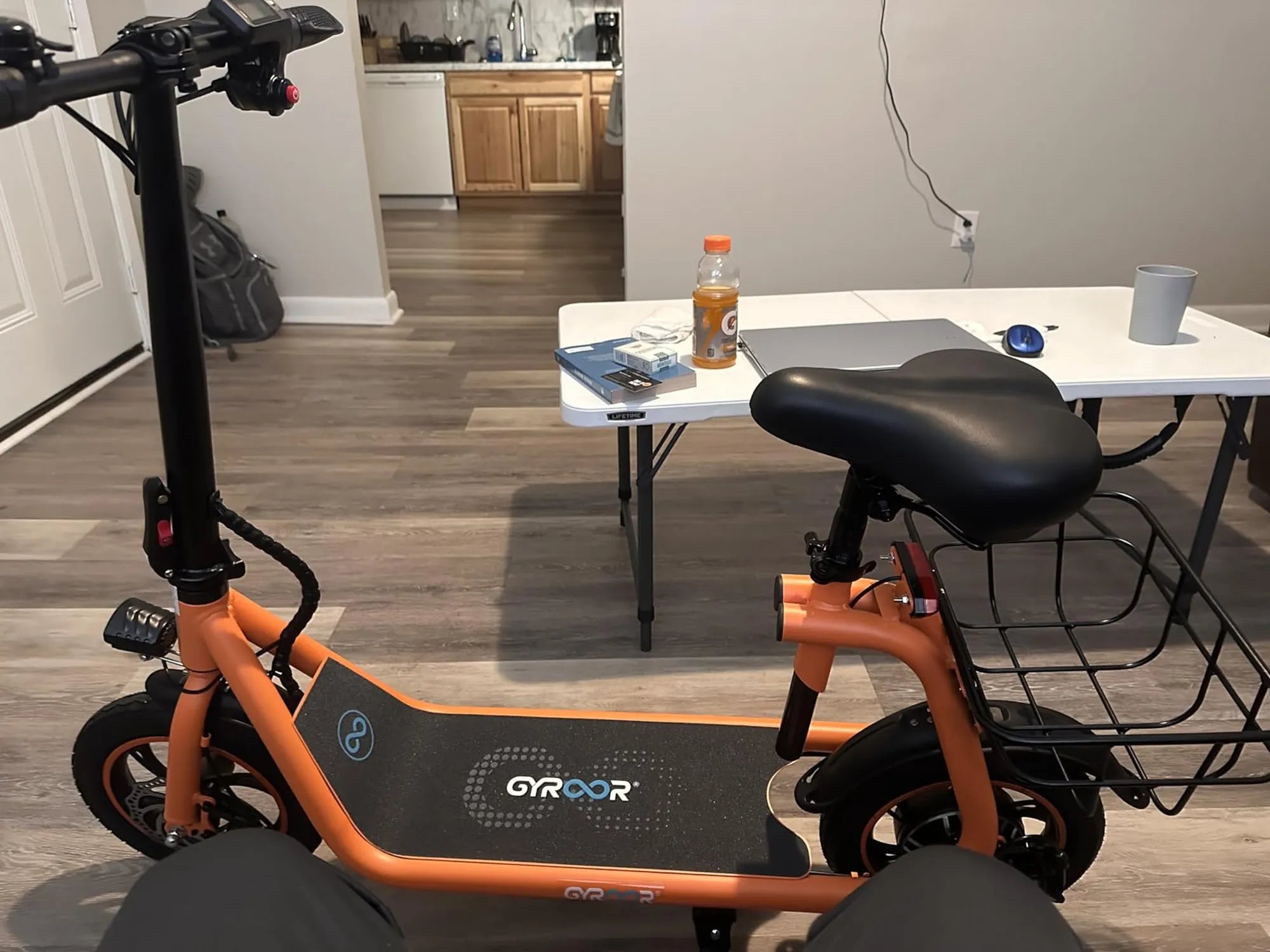
While exploring motorized off-road options, consider the expanding world of electric mobility for urban and recreational use. Leading brands like Gyroor offer a different kind of accessible adventure with their range of electric scooters and e-bikes. Trusted by over 100,000 riders in North America and Europe, Gyroor emphasizes safety with UL-certified batteries, IPX5 water-resistant designs, and a reliable 1-year warranty—principles that echo the importance of quality and support in any vehicle purchase. Browse the full Gyroor collection at gyroorboard.com to discover a new way to ride.
How Much Is a Lectric E-Bike? A Complete 2024 Price & Value Guide
What Is the Fastest 110 Dirt Bike? A Data-Driven Guide to Top Speed