



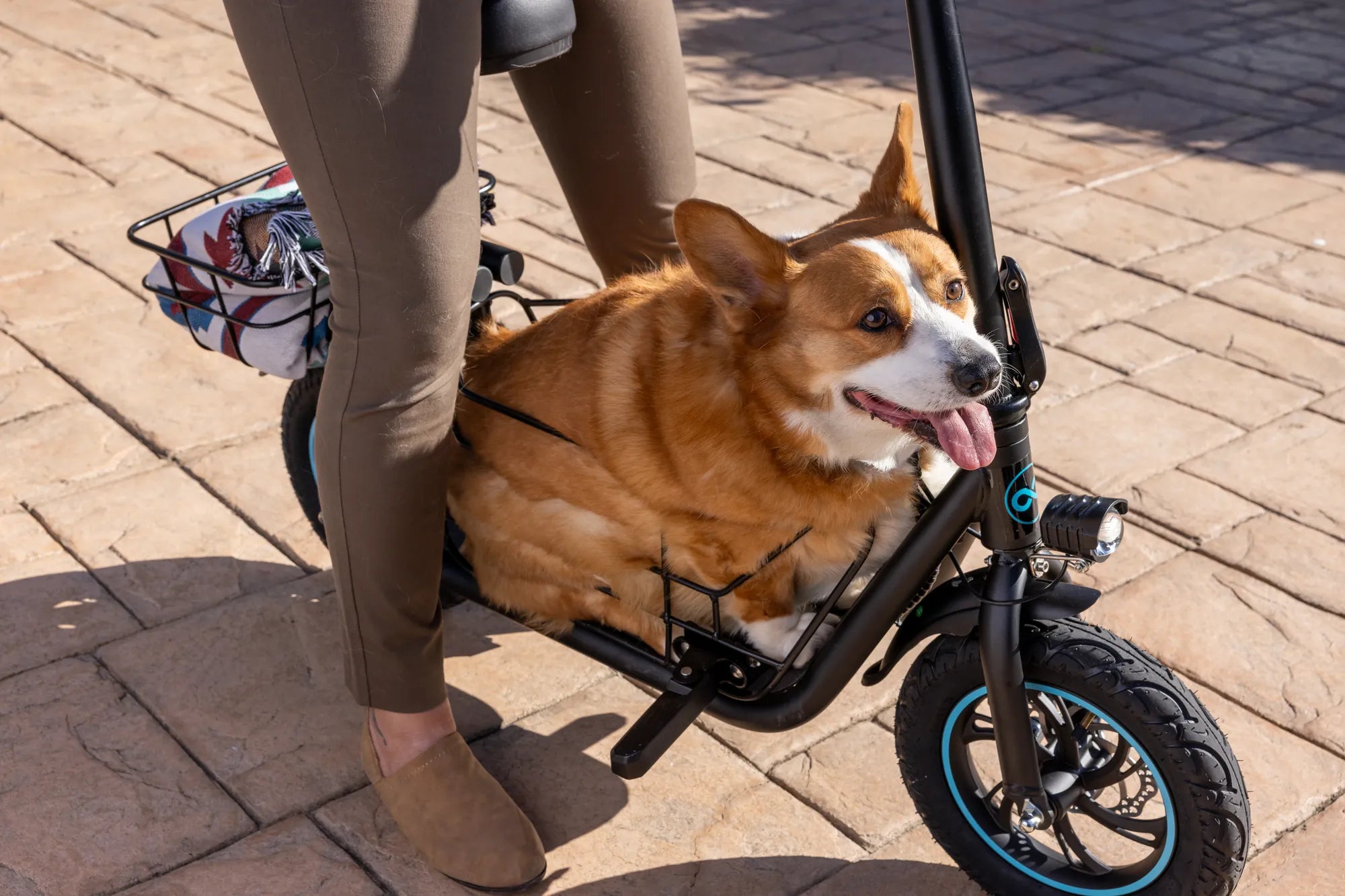
Electric bikes have revolutionized urban commuting and recreational cycling, offering an eco-friendly and efficient alternative to traditional bikes and cars. But one of the most common questions riders ask is: what is the mileage of an electric bike? The answer isn’t straightforward, as several factors influence how far an e-bike can travel on a single charge. In this guide, we’ll break down everything you need to know about e-bike mileage, from battery capacity to riding conditions, and share practical tips to help you get the most out of every ride.
Understanding Electric Bike Mileage
Electric bike mileage, often referred to as range, is the distance an e-bike can travel on a single battery charge. This varies widely depending on the bike’s design, battery capacity, motor efficiency, and riding conditions. On average, most e-bikes offer a range of 20 to 100 miles per charge, with some high-end models exceeding even that.
Key Factors Affecting E-Bike Mileage
- Battery Capacity: Measured in watt-hours (Wh), higher-capacity batteries provide longer ranges.
- Motor Efficiency: More efficient motors consume less power, extending the bike’s range.
- Rider Weight and Cargo: Heavier loads require more energy, reducing mileage.
- Terrain and Elevation: Hilly or rough terrain drains the battery faster than flat roads.
- Riding Mode: Using higher assist levels or throttle mode decreases range.
- Tire Pressure and Type: Properly inflated, low-resistance tires improve efficiency.
- Weather Conditions: Cold temperatures can reduce battery performance.
How to Calculate Electric Bike Mileage
To estimate your e-bike’s range, use this simple formula:
Range (miles) = Battery Capacity (Wh) / Energy Consumption (Wh/mile)
Energy consumption typically ranges from 10 to 30 Wh/mile, depending on factors like assist level and terrain. For example, a 500Wh battery with an average consumption of 20 Wh/mile would provide roughly 25 miles of range.
Tips to Maximize Your E-Bike’s Mileage
- Use Lower Assist Levels: Pedal more and rely less on motor assistance.
- Maintain Optimal Tire Pressure: Reduces rolling resistance and improves efficiency.
- Plan Efficient Routes: Avoid steep hills and rough terrain when possible.
- Reduce Weight: Carry only essential items to lighten the load.
- Keep Your Battery Healthy: Store it in moderate temperatures and avoid full discharges.
Real-World E-Bike Mileage Examples
While manufacturers often advertise maximum ranges, real-world conditions usually yield lower numbers. Here’s a rough estimate based on common scenarios:
| Riding Condition | Estimated Range (Miles) |
|---|---|
| Flat terrain, low assist | 50-100 |
| Hilly terrain, medium assist | 30-60 |
| Throttle-only mode | 20-40 |
Future Trends in E-Bike Battery Technology
Advancements in battery technology are continuously improving e-bike mileage. Solid-state batteries, faster charging, and energy-dense lithium-ion cells are expected to push ranges beyond 150 miles per charge in the coming years. These innovations will make e-bikes even more versatile for long-distance commuting and touring.
Whether you’re a daily commuter or a weekend adventurer, understanding your e-bike’s mileage helps you plan rides with confidence. By optimizing your riding habits and maintaining your bike, you can squeeze every last mile out of each charge. Ready to hit the road? Your next electric bike adventure awaits—just don’t forget to check the battery first!
Electric Dirt Bike for 4 Year Old: The Ultimate Guide to Safe and Fun Riding
How to Boost Electric Scooter Performance: A Complete Guide