


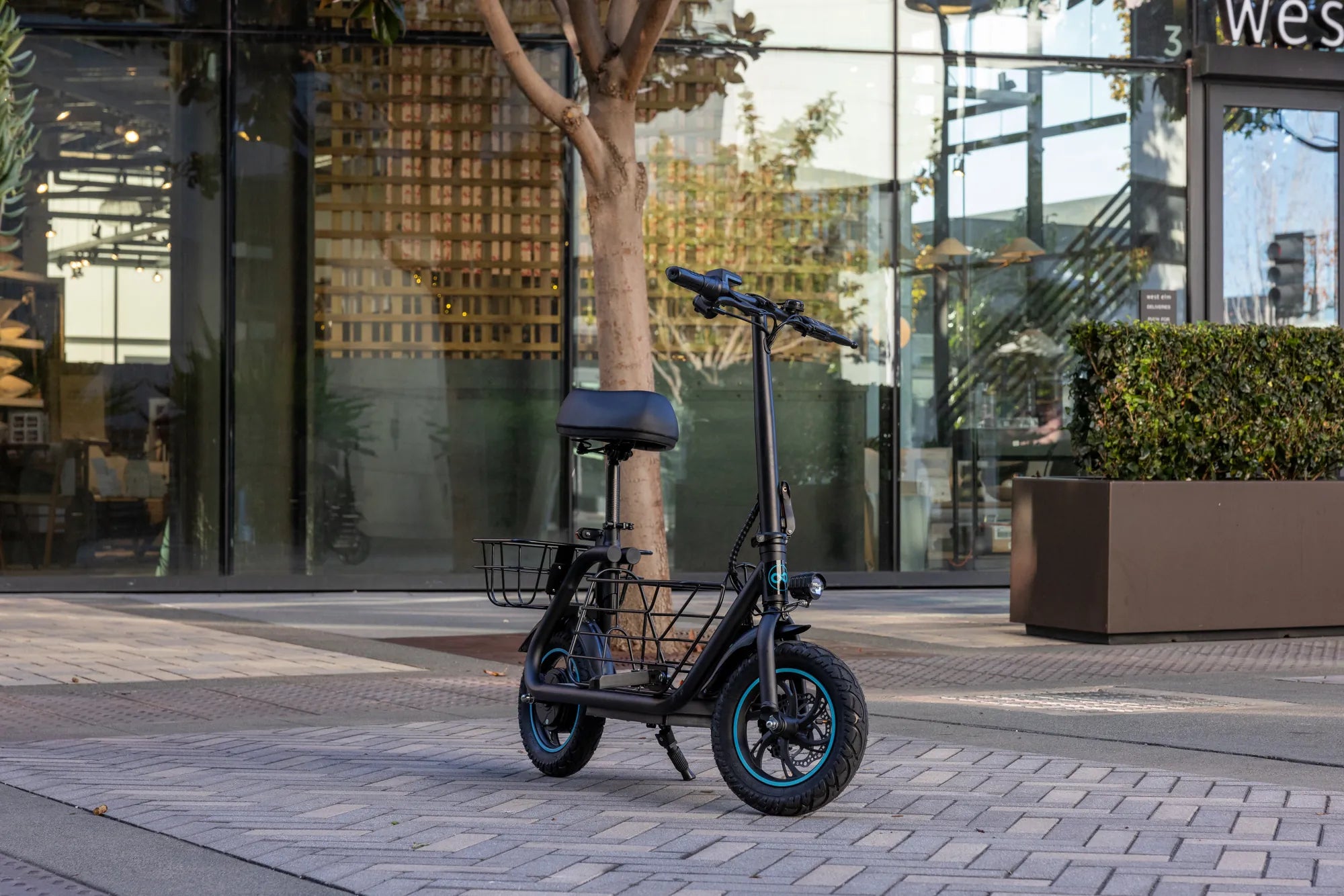
Introduction
Electric scooters have taken the world by storm, offering a convenient, eco-friendly, and cost-effective way to commute. But have you ever wondered what kind of motors power these sleek machines? The motor is the heart of any electric scooter, dictating its speed, efficiency, and overall performance. In this guide, we’ll dive deep into the different types of motors used in electric scooters, how they work, and which one might be the best fit for your needs. Buckle up—this is going to be an electrifying ride!
Types of Motors Used in Electric Scooters
Electric scooters primarily use three types of motors: brushed DC motors, brushless DC (BLDC) motors, and hub motors. Each has its own set of advantages and drawbacks, making them suitable for different use cases.
Brushed DC Motors
Brushed DC motors are one of the oldest and simplest types of electric motors. They use carbon brushes to deliver current to the motor’s armature, creating motion through electromagnetic induction. These motors are relatively inexpensive and easy to control, making them a popular choice for budget-friendly electric scooters.
However, brushed motors have several downsides. The brushes wear out over time, requiring regular maintenance and replacement. They also generate more heat and friction, reducing efficiency and lifespan. For these reasons, brushed motors are becoming less common in modern electric scooters.
Brushless DC (BLDC) Motors
Brushless DC motors, or BLDC motors, are the gold standard for electric scooters today. Unlike brushed motors, BLDC motors eliminate the need for brushes by using an electronic controller to switch the current in the motor windings. This design offers several advantages:
- Higher Efficiency: BLDC motors convert more electrical energy into mechanical energy, resulting in better battery life and performance.
- Longer Lifespan: With no brushes to wear out, BLDC motors last significantly longer and require less maintenance.
- Quieter Operation: The absence of brushes reduces friction and noise, making for a smoother and quieter ride.
BLDC motors are more expensive than brushed motors, but their superior performance and durability make them a worthwhile investment for most riders.
Hub Motors
Hub motors are a specialized type of BLDC motor integrated directly into the scooter’s wheels. They come in two varieties: geared and gearless.
Geared Hub Motors: These motors use internal gears to increase torque, making them ideal for hilly terrains and stop-and-go urban commuting. However, the gears can wear out over time, requiring maintenance.
Gearless Hub Motors: Also known as direct-drive motors, these are simpler and more durable since they lack internal gears. They offer regenerative braking, which recaptures energy during deceleration to extend battery life. However, they tend to be heavier and less efficient at low speeds.
How Motor Power Affects Performance
The power of an electric scooter motor is typically measured in watts (W) and directly impacts speed, acceleration, and hill-climbing ability. Here’s a quick breakdown:
- 250W–350W: Suitable for flat terrains and casual riders. Top speeds range from 15–20 mph.
- 500W–750W: Offers better acceleration and can handle moderate inclines. Speeds reach 20–25 mph.
- 1000W+: Designed for performance enthusiasts, these motors deliver speeds over 30 mph and can tackle steep hills with ease.
Keep in mind that higher power motors consume more battery, so you’ll need to balance performance with range requirements.
Single vs. Dual Motor Systems
Some electric scooters feature dual motors—one in each wheel—for enhanced performance. Here’s how they compare:
- Single Motor: Lighter, more energy-efficient, and sufficient for most urban commutes.
- Dual Motor: Delivers unmatched power, traction, and hill-climbing ability but drains the battery faster and adds weight.
Dual-motor scooters are best for riders who prioritize speed and off-road capability over range and portability.
Maintenance Tips for Electric Scooter Motors
To keep your scooter’s motor running smoothly, follow these simple maintenance tips:
- Regularly inspect the motor for signs of wear or damage.
- Keep the motor clean and free of debris.
- Avoid overloading the scooter beyond its weight capacity.
- Store the scooter in a dry, temperature-controlled environment to prevent moisture damage.
Future Trends in Electric Scooter Motors
The electric scooter industry is constantly evolving, with advancements in motor technology driving innovation. Some emerging trends include:
- Lighter, More Efficient Motors: New materials and designs are reducing weight while improving performance.
- Smart Motor Controllers: AI-powered controllers optimize power delivery for better efficiency and ride quality.
- Regenerative Braking: More scooters are adopting this feature to extend battery life and reduce energy waste.
Final Thoughts
Choosing the right motor for your electric scooter can make all the difference in your riding experience. Whether you prioritize speed, efficiency, or durability, understanding the different types of motors and their capabilities will help you make an informed decision. Ready to hit the road? Your perfect electric scooter—powered by the ideal motor—is waiting for you!
What Is the Best Electric Bike for Adults? A Comprehensive Guide
What Is the Best Electric Bike for Adults? A Comprehensive Guide