


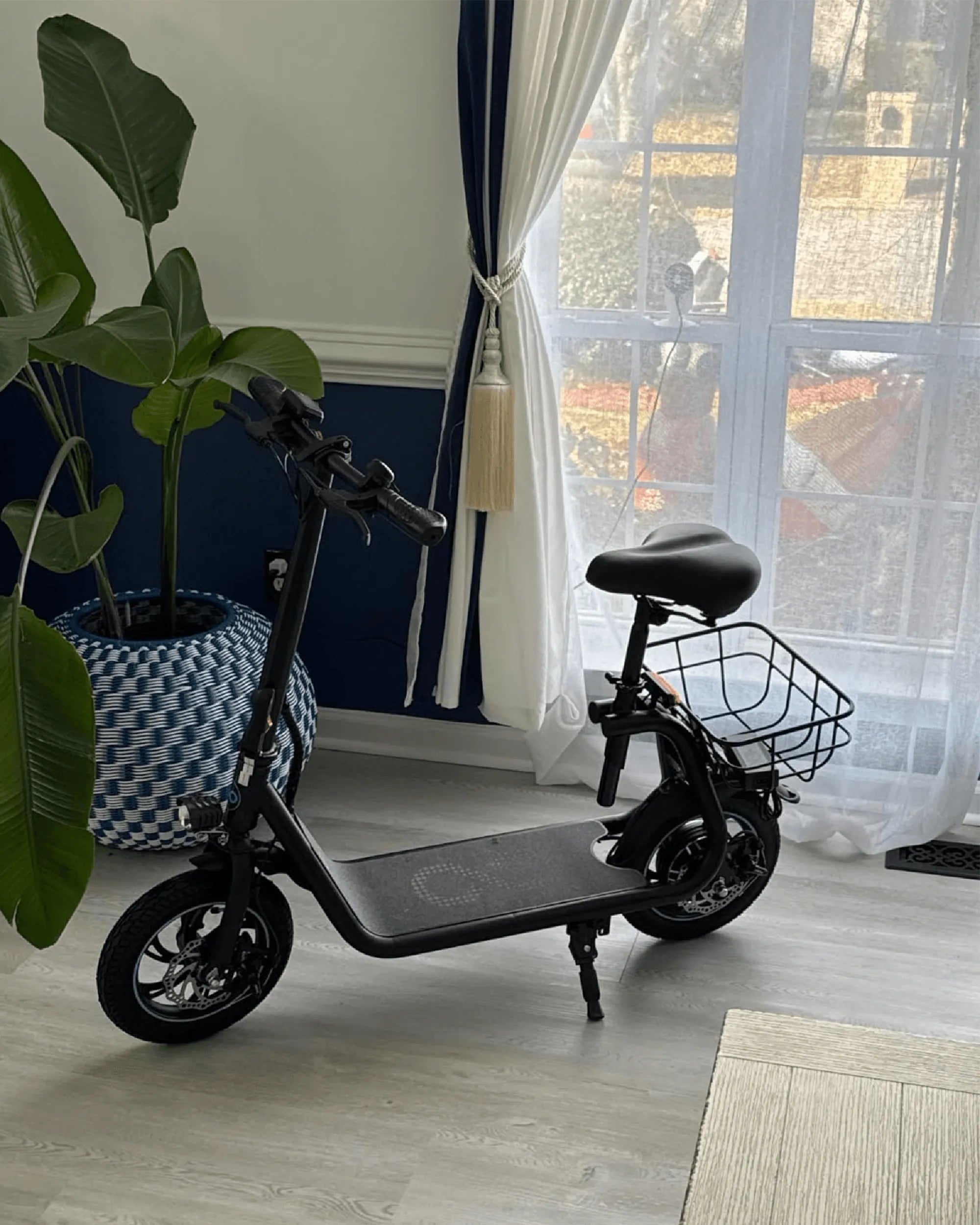
Ever wondered what makes an electric bike go faster? Whether you're a commuter looking to shave minutes off your ride or an enthusiast chasing adrenaline, understanding the key factors behind e-bike speed can transform your experience. From motor power to rider technique, let's dive into the elements that unlock higher speeds and smoother rides.
Motor Power and Performance
The heart of any electric bike is its motor. A higher-wattage motor delivers more torque, allowing the bike to accelerate faster and maintain higher speeds, especially on inclines. Motors typically range from 250W to 750W or even 1000W for high-performance models. While legal limits may restrict motor power in some regions, upgrading within permissible limits can significantly boost speed.
Battery Voltage and Efficiency
Voltage plays a crucial role in determining how fast an electric bike can go. A higher voltage battery (e.g., 48V or 52V) provides more power to the motor, enabling faster acceleration and sustained top speeds. Additionally, battery capacity (measured in amp-hours) affects range, ensuring consistent performance over longer distances.
Weight and Aerodynamics
Reducing weight is one of the simplest ways to increase speed. Lighter frames, components, and even the rider's gear can make a noticeable difference. Aerodynamics also matter—streamlined designs, tucked riding positions, and minimal wind resistance help e-bikes slice through the air more efficiently.
Tire Choice and Pressure
Tires influence rolling resistance and grip. Slimmer, high-pressure tires reduce friction, allowing the bike to move faster with less effort. However, tread pattern and rubber compound should match riding conditions to balance speed and safety.
Controller and Software Tweaks
The controller acts as the brain of the e-bike, regulating power delivery from the battery to the motor. Upgrading the controller or adjusting software settings (where legal) can unlock hidden performance, though this should be done cautiously to avoid overheating or damaging components.
Gearing and Pedal Assistance
Proper gearing ensures the motor operates efficiently at higher speeds. Combining pedal assistance with motor power maximizes output, especially when the rider contributes to the effort. Higher cadence and smooth shifting also help maintain momentum.
Terrain and Riding Conditions
Flat, smooth surfaces naturally allow for faster speeds compared to rough or hilly terrain. Tailoring your e-bike setup to common riding conditions—such as urban streets or off-road trails—can optimize performance where it matters most.
Legal and Safety Considerations
Before making any modifications, check local regulations regarding e-bike speed limits and motor power. Safety should always come first—ensure brakes, lights, and other critical components are upgraded to handle increased speeds.
Ready to leave slower rides behind? By fine-tuning these factors, you can unlock your electric bike's full potential and enjoy a faster, more exhilarating journey every time you hit the road.
Electric Trike for Teens: The Ultimate Guide to Fun and Safe Riding
Best Electric Bike Under 2000 UK: Top Picks for Affordable E-Bikes