



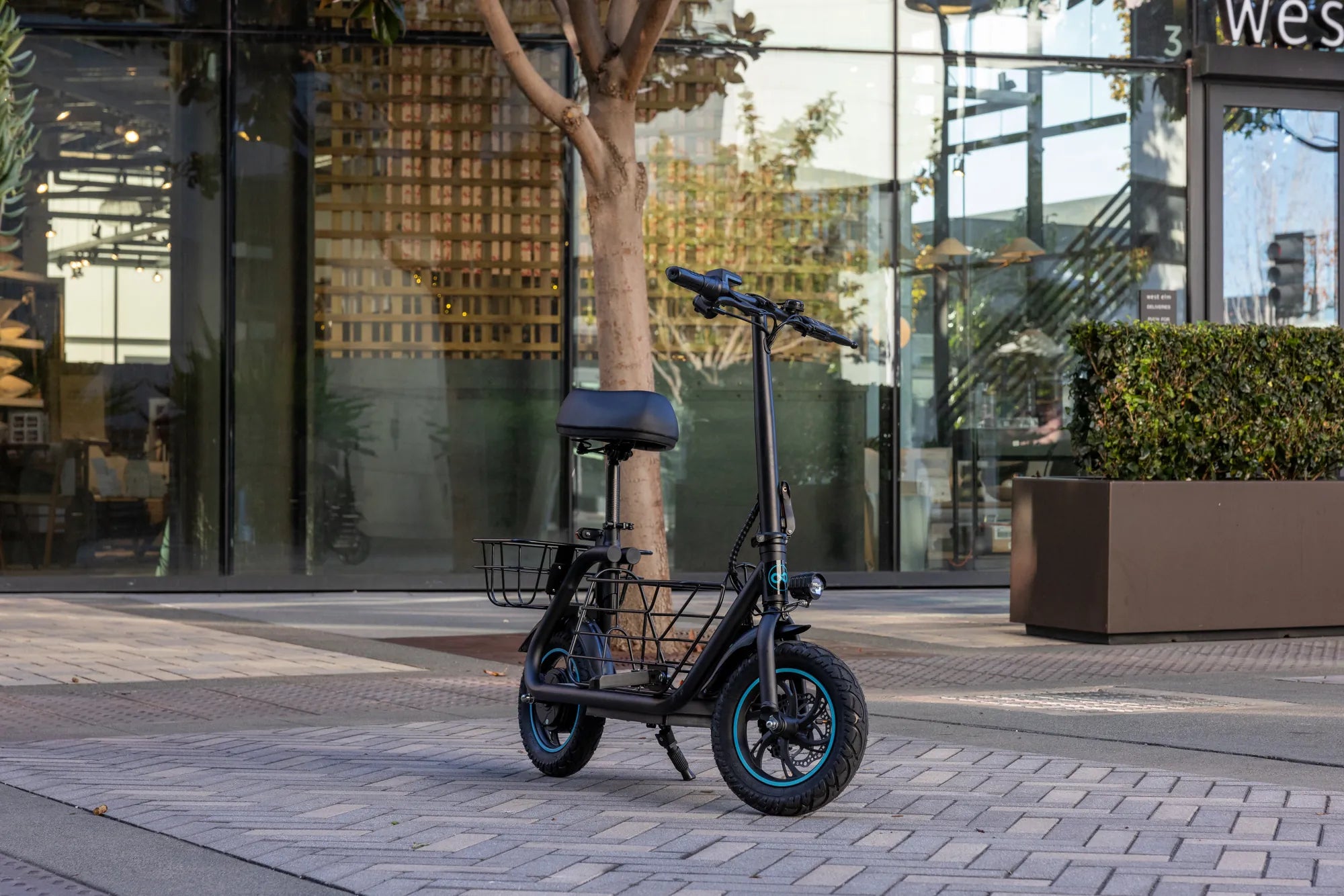
Introduction: Finding the Perfect Fit for Your Young Rider
Selecting the right electric scooter for an 8-year-old is a critical decision that directly impacts safety, confidence, and long-term riding enjoyment. The question of what size scooter for an 8 year old is best answered by looking beyond age alone to a balance of physical dimensions, motor capability, and built-in safety controls. A scooter that is too large or powerful can be intimidating and unsafe, while one that is too small may be outgrown quickly and lack the stability needed for learning.
This guide provides a factual, data-driven framework to help you make an informed choice. We will analyze the key specifications that matter most for this age group, from deck height to braking systems. Leading brands like Gyroor design youth models with these precise considerations in mind, prioritizing UL-certified battery safety and manageable power outputs to build rider confidence from the first push-off.
By the end of this article, you will understand how to match a scooter's physical and technical specifications to your child's unique stature and skill level. The goal is to empower your young rider with a vehicle that feels like an extension of their control, not a challenge to it. Getting the size right is the foundational step toward countless hours of safe, independent fun.
Key Factors in Sizing an E-Scooter for an 8-Year-Old
Determining what size scooter for an 8 year old is appropriate requires evaluating several interconnected factors. While age provides a general starting point, a child's individual height, weight, and coordination are far more precise indicators for a proper fit. The ideal scooter offers a stable platform and intuitive controls that match the rider's physical capabilities.
Ignoring these factors can lead to a poor riding experience. A scooter with a deck too high forces an awkward, tiptoe stance when stopping, compromising balance. Handlebars set too wide or too narrow affect steering precision and comfort. The core metrics of rider height, weight capacity, and wheel size form the essential trifecta for sizing.
Rider Height and Deck/Handlebar Dimensions
The most immediate factor is the rider's height, which should dictate the scooter's deck-to-handlebar geometry. For the typical 8-year-old, who often stands between 45 and 52 inches tall (114-132 cm), the scooter's deck height should allow them to place both feet flat on the deck with a slight bend in the knees. This posture is crucial for maintaining balance during starts, stops, and turns.
Handlebar height is equally important. When standing on the deck, the handlebars should reach between the child's waist and lower chest. This position allows for an upright, comfortable riding posture with elbows slightly bent, enabling effective steering control without straining the shoulders or back. Adjustable handlebars are a significant advantage, allowing the scooter to adapt to a growing child over a season or two.
Weight Capacity and Motor Power
The scooter's maximum weight capacity must safely exceed the child's weight. For an 8-year-old weighing 50 to 70 pounds (23-32 kg), a scooter with a weight limit of 120 to 150 pounds provides a necessary safety buffer. This accounts for the dynamic forces of riding, the weight of a backpack, and ensures the frame and components are not stressed to their limit.
Motor power should be commensurate with the rider's weight and experience. A motor in the 100W to 150W range is typically ideal for this age group. It provides enough torque for gentle inclines and a responsive start without delivering excessive, potentially frightening speed. This power band offers a fun and zippy feel while remaining within a controllable threshold for a young rider's developing reflexes.
Wheel Size and Terrain Considerations
Wheel diameter directly influences stability and ride comfort. For 8-year-olds, wheels in the 6-inch to 8-inch range offer the best compromise. Larger wheels roll over small cracks, pebbles, and pavement imperfections more smoothly than smaller, solid plastic wheels, providing a more stable and confident ride. This increased stability is vital for building a beginner's confidence.
Air-filled (pneumatic) tires, while requiring occasional maintenance, offer superior shock absorption and traction compared to solid rubber tires. This makes them a worthwhile consideration if the child will be riding on slightly uneven surfaces like driveway aprons or park paths. The right wheel setup can transform a bumpy, intimidating ride into a smooth, enjoyable one.
Safety Features Non-Negotiables for Young Riders
When evaluating what size scooter for an 8 year old is suitable, safety specifications are not optional extras; they are foundational requirements. The right size becomes meaningless if the scooter lacks critical safety controls. These features act as a digital and mechanical safety net, protecting the rider as they learn and explore.
Parents should prioritize models engineered with young, novice riders in mind. This means built-in speed governors, reliable braking systems designed for smaller hands, and certifications that verify electrical and structural integrity. A safe scooter empowers a child with independence while giving parents tangible peace of mind.
Speed Limits and Adjustable Modes
A speed cap is the most important electronic safety feature for a child's e-scooter. A maximum speed of 10-12 mph (16-19 km/h) is widely considered the safe upper limit for an 8-year-old. This speed allows for a thrilling sense of movement while keeping the scooter within the child's reaction-time capabilities and making falls less severe.
Beginner or training modes are equally valuable. These modes often limit the scooter to 5-7 mph, allowing the child to master balance, steering, and braking in a controlled environment. As their skill and confidence grow, parents can unlock higher speed settings. This progressive approach aligns perfectly with a child's learning curve.
Braking System: Responsiveness is Key
The braking system must be intuitive and require minimal hand strength to activate. For young riders, a combination brake system is often optimal. An electronic (e-brake) or disc brake on the rear wheel, supplemented by a foot fender brake, provides redundant stopping power. The child can use the hand brake for primary stopping and instinctively press down on the rear fender with their foot for additional stability.
Disc brakes offer strong, modulated stopping power but must be properly adjusted. Drum brakes are often more enclosed and require less maintenance. Whichever system is used, it must be tested by the parent to ensure it can bring the scooter to a smooth, straight-line stop from its top speed without locking the wheels or causing a skid.
Build Quality, Certification, and Warranty
Build quality is a passive safety feature. A robust frame, securely fastened components, and non-slip deck tape prevent accidents caused by mechanical failure. Look for scooters that use high-grade aluminum alloys, which offer strength without excessive weight, making the scooter easier for a child to maneuver and carry.
Electrical safety is paramount. A UL 2272 certification for the battery pack and electrical system is a non-negotiable indicator of fire safety, having passed rigorous stress tests. Furthermore, a comprehensive warranty, such as Gyroor's reliable 1-year coverage, signals a brand's confidence in its product's durability and its commitment to supporting the customer post-purchase.
Gyroor Models: A Data-Driven Look at the Best Fit
Applying the sizing and safety principles reveals how specific models align with the needs of an 8-year-old rider. Gyroor's lineup includes options designed with youth-friendly specifications, integrating the safety certifications and controllable power discussed. Below is a comparative analysis of key models to illustrate how their specs translate to real-world suitability.
Model Comparison: Specs Side-by-Side
| Model Feature | Gyroor S1 Max | Gyroor K1 | Consideration for Age 8 |
|---|---|---|---|
| Max Speed | 12 mph (19 km/h) | 10 mph (16 km/h) | Both within the ideal 10-12 mph safe range. The K1's lower max is perfect for absolute beginners. |
| Motor Power | 150W | 100W | 150W offers more pep for slight hills; 100W is ample for flat terrain and promotes cautious starts. |
| Weight Capacity | 154 lbs (70 kg) | 132 lbs (60 kg) | Both exceed typical 8-year-old weight, providing a large safety and growth buffer. |
| Wheel Size | 6.5" pneumatic | 6" solid rubber | Pneumatic tires (S1 Max) offer a smoother ride; solid tires (K1) are maintenance-free. |
| Key Safety Features | UL-certified battery, IPX5 water resistance, dual braking (disc + foot) | UL-certified battery, IPX5 water resistance, electronic + foot brake | UL certification is critical. IPX5 rating protects against puddle splashes. Dual braking ensures reliable stops. |
Why Gyroor's Design Philosophy Aligns with Young Riders
Gyroor's product development prioritizes the safety concerns of parents and the usability needs of children. The standard use of UL 2272-certified battery packs across their lineup directly addresses the foremost worry of battery safety, providing verified protection against thermal runaway. This certification is a concrete data point parents can trust.
The IPX5 water-resistant rating on models like the S1 Max and K1 is a practical feature for real-world use by kids. It means the scooter can withstand water jets from any direction, making it resilient against riding through accidental puddles or wet pavement. This durability, combined with a robust 1-year warranty and accessible customer support, reflects a brand that stands behind its products for the long term, making it a trusted choice for a child's first serious e-scooter.
Parent's Checklist: Before You Buy
Use this actionable, step-by-step checklist to evaluate any electric scooter for your 8-year-old. This process synthesizes the key factors of size, safety, and suitability into a clear decision-making framework.
Step 1: Measure Your Child. Record their current height and weight. Use these numbers as your primary filter when reviewing scooter specifications, especially deck height and weight capacity.
Step 2: Verify Physical Dimensions. Ensure the scooter's deck height allows for a flat-footed stance. Confirm the handlebar height reaches between the waist and chest. If possible, have your child stand on a similar model in a store.
Step 3: Audit Safety Specifications. Confirm a maximum speed of 10-12 mph and the presence of a beginner mode. Identify the braking system and ensure it is dual-redundant (e.g., hand brake plus foot brake).
Step 4: Check for Certifications. Look for the UL 2272 mark for the battery/electrical system. This is a non-negotiable safety certification. Also, note any IP water resistance rating (IPX5 or higher is beneficial).
Step 5: Review Warranty & Support. Read the warranty terms carefully. A comprehensive 1-year warranty that covers the battery, motor, and frame indicates quality and reliable post-purchase support.
Frequently Asked Questions (FAQ)
What is the ideal max speed for an 8-year-old's e-scooter?
The ideal maximum speed is between 10 and 12 mph (16-19 km/h). This range provides a fun and exciting sense of speed while remaining within the cognitive and reactive limits of a typical 8-year-old. It also ensures that if a fall occurs, the kinetic energy involved is relatively low, reducing the risk of serious injury. Scooters with beginner modes that start at 5-7 mph are highly recommended for the initial learning phase.
Are Gyroor scooters waterproof for kids riding in wet conditions?
Gyroor scooters like the S1 Max and K1 carry an IPX5 water resistance rating. This means they are protected against water jets from any direction, making them highly resistant to puddle splashes, wet streets, and light rain. However, they are not fully waterproof or submersible. They should not be ridden through deep standing water or in heavy downpours, and should be dried off after use in damp conditions to ensure longevity.
How does the warranty protect my purchase?
Gyroor's 1-year comprehensive warranty covers defects in materials and workmanship for the entire electric scooter, including the critical components: the UL-certified battery pack, motor, controller, and frame. This warranty provides peace of mind that if a manufacturing flaw arises, you have access to support and replacement parts. It is a strong indicator of the brand's confidence in the durability and safety of its products for family use.
Can the scooter handle small hills in my neighborhood?
Yes, but with important caveats. A scooter with a 150W motor, like the Gyroor S1 Max, will manage gentle inclines (grades of 5-10%) more effectively than a 100W model. However, steep hills should be avoided. They can drain the battery rapidly, overheat the motor, and challenge a young rider's control during descent. Always supervise initial rides on inclines and teach your child to reduce speed when going downhill.
How long does the battery last, and what's the charging time?
For youth-focused models, a typical battery will provide 6-9 miles of range on a single charge, which is ample for neighborhood adventures. Charging time usually ranges from 3 to 5 hours. It's essential to use only the provided UL-certified charger and to follow charging best practices: never leave the scooter charging unattended for extended periods, especially overnight, and avoid charging immediately after a ride when the battery is warm.
Conclusion: Confidence on Two Wheels
Determining what size scooter for an 8 year old is the correct fit is a multifaceted decision that blends ergonomics, engineering, and safety psychology. The right choice empowers your child with a thrilling taste of independence while anchoring their experience in security and control. By prioritizing a proper physical fit, capped speed, reliable brakes, and certified components, you invest in more than a toy; you invest in a confidence-building tool.
Brands that transparently offer these features, like Gyroor with its UL-certified batteries and robust warranties, align their products with the real-world needs of families. The result is a scooter that grows with the rider, providing safe fun today and the foundation for responsible riding habits tomorrow. Your due diligence now paves the way for countless smiles and safe returns home.
Ready to find the perfectly sized electric scooter for your young adventurer? Explore youth-focused models engineered for safety and fun. Browse the full Gyroor collection at gyroorboard.com to compare specifications and find the ideal match for your 8-year-old's next great adventure.
4000W Scooter: Ultimate Power, Performance, and Practical Guide
75cc Dirt Bike Top Speed: A Complete Guide to Performance & Safety