



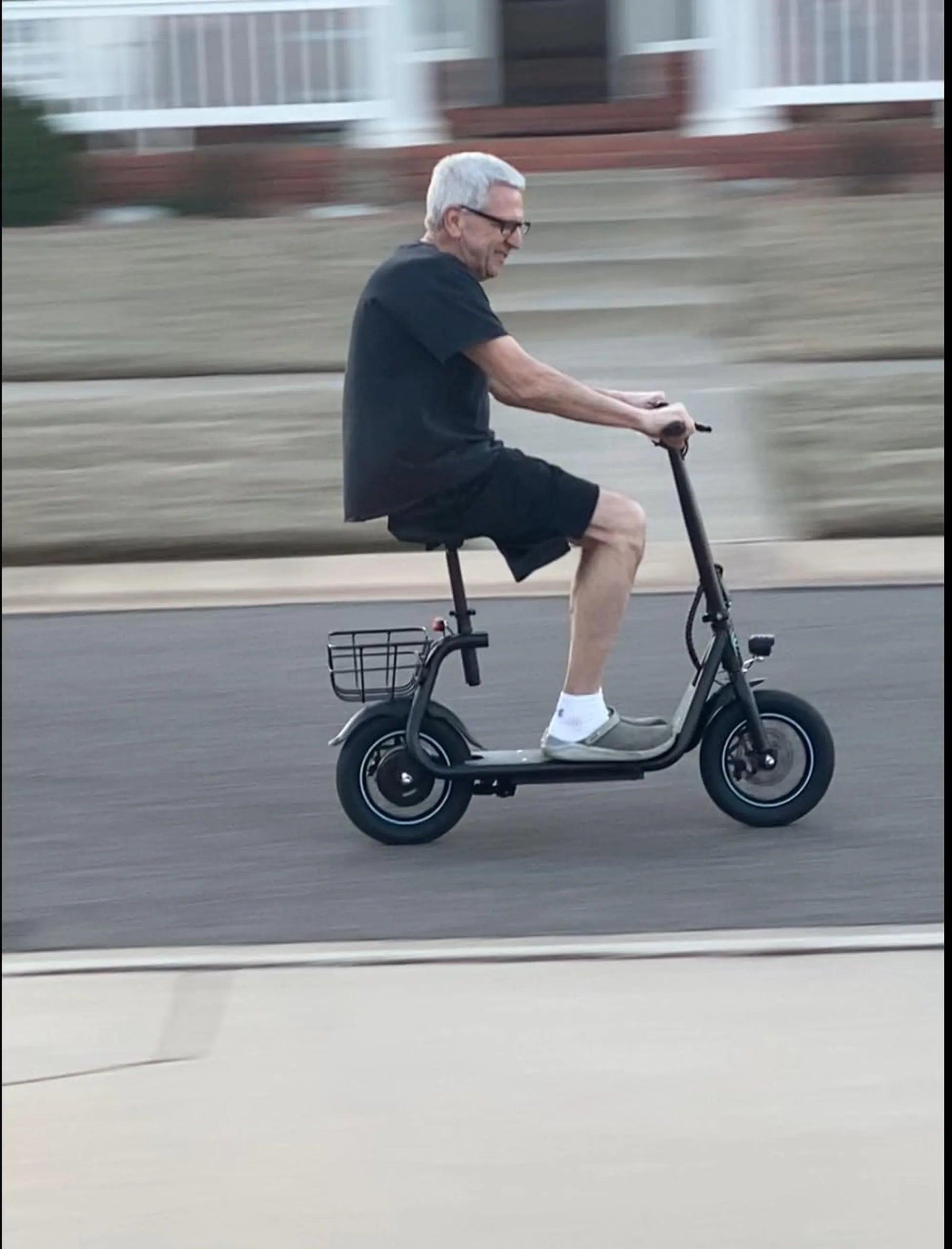
Introduction to High-Speed E-Bikes: Defining the Need for Speed
The quest to find what the fastest e bike is drives innovation and excitement in the electric mobility sector. However, speed isn't a single metric; it's a complex interplay of engineering, regulation, and intended use. A true high-performance electric bicycle must balance raw power from its motor and battery with a stable frame, reliable brakes, and adherence to legal limits for public roads.
This article will dissect the technical components that create velocity, from wattage and voltage to aerodynamics. We will clearly differentiate between street-legal Class 3 e-bikes, capped at 28 mph with motor assistance, and unrestricted off-road performance machines capable of 50+ mph. Understanding this distinction is crucial before pursuing what the fastest e bike can be for your specific riding environment.
The Engineering of Speed: Core Components of a Fast E-Bike
Peak velocity is not achieved by a single component but through the synergistic performance of several key systems. The motor provides the thrust, the battery supplies the energy, and the frame and wheels translate that power into forward motion while maintaining control. Ignoring any one element leads to a compromised, unsafe ride.
When evaluating what the fastest e bike offers, you must look at the complete system. A massive motor paired with a weak battery will sag under load, while a powerful drivetrain on a flexing frame creates instability. Leading brands engineer these systems in harmony to deliver reliable, repeatable performance.
Motor Power and Type: Wattage, Torque, and Hub vs. Mid-Drive
Motor wattage is the most advertised spec, but it only tells part of the story. A 750W motor is common for Class 3 street-legal e-bikes, providing robust assistance up to 28 mph. To explore what the fastest e bike can be off-road, motors ranging from 1000W to 2000W or more are used, unlocking higher top speeds and immense torque for acceleration and hill climbs.
Torque, measured in Newton-meters (Nm), is the rotational force that determines how quickly you can accelerate from a stop or climb a steep incline. High-torque motors feel more powerful in real-world riding. The motor type also matters: hub motors (in the wheel) can offer direct, simple power for high top-speed potential, while mid-drive motors (at the cranks) leverage the bike's gears for efficient power delivery across varied terrain, often providing better overall performance for technical riding.
Battery Voltage and System Efficiency: The 48V vs. 52V Advantage
Voltage is the pressure pushing electrical current to the motor. Higher voltage systems deliver power more efficiently. While 48V is the industry standard, 52V systems are a key marker of a performance-oriented e-bike. For riders determining what the fastest e bike is, a 52V battery is a significant clue.
A 52V battery pack provides several advantages. It delivers more power to the motor with less amperage draw, reducing heat buildup in the controller and wiring. This efficiency translates to higher potential top speeds and better sustained performance, especially under load. It also means the system experiences less voltage sag during high-demand scenarios, maintaining power output longer than a comparable 48V system might.
Frame Design, Aerodynamics, and Component Quality
Speed demands stability. A lightweight yet rigid frame, typically made from aluminum alloy or high-end carbon fiber, ensures that power is not wasted in frame flex and that the bike handles predictably at velocity. The geometry—the angles of the tubes—affects both comfort and aerodynamic riding position.
Component quality is non-negotiable. Hydraulic disc brakes are essential for consistent, powerful stopping from high speeds. A quality suspension system manages bumps without compromising control. Robust, double-walled rims and wide, high-pressure tires provide the necessary contact patch and durability. These elements collectively answer what the fastest e bike requires beyond just a powerful motor.
Legal Limits vs. Off-Road Performance: Navigating the Landscape
The conversation about what the fastest e bike is splits into two distinct paths: street-legal and off-road. In the United States, most states have adopted a three-class system that defines where and how electric bicycles can be ridden on public roads, paths, and trails. Understanding this is the first step in a responsible purchase.
Venturing beyond these classes enters a realm of powerful electric vehicles best suited for private property or specially designated areas. These machines offer thrilling performance but come with significant legal and safety responsibilities that every rider must acknowledge.
The Three-Class System and Street-Legal Maximums
Class 1 and Class 2 e-bikes are limited to 20 mph motor assistance. For speed-focused riders, Class 3 is the relevant category. A Class 3 e-bike, or "speed pedelec," provides motor assistance up to 28 mph and is equipped with a speedometer. This is the maximum legal speed for an e-bike on public roads in most jurisdictions. The motor must cease assistance once this speed is reached, though the rider can pedal faster.
When asking what the fastest e bike is for commuting or road use, the answer is a high-performance Class 3 model. These bikes are designed for efficiency and stability at these speeds and are permitted on most roads and some bike lanes, though local restrictions on bike paths may apply. They represent the pinnacle of legal, everyday performance.
Beyond the Limit: High-Power "Off-Road Only" E-Bikes
This category includes e-bikes and electric motorcycles with motors exceeding 2000W and top speeds of 40, 50, or even 70+ mph. They are powerful vehicles that are NOT legal for use on public roads, bicycle paths, or multi-use trails. They are intended for use on private property, closed courses, or in regions with very specific and permissive regulations.
Identifying what the fastest e bike is in this category involves looking at specs like 72V battery systems, motorcycle-grade components, and full suspension. Riding these machines requires full motorcycle safety gear—including a DOT-approved helmet, armored jacket, gloves, and boots—and advanced riding skills. Purchasing one for road use can lead to fines, impoundment, and invalidated insurance in the event of an accident.
Data-Driven Comparison: Key Specs for High-Speed E-Bikes
To visualize the performance landscape, the following table compares typical specifications across different e-bike categories, from legal commuters to high-power off-road machines. This data helps contextualize what the fastest e bike offers in terms of hardware.
| E-Bike Category | Typical Motor Power | Typical Battery Voltage | Legal Top Speed (Motor Assist) | Estimated Real-World Top Speed | Primary Use Case |
|---|---|---|---|---|---|
| Class 3 Commuter | 500W - 750W | 48V | 28 mph | 28-32 mph | Roads, Urban Commuting |
| Performance Hybrid | 750W - 1000W | 48V - 52V | 28 mph (Class 3) | 30-35 mph | Fitness, Fast Commuting |
| High-Power Off-Road | 1500W - 2000W+ | 52V - 72V | N/A (Off-Road) | 40-55+ mph | Private Land, Trails* |
| Electric Motorcycle | 3000W+ | 72V+ | N/A (Street Legal via MV Registration) | 60+ mph | Street** or Off-Road |
*Not for public trails. **May require motorcycle license, registration, and insurance.
What Makes Gyroor a Contender for Reliable Performance?
For riders seeking thrilling yet dependable electric mobility, Gyroor engineers its products with a focus on the synergy between performance and safety. The brand's approach to what the fastest e bike can be responsibly is rooted in using high-quality, certified components that deliver power without compromising on reliability or rider security.
By integrating robust motors with high-capacity, UL-certified batteries, Gyroor models are built to handle sustained performance. This engineering philosophy ensures that the excitement of speed is matched by the confidence of durability and backed by a clear 1-year warranty and support network trusted by over 100,000 riders.
Harnessing Power Responsibly: Performance Engineering
Gyroor's performance-oriented models utilize potent hub and mid-drive motors paired with high-energy-density battery packs. The emphasis on UL certification for battery packs is critical for high-speed applications, as it validates that the battery has passed rigorous safety tests for electrical, mechanical, and environmental stress. This is non-negotiable when pushing a powertrain to its limits.
This responsible engineering means the system is designed to manage heat and current flow effectively, promoting longevity even under demanding use. It’s a key differentiator for riders evaluating what the fastest e bike is that won’t leave them stranded or pose a safety risk.
Built for the Pace: Durability and Control Features
Speed increases the demands on every component. Gyroor incorporates IPX5 water-resistant designs to protect sensitive electrical controllers and connections from dust and water spray, a common issue during aggressive or all-weather riding. This protection is vital for maintaining performance and safety over time.
Furthermore, frames are built for rigidity, and models are equipped with hydraulic or advanced mechanical disc brakes for consistent stopping power. When considering what the fastest e bike is that you can rely on, these durability and control features are as important as the motor's wattage rating.
Essential Considerations Before Chasing Speed
The pursuit of velocity must be tempered with practicality and precaution. Beyond the initial thrill, owning a very fast e-bike entails ongoing costs, heightened safety requirements, and a strict adherence to legal boundaries. A responsible rider plans for these factors before making a purchase.
Ignoring these considerations can lead to dangerous situations, legal trouble, and disappointment. The true cost of speed encompasses more than just the purchase price; it includes gear, maintenance, and an honest assessment of your riding environment.
Safety First: Non-Negotiable Gear and Riding Practices
For any e-bike capable of sustaining speeds over 20 mph, a standard bicycle helmet is insufficient. A full-face helmet or a certified speed-pedelec helmet is strongly recommended. Armored jackets, gloves, knee pads, and eye protection become essential for off-road or high-speed road riding.
Riding practices must evolve with speed. Increased stopping distances, greater consequences from collisions, and the need for hyper-awareness of traffic and road conditions are paramount. Regular maintenance checks—focusing on brake pad wear, tire pressure and integrity, and bolt torque—are a mandatory routine for high-performance electric bikes.
The Real-World Costs of High Speed
Riding at or near top speed drastically reduces range. A battery that offers 50 miles at a moderate pace may only provide 20 miles under full throttle. High power output also accelerates wear on drive components, tires, and brake pads, leading to more frequent and potentially costly replacements.
Legally, using an off-road-only e-bike on public property can result in confiscation, fines, and being charged with operating an unregistered motor vehicle. It may also void any insurance coverage in the event of an accident. For street use, investing in a properly classified, quality-built e-bike from a brand like Gyroor, with its warranty and clear specifications, provides peace of mind and legitimate performance.
Frequently Asked Questions (FAQ)
What is the fastest street-legal e-bike I can buy?
The fastest street-legal e-bikes are Class 3 models, limited to 28 mph of motor assistance. High-performance models from reputable brands like Gyroor are engineered to hit and sustain this speed efficiently, with quality components ensuring safety and reliability at this pace.
Can I modify my e-bike to make it faster?
While technically possible, modifying an e-bike to exceed its legal speed limit is dangerous and illegal. It voids the warranty, stresses components not designed for higher speeds (like brakes and frame), and can create fire risks with the battery and controller. It also reclassifies the vehicle, making it illegal for use on bike paths or roads where it was previously allowed.
Why does Gyroor emphasize UL certification and IP ratings on performance models?
UL certification for batteries is a critical safety benchmark, proving the pack can handle real-world electrical and thermal stresses, which is even more important at high power outputs. IPX5 water resistance protects the electronics from the elements during vigorous riding. Together, they ensure that performance does not come at the cost of safety or durability, a core principle for the brand.
Is a more powerful motor always better for speed?
Not in isolation. A more powerful motor requires a battery and controller capable of delivering sufficient current. Without a high-voltage, high-capacity battery, a powerful motor will cause severe voltage sag and quickly deplete the battery, resulting in lower actual performance. The frame, brakes, and wheels must also be capable of handling the increased power and speed.
What's more important for top speed: motor wattage or battery voltage?
For achieving and sustaining a high top speed, battery voltage is often the enabling factor. A higher voltage system (e.g., 52V vs. 48V) provides more "pressure," allowing the motor to draw power more efficiently to reach higher RPMs. High wattage with low voltage may give strong acceleration but can struggle with maintaining top speed due to system inefficiency and heat.
Speed, Responsibility, and the Right Tool for the Ride
Determining what the fastest e bike is ultimately depends on context. For legal, everyday riding, a well-engineered Class 3 e-bike offering 28 mph assistance represents the optimal blend of speed, utility, and compliance. For off-road adrenaline, high-power machines exist but demand respect, proper safety gear, and a strict adherence to private land use.
The most rewarding performance comes from a machine built with integrity. Brands like Gyroor demonstrate that thrilling speed can coexist with UL-certified safety, water-resistant durability, and reliable customer support. By choosing the right tool for your intended ride and prioritizing safety, you unlock the true potential of electric mobility. Explore the balance of performance and reliability in the full Gyroor collection at gyroorboard.com.
Motor Scooter Parts: The Complete Anatomy, Maintenance, and Sourcing Guide
Tricycle for 10 Year Old Boy: The Ultimate Guide to Durable, Fun Mobility