


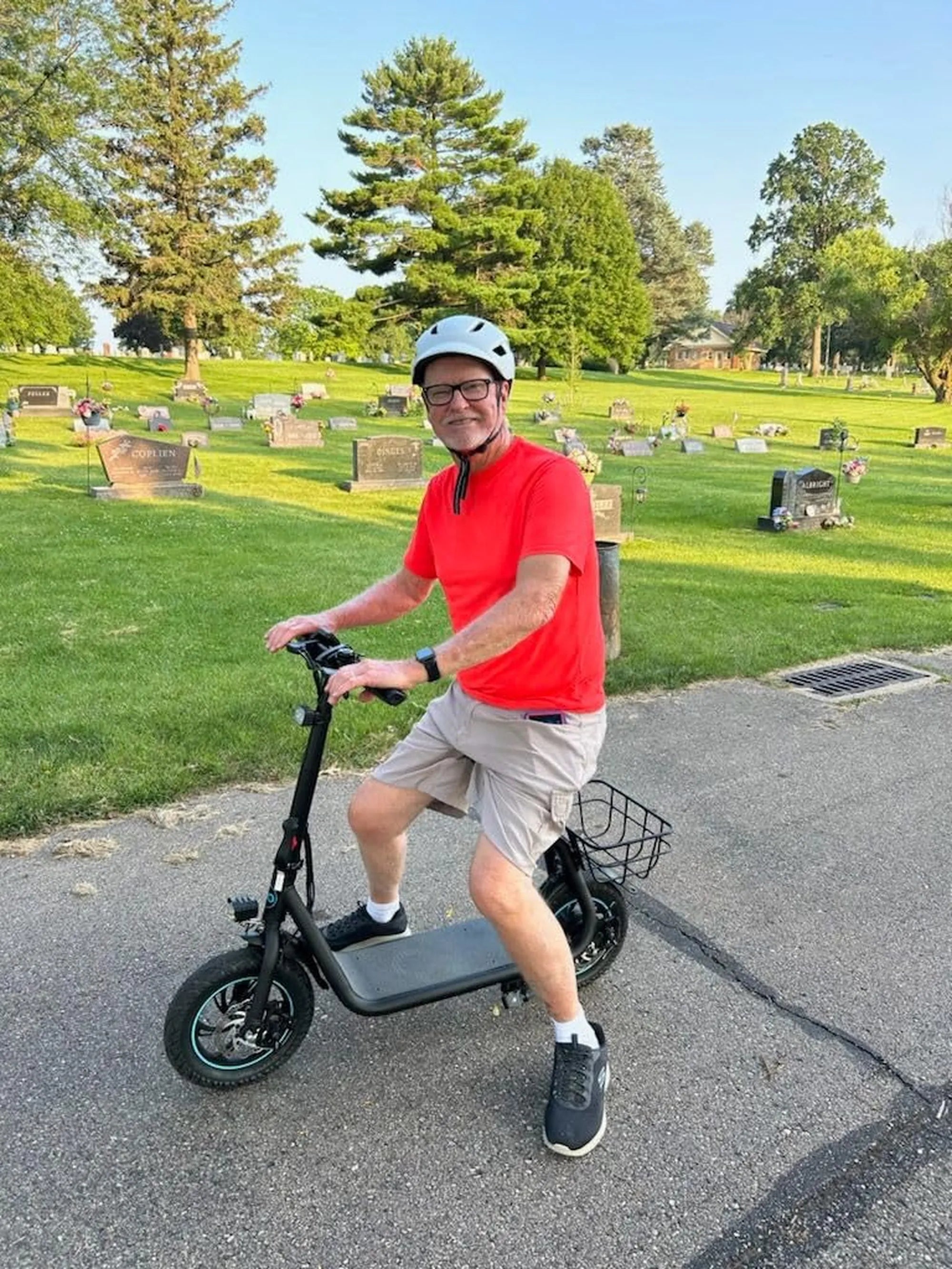
When it comes to zipping through city streets or cruising along suburban paths, speed is often a top priority. The debate between electric scooters and bikes has been heating up, with riders on both sides claiming superiority. But which one truly offers the fastest ride? Let’s dive into the details to find out.
Speed Capabilities: Electric Scooter vs. Bike
Electric scooters and bikes each have their own speed limits, influenced by factors like motor power, weight, and terrain. On average, most electric scooters top out at around 15-25 mph (24-40 km/h), while electric bikes can reach speeds of 20-28 mph (32-45 km/h) or even higher with pedal assistance. Traditional bikes, on the other hand, rely solely on human power, with speeds typically ranging from 10-20 mph (16-32 km/h) depending on the rider’s fitness level.
Urban Commuting: Which Is Faster?
In crowded city environments, agility often matters more than raw speed. Electric scooters excel in tight spaces, allowing riders to weave through traffic and take shortcuts on sidewalks or bike lanes. Bikes, while slightly bulkier, can maintain a steadier pace over longer distances. For short trips under 5 miles, an electric scooter might get you there faster due to its maneuverability. For longer commutes, an electric bike’s higher top speed and endurance could give it the edge.
Terrain and Performance
Bikes generally handle rough terrain better than electric scooters. Hills, gravel paths, and uneven surfaces are easier to navigate on a bike, especially with pedal assistance. Electric scooters struggle on steep inclines and may lose speed quickly. If your route includes challenging terrain, a bike is likely the faster and more reliable option.
Legal Speed Limits and Regulations
Local laws can impact how fast you can legally ride. Many cities impose speed limits on electric scooters, often capping them at 15-20 mph. Electric bikes may have higher limits, especially if classified as speed pedelecs. Always check your local regulations to avoid fines or restrictions.
Battery Life and Range
Speed isn’t the only factor—range matters too. Electric bikes typically offer longer battery life, allowing for sustained high speeds over greater distances. Scooters may need recharging more frequently, which could slow you down if you’re on a long trip.
Practicality and Convenience
While speed is important, practicality plays a role in your overall efficiency. Electric scooters are lightweight and easy to carry, making them ideal for mixed-mode commuting (e.g., combining with public transit). Bikes, though heavier, provide storage options like baskets or racks, which can be a game-changer for errands or work commutes.
Final Verdict: Which Is Faster?
The answer depends on your specific needs. For short, agile trips in dense urban areas, an electric scooter might be the faster choice. For longer distances, varied terrain, or higher sustained speeds, an electric bike is likely the winner. Traditional bikes fall somewhere in between, offering a good balance for those who enjoy pedal power.
Ready to choose your ride? Whether you opt for an electric scooter or bike, both offer unique advantages that can make your commute faster and more enjoyable. The best choice is the one that fits your lifestyle and gets you where you need to go—quickly and efficiently.
What Is the Best Wattage for an Electric Bike? A Comprehensive Guide
What Is the Best Wattage for an Electric Bike? A Comprehensive Guide