



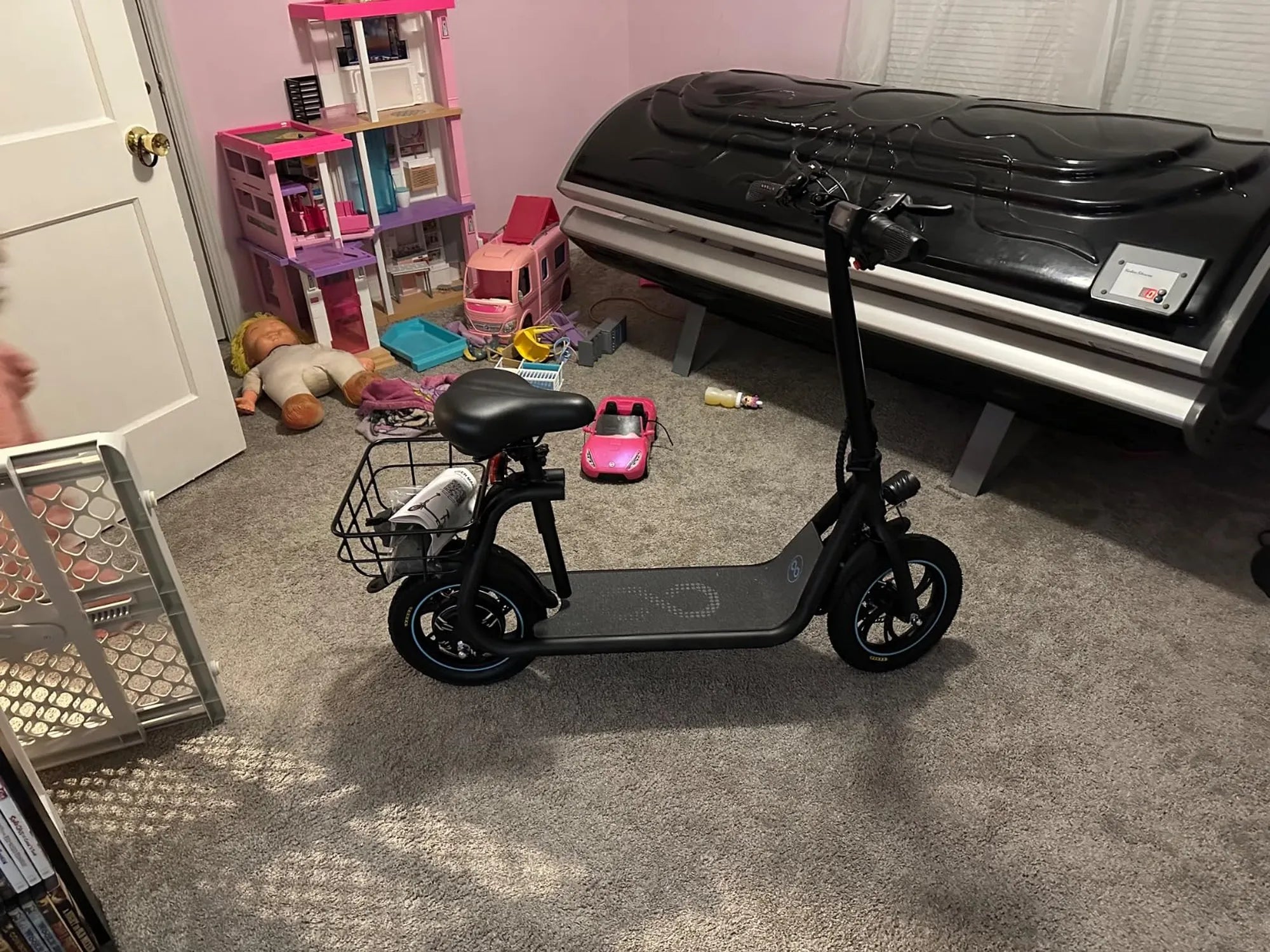
If you've ever wondered, what's the difference between an ebike and an electric bike?, you're not alone. Many people use these terms interchangeably, but subtle distinctions set them apart. Whether you're a commuter, a fitness enthusiast, or just curious about eco-friendly transportation, understanding these differences can help you make an informed choice. Let's dive into the details.
Defining Ebikes and Electric Bikes
At first glance, ebikes and electric bikes might seem identical, but their classifications vary depending on regional regulations and technical specifications. Generally, an ebike refers to a bicycle with pedal-assist technology, meaning the motor only engages when the rider pedals. On the other hand, an electric bike often implies a broader category that includes throttle-operated models, which can propel the bike without pedaling.
How They Work: Pedal-Assist vs. Throttle
The primary difference lies in their operation. Ebikes typically feature a pedal-assist system (PAS), where the motor provides power proportionally to the rider's pedaling effort. This makes them ideal for those who want a boost while still getting exercise. In contrast, electric bikes may include a throttle, allowing riders to cruise without pedaling, similar to a scooter or motorcycle.
Legal Classifications and Speed Limits
Laws governing ebikes and electric bikes vary by country. In many regions, ebikes are classified based on their maximum assisted speed (e.g., 20 mph or 25 km/h) and motor wattage (often capped at 250W–750W). Electric bikes with throttles may face stricter regulations or require licensing, especially if they exceed certain speed or power thresholds. Always check local laws before purchasing.
Battery and Range Considerations
Both ebikes and electric bikes rely on rechargeable batteries, but their efficiency depends on usage. Ebikes with pedal-assist tend to have longer ranges since the rider contributes to propulsion. Electric bikes with throttles may drain batteries faster, especially on hilly terrain or at higher speeds. Battery capacity, measured in watt-hours (Wh), is a key factor in determining how far you can travel on a single charge.
Ideal Use Cases: Which One Suits You?
Choosing between an ebike and an electric bike depends on your needs. If you want a workout with occasional assistance, an ebike is a great fit. For those who prefer effortless commuting or have mobility challenges, an electric bike with a throttle might be more convenient. Consider factors like terrain, distance, and local regulations to make the best decision.
Ready to explore the world of electric-powered cycling? Whether you opt for an ebike or an electric bike, both offer eco-friendly, efficient alternatives to traditional transportation. The right choice depends on how you plan to ride—so get out there and enjoy the journey!
Electric Scooter Keeps Shutting Off: Causes and Solutions
60V Dual Motor Electric Scooter: The Ultimate Guide to Power and Performance