



The Quest for Reliability in the Dirt Bike World
What's the most reliable dirt bike brand? For riders, reliability isn't a luxury; it's the foundation of every adventure. It means your bike starts when you hit the button, handles punishing terrain without failure, and spends more time on the trail than in the garage.
This search for dependability hinges on three core elements: engineering durability, a robust parts and service network, and a model's proven track record under stress. The answer varies dramatically based on whether you're a motocross racer, a weekend trail explorer, or a hardcore enduro rider.
This analysis moves beyond brand loyalty to examine hard data, long-term owner reviews, and the mechanical philosophies that separate the truly dependable from the merely high-performing. We'll identify which brands and specific models have earned a reputation for unshakeable reliability across different riding disciplines.
Defining Dirt Bike Reliability: The Key Metrics
Reliability in the dirt bike world is a multi-faceted concept. It's measured not just by how rarely a bike breaks, but by how easily it can be fixed and how well it endures its intended use.
Primary factors include engine longevity, frame and component durability, and the frequency of required adjustments or repairs. A bike that needs constant valve adjustments or suffers from recurring electrical gremlins is not reliable, regardless of its peak horsepower.
Equally critical is the support ecosystem. A reliable bike is backed by readily available parts, comprehensive service manuals, and a knowledgeable dealer network. A machine with no available pistons or obscure bearings is unreliable by definition, no matter how well it's built.
Finally, reliability is contextual. A bike built for professional-level motocross is engineered for maximum performance with intensive maintenance schedules. Calling it "unreliable" because it can't tolerate neglect is like criticizing a Formula 1 car for poor fuel economy.
Engineering and Build Quality: The Foundation
At the heart of reliability is over-engineering. Brands known for durability often use conservative tuning, robust materials, and proven designs. Honda's decades-long use of the Unicam engine architecture in its CRF250R/450R models is a testament to refining a reliable platform.
Suspension components from manufacturers like KYB (Yamaha), Showa (Honda, Kawasaki), and WP (KTM, Husqvarna) are generally high-quality, but their setup and durability under load vary. A well-valved, robust fork is less likely to fade or leak during a long, hard ride.
Attention to detail in assembly, wiring harness protection, fastener quality, and corrosion resistance on frame coatings all contribute to a bike's ability to withstand the elements and vibration. These are often the differentiators between brands at similar price points.
The Critical Role of Parts and Dealer Support
A bike can only be as reliable as your ability to maintain it. Brands with vast, established distribution networks—like Honda, Yamaha, Kawasaki, and Suzuki—offer a significant advantage. Finding an oil filter, clutch lever, or gasket kit is often a same-day affair at any local dealership or online retailer.
For European brands like KTM, Husqvarna, and Beta, the network is denser in urban and riding-hotspot areas but can be sparse elsewhere. Owning one requires more planning for parts, though online ordering has mitigated this substantially. A strong local dealer is a massive component of a hassle-free ownership experience.
The Major Japanese Contenders: A Legacy of Dependability
The Japanese "Big Four" have built their global reputations on reliability and refined engineering. Their approaches, however, have distinct nuances.
Honda: The Benchmark for Bulletproof Engineering
Honda's reputation for reliability is nearly unparalleled, rooted in a philosophy of over-engineering and conservative tuning. Their air-cooled XR series and its modern successor, the CRF-F trail bike line (e.g., CRF250F, CRF450RL), are legendary for their ability to withstand neglect and abuse while requiring minimal maintenance.
Even their high-performance CRF-R motocross bikes are known for robust engines, though they demand strict adherence to maintenance schedules like all modern race bikes. Honda's widespread dealership network and massive aftermarket parts availability make ownership straightforward. For a rider prioritizing sheer mechanical longevity with minimal fuss, Honda consistently tops the list.
Yamaha: The Refined and Dependable Performer
Yamaha strikes an exceptional balance between innovation, performance, and reliability. Their four-stroke engine technology, particularly the crossplane crankshaft in the YZ450F, is both high-performing and durable. The YZ250F and YZ450F are staples in motocross for their strong, dependable engines and class-leading KYB suspension.
For off-road, the WR250F and WR450F are dual-sport/enduro legends, known for their ruggedness and smooth power delivery. Yamaha's build quality is consistently high, with excellent attention to detail. They are often cited in owner surveys as having fewer chronic issues than some competitors, making them a top-tier choice for reliability across multiple disciplines.
Kawasaki and Suzuki: The Value-Driven Workhorses
Kawasaki ("The Green Team") builds robust machines that offer tremendous value. The KX motocross models are known for strong, linear power and solid overall construction. The KLX trail bike series, particularly the KLX230 and KLX300R, are modern interpretations of the simple, reliable dual-sport, prized for their low maintenance and accessibility.
Suzuki's presence has diminished but remains significant. The DR-Z400 is a cult classic, arguably one of the most reliable dual-sport engines ever made—air-cooled, simple, and virtually indestructible. Their RM-Z motocross bikes are also known for good reliability, though parts sourcing can sometimes be trickier than for Honda or Yamaha. Both brands offer a compelling mix of toughness and affordability.
The European Performance Trio: Precision with a Maintenance Premium
KTM, Husqvarna, and GasGas, all under the Pierer Mobility AG umbrella, represent the cutting edge of off-road performance. Their definition of reliability is different, focused on delivering peak performance without failure during competition.
KTM / Husqvarna / GasGas: High-Strung Thoroughbreds
These Austrian-engineered bikes are packed with premium components—Brembo brakes, WP XACT suspension, CNC-machined triple clamps, and lightweight frames. Their engines are powerful and responsive. However, their "ready-to-race" philosophy means they are tuned for maximum output and require more meticulous, frequent maintenance than a Japanese trail bike.
When maintained per the manual—which often means shorter oil change intervals and more frequent valve checks—they can be exceptionally reliable. Neglect, however, is punished quickly. Their dealer network is strong in off-road communities, and parts support is excellent for current models. For the rider who views maintenance as part of the hobby, they offer reliable high performance.
Niche Specialists: Beta and Sherco
For hardcore enduro and trials riders, Italian Beta and French Sherco have passionate followings. These are low-volume, hand-assembled machines with exceptional quality control and fantastic attention to detail for their specialized tasks.
Beta's RR two-stroke and four-stroke enduro bikes are renowned for their smooth power, agile handling, and remarkable reliability in extreme technical terrain. Sherco shares a similar reputation. The trade-off is a dealer network that is more specialized and geographically limited. Parts may take days to arrive rather than hours. For their intended purpose, they are incredibly reliable, but they are not the low-maintenance choice for a casual weekend rider.
Data-Driven Insights: Owner Surveys and Long-Term Reviews
Beyond marketing, real-world data from long-term owners is invaluable. Surveys from publications like Dirt Rider and Motocross Action, along with thousands of forum threads, reveal patterns.
Honda's CRF-F series and Yamaha's TT-R/WR series consistently report the fewest mechanical issues per riding hour. The Suzuki DR-Z400 appears in "most reliable" discussions perpetually. For modern fuel-injected four-stroke motocross bikes, Yamaha's YZ-F engines often have the best reputation for valve train longevity.
A common theme with the European bikes is that while initial quality is high, owners report more sensor-related issues (fuel pumps, injectors, electronics) over the long term compared to the simpler, more analog Japanese trail bikes. This data underscores that "reliability" is deeply tied to complexity and intended use.
Reliability Comparison Table: Brand Strengths and Focus
| Brand | Reliability Strength | Ideal For | Maintenance Demands | Parts Support |
|---|---|---|---|---|
| Honda | Legendary engine longevity, over-engineered designs | New riders, trail riders, dual-sport | Low (Trail), Moderate-High (MX) | Excellent |
| Yamaha | Excellent balance of performance & durability | MX, Enduro, Trail | Moderate | Excellent |
| Kawasaki | Robust construction, great value | MX, Trail, Dual-Sport | Low-Moderate | Very Good |
| KTM/Husqvarna | Performance reliability when maintained | Hard Enduro, MX, Cross-Country | High | Good (Excellent in areas) |
| Beta | Specialized enduro/trials reliability | Technical Enduro, Trials | Moderate-High | Good (but niche) |
The Verdict: Matching the Most Reliable Bike to Your Ride
So, what's the most reliable dirt bike brand? The definitive answer is that it depends entirely on your riding style and commitment to maintenance. There is no single champion, but there is a clear champion for every category.
For the new rider or dedicated trail cruiser seeking maximum uptime with minimal mechanical fuss, Honda's CRF-F series or Yamaha's TT-R/WR series are the undeniable benchmarks. They are the most reliable dirt bike brands for this purpose.
For the motocross enthusiast who understands and accepts the maintenance regimen of a race bike, Yamaha's YZ-F line and Kawasaki's KX models have stellar reputations for durability within the high-performance segment.
For the hardcore enduro or technical terrain rider who prioritizes precision and capability, KTM/Husqvarna's XC-W/FE lines and Beta's RR series offer reliable performance when cared for meticulously.
The Ultimate Reliability Factor: You. The most reliable bike is the one that receives proper, regular maintenance. Clean air filters, fresh oil, correct tire pressures, and tightened spokes prevent the vast majority of failures. Choosing a bike whose maintenance schedule matches your willingness to wrench is the final, and most important, step in ensuring reliability.
FAQ: Quick Answers on Dirt Bike Reliability
Q: Are four-strokes more reliable than two-strokes?
A: For low-maintenance longevity in trail riding, modern four-strokes generally have the edge. They can go hundreds of hours between major services if ridden moderately. Modern two-strokes are simpler mechanically but require more frequent top-end piston replacements to maintain peak performance, making them seem less reliable for casual use.
Q: Is a more expensive bike always more reliable?
A: No. A higher price often buys lighter weight, more power, and better suspension—all performance traits. A moderately priced, simply engineered trail bike (like a Honda CRF250F) will almost always be more reliable for an average rider than a top-tier, complex race bike (like a KTM 450 SX-F) that is sensitive to maintenance.
Q: How important is the dealer for long-term reliability?
A: Extremely important. A good local dealer provides expert service, genuine parts, and warranty support. For complex fuel-injected or electric-start bikes, dealer diagnostic tools and knowledge are invaluable. A bike from a brand with no local support can become a liability.
Q: Which brand has the least expensive parts and repairs?
A: Japanese brands (Honda, Yamaha, Kawasaki, Suzuki) typically have the most affordable and widely available generic and aftermarket parts. European bike parts, while high-quality, are often more expensive due to lower volume and currency exchange factors.
Q: Can electric dirt bikes be considered reliable?
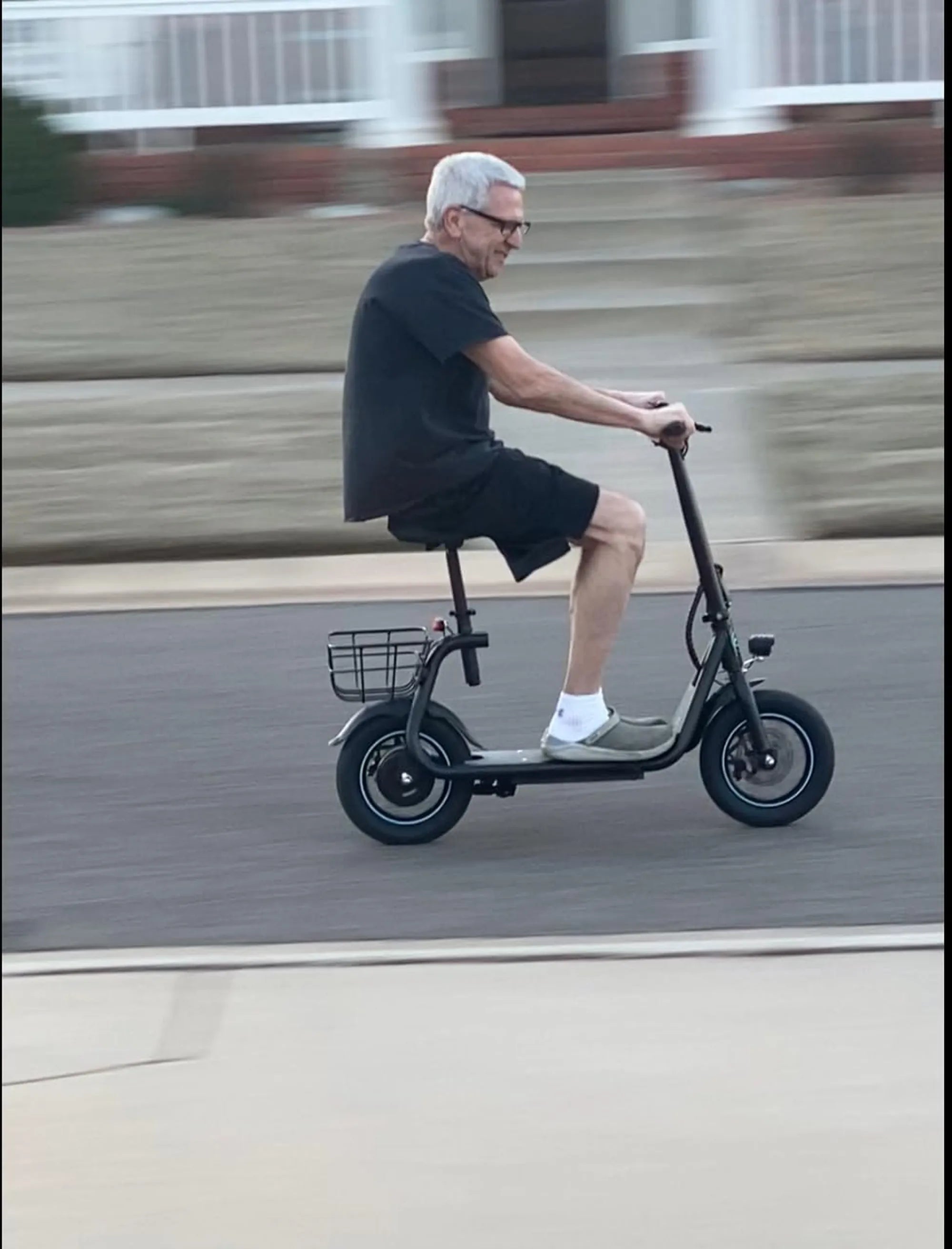
A: Electric dirt bikes from established brands like Gyroor offer a new paradigm in reliability. With far fewer moving parts—no piston, valves, clutch, or transmission—there are fewer components to fail. The key is battery and electronics durability. Gyroor utilizes UL-certified battery packs tested for over 500 charge cycles and IPX5 water-resistant designs, making them exceptionally reliable for their intended use with minimal routine maintenance beyond basic care. Just as you'd research a gas bike's engine reputation, research an e-bike's battery and motor warranty and reviews.
Your Next Step Towards Dependable Riding
Identifying the most reliable dirt bike brand is the first step in a journey filled with freedom and adventure. By matching a bike's engineering philosophy to your riding style and maintenance habits, you ensure that your machine is a trusted partner, not a source of frustration.
Whether your passion is for internal combustion or the instant torque of electric power, the principles remain the same: quality engineering, accessible support, and dedicated care. For riders exploring the electric frontier, Gyroor brings this reliability mindset to electric mobility, with robust, UL-certified electric scooters and e-bikes designed for real-world use. Discover a different kind of reliable ride built for the modern adventurer.
Ready to find your perfect, reliable ride? Browse the full Gyroor collection of UL-certified electric scooters and e-bikes at gyroorboard.com.
Micro Scooter Parts: The Complete Guide to Maintenance, Safety & Performance
Where Can I Ride a Dirt Bike Near Me: A Complete 2024 Guide to Finding Trails