



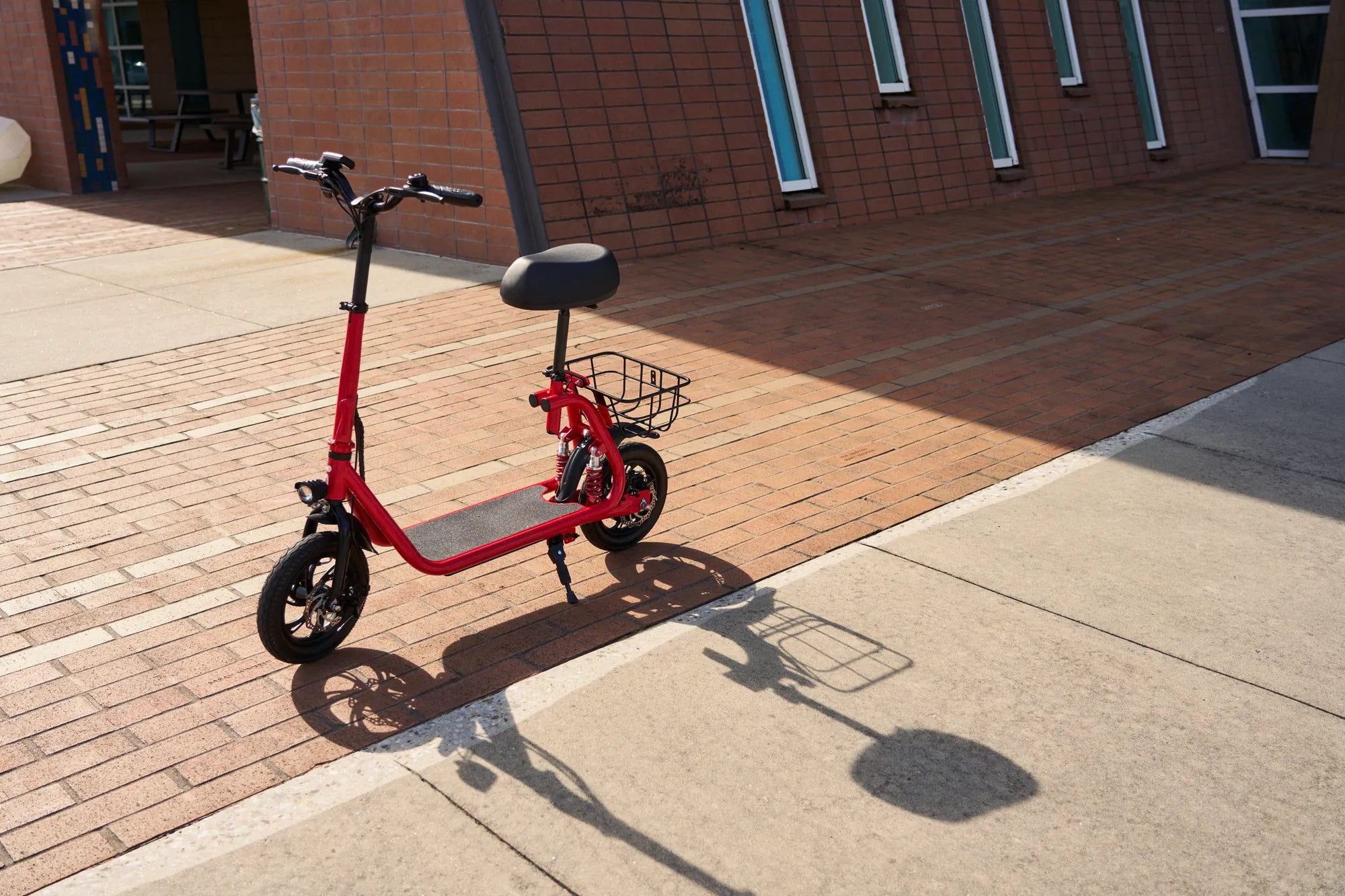
Navigating the legal landscape for electric scooters can feel like riding through a maze of conflicting signs. The question "When are electric scooters legal?" has no single answer, as legality is determined by a complex, overlapping web of federal, state, and local regulations. This complete guide will demystify the rules, providing you with actionable checklists and clear explanations to empower you to ride confidently and legally. We'll break down the key factors that determine legality, from speed limits and age requirements to where you can ride and what safety gear is mandatory.
Understanding the Legal Framework: Federal, State, and Local Layers
Electric scooter legality operates on three distinct tiers of regulation. Ignoring any one of these layers can lead to fines or confiscation of your vehicle. The framework starts broad at the federal level and becomes increasingly specific as you move to your city's streets.
At the highest level, federal agencies like the Consumer Product Safety Commission (CPSC) set baseline manufacturing and safety standards. However, these rules govern how scooters are built and sold, not necessarily where and how they are operated. The operational rules are almost entirely created at the state level.
State legislatures pass laws that define "electric scooter" as a vehicle class, setting broad parameters. These parameters typically include maximum speed, power output, minimum age, and whether a driver's license is required. State law provides the foundational legal structure.
The most critical and frequently changing rules come from local governments. Cities, counties, and municipalities enact ordinances that specify where scooters can be ridden, parking rules, helmet mandates, and whether they are allowed on sidewalks. Always checking local ordinances is the most important step for any rider.
The Role of the Consumer Product Safety Commission (CPSC)
The CPSC's role is primarily consumer protection. It establishes safety standards for the manufacture of consumer products, including electric scooters. Compliance with these standards is a baseline requirement for a scooter to be legally sold in the United States.
CPSC guidelines influence critical safety features. These include requirements for reliable braking systems, adequate lighting for visibility, and stringent battery safety protocols. This is why choosing a brand that prioritizes certified components is crucial.
For instance, all Gyroor electric scooters use UL-certified battery packs, which have undergone rigorous testing for safety and durability, exceeding 500 charge cycles. This certification aligns with the highest safety expectations, addressing a core concern of regulatory bodies.
It is vital to understand that CPSC compliance does not grant permission to ride anywhere. It simply means the product itself meets federal safety standards for sale. Operational legality is determined entirely by state and local laws.
Key Legal Factors That Determine Legality
Laws use specific, measurable criteria to define a legal e-scooter ride. Understanding these factors allows you to perform a quick self-audit before you ride in a new area. These are the universal pillars upon which most regulations are built.
Speed is the most common regulatory metric. Motor wattage may also be capped in some jurisdictions. Age and licensing rules determine who can operate a scooter. Where you ride—road, bike lane, or sidewalk—is heavily regulated.
Finally, mandatory equipment rules ensure basic safety for the rider and others. By checking these boxes, you significantly reduce your risk of legal trouble and increase your safety on the road.
Speed and Power Limits
Speed limits are the cornerstone of e-scooter regulation. Most states and cities that permit e-scooters set a maximum speed limit, typically between 15 and 20 miles per hour when operated on public roads or bike lanes.
Some jurisdictions have different limits based on location. For example, a scooter might be limited to 15 mph on a shared-use path but allowed to reach 20 mph in a bike lane. It is the rider's responsibility to know and obey these limits.
Motor power, measured in watts, is sometimes regulated alongside speed. A common limit is a motor with a maximum power output of 750 watts. Many quality scooters, including several Gyroor models, offer multiple speed modes, allowing riders to easily select a compliant setting for their area.
Exceeding these limits can reclassify your vehicle as a moped or motorcycle, subjecting it to registration, insurance, and licensing requirements you likely cannot meet. Always configure your scooter to comply with local laws.
Age and Licensing Requirements
Age restrictions are nearly universal. The most common minimum age to operate an electric scooter is 16 years old. However, some states or cities set the age at 18, while a few allow younger riders with adult supervision or on private property.
Driver's license requirements vary significantly. Some states require a valid driver's license or learner's permit. Others have no license requirement but maintain a minimum age. A growing number of jurisdictions are adopting rules that align e-scooters with bicycles, requiring no license.
It is critical to verify this requirement with your local Department of Motor Vehicles (DMV) or transportation authority. Riding without a required license can result in a ticket and may impact your driving record.
For younger riders or those in areas with strict rules, this factor alone determines legality. Parents should be especially vigilant in understanding these requirements before purchasing a scooter for a teenager.
Where You Can (and Cannot) Ride
This is the most location-specific factor and a major source of confusion. Rules differ dramatically on whether e-scooters are allowed on roads, bike lanes, sidewalks, and multi-use paths.
Most jurisdictions prohibit riding on sidewalks, especially in central business districts, due to pedestrian safety concerns. When allowed, sidewalk riding often requires yielding to pedestrians and traveling at walking speed.
Bike lanes are generally the preferred and legal place to ride. On roads without bike lanes, riders are often required to ride as far to the right as practicable, following the same rules as bicycles. Riding in dedicated bus lanes or on highways is almost always illegal.
Multi-use paths and parks have their own rules. Some cities welcome e-scooters on paved trails, while others ban them to preserve a peaceful environment for walkers and cyclists. Always look for posted signage.
Mandatory Safety Equipment
Laws commonly mandate specific equipment for legal operation. This equipment is non-negotiable and is a primary thing law enforcement will check. It also significantly enhances your safety.
A helmet is the most common requirement. Laws often mandate helmets for all riders, or specifically for riders under a certain age (e.g., 18). Even if not legally required, wearing a helmet is the single most important safety action you can take.
Lighting is critical for night riding. Most laws require a front white light visible from a certain distance (e.g., 500 feet) and a rear red reflector or light. An audible bell or horn is also frequently required to warn pedestrians and other vehicles.
Many Gyroor scooters come equipped with these features as standard, including bright LED headlights and taillights, reflectors, and electronic bells, helping riders meet legal requirements straight out of the box.
Navigating City-Specific Rules and Shared Scooter Programs
The explosion of dockless shared scooter programs from companies like Bird and Lime has profoundly shaped urban e-scooter laws. City ordinances are often written or amended specifically to manage these fleets, but the rules apply equally to privately owned scooters.
If you own a scooter like a Gyroor, you are subject to the same laws as rental scooters. However, you have the advantage of consistency—you know your scooter's capabilities and condition, and you aren't searching for an app-enabled vehicle.
Cities frequently use geofencing technology to create "no-ride zones" (e.g., crowded plazas, certain parks) and "slow zones" where scooter speed is automatically reduced. As a private rider, you must be aware of these zones through official city maps, as your scooter won't automatically slow down.
The best resource is always your city's department of transportation website. Look for "micromobility," "e-scooter," or "shared mobility" ordinances. These pages often include maps detailing where riding and parking are permitted.
The Critical Importance of Manufacturer Compliance and Warranty
Legal riding starts with a legal vehicle. Using a compliant, well-built scooter from a reputable manufacturer is the foundational step. It ensures your vehicle meets the basic federal safety standards and is designed with regulatory requirements in mind.
Battery safety is paramount. Scooters with uncertified, poorly manufactured batteries pose a fire risk and are a growing concern for regulators. Gyroor's use of UL-certified battery packs directly addresses this, providing a critical layer of safety that aligns with regulatory expectations.
Build quality affects legality and safety. An IPX5 water-resistant rating, a standard on many Gyroor models, means the scooter can withstand rain and wet conditions. This reliability ensures lights and brakes function when needed, which is essential for complying with equipment laws and safe operation.
A strong warranty is your legal safety net. Gyroor's US-backed 1-year warranty provides support if a component critical for legal compliance—such as lights or brakes—fails. This protects your investment and helps ensure your scooter remains road-legal over time.
State-by-State Legal Comparison Table
This table provides a high-level overview of state-level e-scooter laws. Remember, local city ordinances can override or add to these rules. Always verify with local sources.
| State | Max Speed (Typical) | Min. Age | Helmet Law (Under 18) | Bike Lane Required? | Sidewalk Riding |
|---|---|---|---|---|---|
| California | 15 mph | 16 | Yes | Yes, if available | Generally Prohibited |
| Texas | 20 mph | 16 | Yes | Not specified | Local Ordinance |
| Florida | 20 mph | 16 | Yes | Yes, if available | Prohibited |
| New York | 15 mph | 16 | Yes (All riders) | Yes | Prohibited |
| Illinois | 20 mph | 16 | Yes | Yes, if available | Local Ordinance |
| Colorado | 15 mph | 16 | No State Law | Recommended | Local Ordinance |
Frequently Asked Questions (FAQ)
Q: Do I need insurance for my electric scooter?
Most states do not require insurance for privately owned e-scooters. However, it is worth checking your local laws. Regardless, considering personal liability coverage through your renters or homeowners insurance is a smart move to protect yourself in case you cause an accident.
Q: Can I ride my e-scooter in the rain?
Technically, many scooters like Gyroor's with IPX5 ratings are built to withstand rain. However, local laws may prohibit riding in inclement weather for safety reasons. Even if legal, always prioritize visibility, reduce speed, and be cautious of slick surfaces and reduced braking effectiveness.
Q: Are electric scooters legal on college campuses?
This is almost always determined by campus policy, not city or state law. Many campuses have specific rules banning them, restricting them to certain paths, or requiring registration. Always check with campus security or transportation services before riding.
Q: What happens if I'm stopped for illegal riding?
Consequences vary by jurisdiction but can include fines (often $50-$250), confiscation of the scooter until a fine is paid, and in some cases, points on your driver's license if one is required. Knowing and following the rules is your best defense.
Q: Is it legal to carry a passenger on my e-scooter?
Almost universally, no. E-scooters are designed and regulated as single-rider vehicles. Carrying a passenger is illegal in nearly all jurisdictions, significantly increases accident risk, and voids most manufacturer warranties.
Your Actionable Checklist for Legal and Safe Riding
Mastering e-scooter legality is about diligent preparation. By following a systematic checklist, you can eliminate uncertainty and focus on enjoying the ride. This process ensures you respect the law, your safety, and the community you ride in.
Start with broad research. Visit your state's DMV or transportation website to understand the foundational laws. Then, drill down to your specific city or county website. Search for "micromobility ordinances" or "e-scooter rules" and review any official maps of no-ride zones.
Audit your scooter. Confirm it meets local speed and power limits. Test all mandatory equipment: front light, rear light/reflector, and bell. Ensure your battery system is from a certified, reputable source to guarantee safety and reliability.
Gear up correctly. Invest in a properly fitting helmet, regardless of local mandates. Consider additional safety gear like reflective clothing for night riding and sturdy gloves. Your personal protection is your responsibility.
Adopt a defensive riding mindset. Always follow traffic laws as if you were driving a car. Signal your intentions, yield to pedestrians, and never ride under the influence of alcohol or drugs. Park responsibly, never blocking sidewalks, ramps, or building entrances.
Riding legally isn't just about avoiding tickets; it's about being a responsible part of the transportation ecosystem. It ensures that cities continue to view e-scooters as a safe, sustainable mobility solution for everyone. For a range of reliable, feature-complete electric scooters designed with compliance and safety in mind, browse the full Gyroor collection at gyroorboard.com.
Do Pure Electric Scooters Have Trackers? Exploring Safety and Technology
Electric Scooters Alicante: The Ultimate Guide to Eco-Friendly Commuting