


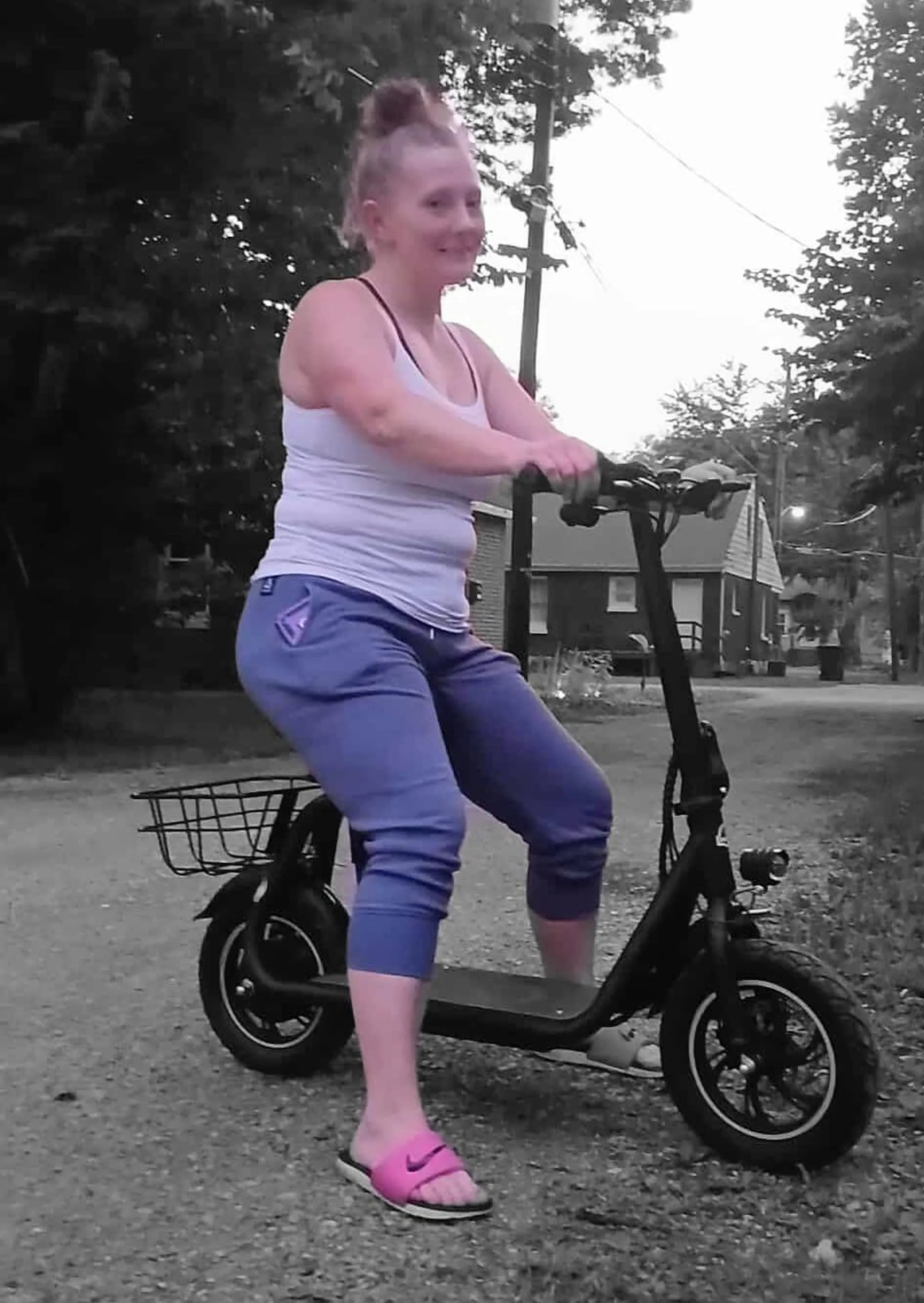
Electric scooters have zipped their way into the fabric of modern cities, but pinpointing exactly when they became mainstream is a fascinating dive into technology, culture, and urban planning. From early prototypes to the sudden explosion of shared fleets, their rise reflects broader shifts in how we move. Let’s unravel the timeline of when electric scooters claimed their spot in the transportation spotlight.
The Early Days: A Niche Innovation
Electric scooters weren’t always a common sight. The first models emerged in the late 1990s and early 2000s, but they were clunky, expensive, and limited by battery technology. These early versions were more curiosities than practical transportation, often marketed as toys or short-range gadgets for tech enthusiasts. Without the infrastructure or demand, they remained a fringe product for over a decade.
The Tech Boom and Battery Revolution
By the mid-2010s, advancements in lithium-ion batteries and lightweight materials changed the game. Suddenly, electric scooters could travel farther, charge faster, and appeal to a broader audience. Startups began experimenting with dockless sharing models, leveraging smartphone apps to make them accessible. This period laid the groundwork for their eventual explosion, but they still hadn’t cracked the mainstream.
The Tipping Point: 2017–2018
The real turning point came around 2017–2018. Cities worldwide saw an influx of brightly colored scooters appearing overnight, thanks to aggressive rollout strategies by sharing companies. Commuters embraced them as a quick, fun solution for "last-mile" trips, while critics raised concerns about safety and clutter. Media coverage skyrocketed, and suddenly, electric scooters were everywhere—literally and culturally. This was the moment they became impossible to ignore.
Urban Integration and Growing Pains
As adoption surged, cities scrambled to regulate scooters, addressing issues like sidewalk congestion and rider safety. Despite the challenges, their convenience and eco-friendly appeal solidified their place in urban transit networks. By 2020, even skeptics had to admit: electric scooters weren’t a fad. They’d evolved into a legitimate piece of the mobility puzzle, with dedicated lanes, parking zones, and rental systems becoming standard in many metros.
The Pandemic and Beyond
The COVID-19 pandemic unexpectedly boosted scooter use, as people sought open-air alternatives to crowded buses and trains. Post-pandemic, their popularity hasn’t waned. Today, electric scooters are a staple of city life, with newer models offering longer ranges and smarter features. Their journey from novelty to necessity mirrors society’s growing emphasis on sustainable, flexible transportation.
From clunky prototypes to sidewalk staples, electric scooters have come a long way—and their story is far from over. Whether you love them or hate them, there’s no denying they’ve reshaped how we navigate our cities. The next time you zip past traffic on one, remember: you’re riding the wave of a mobility revolution that’s still gaining speed.
4x4 All Terrain Electric Scooter: The Ultimate Off-Road Adventure Companion
Correct Standing Posture for E Scooter: A Guide to Safe and Comfortable Riding